

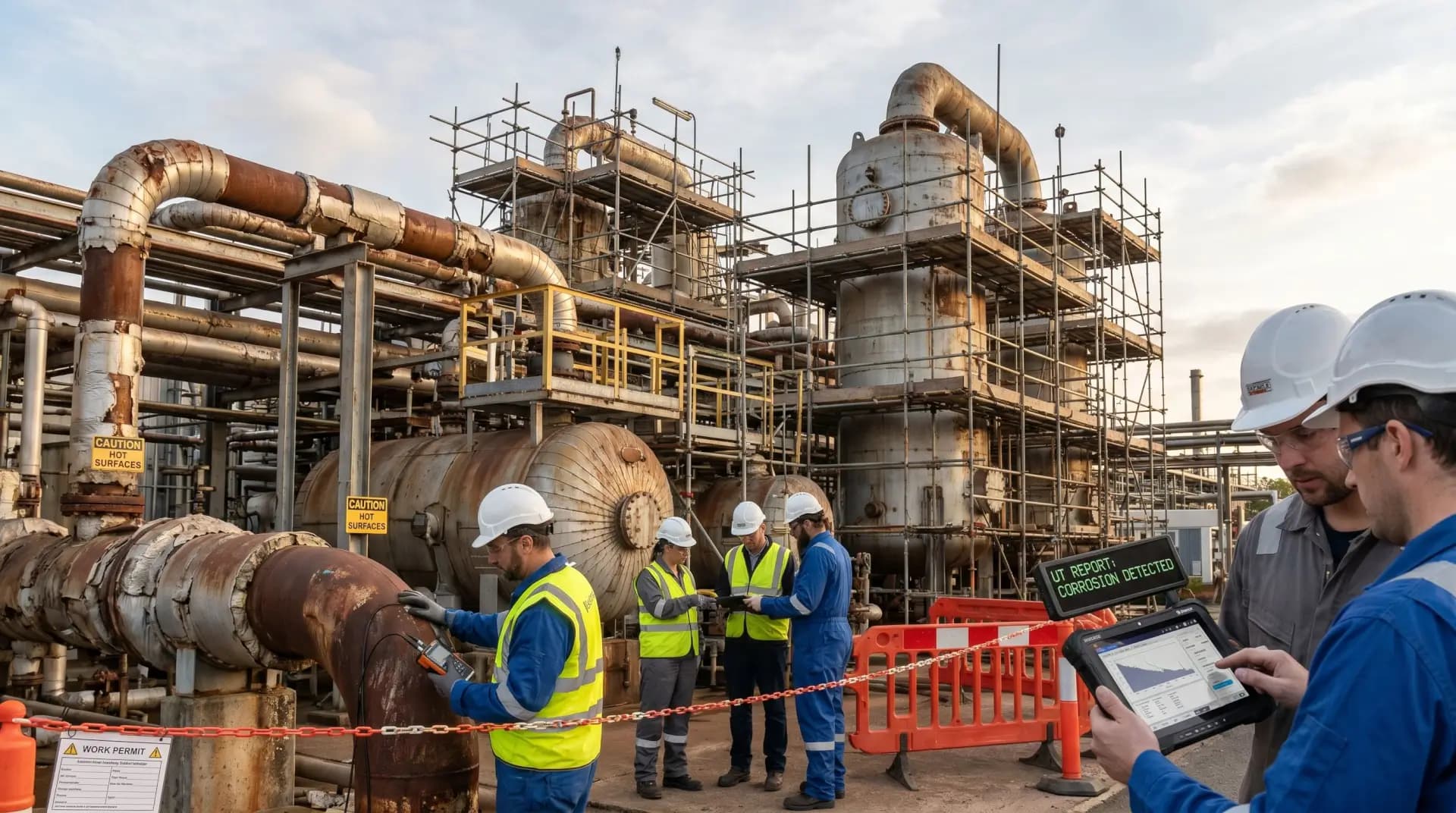
Aging equipment in process plants must be managed through a structured integrity framework that combines risk-based inspection, condition monitoring, defined operating envelopes, and disciplined maintenance governance. The objective is not simply to keep old assets running, but to ensure they continue to operate safely within verified limits. When degradation mechanisms outpace control measures, the correct decision is controlled repair, derating, or retirement—not continued operation.
Understanding Aging in Process Equipment
Aging is not just about chronological age; it is the cumulative effect of service conditions, maintenance quality, and operational stress. In my practice, I evaluate aging through three lenses:
Material degradation: corrosion, erosion, fatigue, creep, embrittlement
Design obsolescence: outdated codes, underspecified materials, legacy controls
Operational drift: undocumented modifications, process changes, increased loads
Many incidents tied to aging assets occur not because equipment is old, but because its current condition and limits are not fully understood or respected.
Establishing a Risk-Based Management Strategy
Aging equipment should never be managed uniformly. A risk-based approach prioritizes resources where failure consequences are highest.
Core Elements of Risk-Based Management
Criticality assessment: Identify safety-critical equipment (pressure vessels, piping, relief systems, rotating machinery)
Failure consequence evaluation: Consider toxicity, flammability, environmental impact, and business interruption
Likelihood assessment: Based on degradation rates, inspection history, and operating conditions
This forms the basis for Risk-Based Inspection (RBI) programs aligned with internationally recognized practices. The output is clear: what to inspect, how often, and using which method.
Inspection and Condition Monitoring
Inspection must evolve as equipment ages. Fixed schedules alone are not sufficient.
Effective Techniques I Rely On
Non-Destructive Testing (NDT): Ultrasonic thickness measurement, radiography, magnetic particle testing
Corrosion monitoring: Coupons, probes, and digital corrosion tracking
Vibration analysis: Early detection of rotating equipment failure
Thermography: Identifying hot spots in electrical and mechanical systems
The key is trend analysis. A single reading has limited value; patterns over time reveal deterioration rates and remaining life.
Defining and Enforcing Operating Limits
One of the most overlooked risks in aging plants is operating outside original design conditions.
Practical Controls
Revalidate design pressure and temperature limits
Establish safe operating envelopes (SOE)
Implement alarm rationalization to prevent overload and ensure meaningful alerts
Apply derating where degradation reduces capacity
Operating beyond verified limits accelerates failure mechanisms and invalidates inspection assumptions.
Maintenance Strategy for Aging Assets
Maintenance must shift from reactive to predictive and reliability-centered.
Key Approaches
Reliability-Centered Maintenance (RCM): Focus on functional failures and consequences
Predictive maintenance (PdM): Data-driven interventions based on condition
Backlog control: Prioritize safety-critical work orders
Spare parts strategy: Address obsolescence risks early
In older plants, I often find that maintenance records exist but lack integration and decision logic. Data must inform action, not just fill reports.
Managing Obsolescence and Modifications
Aging equipment is frequently accompanied by outdated components and undocumented changes.
Control Measures
Maintain an obsolescence register
Evaluate equivalent replacements carefully for compatibility and safety
Apply Management of Change (MOC) rigorously for all modifications
Revalidate systems after major changes
Uncontrolled substitutions are a hidden hazard in mature facilities.
Competence and Organizational Discipline
Even the best systems fail without competent execution.
Critical Focus Areas
Train personnel on aging mechanisms and failure signs
Ensure inspectors are qualified and certified
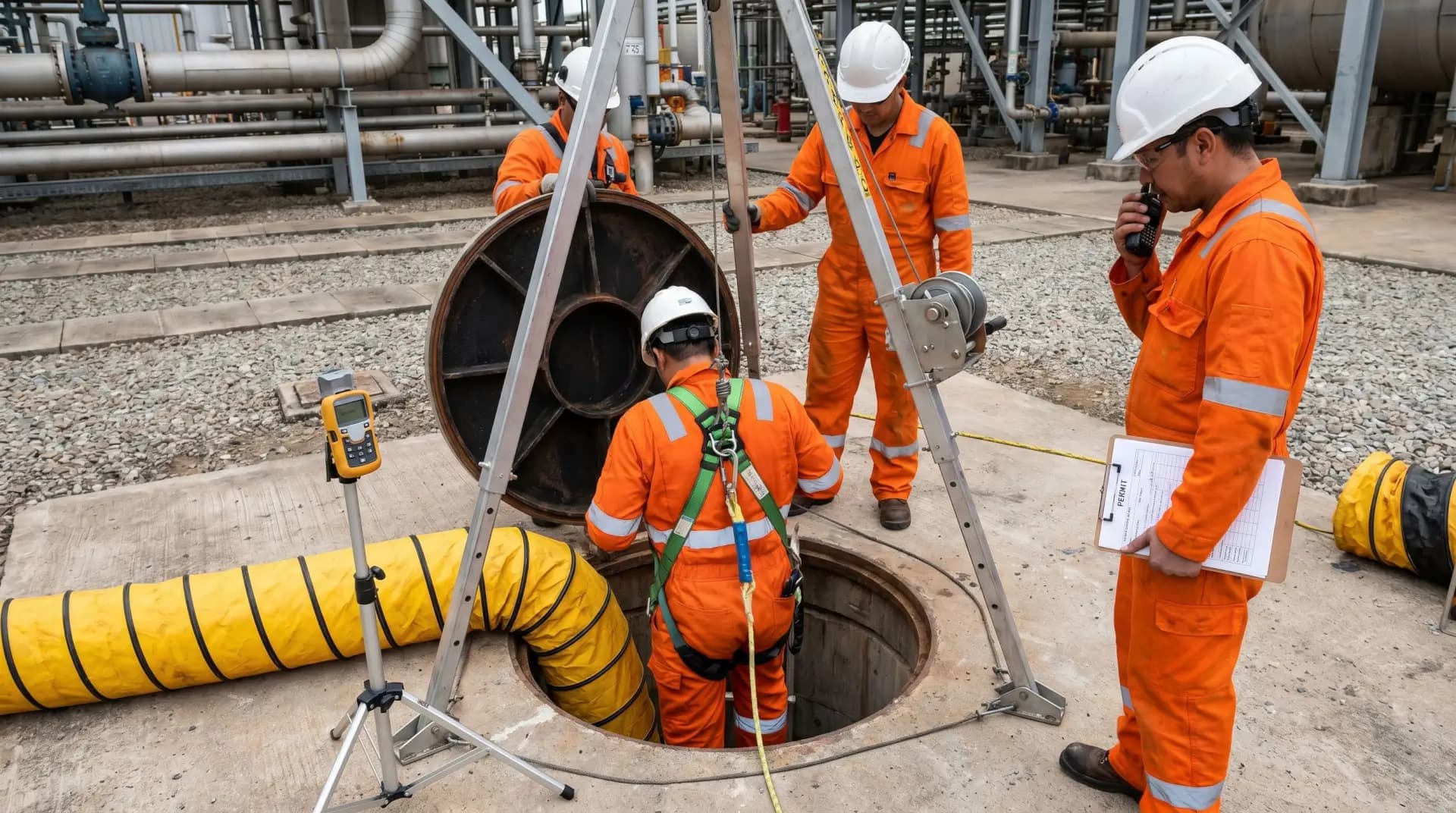
Strengthen permit-to-work systems
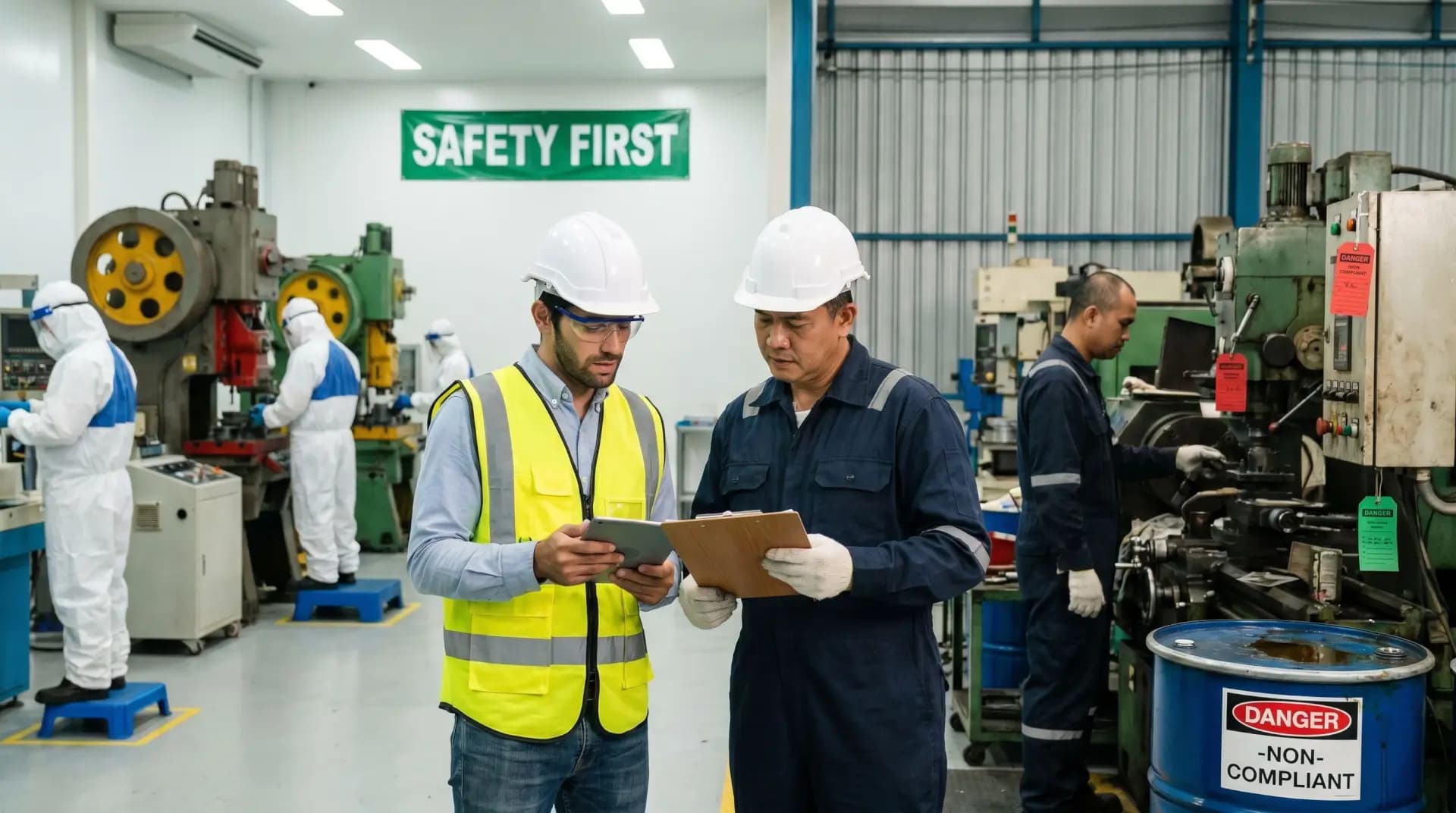
Conduct periodic integrity audits
Human factors play a decisive role in managing aging infrastructure.
When to Repair, Replace, or Retire
This is where professional judgment becomes critical. Decisions must be based on:
Remaining life assessment
Cost versus risk comparison
Availability of safer alternatives
Regulatory expectations within the applicable jurisdiction
Continuing operation without clear justification is not defensible in modern HSE practice.
Conclusion
Managing aging equipment in process plants is fundamentally about control, clarity, and courage—control over degradation, clarity on operating limits, and the courage to intervene when equipment no longer meets safety expectations. A structured, risk-based, and data-driven approach ensures that aging assets do not become hidden liabilities. In my experience, the plants that manage aging well are not those with the newest equipment, but those with the strongest integrity discipline.

Responses