

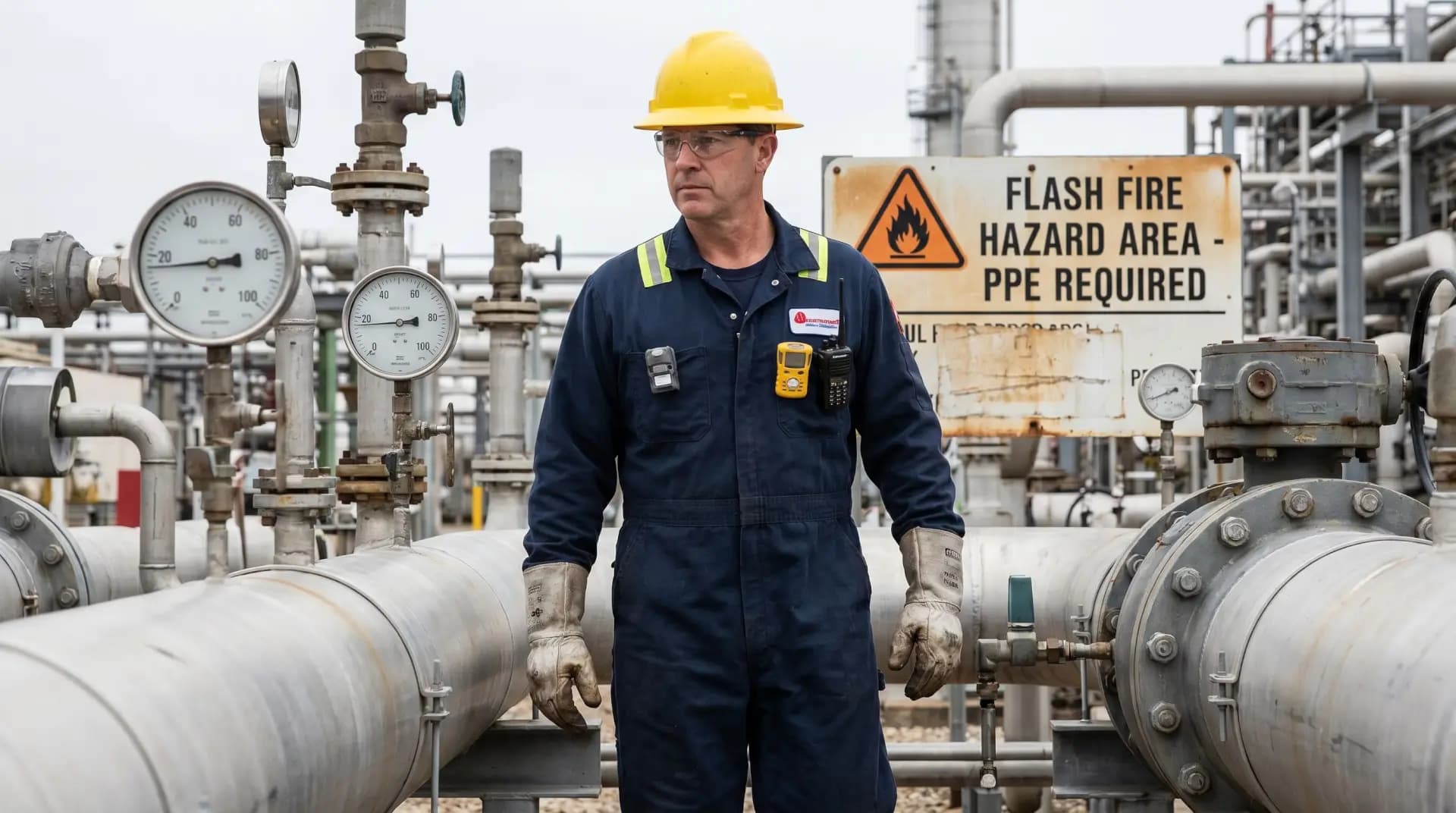
NFPA 2112 and NFPA 2113 work together, but they do not do the same job. NFPA 2112 is the product standard. It defines minimum design, performance, testing, and certification requirements for flame-resistant clothing and related protective items used by industrial personnel exposed to short-duration thermal hazards from fire. NFPA 2113 is the user standard. It guides employers and safety professionals on how to select, use, care for, inspect, maintain, and retire those garments in a workplace FR clothing program.
In practical HSE terms, NFPA 2112 answers: “Is this garment built and certified for flash fire protection?”
NFPA 2113 answers: “How should this garment be selected, worn, managed, cleaned, and removed from service?”
That difference matters. A certified flame-resistant coverall can still fail the worker if it is selected without a hazard assessment, worn incorrectly, contaminated with flammable material, modified improperly, or kept in service after damage. I treat NFPA 2112 as the gatekeeper for garment compliance and NFPA 2113 as the operating manual for the FR clothing program.
What NFPA 2112 Covers
NFPA 2112 is titled Standard on Flame-Resistant Clothing for Protection of Industrial Personnel Against Short-Duration Thermal Exposures from Fire. The current edition commonly referenced for industrial FR clothing is the 2023 edition.
Its purpose is to establish minimum requirements for garments and certain protective items so they do not contribute to burn injury and provide a degree of protection during accidental short-duration fire exposure. This includes flash fire-type hazards where a worker may need a few critical seconds to escape.
NFPA 2112 addresses areas such as:
Flame resistance of fabric and components
Heat transfer performance
Thermal shrinkage
Design and construction
Labeling and manufacturer information
Certification of compliant garments
Testing requirements for new garments and materials
Certain protective items such as hoods, shrouds, balaclavas, gloves, and barrier face coverings where included in the standard scope
The standard is not written as a full workplace procedure. It does not replace an employer’s hazard assessment, PPE program, training system, or maintenance process. Its main role is to verify that the garment or protective item meets defined performance and certification requirements before it is placed into use.
What “NFPA 2112 Certified” Means
When a garment is described as NFPA 2112 certified, it should mean the garment has been evaluated against the standard by an appropriate certification process and bears the required labeling or marking. In the field, I do not accept a verbal claim or catalogue description as enough. The garment label, certification status, manufacturer documentation, and suitability for the actual hazard must all align.
A useful practical check is this:
Checkpoint | What to Confirm |
|---|---|
Garment label | States compliance or certification to NFPA 2112 |
Manufacturer | Identifiable and traceable |
Size and model | Matches the issued item |
Condition | No holes, burns, chemical contamination, broken closures, or unauthorized alterations |
Use case | Suitable for the workplace hazard, not just generally “FR” |
Layering | Compatible with other PPE and does not introduce meltable or flammable layers |
One common misconception is that all flame-resistant clothing is automatically NFPA 2112 compliant. It is not. Some garments may be flame resistant but designed for other hazards, such as electric arc exposure under arc-rated clothing standards. Others may be FR-treated but not certified to NFPA 2112. For flash fire risk, that distinction cannot be ignored.
What NFPA 2113 Covers
NFPA 2113 is titled Standard on Selection, Care, Use, and Maintenance of Flame-Resistant Garments for Protection of Industrial Personnel Against Short-Duration Thermal Exposures from Fire. The current edition commonly referenced is the 2025 edition.
NFPA 2113 is aimed more directly at employers, end users, safety departments, supervisors, and FR clothing program administrators. It takes the certified garment and brings it into the real workplace.
It covers the management side of FR clothing, including:
Hazard assessment
Garment selection
Wearing requirements
Inspection
Care and laundering
Maintenance and repair
Storage
Contamination control
Removal from service
Training and program administration
This is where many FR clothing programs either become effective or become only a paperwork exercise. Buying compliant clothing is not the same as managing compliant use.
NFPA 2113 Starts With Hazard Assessment
The first serious step under NFPA 2113 thinking is not purchasing coveralls. It is understanding the hazard.
A proper FR clothing assessment should consider:
What flammable gases, vapors, or combustible dusts may be present
Where short-duration fire exposure could occur
Whether the exposure is routine, abnormal, or emergency-only
The likely body areas exposed
The work activity and posture
Whether workers need coveralls, shirts and pants, outerwear, rainwear, hoods, gloves, or other protective items
Interaction with respiratory protection, high-visibility clothing, fall protection, chemical PPE, or arc-rated PPE
Whether clothing can become contaminated with oils, solvents, process fluids, or combustible dust
In my experience, weak FR programs often begin with a shortcut: “Issue everyone FR clothing.” That may sound safe, but it can miss critical details such as exposed neck areas, incorrect outer layers, non-FR high-visibility vests, synthetic base layers, contaminated garments, or workers rolling sleeves up because the garment was poorly selected for the climate and task.
Key Differences Between NFPA 2112 and NFPA 2113
The simplest way to understand the relationship is this: NFPA 2112 belongs mainly to the garment and its certification; NFPA 2113 belongs mainly to the workplace program.
Area | NFPA 2112 | NFPA 2113 |
|---|---|---|
Main focus | Product performance and certification | Selection, use, care, and maintenance |
Primary audience | Manufacturers, certifiers, purchasers, technical reviewers | Employers, HSE teams, supervisors, workers, PPE program owners |
Core question | Does the garment meet the standard? | Is the garment being used and managed correctly? |
Workplace role | Establishes minimum garment performance | Establishes program expectations for safe use |
Typical evidence | Label, certification, test compliance, manufacturer data | Hazard assessment, training, inspection, laundering, retirement criteria |
Risk if ignored | Non-compliant or unsuitable garments may enter service | Compliant garments may be misused, damaged, contaminated, or poorly maintained |
Both are needed. A workplace using garments that are not properly certified has a product compliance problem. A workplace using certified garments without training, inspection, cleaning control, or retirement criteria has a program control problem.
Where NFPA 2112 and 2113 Apply
NFPA 2112 and NFPA 2113 are most relevant where industrial workers may face short-duration thermal exposure from fire. This often includes oil and gas operations, petrochemical facilities, refineries, chemical processing, fuel handling, certain utilities, combustible dust environments, and other operations where flash fire risk can exist.
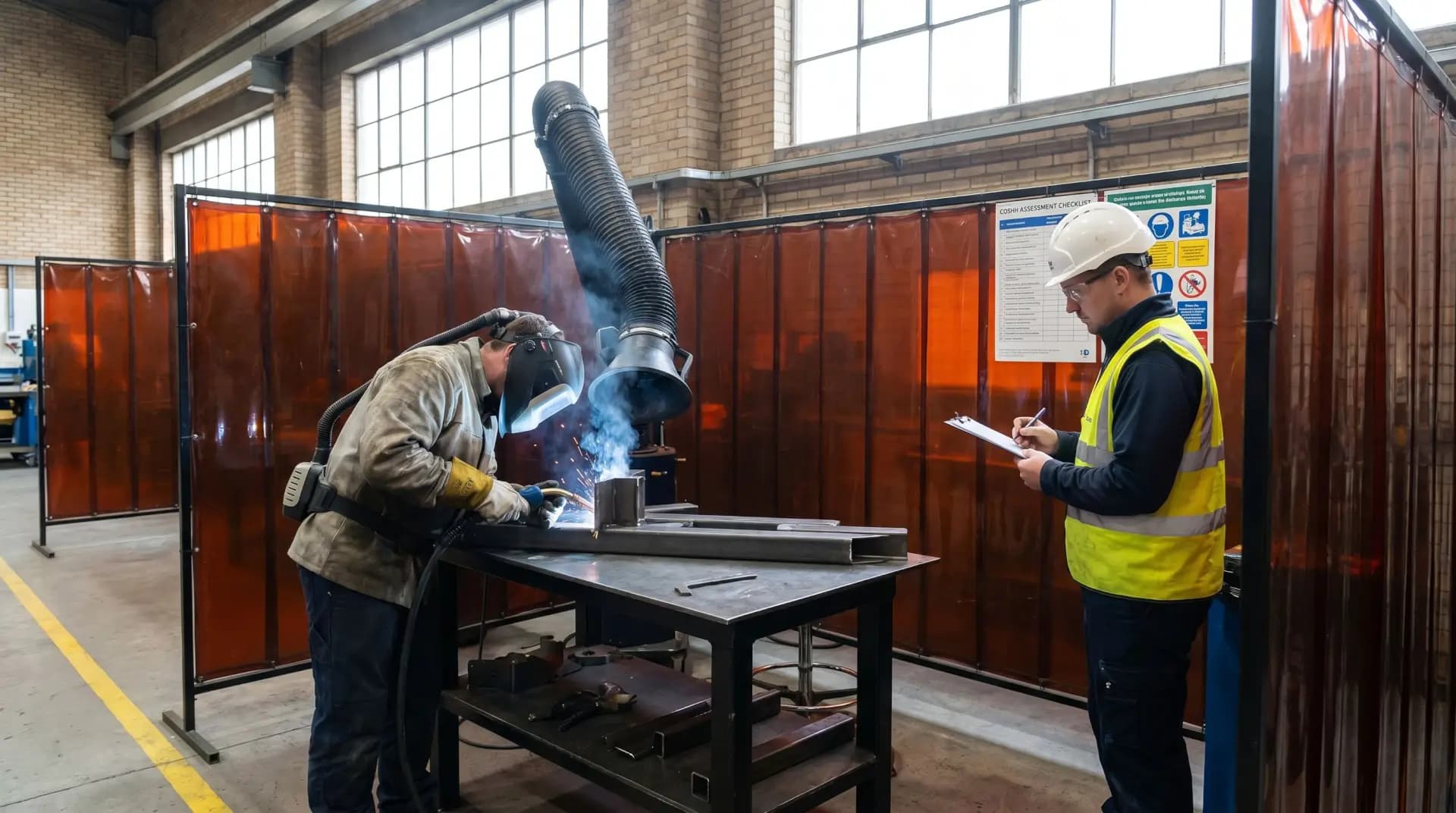
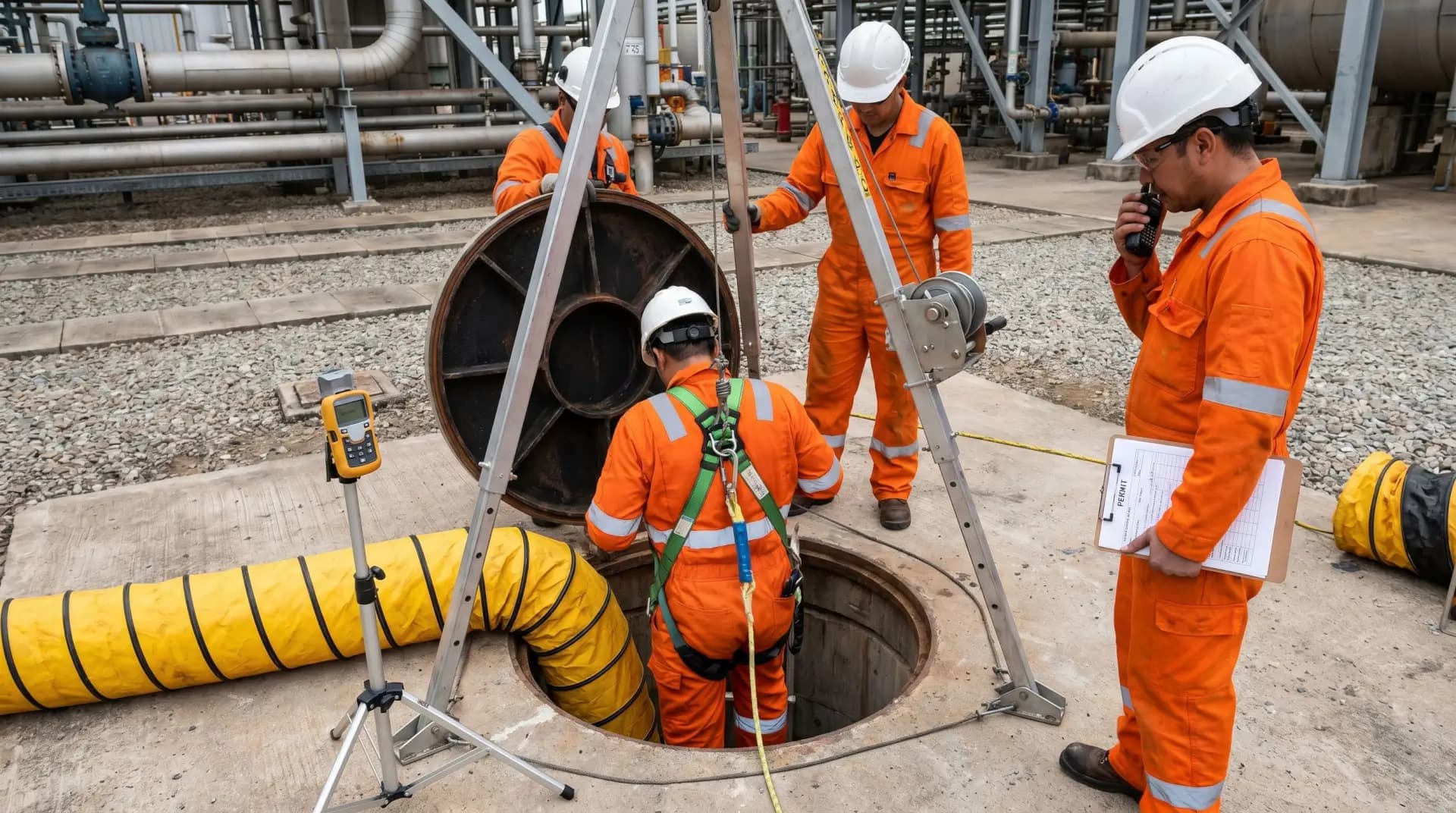
These standards should not be stretched beyond their intended scope. They are not structural firefighting standards. They are not a substitute for hazardous materials response PPE. They are not a complete answer for electric arc hazards. They are not a permit-to-work control. They are not a reason to accept uncontrolled releases of flammable material.
FR clothing is a last line of defense. The correct control strategy remains:
Eliminate or reduce the flammable hazard where possible.
Control ignition sources.
Engineer containment, ventilation, detection, isolation, and emergency shutdown systems.
Apply safe systems of work, permits, gas testing, maintenance controls, and emergency planning.
Use appropriate PPE, including FR clothing, for residual risk.
This hierarchy is important because FR clothing does not prevent a fire. It helps reduce burn injury severity when exposure occurs and gives the worker a better chance during escape.
Selection of Flame-Resistant Clothing Under NFPA 2113
Selection should be based on the hazard, not habit. A compliant label is only one part of the decision.
Coverage
Garments must provide practical body coverage for the task. Long sleeves, properly closed fronts, secure cuffs, and full torso and limb coverage matter. If workers leave zippers open, roll up sleeves, or wear non-FR outerwear over FR clothing, the protection is compromised.
Fit and Comfort
Fit is a safety issue. Clothing that is too tight can reduce the insulating air gap and restrict movement. Clothing that is too loose can snag, interfere with equipment, or create poor sealing with other PPE. Comfort also affects compliance. If the garment is unsuitable for the work environment, workers will find ways around it.
Layers
Layering must be controlled. A flame-resistant outer layer over a meltable synthetic base layer can still create injury risk if heat reaches the inner layer. Non-FR jackets, rainwear, high-visibility vests, hoodies, or thermal liners worn over FR clothing may ignite, melt, or continue burning.
Compatibility With Other PPE
FR clothing must work with hard hats, face protection, gloves, hearing protection, respiratory protection, harnesses, gas monitors, and chemical PPE. In combined hazards, the HSE judgment becomes more complex. For example, a task may involve flash fire risk, chemical splash risk, and electrical exposure. One garment standard rarely solves all hazards.
Visibility and Weather Protection
High-visibility clothing, rainwear, cold-weather garments, and disposable cover layers must be evaluated carefully. A non-FR vest worn over an NFPA 2112 coverall can defeat the purpose of the protective system. Outer layers must be selected with the same seriousness as the base FR garment.
Care, Laundering, Inspection, and Retirement
A flame-resistant garment is not a permanent shield. Its protective value depends on condition, cleanliness, and correct care.
Laundering
Laundering must follow the manufacturer’s instructions and the workplace FR program requirements. The goal is to clean the garment without damaging its protective properties or leaving residues that could affect performance.
Avoid practices that may compromise FR clothing, such as:
Using prohibited bleach or harsh chemicals
Applying fabric softeners where restricted
Washing contaminated garments with normal clothing
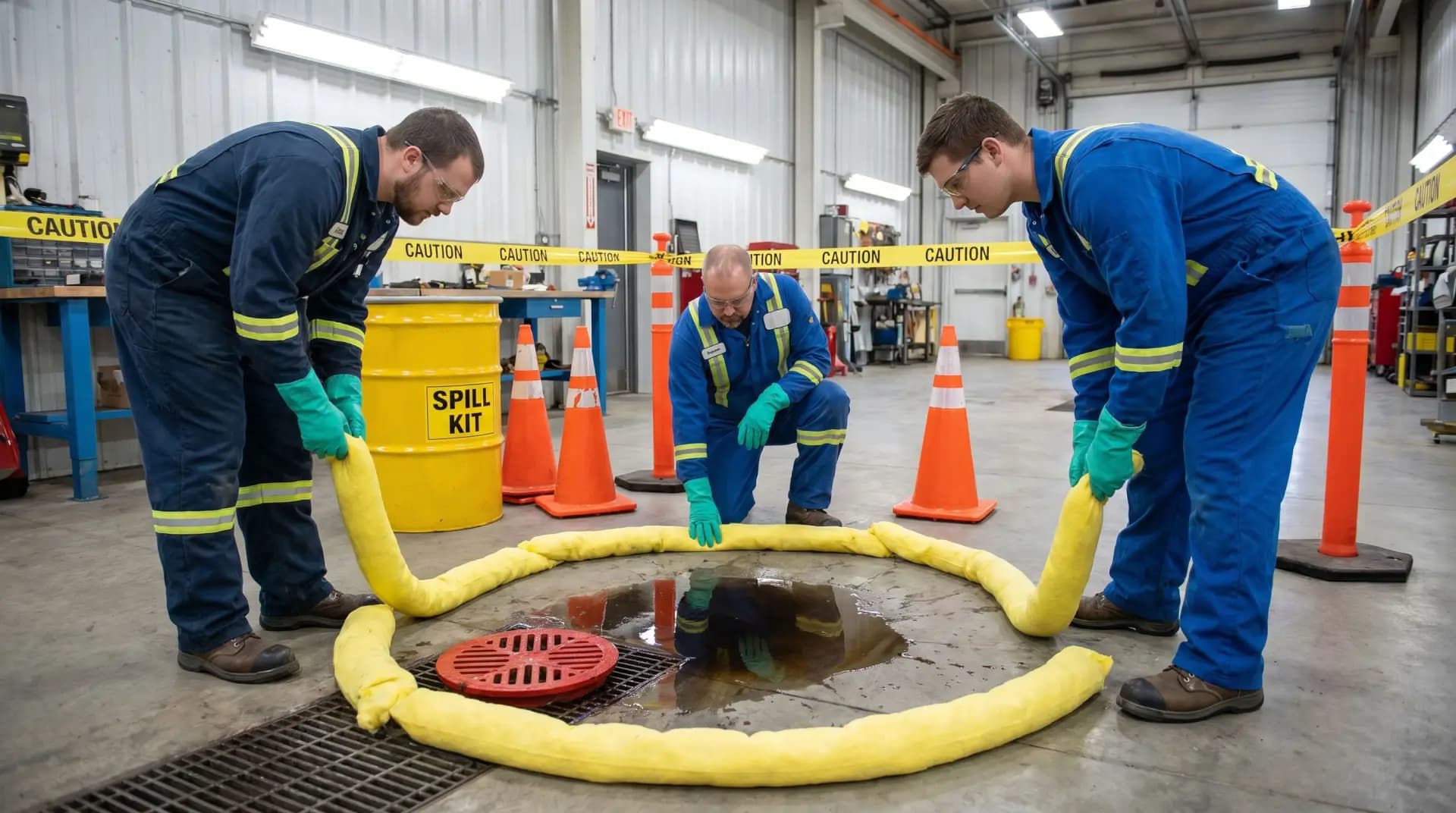
Ignoring oil, solvent, fuel, or chemical contamination
Using uncontrolled repair methods
Treating FR garments as ordinary workwear
Some contaminants can increase flammability or reduce performance. If a garment is contaminated and cannot be properly decontaminated, it should not remain in service.
Inspection
Inspection should occur at several levels: by the wearer before use, by supervisors during work observations, and by the program owner during formal reviews.
Look for:
Holes, tears, cuts, or worn areas
Burn marks or heat damage
Broken zippers, snaps, buttons, or closures
Missing labels
Unauthorized embroidery, patches, or reflective tape
Chemical or oil staining
Contamination that cannot be removed
Shrinkage or poor fit after laundering
Repairs made with non-FR materials
A small defect can become significant if it exposes the worker’s skin or allows flame or heat to enter the garment system.
Repair and Alteration
Repairs should use materials and methods compatible with the garment’s protective properties. A non-FR patch, ordinary thread, or decorative alteration can create a weak point. I do not treat tailoring as harmless unless the repair method is approved and controlled.
Retirement
FR clothing should be removed from service when it is damaged, contaminated beyond safe cleaning, altered improperly, no longer fits, has lost required labeling or traceability, or no longer meets the program’s acceptance criteria. Retirement should be a defined decision, not a casual judgment made after an incident.
Training Workers to Use FR Clothing Correctly
Training is where NFPA 2113 becomes visible on the shop floor. Workers need to understand not only what to wear, but why it matters.
Good FR clothing training should cover:
The workplace flash fire hazard
What NFPA 2112 certification means
How FR clothing helps and what it cannot do
Correct wearing practices
Why sleeves, zippers, collars, and closures matter
Restrictions on non-FR outerwear and synthetic underlayers
Inspection before use
Contamination reporting
Laundering and storage rules
When to remove a garment from service
How to report damaged or unsuitable PPE
The strongest training is practical. Show examples of acceptable and unacceptable garments. Let workers handle damaged clothing. Explain common shortcuts. Correct the belief that “FR means fireproof.” Flame-resistant clothing is not fireproof. It is designed to resist ignition, reduce flame spread, and help limit burn injury under defined exposure conditions.
Common Mistakes in FR Clothing Programs
I see the same weaknesses repeated across many FR clothing discussions and workplace programs.
Treating FR Clothing as a Purchase Item Only
Procurement is only the beginning. Without hazard assessment, issue control, training, cleaning, inspection, and replacement, the program is incomplete.
Confusing FR With Arc-Rated
Some garments are both flame resistant and arc rated, but the terms are not identical. Flash fire protection and electric arc protection are related but different hazards with different performance measures. The selected PPE must match the hazard assessment.
Allowing Non-FR Outer Layers
A worker may be wearing a certified FR shirt and pants, then put on a normal rain jacket, fleece, vest, or winter coat. In a flash fire, the outer layer is the first layer exposed. This is one of the easiest program failures to miss during routine work.
Ignoring Contamination
Oil, grease, solvents, fuel, and combustible dust can change how clothing behaves in a fire event. A contaminated FR garment should be treated as a safety concern, not a housekeeping issue.
Poor Control of Laundry
Home laundering may be acceptable in some programs when manufacturer instructions and employer requirements are followed, but it must be controlled through clear rules. Industrial laundering may be preferred where contamination, consistency, or traceability is a concern. The key is not the label “home” or “industrial”; the key is whether the garment is cleaned correctly and remains fit for service.
Missing Contractor Alignment
Contractors often enter high-risk areas with their own clothing systems. If site requirements are not clear, contractor FR clothing may not meet the same standard as employee clothing. Site access control should include FR clothing verification where the hazard requires it.
Practical HSE Checklist for NFPA 2112 and 2113 Compliance
A practical FR clothing program should be able to answer these questions with evidence:
Program Question | Expected Evidence |
|---|---|
Have flash fire hazards been assessed? | Documented hazard assessment and task review |
Are selected garments NFPA 2112 compliant where required? | Labels, manufacturer data, certification records |
Is garment selection suitable for each task and area? | PPE matrix, job safety analysis, area classification review |
Are workers trained? | Training records and field verification |
Are garments worn correctly? | Supervisor observations, audits, coaching records |
Are laundering rules defined? | Written care procedure and manufacturer instructions |
Are contaminated garments controlled? | Reporting, segregation, cleaning, and removal process |
Are inspections performed? | Pre-use checks and formal inspection records |
Are repairs controlled? | Approved repair procedure and compatible materials |
Are garments retired when needed? | Replacement criteria and disposal process |
Are contractors included? | Contract requirements and site entry checks |
This checklist does not replace the standards, but it reflects the practical structure I expect to see in a serious FR clothing program.
Conclusion
NFPA 2112 and NFPA 2113 should be read as companion standards, not alternatives. NFPA 2112 gives confidence that flame-resistant garments meet minimum performance and certification requirements for short-duration thermal exposure from fire. NFPA 2113 gives the workplace a framework for selecting, wearing, caring for, inspecting, maintaining, and retiring those garments correctly.
The professional judgment point is simple: a label alone does not protect a worker. Protection comes from the right garment, selected for the right hazard, worn the right way, maintained in the right condition, and supported by a disciplined HSE program. When NFPA 2112 and NFPA 2113 are applied together, flame-resistant clothing becomes more than compliance equipment. It becomes a controlled barrier in the overall fire and explosion risk management system.



Responses