


Non-compliance with safety laws is not a minor administrative lapse—it is a direct exposure to legal, financial, and operational consequences that can escalate quickly. Across most jurisdictions, failing to meet occupational health and safety requirements can result in penalties ranging from monetary fines and project shutdowns to criminal prosecution and imprisonment. The severity depends on the nature of the violation, the level of negligence, and whether harm occurred.
Understanding these penalties is not about fear—it is about recognizing how regulatory systems enforce accountability and protect human life.
What Constitutes Non-Compliance in Safety Laws
Non-compliance occurs when an organization or responsible individual fails to meet legally mandated safety requirements. This includes both active violations and passive failures such as lack of oversight.
Typical examples include:
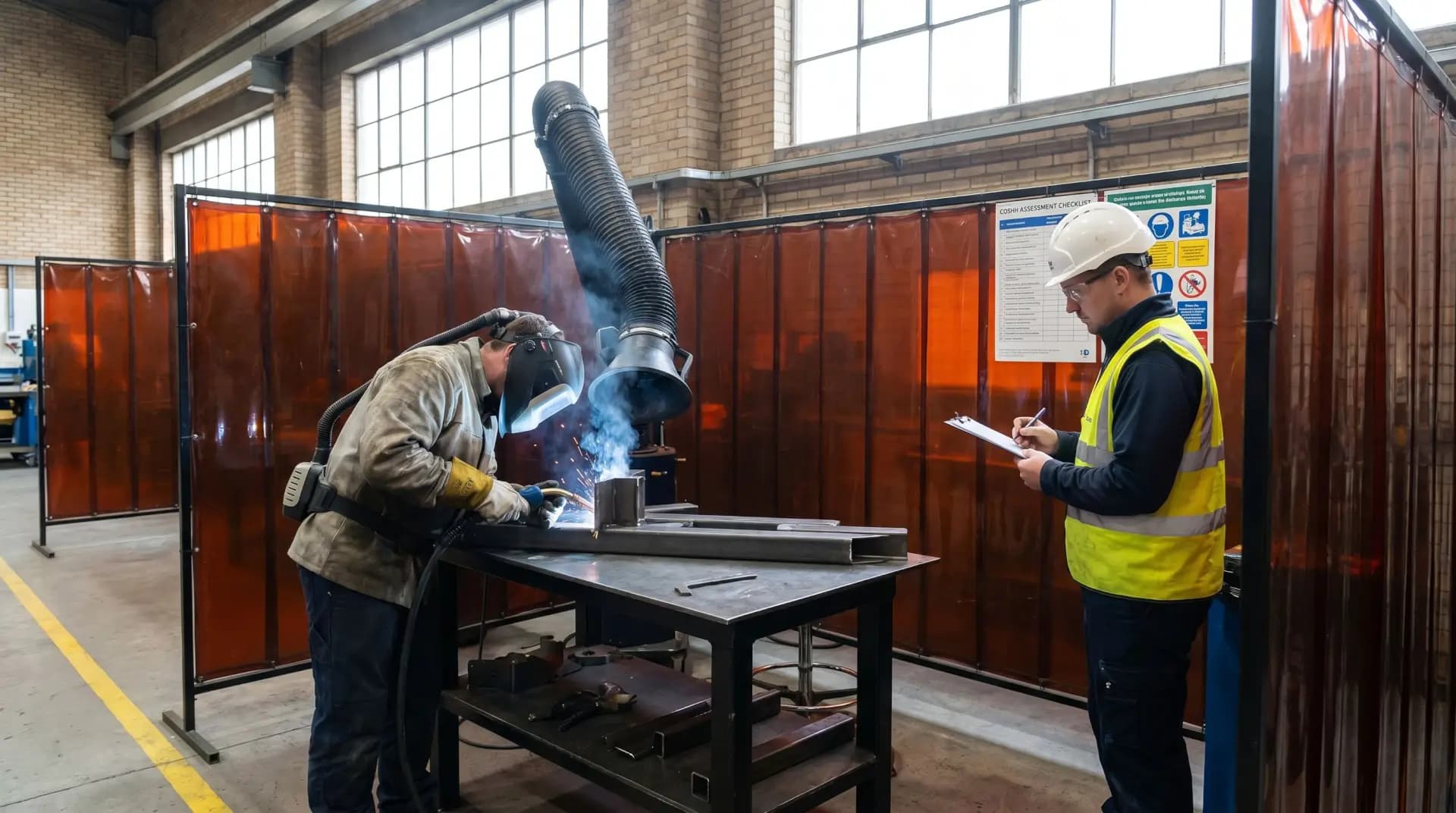
Failure to conduct risk assessments
Absence of safety training or supervision
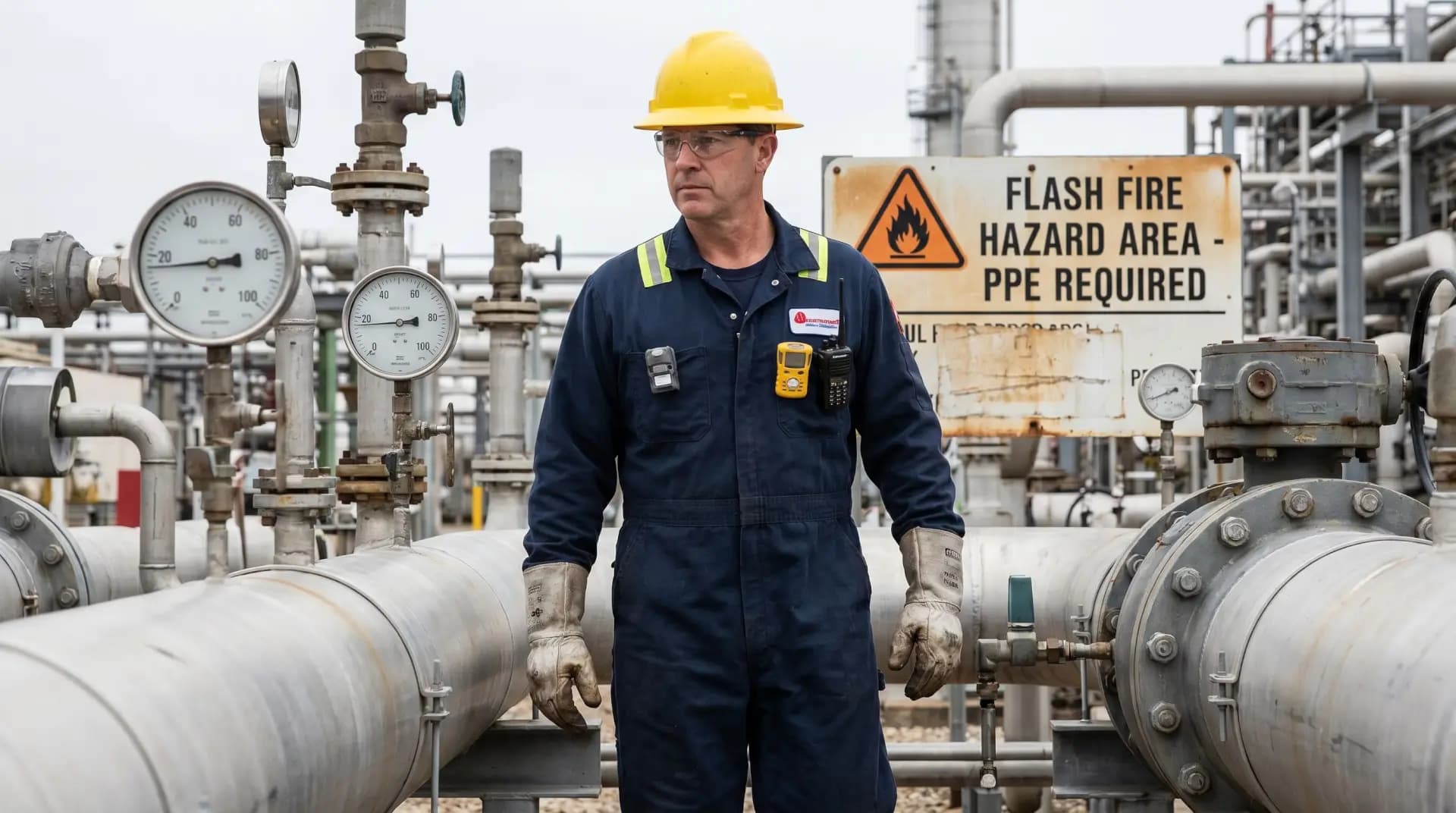
Non-provision or misuse of personal protective equipment (PPE)
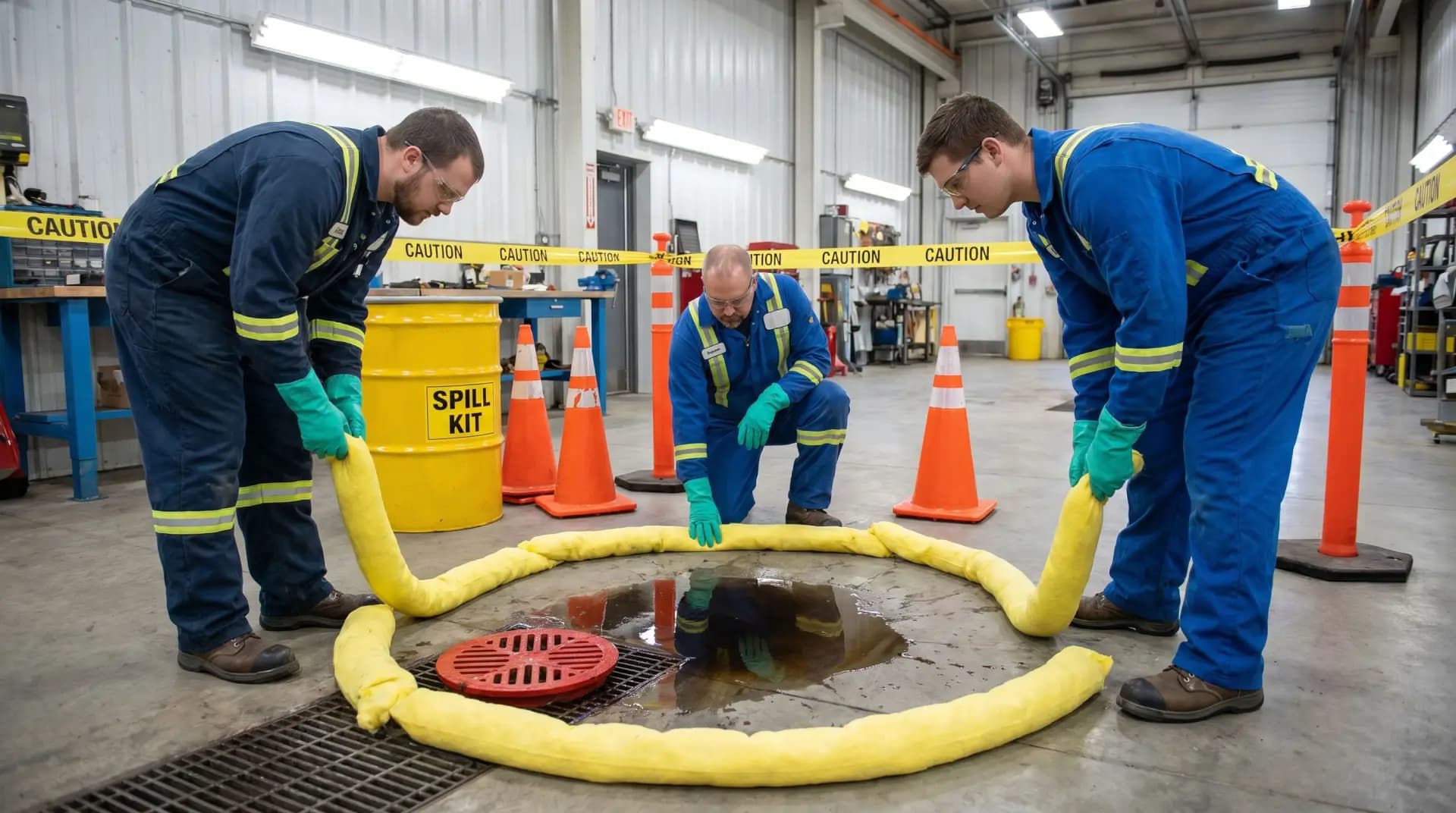
Ignoring hazard control measures
Poor incident reporting and investigation practices
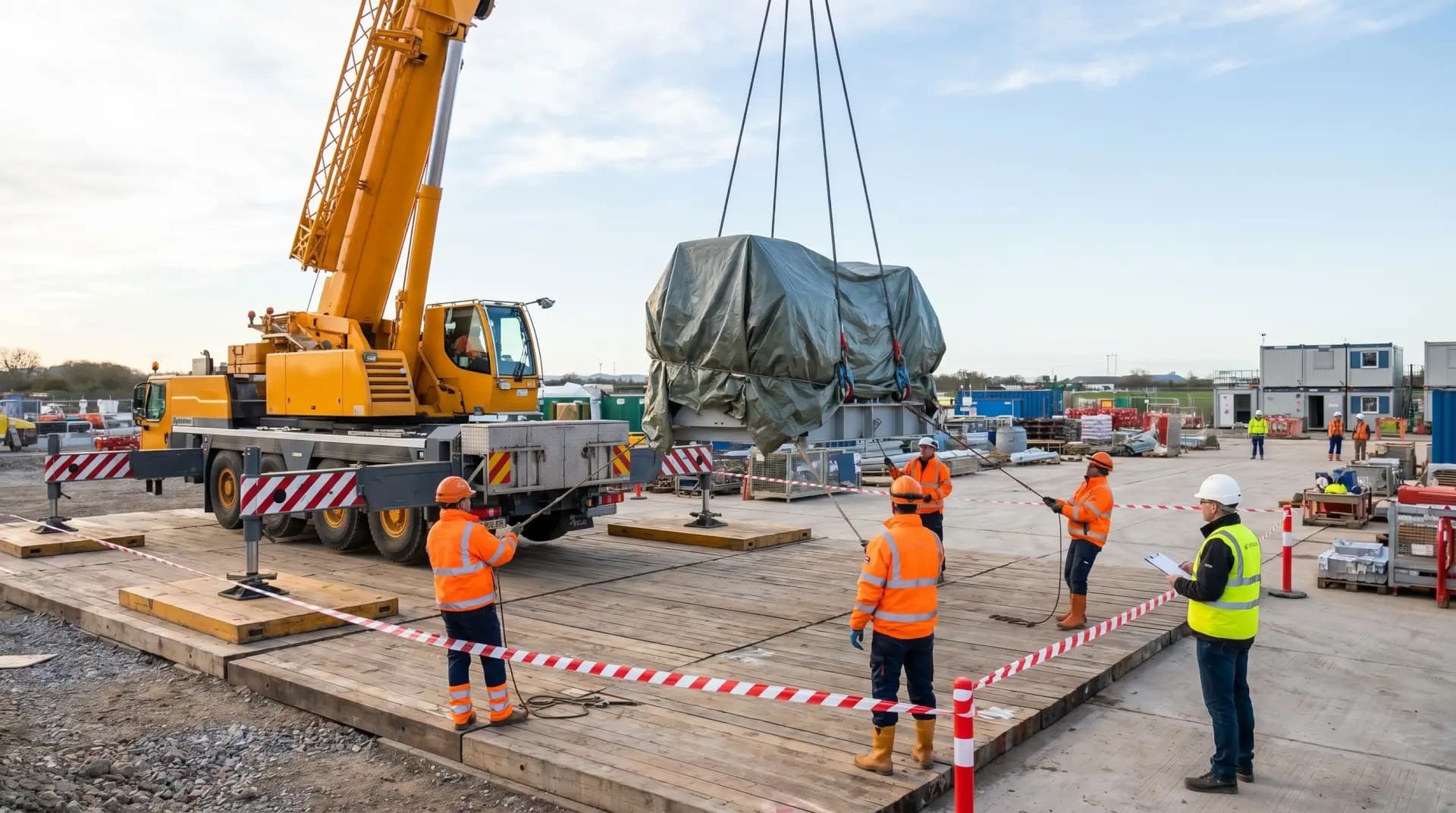
Operating unsafe machinery or environments
In my professional observation, many organizations don’t intentionally violate laws—they drift into non-compliance due to weak systems, poor leadership commitment, or lack of competent supervision.
Types of Penalties for Safety Law Violations
1. Financial Penalties (Fines)
The most immediate consequence is financial. Regulatory bodies impose fines based on:
Severity of the violation
Level of risk created
Whether injury or fatality occurred
History of previous violations
These fines can range from moderate administrative penalties to substantial amounts that impact business continuity.
A key pattern I’ve seen is that repeat offenders face exponentially higher fines, often tied to turnover or company size in some jurisdictions.
2. Legal Prosecution and Criminal Liability
When negligence is severe—especially in cases involving serious injury or death—legal consequences escalate.
This may include:
Criminal charges against company directors or managers
Court trials and legal proceedings
Imprisonment in extreme cases of gross negligence
This is where safety transitions from a compliance issue to a criminal accountability issue.
3. Business Suspension or Shutdown
Regulatory authorities have the power to:
Issue prohibition notices (immediate work stoppage)
Suspend operations until compliance is restored
Revoke licenses or permits
Operational shutdowns often cost more than fines due to:
Project delays
Contract penalties
Loss of client trust
In high-risk industries, even a temporary shutdown can have long-term consequences.
4. Civil Liability and Compensation Claims
Beyond regulatory penalties, organizations may face civil lawsuits from affected workers or their families.
This includes:
Compensation for injuries or fatalities
Medical costs and rehabilitation expenses
Long-term disability claims
Civil liability can significantly exceed regulatory fines, particularly in serious incidents.
5. Reputational Damage
This is often underestimated but deeply impactful.
Consequences include:
Loss of business opportunities
Damaged client relationships
Negative media exposure
Reduced workforce morale
From experience, rebuilding trust after a major safety violation is far more difficult than achieving compliance in the first place.
Factors That Influence Penalty Severity
Regulators typically assess several factors before determining penalties:
Degree of Negligence
Was the violation intentional, reckless, or due to lack of awareness?
Risk Level
Did the act expose workers to minor or life-threatening hazards?
Actual Harm
Was there an injury, fatality, or near miss?
Compliance History
Is this a first-time violation or part of a pattern?
Corrective Actions
Did the organization take immediate steps to rectify the issue?
A strong safety culture and documented systems can significantly reduce penalty severity, even when violations occur.
Employer vs Individual Liability
Safety laws often assign responsibility at multiple levels:
Employer Responsibilities
Provide safe systems of work
Ensure proper training and supervision
Maintain equipment and workplace conditions
Individual Responsibilities
Follow safety procedures
Use provided PPE
Report hazards and unsafe conditions
In many legal systems, both employers and employees can be penalized, but the primary duty of care lies with the employer.
Regulatory Enforcement Tools
Authorities use several mechanisms to enforce compliance:
Improvement notices (requiring corrective action within a timeframe)
Prohibition notices (immediate halt of unsafe activities)
Inspections and audits
Incident investigations
These tools are designed not just to penalize, but to drive corrective behavior and prevent recurrence.
Common Misconceptions About Safety Penalties
“Fines are the only consequence”
In reality, legal, operational, and reputational impacts are often far more severe.
“Small companies are not targeted”
Regulations apply to all organizations, regardless of size.
“Compliance is paperwork”
Documentation alone does not prevent penalties—implementation does.
“Penalties only happen after accidents”
Many penalties are issued purely for unsafe conditions, even without incidents.
Practical Measures to Avoid Non-Compliance
From a practitioner’s standpoint, avoiding penalties comes down to system strength and leadership commitment.
Key actions include:
Establishing a structured safety management system
Conducting regular risk assessments
Ensuring competency-based training
Performing routine inspections and audits
Encouraging hazard reporting culture
Maintaining accurate documentation
Consistency is critical. Compliance is not a one-time effort—it is an ongoing operational discipline.
Conclusion
Penalties for non-compliance with safety laws are not arbitrary—they reflect the seriousness of failing to protect human life. Financial fines may be the most visible consequence, but legal liability, operational disruption, and reputational damage often carry deeper, longer-lasting effects.
In my experience, organizations that treat safety as a core operational value—not just a regulatory requirement—rarely face severe penalties. The difference lies in proactive systems, informed leadership, and daily discipline on the ground.



Responses