

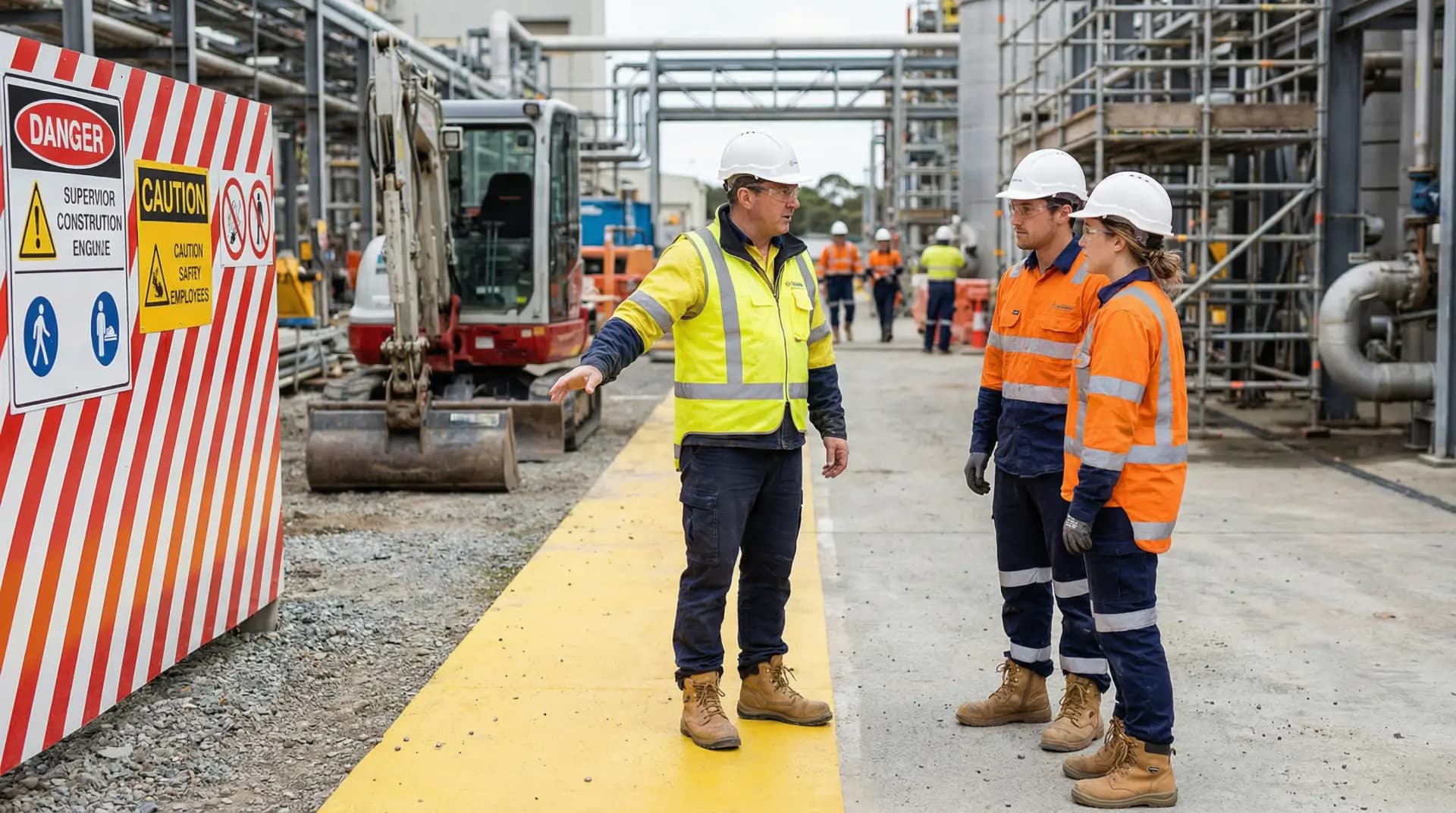
New employees get hurt for predictable reasons: they do not yet know the hazards, the safe way to do the job, the limits of their authority, or what to do when something goes wrong. In practice, the best workplace safety tips for new employees are simple but non-negotiable: learn the site rules before starting, stop and ask when a task is unclear, use the right equipment correctly, report hazards early, and never treat routine work as risk-free. Regulators and occupational safety bodies consistently stress induction, clear instruction, supervision, emergency readiness, and hazard control as the foundation of safe work.
In my experience as an HSE professional, new starters do not usually fail because they are careless. They struggle because the workplace assumes knowledge they do not yet have. A good safety mindset for a new employee is not “be careful.” It is “understand the hazard, understand the control, and understand when to stop.” That approach aligns with authoritative guidance that workers need the right information, instruction, training, and supervision to work safely.
Start with your safety induction, not your task list
Before a new employee focuses on speed, output, or pleasing a supervisor, they need to understand how the workplace manages risk. A proper induction should cover site hazards, restricted areas, emergency arrangements, first aid, reporting lines, incident reporting, and the specific controls linked to the job. This is especially important for new recruits and young or inexperienced workers, who may face unfamiliar risks and need closer supervision.
What I want every new employee to know on day one is this:
Where the main hazards are
Which tasks they are allowed to do, and which they are not
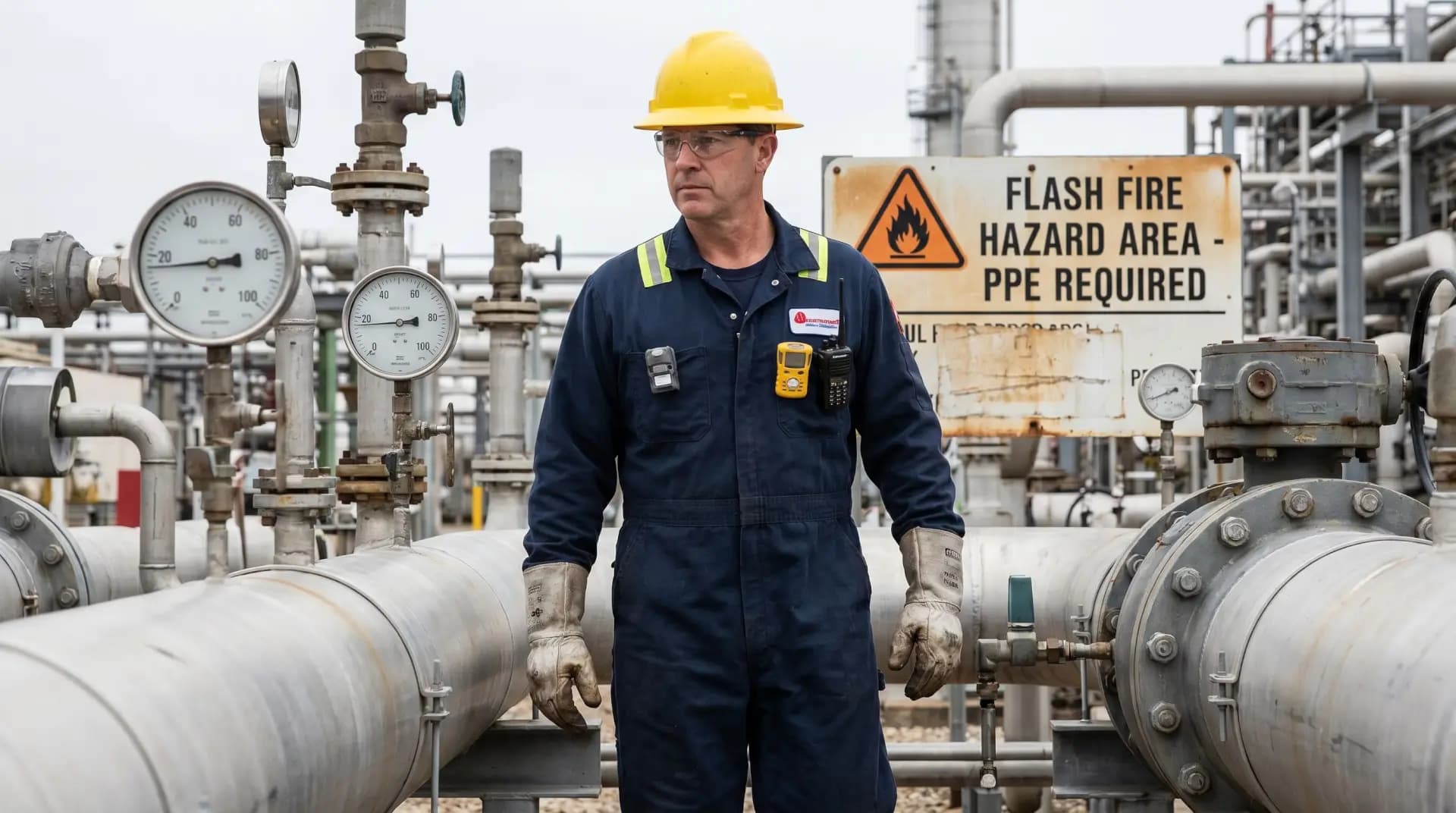
What PPE is required, and what PPE cannot do
How to raise a concern immediately
Who supervises them
How to respond to fire, injury, chemical exposure, or evacuation
Where to find first aid and emergency contacts
A rushed induction creates blind spots. A clear induction reduces uncertainty, which is one of the biggest hidden causes of unsafe behavior.
Learn the hazards before you learn the shortcuts
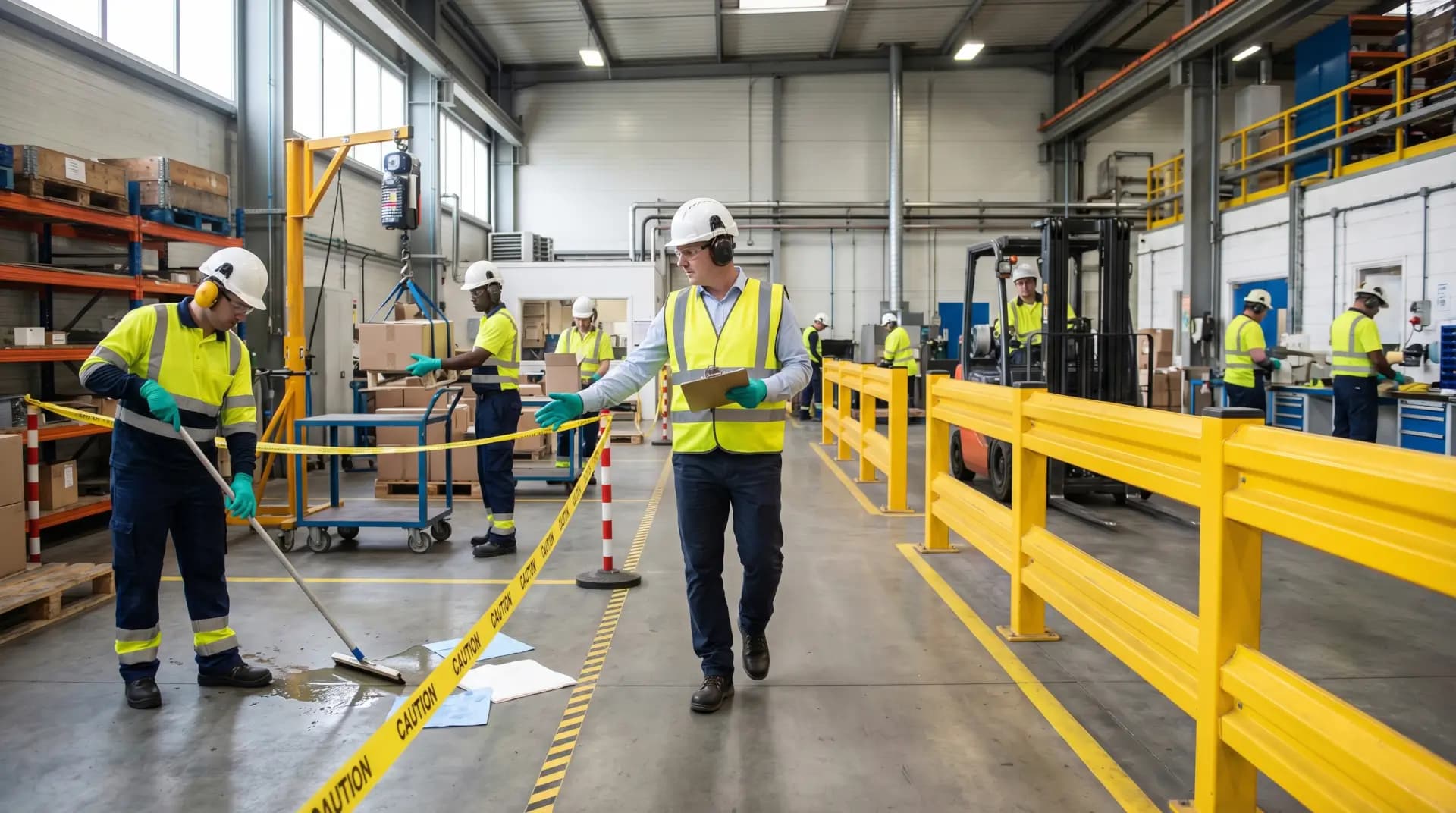
Every workplace has hazards, but not every hazard is obvious. New employees often notice moving equipment and slippery floors, yet miss less visible risks such as chemical exposure, noise, fatigue, poor manual handling, awkward posture, vehicle interaction, or unsafe energy sources. Safety authorities emphasize identifying hazards and controlling exposure systematically rather than relying only on warnings or personal caution.
A practical rule I teach is this: before doing any task, ask three questions.
What can harm me here?
What control is supposed to stop that harm?
What should I do if that control is missing?
This habit is more useful than memorizing slogans. It turns safety into a decision-making process.
Common hazards new employees should watch for
Hazard type | What a new employee may overlook | Safer response |
|---|---|---|
Slips, trips, and falls | Wet spots, trailing cables, poor housekeeping | Keep walkways clear, report defects, wear suitable footwear |
Manual handling | Lifting without planning the route or load weight | Assess the load, use help or lifting aids, avoid twisting |
Machinery | Moving parts, pinch points, missing guards | Never bypass guards, isolate if required, follow procedures |
Vehicles | Blind spots, reversing areas, mixed pedestrian routes | Use marked walkways, make eye contact, stay clear of operating zones |
Chemicals | Decanting, splashes, vapors, poor labeling | Check instructions, use required controls, avoid improvised containers |
Electrical risks | Damaged leads, overloads, unauthorized repairs | Report defects, do not self-repair unless authorized |
Ergonomic strain | Repetition, poor posture, badly adjusted workstations | Adjust setup early, rotate tasks where possible, report discomfort |
Follow the hierarchy of controls, not just the PPE rule
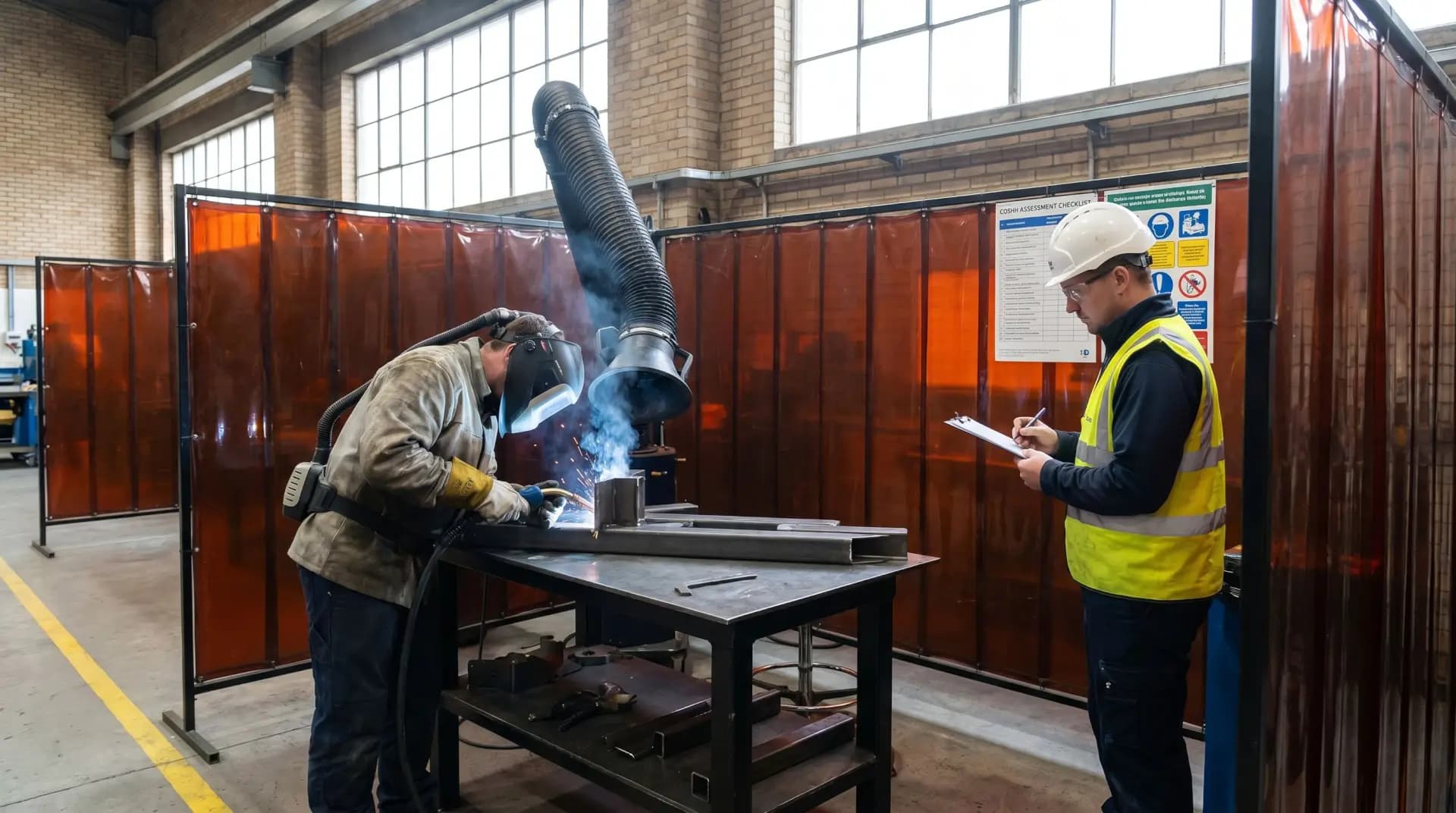
One of the most important safety lessons for new employees is that PPE is only one layer of protection. According to NIOSH guidance, the preferred order of hazard control starts with elimination and substitution, then engineering controls, administrative controls, and finally PPE. That means the safest workplace is not the one with the most gloves and helmets. It is the one that removes or reduces the hazard at the source whenever possible.
In practical terms, a new employee should understand the difference:
Best control: the hazard is removed, isolated, enclosed, substituted, or engineered out
Supporting control: the work is organized with procedures, permits, supervision, and training
Last-line control: PPE reduces exposure but does not remove the hazard
This matters because new employees sometimes assume, “I am wearing PPE, so the task must be safe.” That is a dangerous misunderstanding. PPE helps, but it does not make a poor system acceptable.
Ask before acting when the job changes
Many workplace incidents happen during non-routine moments: a jam, a spill, a blocked access route, a rushed request, a tool substitution, or a task that “will only take a minute.” New employees are particularly vulnerable in these moments because they may feel pressure to prove themselves. Authoritative guidance is consistent that workers need clear instruction and supervision, especially when they are new, changing roles, or facing unfamiliar risks.
The safest response to change is not hesitation. It is escalation.
A new employee should stop and ask when:
The task was not covered in induction or training
A control is missing, damaged, or unavailable
The equipment looks different from what they were shown
The area is crowded, unstable, poorly lit, or contaminated
They are being asked to improvise
They do not understand the instruction fully
Something feels rushed, unusual, or inconsistent with procedure
I always tell new starters that asking a basic question is a sign of competence, not weakness. Silence is what turns uncertainty into incidents.
Know your rights, responsibilities, and reporting route
Safety is strongest when new employees understand both sides of the system. Employers are expected to provide a workplace free of recognized serious hazards, with safe equipment, training, and appropriate information. Workers also have the right to raise concerns and report hazards. In the United States, OSHA states that workers can speak up about safety concerns without retaliation.
For the employee, that creates practical responsibilities:
Follow training and site rules
Use equipment and PPE properly
Do not remove guards or defeat safety devices
Report unsafe conditions, near misses, and injuries promptly
Stay within the scope of your training and authorization
Protect co-workers as well as yourself
Trust check for new employees
If you are new and unsure whether a situation is acceptable, use this quick test:
Was I trained for this task?
Do I understand the hazard and the control?
Do I have the correct equipment and permission?
Do I know what to do if something goes wrong?
Would I be comfortable explaining this method during a safety review?
If the answer is no to any of these, stop and get clarification.
Treat emergency readiness as part of normal work
Emergency procedures are often presented during induction and then forgotten. That is a mistake. New employees should know alarms, assembly points, spill response expectations, first aid arrangements, and who to contact in an emergency. ILO guidance for new recruits specifically highlights first aid, fire, and evacuation arrangements as part of basic induction training.
In real workplaces, panic is reduced when people already know:
How an alarm sounds
Which exit routes to use
Where to assemble
Who the first aiders are
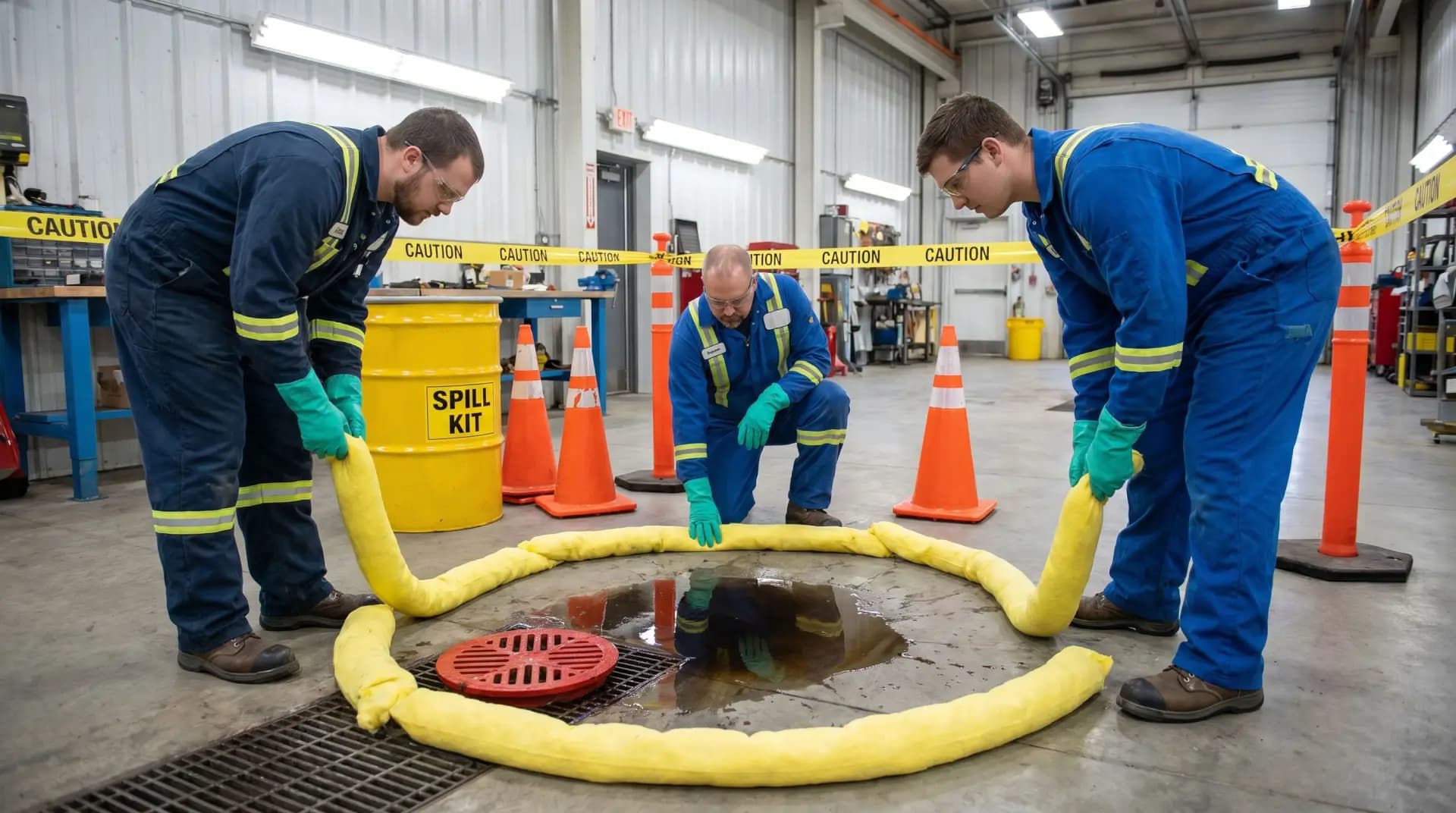
What to do after a spill, exposure, or injury
Which incidents require immediate reporting
The right time to learn emergency actions is before the emergency, not during it.
Build safe habits in the first 30 days
Early habits become normal behavior very quickly. That is why the first month matters so much. I advise new employees to focus on repeatable safety behaviors rather than trying to remember every rule at once.
A practical 30-day safety focus
Time period | Priority behavior | Why it matters |
|---|---|---|
First day | Listen carefully during induction and walk the work area | Builds baseline awareness |
First week | Ask questions before starting unfamiliar tasks | Prevents assumption-based errors |
Second week | Double-check tools, access routes, and PPE before work | Reinforces pre-task discipline |
Third week | Report one hazard, defect, or near miss if you observe it | Builds participation and ownership |
Fourth week | Review what tasks you are authorized to perform independently | Prevents overreach and complacency |
This is also where supervision matters. New workers should not be left to “pick it up as they go” in higher-risk environments. HSE and ILO guidance both emphasize that new and inexperienced workers need sufficient instruction and supervision to avoid putting themselves or others at risk.
Conclusion
The best workplace safety tips for new employees are not complicated, but they are critical. Learn the hazards before starting the task. Take induction seriously. Understand the controls, not just the PPE. Stop when the job changes. Report concerns early. Know emergency actions. Work within your training and authorization. From an HSE standpoint, these are the behaviors that turn a new employee from vulnerable to reliable.
A safe start at work is rarely about confidence alone. It is about clarity, supervision, and disciplined habits. When new employees understand that safety is part of how the job is done, not something added afterward, they are far more likely to work well and go home uninjured.


Responses