

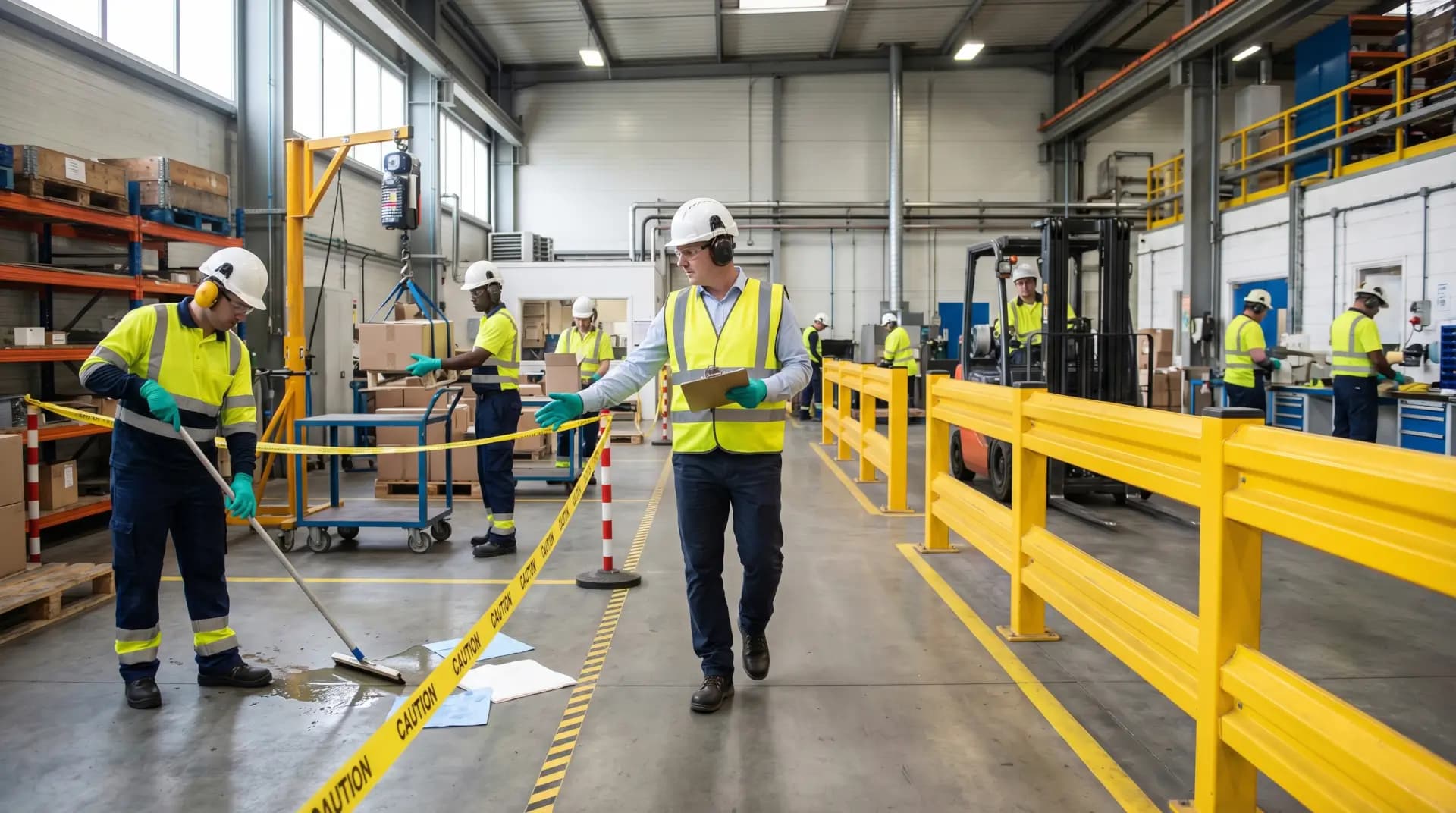
Workplace safety hazards are conditions, behaviors, equipment, substances, or work arrangements that can cause injury, illness, property damage, or operational disruption. The most common hazards include slips and trips, work at height, moving machinery, electrical energy, chemicals, fire, poor ergonomics, manual handling, vehicles, and psychosocial risks such as fatigue and stress.
The practical way to avoid them is not to rely on reminders alone. Hazards must be identified, risk assessed, controlled using the hierarchy of controls, checked through supervision, and reviewed when work conditions change. In my professional view, the safest workplaces are not the ones with the most posters; they are the ones where unsafe conditions are removed before workers have to “be careful.”
1. Slips, Trips, and Falls on the Same Level
Slips, trips, and falls often look simple, but they are among the most persistent workplace hazards because they are created by everyday conditions: wet floors, poor housekeeping, loose cables, uneven surfaces, blocked walkways, bad lighting, and rushed movement.
A small spill near a doorway, a trailing extension lead, or a pallet left in a walkway can quickly become a serious incident. These hazards are especially dangerous because people become used to seeing them and stop treating them as risks.
How to avoid slips, trips, and falls
Hazard Source | Practical Control |
|---|---|
Wet or contaminated floors | Clean immediately, barricade the area, and use warning signs only as a temporary control |
Poor housekeeping | Keep walkways clear, assign storage areas, and inspect high-traffic routes daily |
Uneven flooring | Repair defects, mark temporary changes in level, and improve lighting |
Loose cables and hoses | Use cable covers, overhead routing, or fixed power points |
Poor footwear | Select footwear based on floor type, contamination, and task risk |
A common mistake is treating warning signs as the solution. A sign does not remove the hazard. It only warns people after the hazard already exists.
2. Working at Height
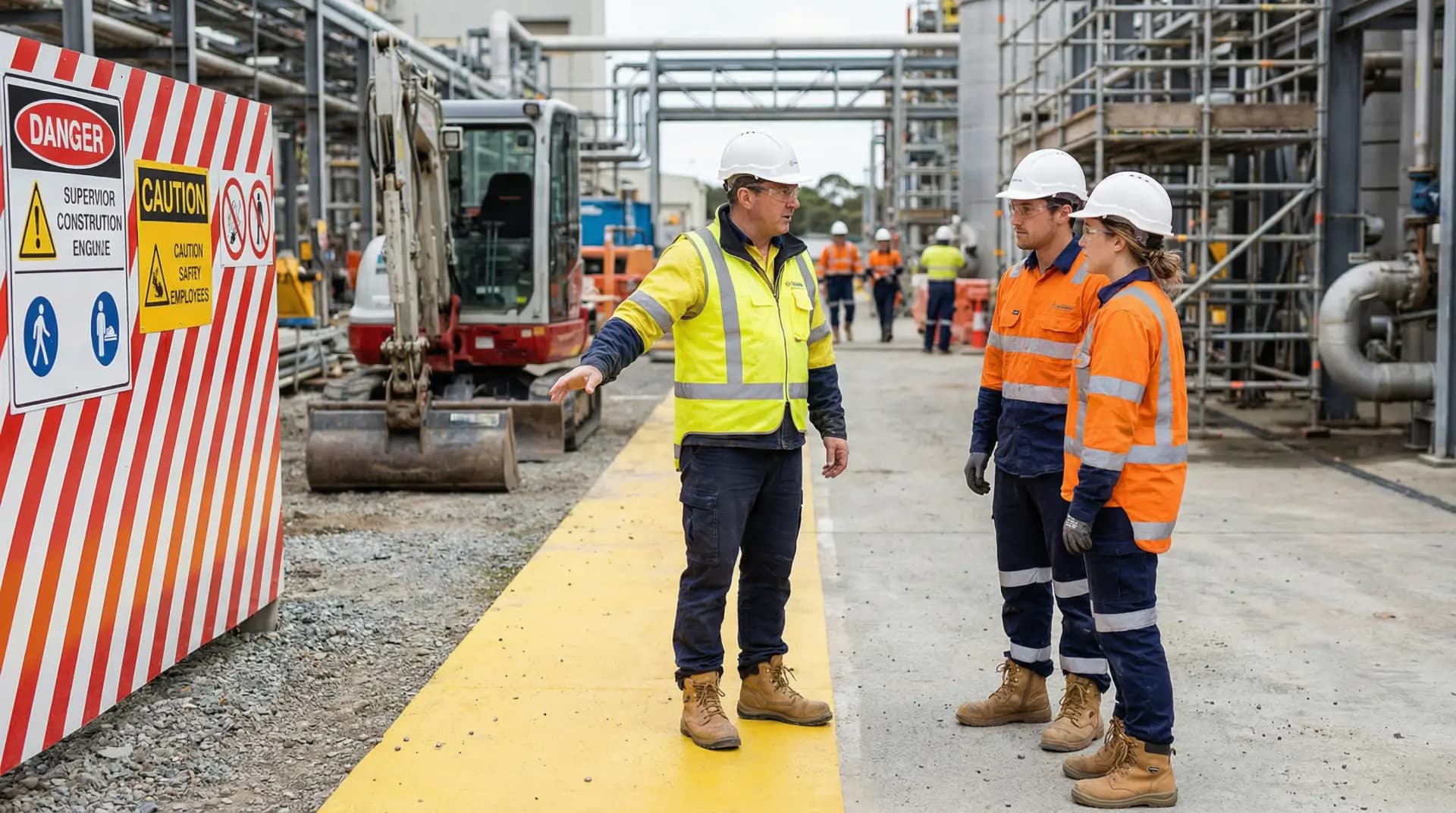
Working at height includes any work where a person could fall and be injured. This may involve ladders, scaffolds, roofs, platforms, mezzanines, loading bays, fragile surfaces, or unprotected edges.
The main risk is not only the height itself. The real danger often comes from poor planning: using the wrong access equipment, overreaching, working near edges, failing to inspect platforms, or carrying tools while climbing.
How to avoid work-at-height incidents
The safest approach is to avoid working at height where possible. If the work cannot be avoided, use proper access equipment and fall prevention controls before relying on fall arrest.
Effective controls include:
Designing work so it can be done from ground level
Using fixed platforms, guardrails, and toe boards
Inspecting ladders, scaffolds, and mobile elevated work platforms before use
Keeping three points of contact when climbing ladders
Securing tools and materials to prevent dropped objects
Using fall arrest systems only when fall prevention is not reasonably practicable
Training workers on equipment limitations and rescue arrangements
A harness without a rescue plan is incomplete control. If fall arrest is used, the site must also be ready to recover the worker safely and quickly.
3. Moving Machinery and Equipment
Machinery hazards include rotating parts, cutting points, crushing zones, nip points, conveyors, presses, rollers, blades, and automated equipment. Injuries usually occur when someone reaches into a danger zone, removes a guard, clears a blockage, performs maintenance without isolation, or stands too close to moving equipment.
Machine guarding is one of the clearest examples of safety by design. If a worker can easily access a dangerous moving part during normal operation, the control is weak.
How to avoid machinery hazards
Use a structured approach:
Identify all moving parts and energy sources.
Fit fixed or interlocked guards where access is not required.
Use emergency stops as backup controls, not primary protection.
Apply lockout/tagout or isolation before maintenance, cleaning, or jam clearing.
Train operators on safe start-up, shut-down, and abnormal conditions.
Keep unauthorized workers away from machinery areas.
Inspect guards and safety devices regularly.
One unsafe habit I often correct is “quick clearing” a jam without isolation. Production pressure can make this feel efficient, but it is one of the fastest ways for a routine task to become a life-changing injury.
4. Electrical Hazards
Electrical hazards include exposed conductors, damaged cables, overloaded sockets, poor grounding, wet conditions near electrical equipment, faulty tools, temporary wiring, arc flash risk, and contact with overhead or underground power lines.
Electrical risks are serious because the hazard is often invisible. A tool can look normal and still be unsafe. A cable can appear minorly damaged but expose a worker to shock, burn, fire, or fatal energy release.
How to avoid electrical hazards
Electrical work should be done only by competent and authorized persons. General workers should be trained to recognize unsafe conditions and report them immediately.
Key controls include:
De-energizing equipment before work begins
Locking and tagging isolated energy sources
Testing for absence of voltage before contact
Using properly rated tools and equipment
Keeping electrical equipment dry and protected
Avoiding overloaded circuits and improvised wiring
Maintaining safe clearance from overhead power lines
Removing damaged plugs, cords, and tools from service
Personal protective equipment is important, but it should never be used to justify working live unless the task has been properly assessed, authorized, and controlled.
5. Hazardous Substances and Chemical Exposure
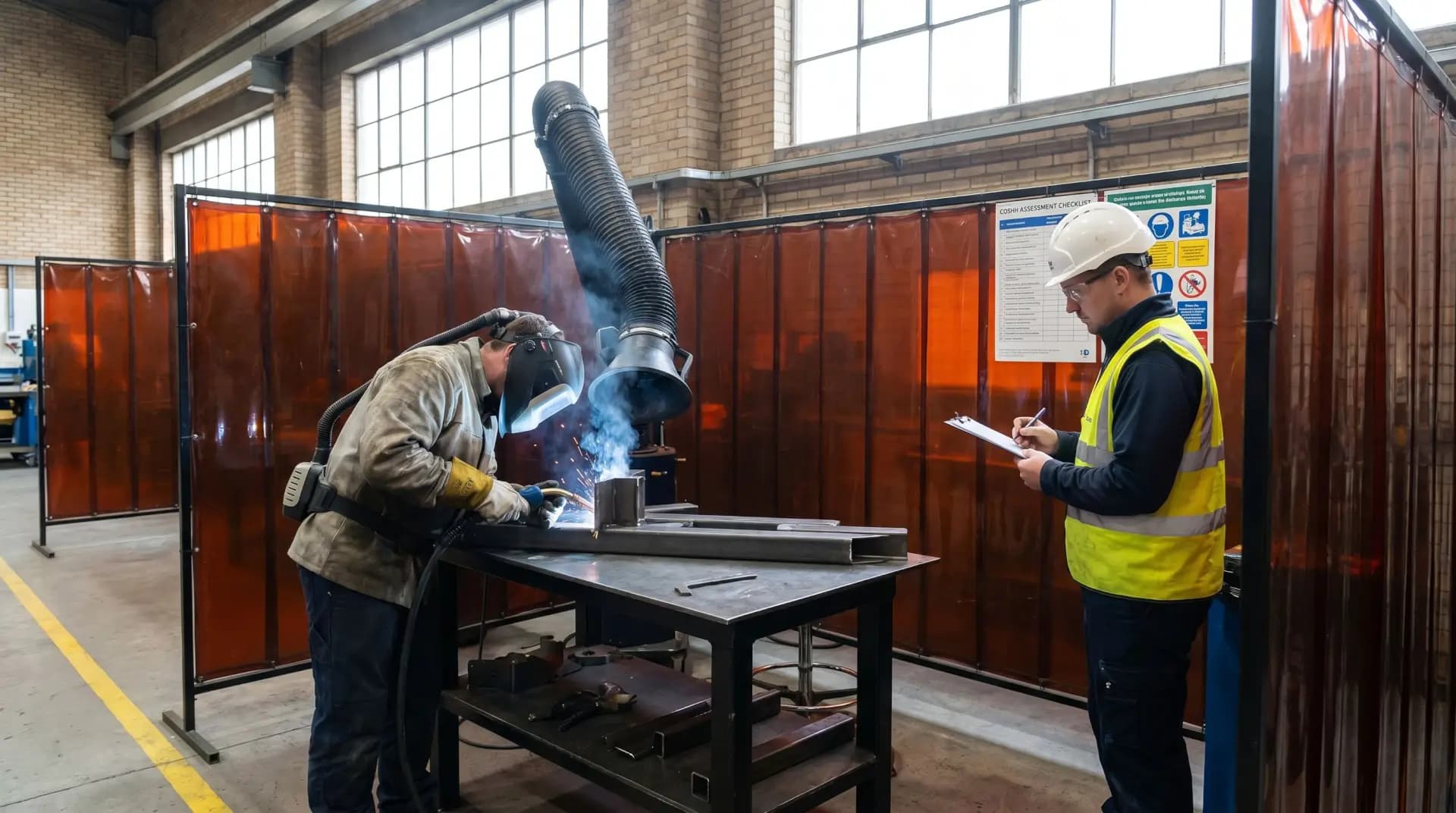
Chemical hazards can come from cleaning agents, solvents, fuels, paints, adhesives, gases, dusts, fumes, vapors, acids, corrosives, pesticides, and process chemicals. Exposure may happen through inhalation, skin contact, eye contact, ingestion, or injection through high-pressure equipment.
The label on a container is only the starting point. Real risk depends on how the chemical is used, the quantity, ventilation, temperature, duration of exposure, worker health factors, and whether incompatible substances are stored together.
How to avoid chemical hazards
A strong chemical safety system includes:
Maintaining an updated chemical inventory
Reviewing safety data sheets before use
Substituting hazardous chemicals with safer alternatives where possible
Providing local exhaust ventilation or general ventilation
Segregating incompatible chemicals
Labelling all containers clearly, including secondary containers
Providing correct gloves, goggles, face protection, aprons, or respiratory protection
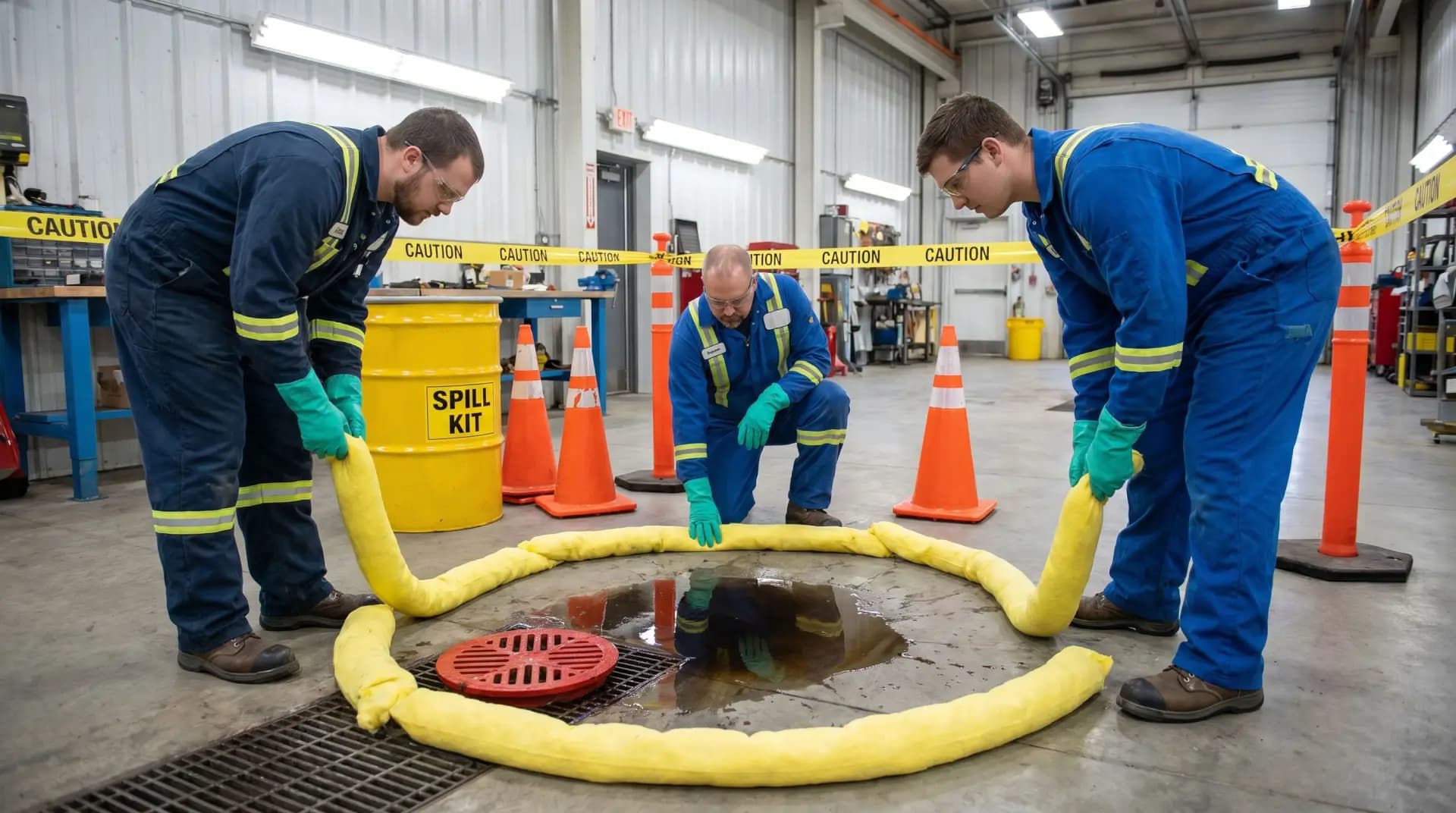
Training workers on spill response and emergency procedures
Providing eyewash and safety shower facilities where required
The biggest misconception is that gloves alone control chemical risk. Gloves must match the chemical, concentration, contact time, and task. The wrong glove can give a false sense of protection.
6. Fire and Explosion Hazards
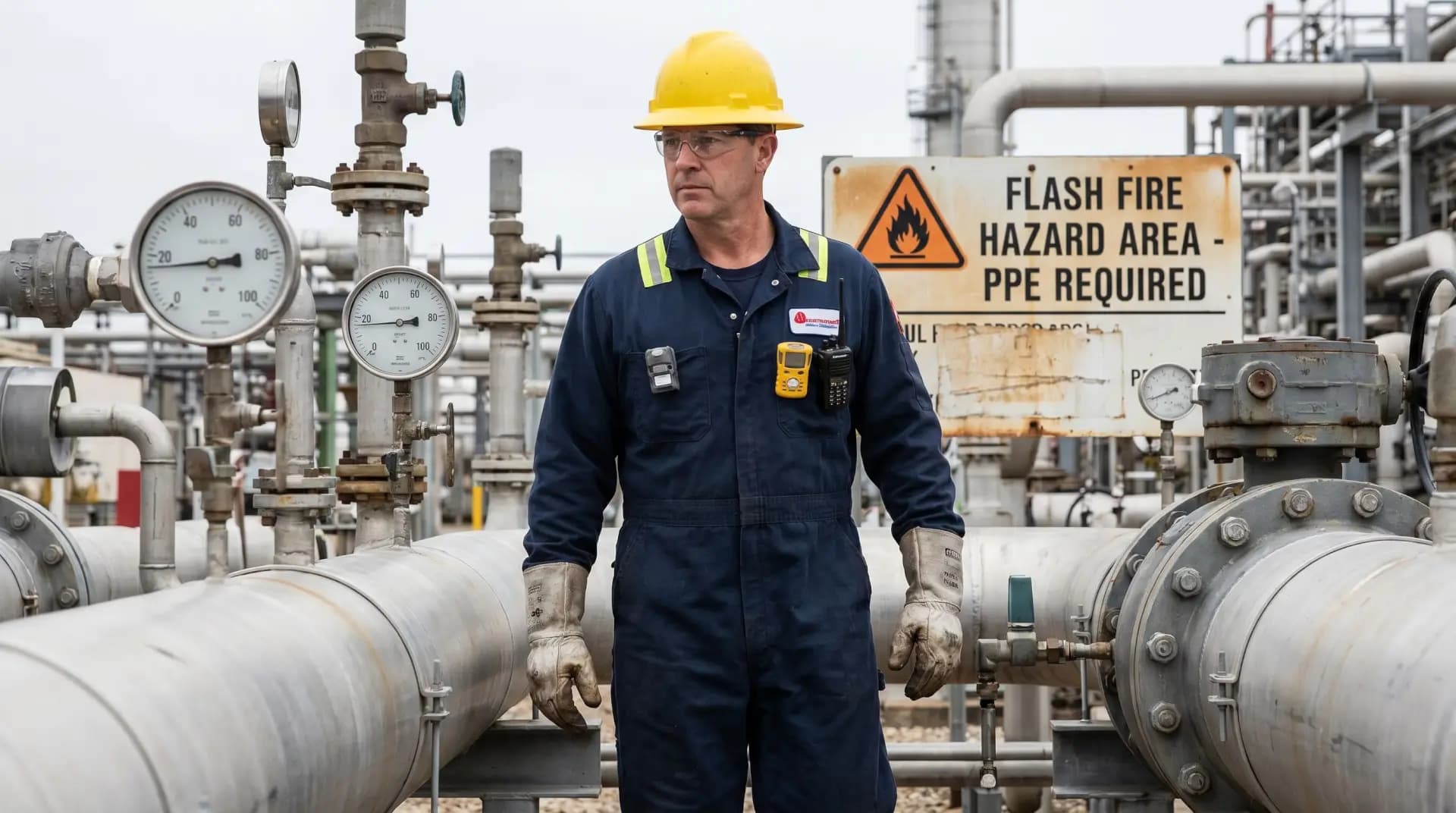
Fire hazards exist wherever fuel, oxygen, and ignition sources can combine. Common workplace examples include flammable liquids, combustible dust, gas cylinders, hot work, overloaded electrical systems, poor storage, blocked exits, and inadequate waste control.
Explosion risk may also exist in areas where vapors, gases, or fine dusts can accumulate. These risks require more than a fire extinguisher on the wall; they require prevention, detection, emergency planning, and disciplined control of ignition sources.
How to avoid fire and explosion hazards
Use these controls as a minimum framework:
Store flammable materials in approved containers and cabinets
Keep ignition sources away from flammable atmospheres
Control hot work through permits, fire watch, and gas testing where needed
Maintain electrical systems and avoid overloading circuits
Remove combustible waste regularly
Keep emergency exits, fire doors, and access routes clear
Inspect extinguishers, alarms, sprinklers, and emergency lighting
Train workers on evacuation routes and alarm response
Control smoking areas and charging areas for batteries
A fire drill is not just a compliance activity. It tests whether people know what to do when visibility, noise, stress, and confusion are present.
7. Manual Handling and Ergonomic Hazards
Manual handling hazards include lifting, lowering, pushing, pulling, carrying, holding, and repetitive movement. Ergonomic hazards include awkward posture, forceful exertion, vibration, poor workstation layout, prolonged standing, poorly designed tools, and repetitive tasks.
These hazards often build slowly. A worker may not report discomfort early because the task feels normal. By the time pain becomes visible, the exposure may already have been present for weeks, months, or years.
How to avoid manual handling and ergonomic injuries
The best control is to redesign the task, not simply tell workers to lift correctly.
Practical controls include:
Eliminating unnecessary manual lifting
Using mechanical aids such as trolleys, hoists, conveyors, and lift tables
Reducing load weight, size, or carrying distance
Storing heavy items between knee and shoulder height
Designing workstations to reduce twisting, bending, and overreaching
Rotating tasks where repetition cannot be eliminated
Providing adjustable chairs, benches, screens, and tools
Encouraging early reporting of discomfort
Training matters, but training cannot overcome a badly designed job. If a task repeatedly causes strain, the task needs redesign.
8. Workplace Transport and Vehicle Movement
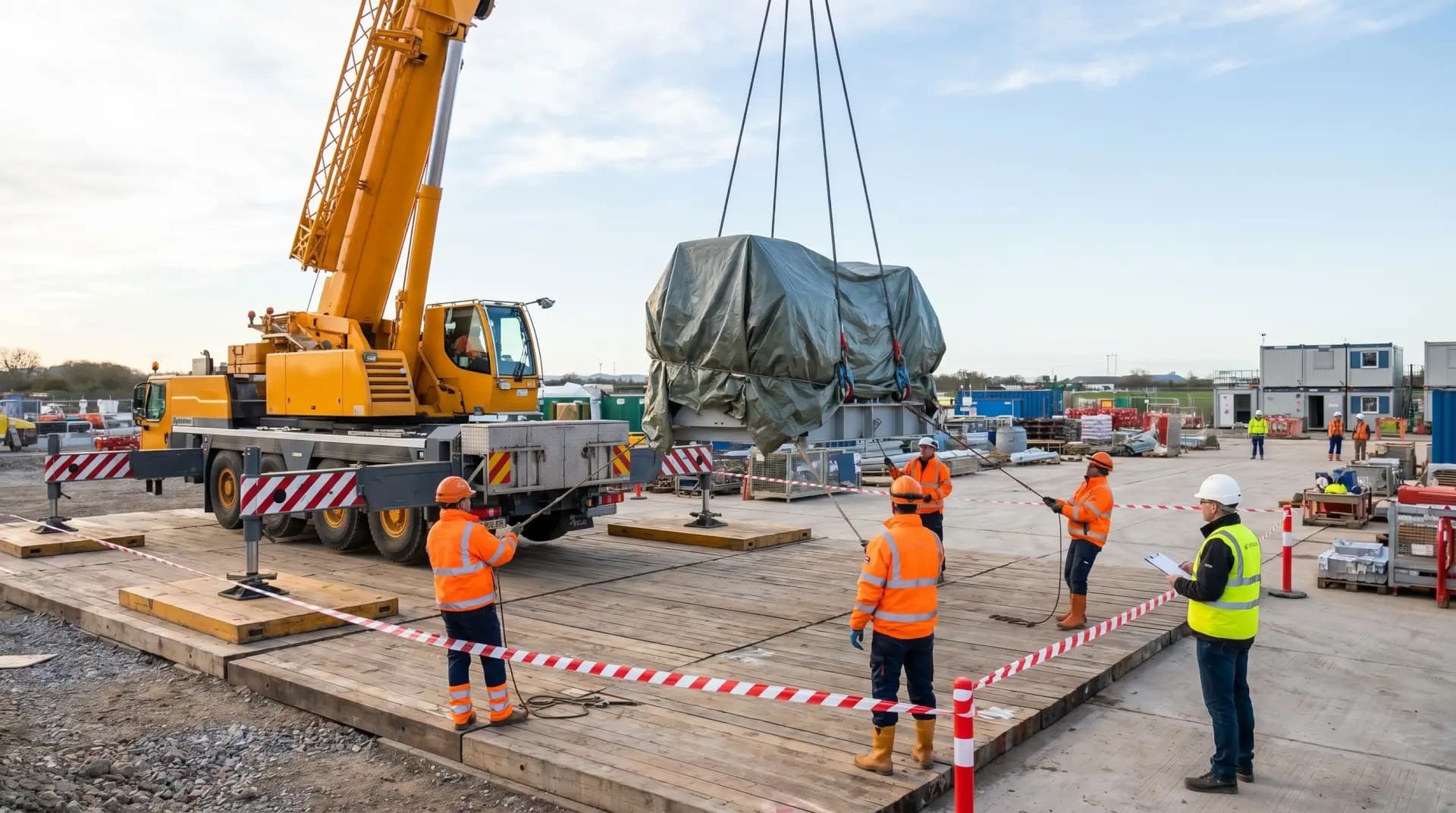
Workplace transport hazards include forklifts, trucks, vans, mobile equipment, reversing vehicles, loading docks, blind spots, pedestrian interaction, unstable loads, and poor traffic routes.
Vehicle-related incidents are often severe because they involve mass, speed, visibility limits, and human error. The safest sites physically separate people from vehicles wherever possible.
How to avoid workplace transport incidents
Strong transport safety depends on layout, rules, competence, and supervision.
Essential controls include:
Separating pedestrians and vehicles with barriers or marked walkways
Designing one-way systems where possible
Managing reversing through exclusion zones, banksmen, cameras, or sensors
Setting and enforcing site speed limits
Keeping loading and unloading areas controlled
Securing loads before movement
Inspecting vehicles and mobile equipment before use
Authorizing only trained operators
Controlling visitor and contractor vehicle movement
High-visibility clothing helps drivers see pedestrians, but it does not replace traffic segregation. A person should not have to rely on being noticed by a moving vehicle.
9. Noise, Vibration, Heat, and Physical Environment Hazards
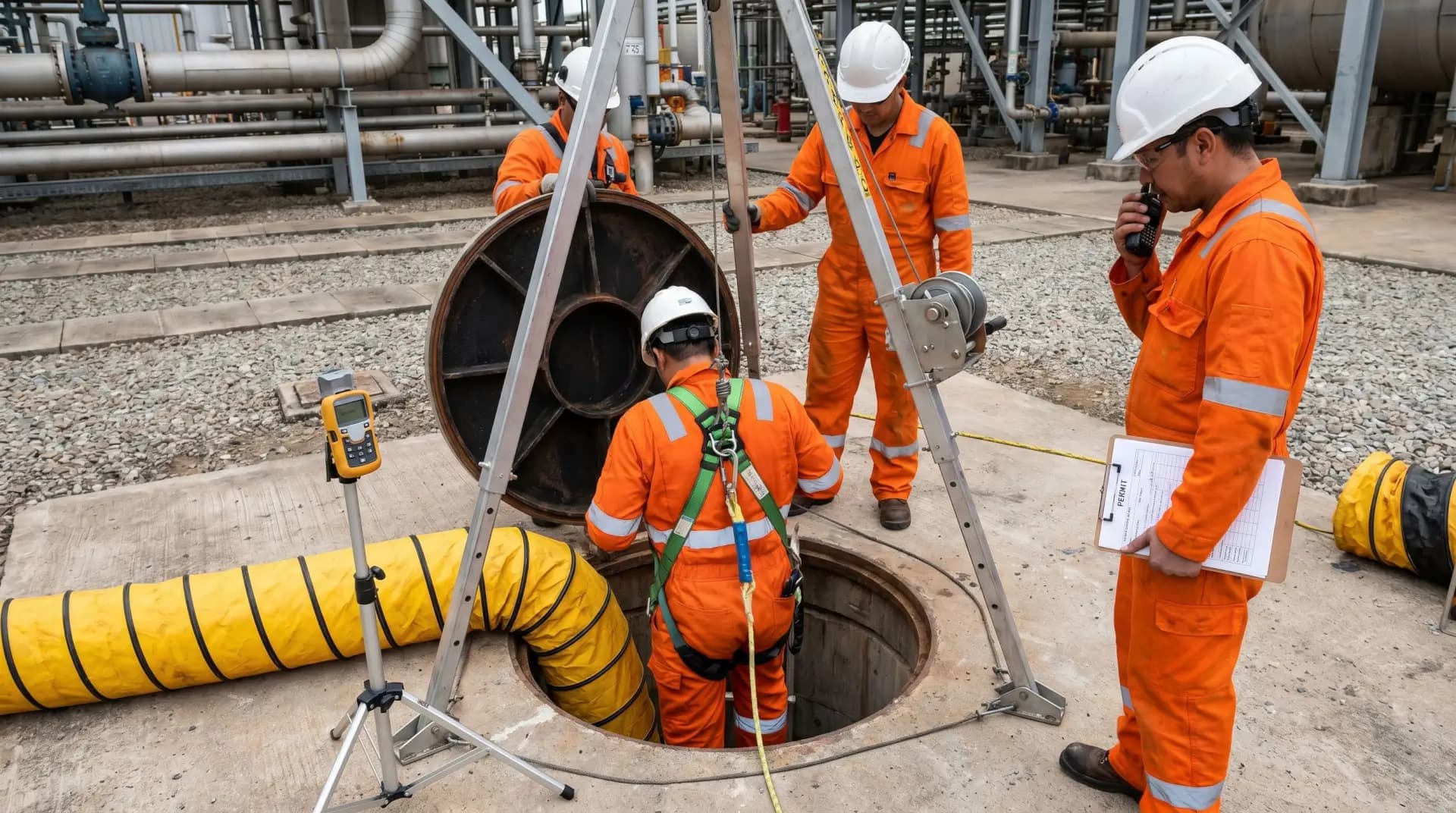
Physical environment hazards include excessive noise, hand-arm vibration, whole-body vibration, heat stress, cold stress, poor lighting, radiation, poor ventilation, and confined or restricted spaces.
These hazards are sometimes underestimated because they do not always cause immediate injury. Noise-induced hearing loss, vibration-related disorders, heat illness, and respiratory problems may develop over time or escalate quickly under the wrong conditions.
How to avoid physical environment hazards
Controls should be based on exposure assessment, not guesswork.
Useful controls include:
Measuring noise, vibration, heat, and air quality where risk is suspected
Selecting quieter tools and equipment
Isolating noisy machinery
Limiting exposure duration through job rotation
Maintaining tools to reduce vibration
Providing shaded rest areas, drinking water, and heat stress monitoring
Improving lighting in work areas, walkways, and emergency routes
Ventilating enclosed spaces
Using suitable hearing protection, cooling equipment, or respiratory protection where higher-level controls do not fully remove risk
For heat-related work, I prefer to look beyond temperature alone. Workload, humidity, clothing, radiant heat, acclimatization, hydration, and worker health all influence risk.
10. Psychosocial Hazards: Stress, Fatigue, Violence, and Poor Work Design
Psychosocial hazards are conditions that can harm mental health, decision-making, attention, and overall safety performance. These may include excessive workload, long shifts, fatigue, bullying, harassment, unclear roles, poor supervision, violence from the public, isolation, and lack of control over work.
These risks are not “soft issues.” Fatigue and stress can affect reaction time, communication, hazard perception, and error rates. In high-risk work, this can influence both health and physical safety outcomes.
How to avoid psychosocial hazards
A practical psychosocial risk control plan should include:
Reviewing workload, staffing levels, shift patterns, and overtime
Managing fatigue in driving, night work, emergency response, and critical operations
Setting clear reporting routes for bullying, harassment, and violence
Training supervisors to recognize early warning signs
Designing jobs with realistic expectations and clear responsibilities
Encouraging reporting without blame
Providing support after traumatic or aggressive incidents
Investigating organizational causes, not just individual behavior
A common error is treating stress only as an individual resilience issue. Resilience helps, but poor job design still needs correction.
How to Control Workplace Hazards Properly
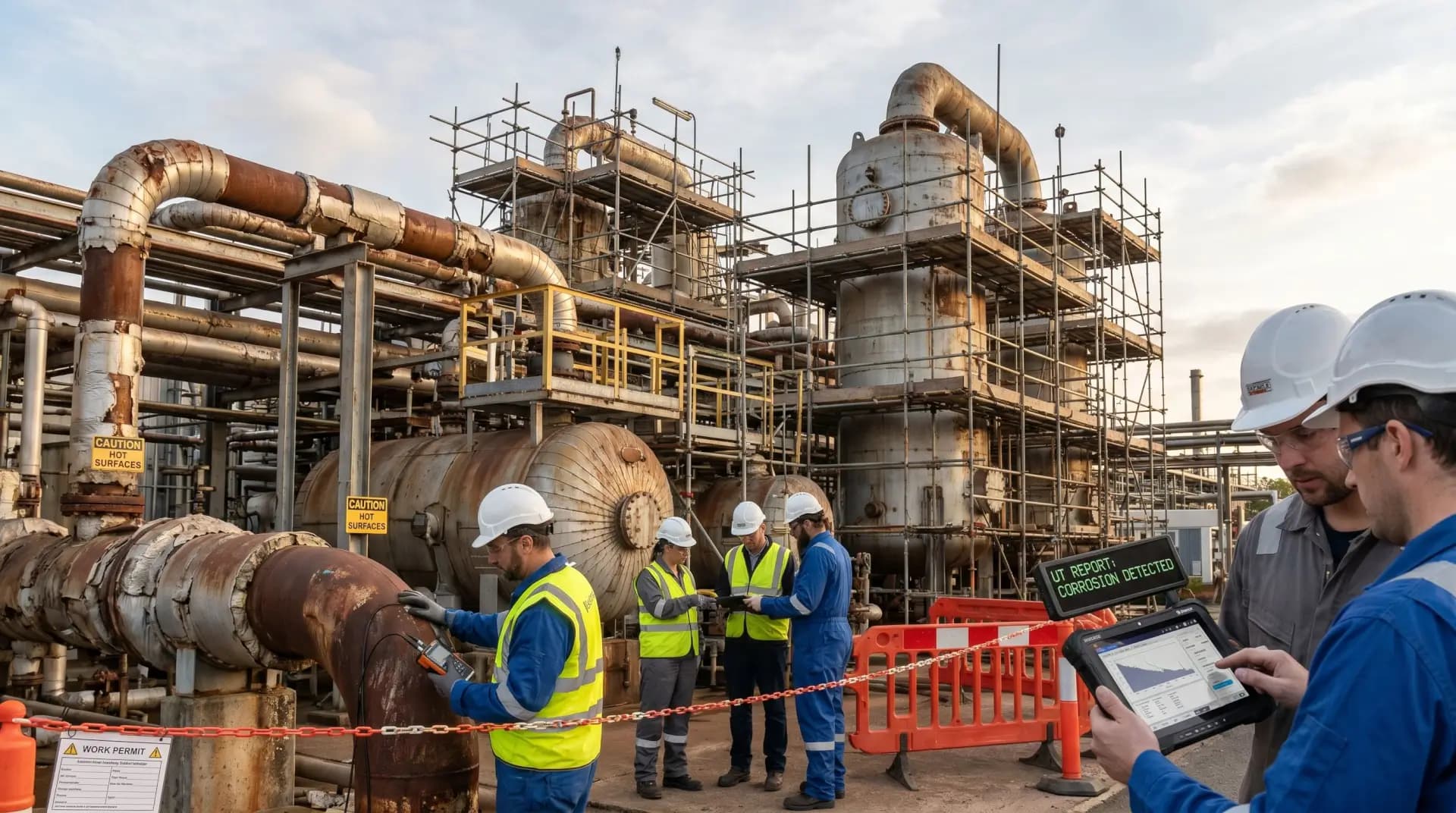
The top 10 workplace safety hazards are different in appearance, but the control method is the same: identify, assess, control, communicate, monitor, and improve.
The hierarchy of controls should guide every decision:
Control Level | Meaning | Example |
|---|---|---|
Elimination | Remove the hazard completely | Do the task from ground level instead of working at height |
Substitution | Replace with something safer | Use a less hazardous chemical |
Engineering controls | Isolate people from the hazard | Install machine guarding or local exhaust ventilation |
Administrative controls | Change how work is organized | Permits, training, procedures, supervision, job rotation |
PPE | Protect the worker | Gloves, goggles, respirators, helmets, hearing protection |
PPE has its place, but it is the last line of defense. If a workplace depends mainly on PPE and worker caution, the risk control system is weak.
Professional Safety Note
This article provides general HSE guidance and does not replace a site-specific risk assessment, competent professional advice, or legal compliance review. Safety requirements vary by jurisdiction, industry, task, and exposure level. Employers should consult applicable local regulations, recognized standards, manufacturer instructions, and competent HSE professionals before finalizing controls.
Conclusion
Workplace safety hazards cannot be controlled by slogans, reminders, or paperwork alone. They are controlled when leaders and workers recognize real conditions, remove hazards where possible, and apply practical controls before someone is exposed.
The top 10 workplace safety hazards—slips and trips, work at height, machinery, electricity, chemicals, fire, manual handling, vehicles, physical environment risks, and psychosocial hazards—cover many of the risks found in modern workplaces. The exact priority will differ by industry, but the principle remains the same: design the work so people do not have to depend on luck, memory, or quick reactions to stay safe.
A safe workplace is built through daily discipline. Clear walkways, guarded machines, isolated energy, labelled chemicals, planned lifting, controlled traffic, managed fatigue, and competent supervision may look ordinary, but they are the controls that prevent serious harm.

Responses