

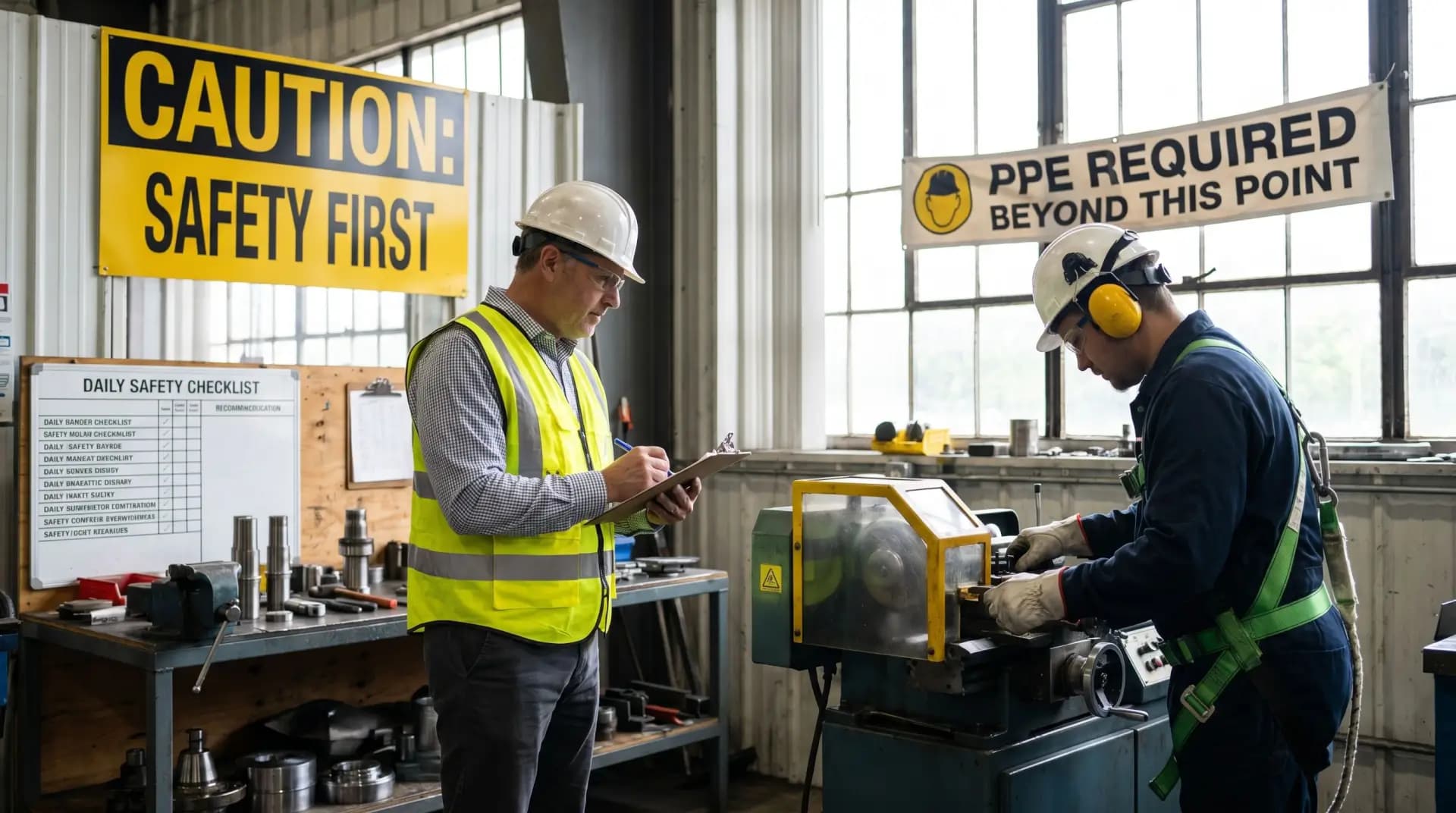
Behavioral safety is a structured approach to improving workplace safety by focusing on what people do—specifically, how workers behave in relation to hazards, procedures, and controls. It works by identifying critical behaviors, observing them in real work conditions, and reinforcing safe actions while correcting unsafe ones through feedback and system improvements. The core idea is simple: most incidents are influenced by human behavior, and when behaviors are understood and shaped correctly, risk exposure reduces significantly.
Understanding Behavioral Safety in Practice
Behavioral safety is not about blaming individuals. It is about recognizing patterns in human actions and understanding why those actions occur. In my professional practice, I treat behavior as an outcome of three interacting elements:
Environment (tools, layout, noise, time pressure)
Systems (procedures, supervision, training quality)
Individual factors (skills, perception, habits)
When unsafe behavior appears repeatedly, it is rarely just a “people issue.” It is usually a signal that something upstream is influencing decisions on the ground.
The Core Principles Behind Behavioral Safety
A behavioral safety system typically operates on a few foundational principles:
1. Behavior Is Observable and Measurable
You cannot manage what you cannot see. Behavioral safety focuses on observable actions such as:
Wearing PPE correctly
Following lockout procedures
Maintaining safe body positioning
These are defined clearly so they can be monitored consistently.
2. Behavior Is Influenced by Consequences
Workers tend to repeat behaviors that are reinforced positively or that make their job easier. For example:
If shortcuts save time and are not challenged, they become routine
If safe behavior is recognized, it becomes habitual
3. Feedback Drives Improvement
Immediate, constructive feedback is one of the most effective tools. It closes the gap between what is expected and what actually happens.
4. Focus on Systems, Not Just Individuals
If multiple workers repeat the same unsafe act, the issue is systemic—not personal.
How Behavioral Safety Works: Step-by-Step
Step 1: Identify Critical Behaviors
The process begins by selecting behaviors that have a direct impact on high-risk activities. These are usually linked to:
Past incident trends
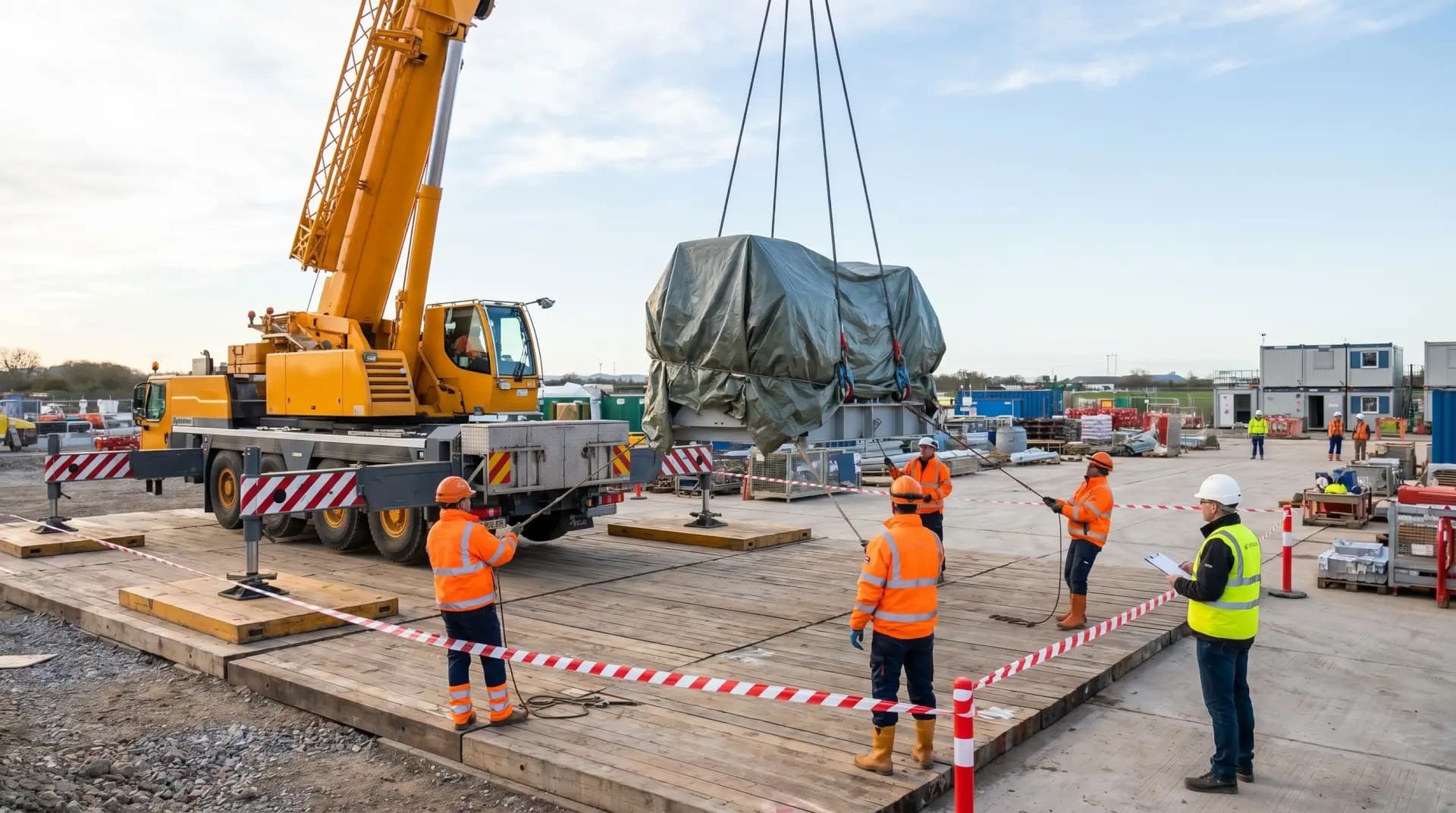
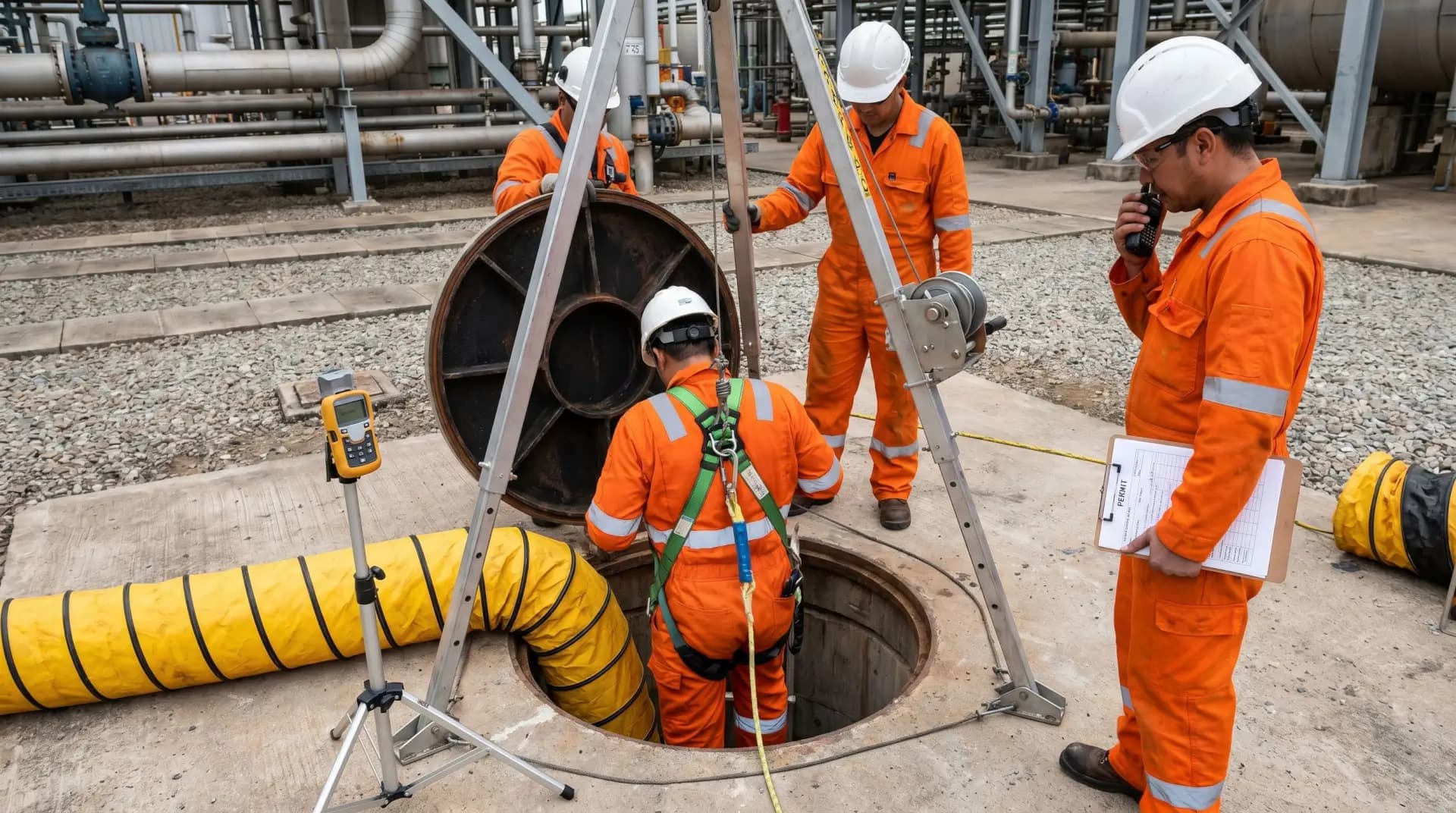
High-risk tasks (working at height, confined space, lifting operations)
Regulatory focus areas
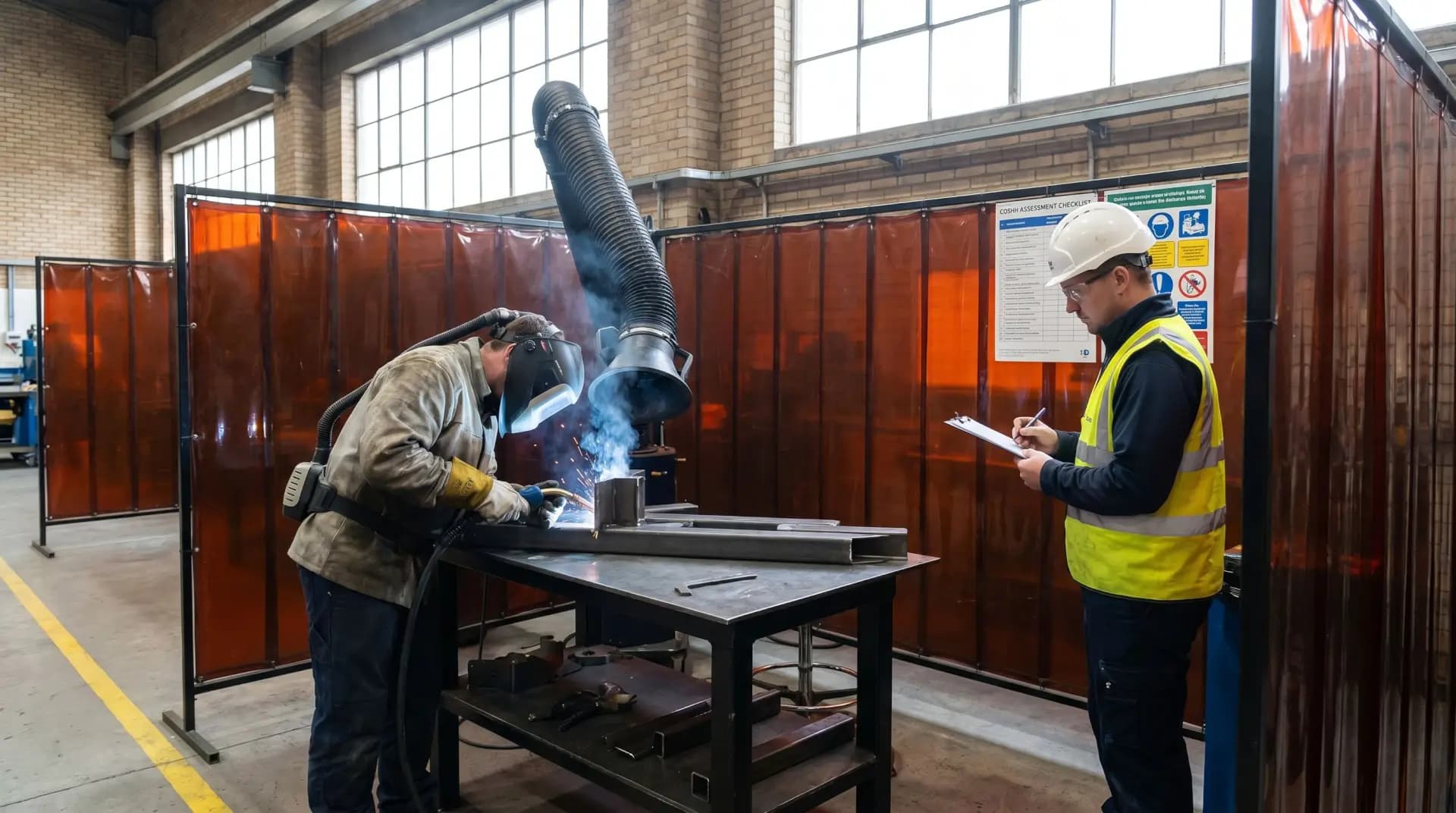
Step 2: Develop Observation Checklists
Simple checklists are created to track safe and unsafe behaviors. These are not inspection tools—they are observation tools.
Step 3: Conduct Workplace Observations
Supervisors or trained observers watch tasks in real-time without interfering unnecessarily. The goal is to understand behavior in its natural setting.
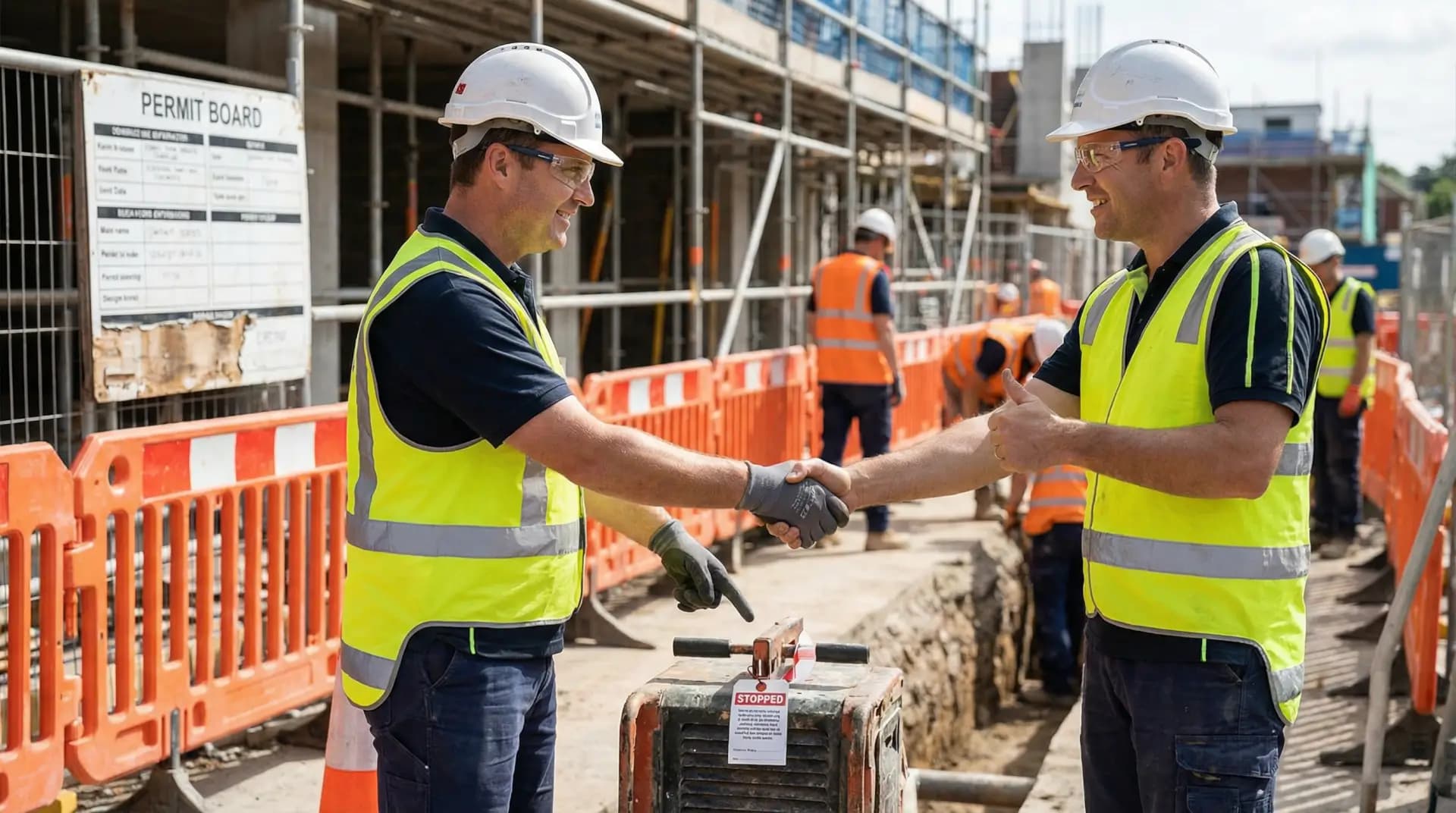
Step 4: Provide Immediate Feedback
Feedback is given on the spot:
Reinforce safe actions
Discuss unsafe behaviors calmly
Understand why the behavior occurred
This step is where most of the value is created.
Step 5: Analyze Trends
Data from observations is compiled to identify:
Repeated unsafe behaviors
Areas where controls are ineffective
Gaps in training or supervision
Step 6: Implement Improvements
Actions may include:
Adjusting procedures
Improving tools or equipment
Enhancing training programs
Addressing workload or time pressure
Behavioral Safety vs Traditional Safety Approaches
Traditional safety systems often focus heavily on rules, procedures, and incident investigation. Behavioral safety complements this by addressing the human side of risk.
Traditional Safety | Behavioral Safety |
|---|---|
Focus on rules and compliance | Focus on actions and habits |
Reactive (after incidents) | Proactive (before incidents) |
Enforcement-driven | Engagement-driven |
Audit-based | Observation-based |
In my experience, relying only on compliance creates a false sense of control. Behavioral safety adds the missing layer—how work is actually performed.
Common Misconceptions About Behavioral Safety
“It Blames Workers”
A properly implemented behavioral safety system does the opposite. It highlights system weaknesses that influence behavior.
“It Replaces Engineering Controls”
It does not. Engineering and administrative controls remain primary. Behavioral safety strengthens their effectiveness.
“It’s Just Observation and Reporting”
Observation without feedback and corrective action is ineffective. The system only works when insights lead to change.
Where Behavioral Safety Fails
I have seen behavioral safety programs fail when:
Observations become tick-box exercises
Feedback is delayed or ignored
Management does not act on findings
Workers do not trust the process
Behavioral safety requires credibility. If workers feel they are being watched but not supported, the system collapses.
Practical Benefits of Behavioral Safety
When applied correctly, behavioral safety leads to:
Reduction in at-risk behaviors
Improved hazard awareness
Stronger safety culture
Increased worker engagement
Better communication between teams and supervisors
The most noticeable shift is cultural—people begin to look out for each other rather than just follow rules.
Conclusion
Behavioral safety works because it addresses the reality of how work is performed, not just how it is supposed to be performed. By focusing on observable actions, understanding the reasons behind them, and reinforcing safe practices through feedback and system improvements, organizations can significantly reduce risk exposure.
In professional practice, I consider behavioral safety a bridge—connecting formal safety systems with real human behavior on the ground. Without that bridge, even the best procedures remain theoretical.


Responses