

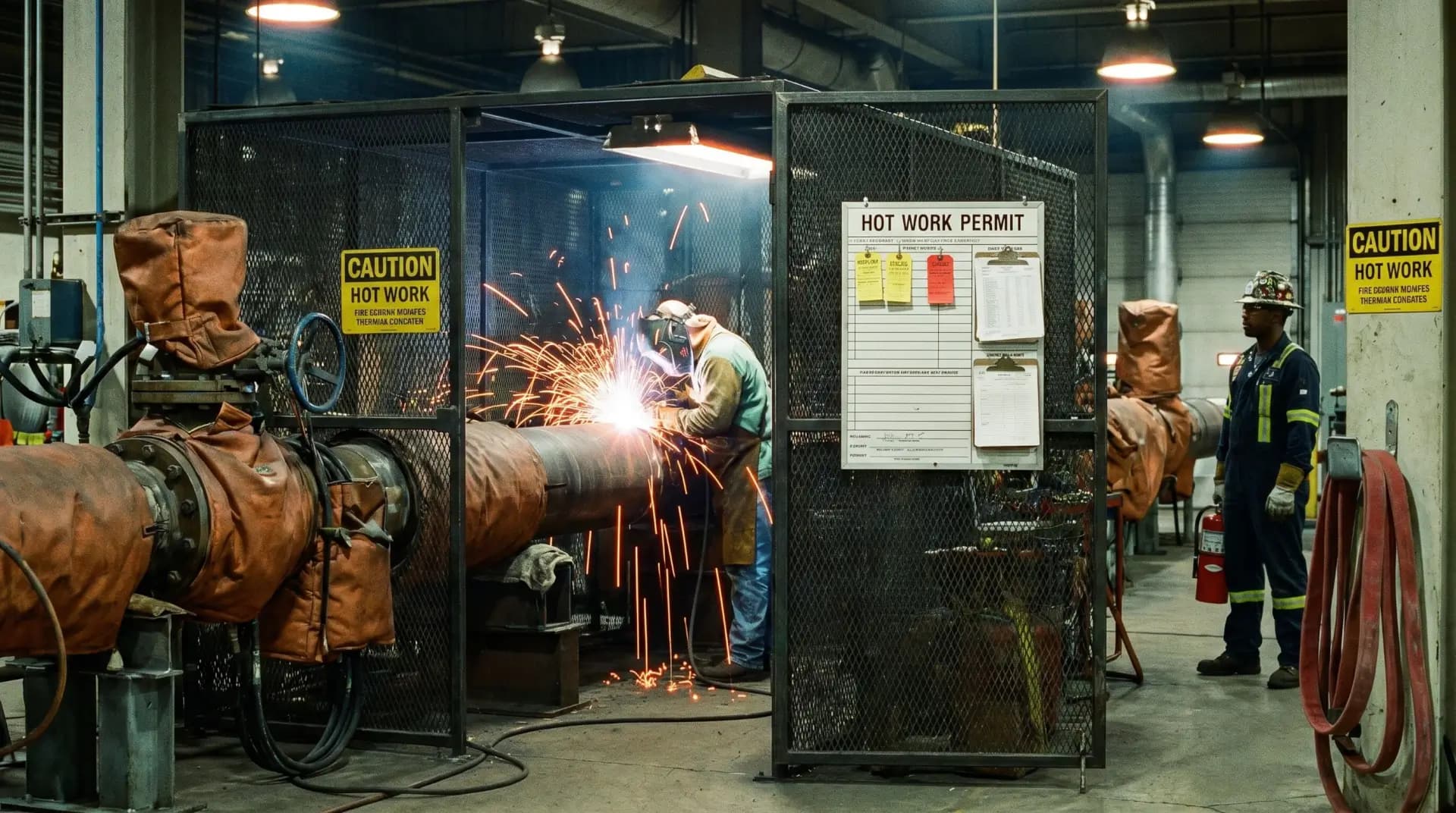
Working with welding operations near flammable materials is inherently high-risk because it combines ignition sources with fuel and, often, oxygen-rich environments. The safe approach is not simply to “be careful” but to systematically eliminate or control at least one side of the fire triangle—heat, fuel, or oxygen. In practice, this means removing combustible materials where possible, isolating the work area, controlling sparks and heat transfer, and implementing strict permit-to-work systems.
Understanding the Risk: Why Welding Becomes Dangerous
Welding, cutting, and grinding generate intense heat, sparks, molten metal, and sometimes slag projection. These can travel several meters and ignite materials that may not appear immediately hazardous.
Common ignition pathways include:
Direct contact of sparks with flammable solids
Heat conduction through metal surfaces to hidden combustibles
Accumulation of flammable vapors in confined or poorly ventilated spaces
Smoldering fires that ignite minutes or hours after work is completed
In my professional assessment, the most underestimated hazard is delayed ignition—fires that start after the job is signed off.
Identifying Flammable Materials in the Work Zone
Before welding begins, a structured hazard identification process is essential. Flammable materials are not limited to obvious items like fuel cans.
Typical Materials at Risk
Liquids: fuels, solvents, paints, thinners
Solids: wood, paper, insulation, packaging
Gases: LPG, acetylene, hydrogen
Dusts: fine organic or metallic dust particles
Even structural elements such as insulated panels or coated surfaces can become fuel sources under high heat.
Safe Distance and Isolation Requirements
A widely accepted safe practice is maintaining a minimum clearance between welding operations and flammable materials. However, distance alone is not always sufficient.
Practical Controls
Remove combustible materials within at least a 10-meter radius where feasible
Use fire-resistant blankets or welding curtains when removal is not possible
Seal floor and wall openings to prevent spark travel
Isolate adjacent areas where sparks may penetrate
From field experience, physical barriers are often more reliable than distance alone, especially in congested work environments.
Hot Work Permit System: Non-Negotiable Control
No welding near flammable materials should occur without a properly issued hot work permit. This is not a paperwork exercise—it is a control system.
Key Elements of an Effective Permit
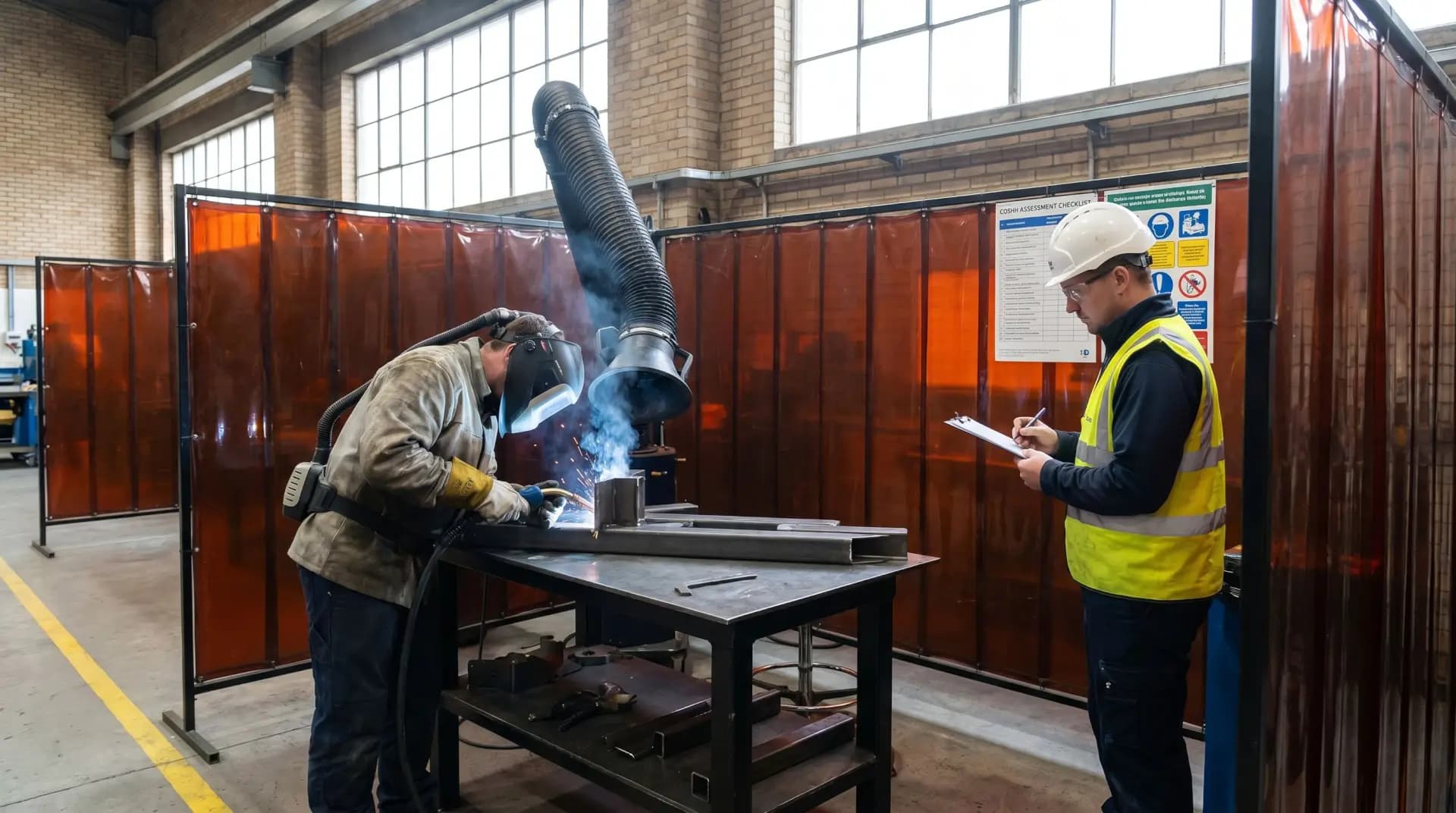
Pre-job inspection confirming removal or protection of combustibles
Gas testing where flammable vapors may be present
Fire watch assignment during and after the job
Defined validity period and area limitations
In regulated environments, failure to implement a permit system is one of the most cited compliance violations.
Fire Watch and Post-Work Monitoring
One of the most critical controls is often the first to be neglected under time pressure.
Fire Watch Responsibilities
Continuous monitoring during welding operations
Immediate access to firefighting equipment
Remaining on-site after completion (commonly 30–60 minutes or longer depending on risk)
Checking adjacent and hidden areas for heat transfer
In higher-risk environments, thermal imaging or extended monitoring may be justified.
Ventilation and Gas Control
When flammable vapors or gases are present, welding can trigger explosions rather than simple fires.
Control Measures
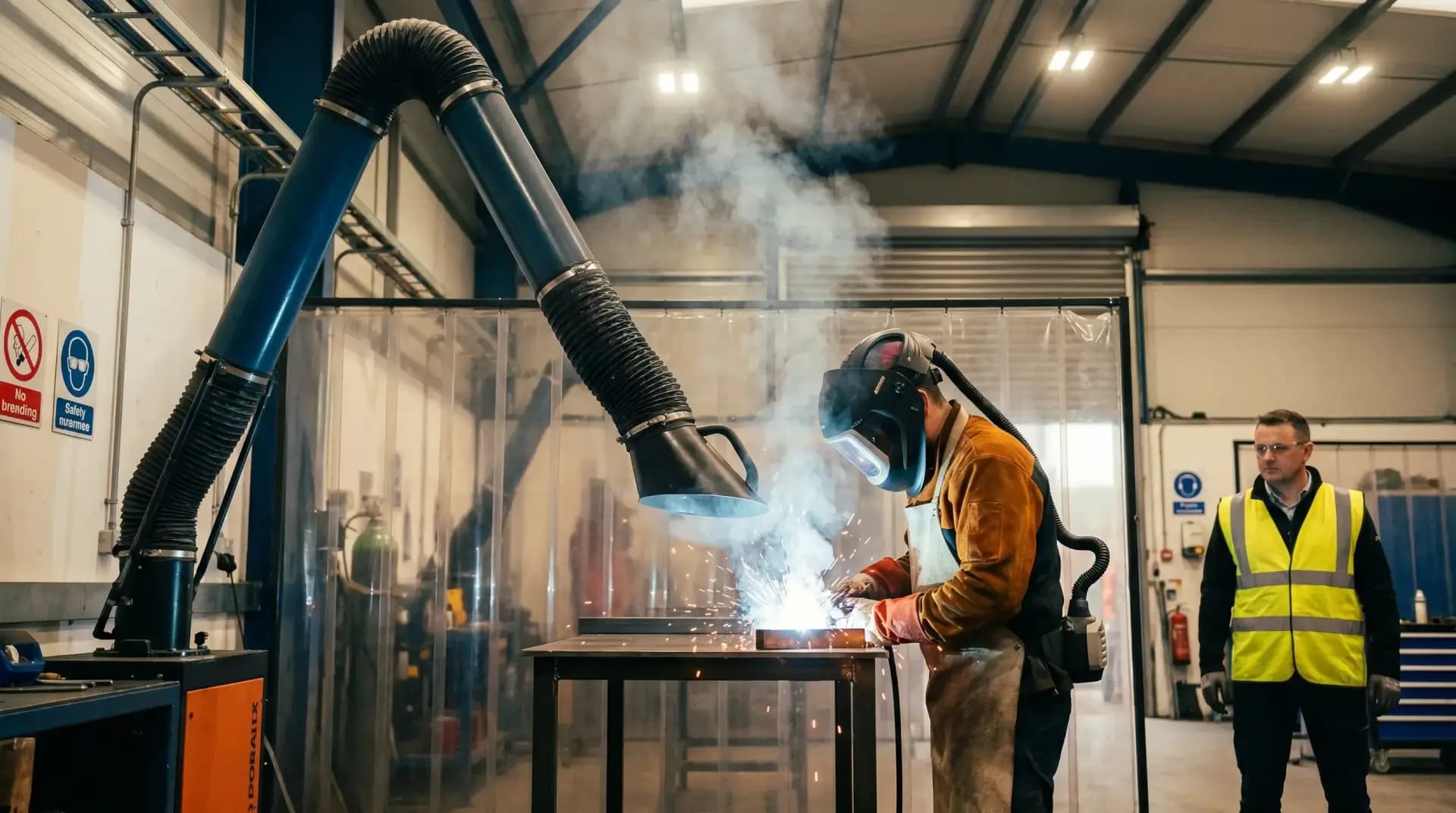
Ensure adequate natural or mechanical ventilation
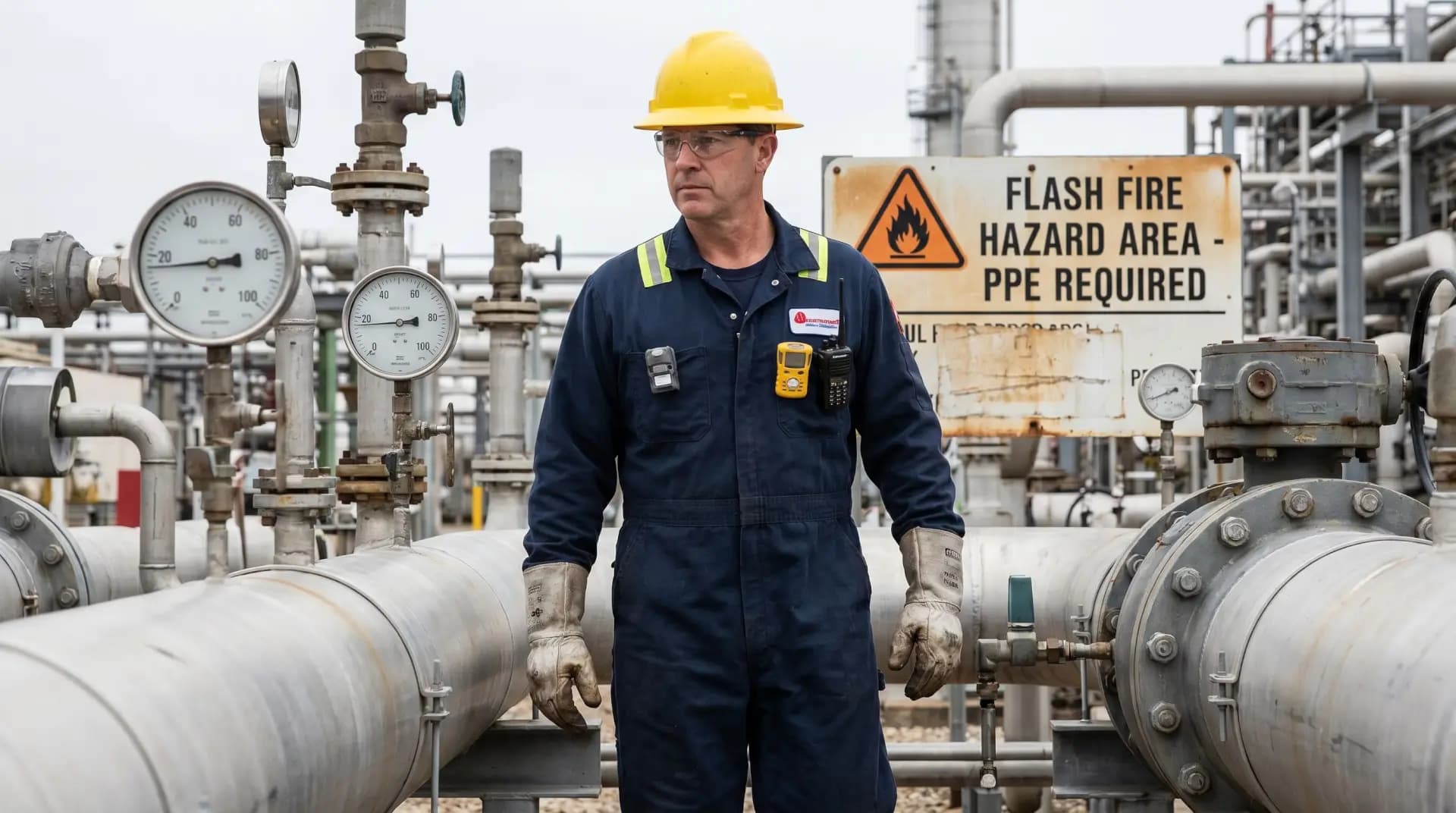
Conduct atmospheric testing for flammable gases
Purge or inert systems where required
Avoid welding on containers or pipelines unless verified gas-free
From a safety standpoint, assuming an area is safe without testing is unacceptable.
Equipment and Emergency Preparedness
Even with preventive measures, residual risk remains. Preparedness determines outcome.
Essential Equipment
Fire extinguishers suitable for the hazard class
Fire blankets and sand buckets
Emergency shutdown systems
Communication tools for rapid response
Personnel must not only have access to equipment but also be trained in its correct use.
Common Mistakes That Lead to Incidents
Over the years, recurring patterns emerge in welding-related fire incidents:
Skipping the hot work permit due to “routine job” assumptions
Underestimating spark travel distance
Ignoring hidden combustibles behind walls or under floors
Inadequate fire watch or leaving the site too early
Poor housekeeping leading to accumulation of flammable waste
Correcting these behaviors has a greater impact than adding new procedures.
Conclusion
Welding near flammable materials is manageable only when approached with structured controls, disciplined execution, and respect for ignition dynamics. The goal is not to eliminate welding risks entirely—that is rarely practical—but to reduce them to a level where ignition becomes highly unlikely and any incident can be controlled immediately.
In professional HSE practice, the difference between a safe job and a fire incident is almost always found in preparation, not reaction.

Responses