

Every worker—regardless of role, industry, or experience—requires a core set of Health, Safety, and Environment (HSE) training to perform safely and responsibly. The essential types of HSE training are not optional add-ons; they form the baseline competence needed to recognize hazards, prevent incidents, and respond effectively when things go wrong. In my practice, I’ve seen that when these training categories are properly delivered and reinforced, incident rates drop and operational discipline improves measurably.
Below is a structured breakdown of the critical HSE training every worker should receive.
1. General HSE Induction Training
This is the first and most fundamental layer of safety education. It introduces workers to the organization’s safety culture, expectations, and basic rules before they begin work.
Key components include:
Workplace safety policies and responsibilities
Hazard identification basics
Emergency procedures and reporting lines
Incident and near-miss reporting systems
Personal responsibilities under applicable regulations
A strong induction is not a formality. It sets behavioral expectations early and reduces unsafe assumptions, especially for new or transferred workers.
2. Hazard Communication (HazCom) Training
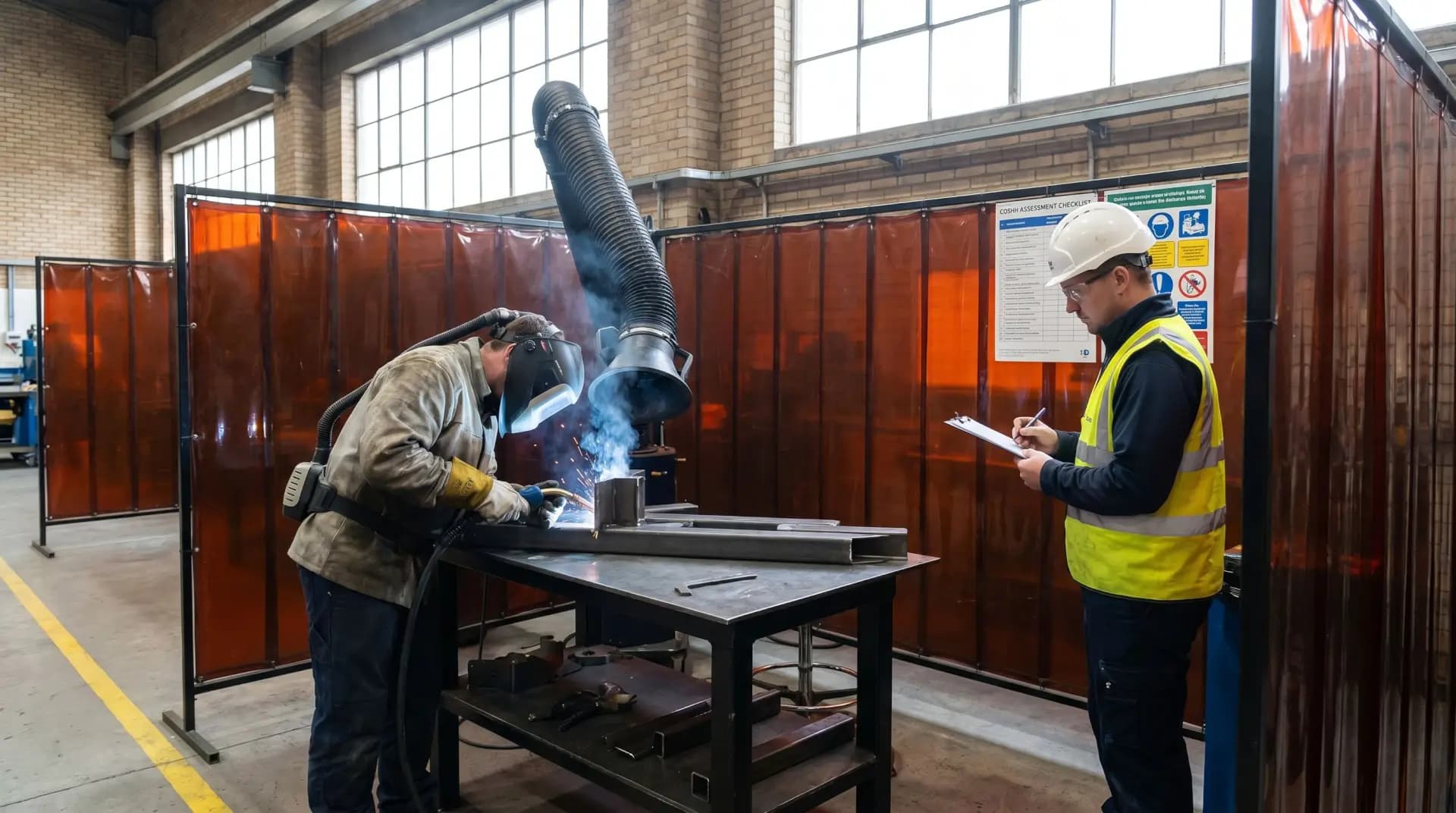
Workers must understand the risks associated with hazardous substances they may encounter. This training is mandatory in many jurisdictions and aligned with globally harmonized systems.
Core areas covered:
Reading and interpreting Safety Data Sheets (SDS)
Understanding chemical labels and pictograms
Safe handling, storage, and disposal of chemicals
Exposure routes and health effects
From experience, gaps in hazard communication are one of the most common root causes behind chemical incidents.
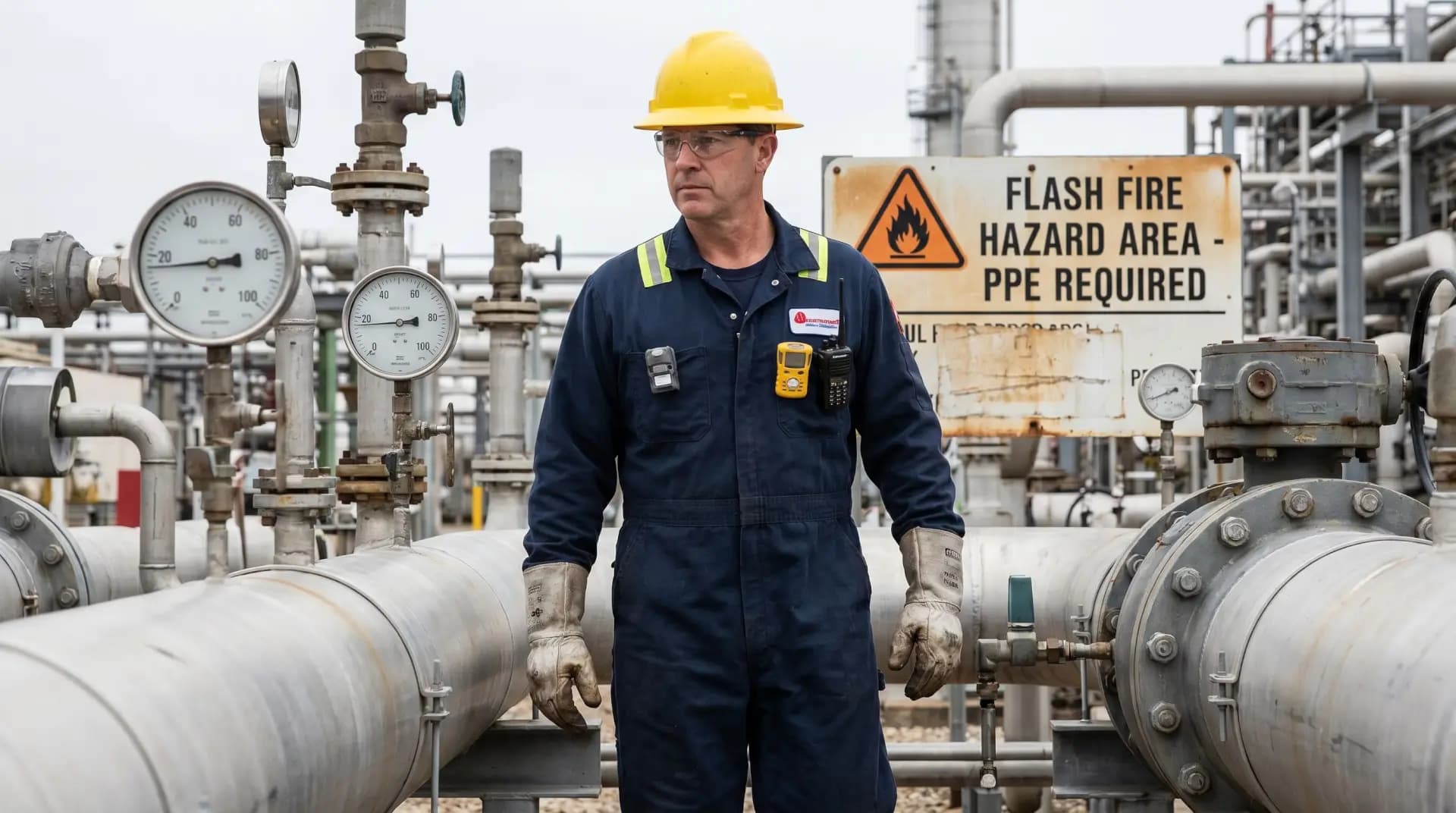
3. Personal Protective Equipment (PPE) Training
Providing PPE is not enough—workers must know when, why, and how to use it correctly.
Training should address:
Selection of appropriate PPE for specific hazards
Correct usage, fitting, and limitations
Inspection, maintenance, and storage
Situations where PPE alone is insufficient
Improper PPE use often creates a false sense of safety, which can be more dangerous than no protection at all.
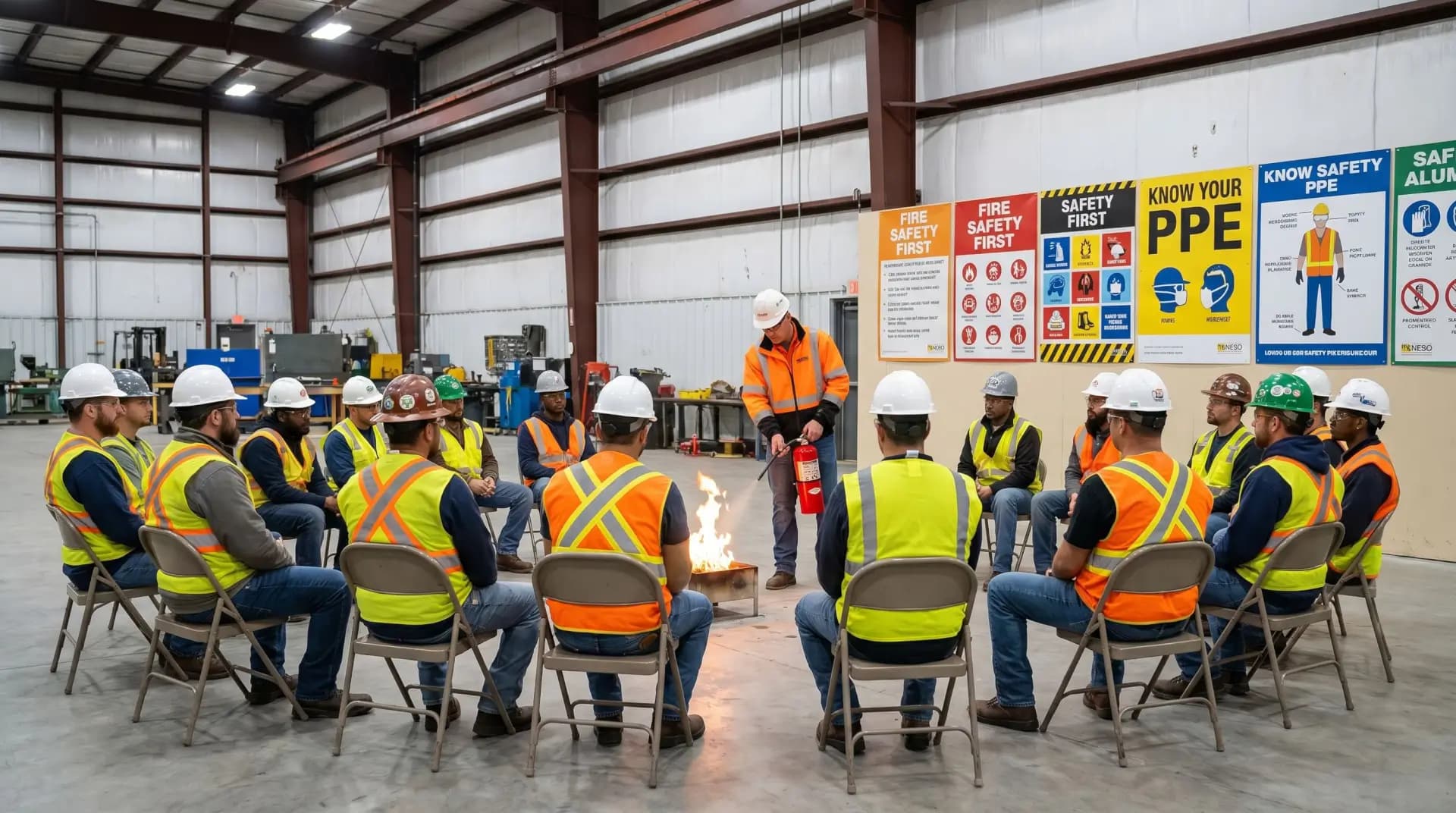
4. Fire Safety and Emergency Response Training
Every worker must be prepared to respond effectively during emergencies, especially fires, which escalate rapidly.
Essential elements include:
Fire prevention practices
Types of fire extinguishers and their use
Evacuation procedures and assembly points
Roles during emergency situations
Regular drills are just as important as the training itself. Without practice, response time and coordination suffer.
5. First Aid and Basic Life Support (BLS)
Immediate response in the first few minutes after an incident can significantly influence outcomes.
Training typically includes:
Basic first aid techniques
Cardiopulmonary resuscitation (CPR)
Managing bleeding, burns, and fractures
Emergency communication protocols
Not every worker needs advanced certification, but basic knowledge across the workforce strengthens overall resilience.
6. Manual Handling and Ergonomics Training
Musculoskeletal injuries remain one of the most frequent workplace issues across industries.
Training focuses on:
Safe lifting techniques
Posture and body mechanics
Use of mechanical aids
Workstation ergonomics
I’ve consistently observed that small ergonomic corrections lead to significant reductions in long-term injuries.
7. Work at Height Training
Any task performed at elevation introduces serious risk and requires specialized awareness.
Training should include:
Fall hazards and prevention methods
Proper use of fall protection systems
Inspection of ladders and scaffolding
Safe access and egress practices
Falls from height remain one of the leading causes of severe workplace injuries globally, making this training critical where applicable.
8. Electrical Safety Awareness
Even non-electrical workers may be exposed to electrical hazards.
Core topics include:
Basic electrical hazard recognition
Safe distances and isolation practices
Lockout/Tagout (LOTO) awareness
Emergency response to electrical incidents
This training reduces the risk of accidental contact and unsafe interference with energized systems.
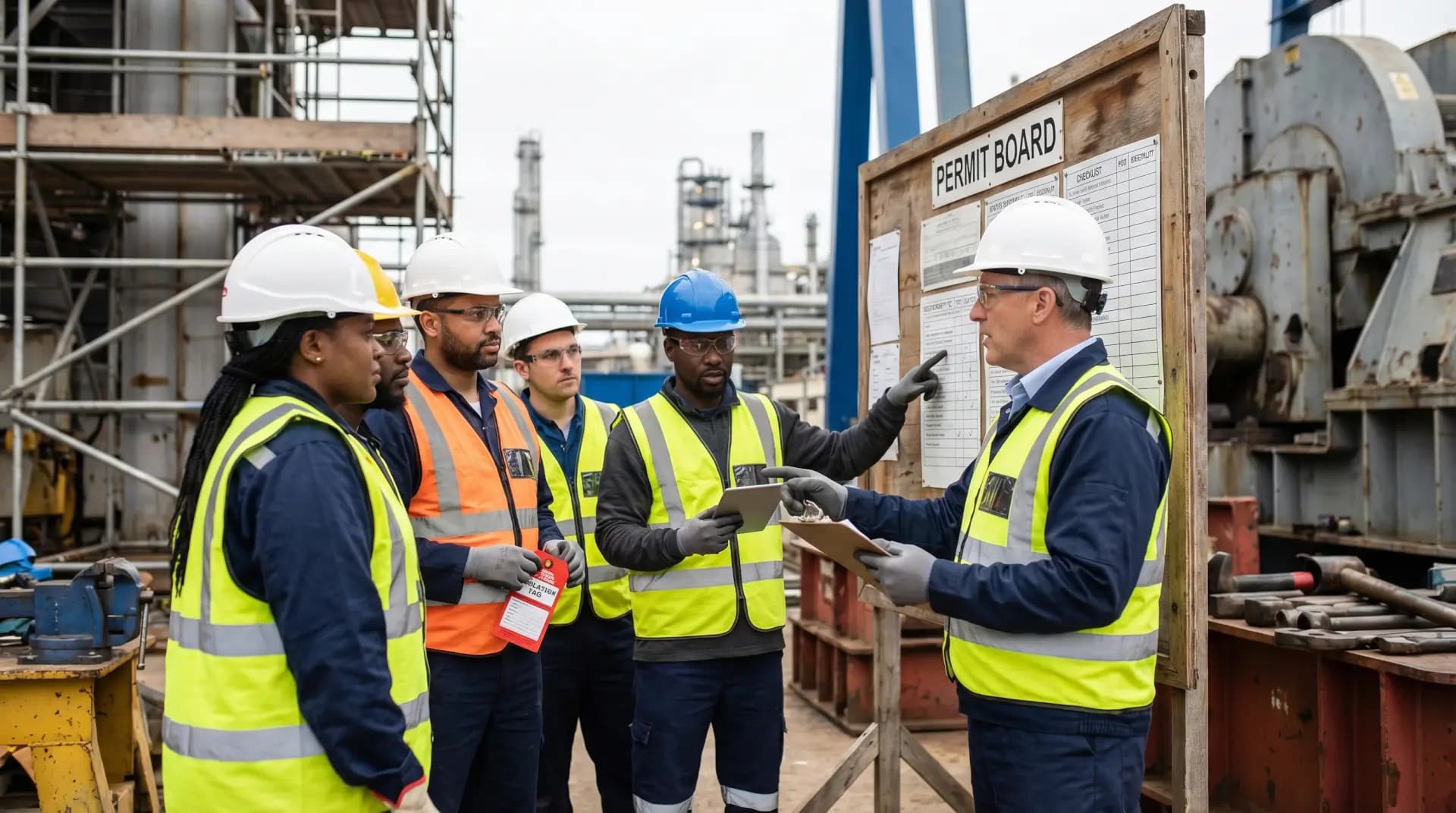
9. Permit-to-Work (PTW) System Training
For high-risk activities, a structured control system is essential.
Workers should understand:
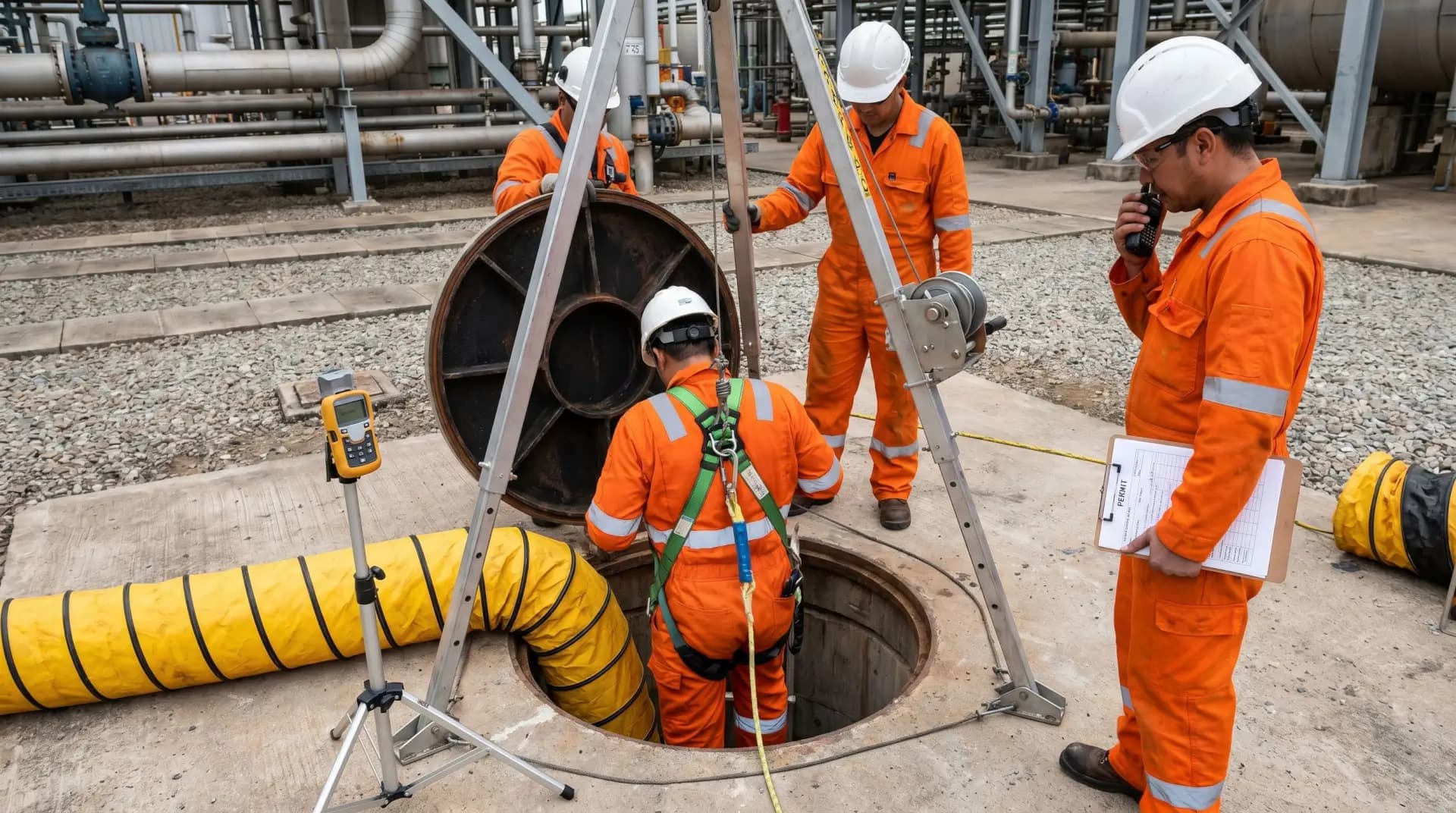
Purpose and types of permits (hot work, confined space, etc.)
Roles and responsibilities within PTW systems
Hazard controls and authorization processes
Consequences of bypassing permits
In my assessment work, weak permit compliance is often linked to serious incidents.
10. Environmental Awareness Training
HSE is not only about safety—it also includes environmental responsibility.
Training typically covers:
Waste management and segregation
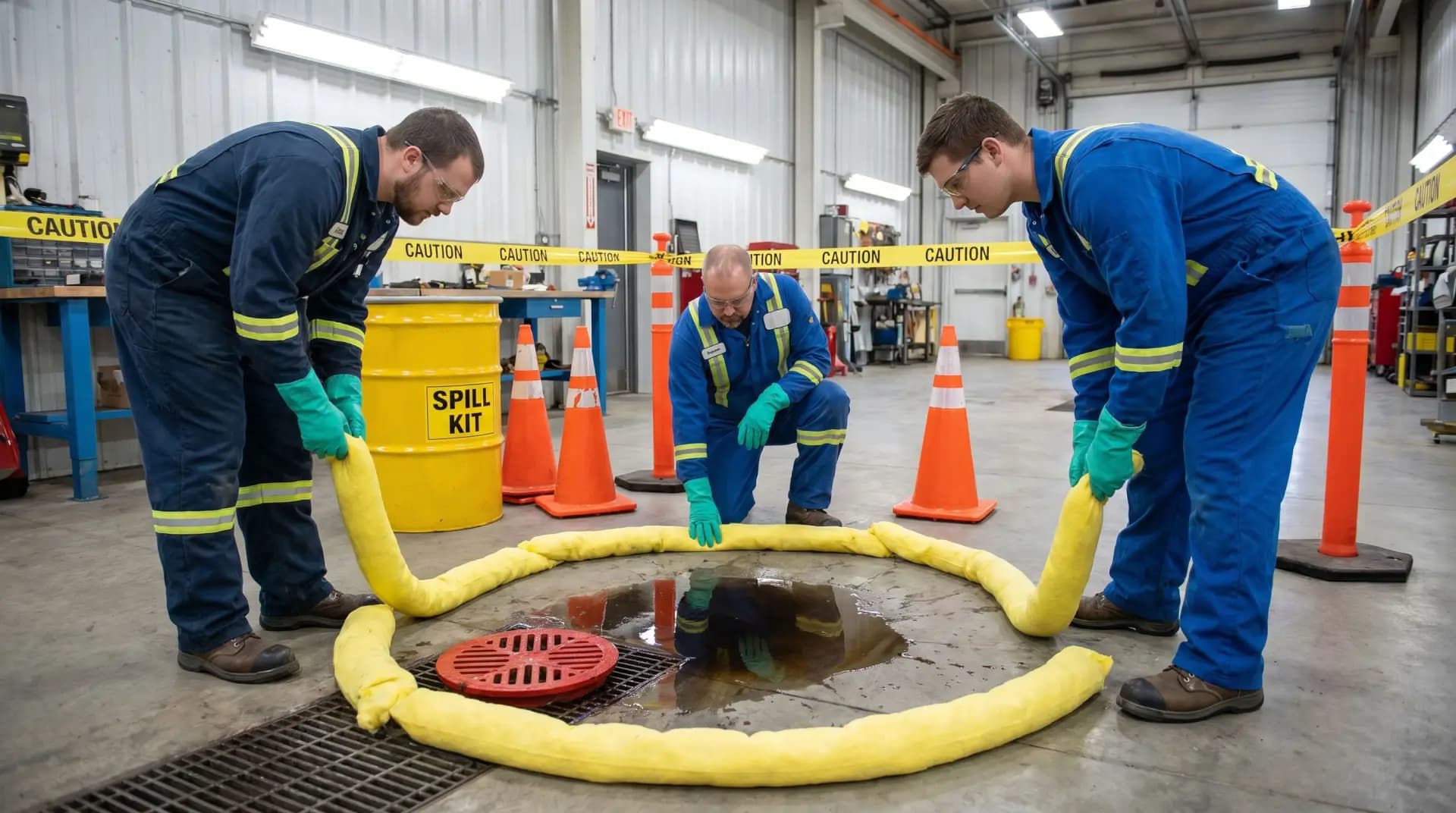
Spill prevention and response
Resource conservation practices
Environmental impact awareness
Workers who understand environmental risks contribute to compliance and sustainability goals.
Conclusion
HSE training is not a one-time exercise—it is a continuous process that evolves with workplace risks, operational changes, and regulatory expectations. The training types outlined above form the minimum foundation every worker should have to operate safely and responsibly.
From a practical standpoint, effectiveness depends less on how many training sessions are conducted and more on how well the content is understood, applied, and reinforced. Competency, not attendance, is the real objective.
Organizations that treat HSE training as a strategic function—not a compliance checkbox—consistently achieve stronger safety performance and workforce engagement.

Responses