

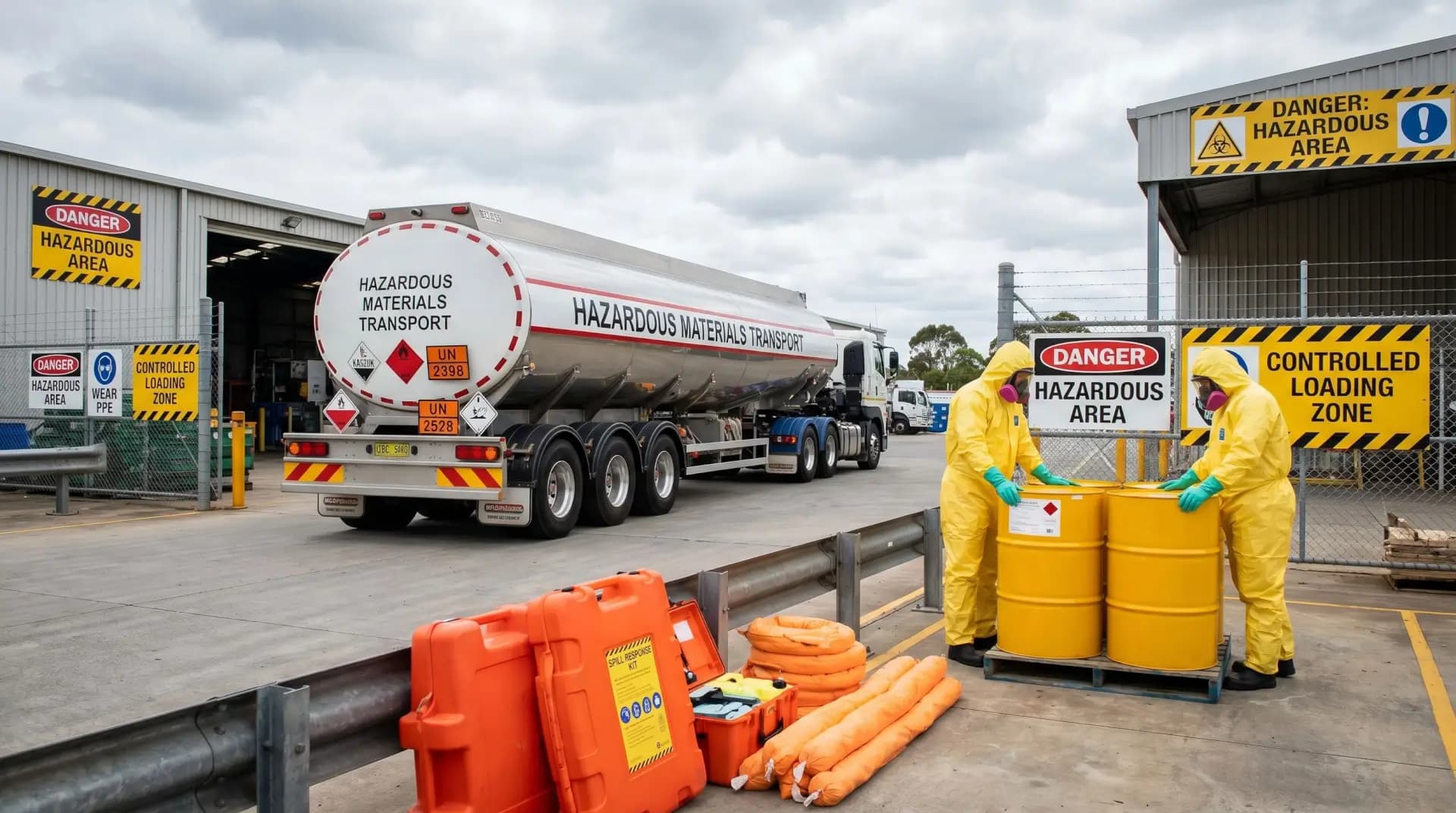
Transporting hazardous chemicals safely is not just about moving containers from one location to another—it is a controlled operation governed by strict classification, packaging, labeling, handling, and emergency preparedness requirements. Any lapse in these controls can result in spills, toxic exposure, environmental damage, or catastrophic incidents. Safe transportation begins with proper hazard identification and continues through to secure delivery, with accountability at every stage.
Understanding Hazard Classification Before Transport
Every hazardous chemical must be classified before it is transported. This classification determines how the material is packaged, labeled, and handled.
Globally, hazard classification follows systems such as the UN Recommendations on the Transport of Dangerous Goods. Chemicals are grouped into classes such as:
Flammable liquids
Corrosive substances
Toxic materials
Oxidizers
Explosives
Gases
From practical experience, one of the most common failures I’ve observed is misclassification. When a chemical is incorrectly categorized, all downstream controls become ineffective. Transport teams must verify Safety Data Sheets (SDS) and ensure alignment with transport classifications—not just workplace labels.
Selecting Approved Packaging and Containers
The integrity of packaging is the first physical barrier against leaks and spills.
Approved containers must:
Be compatible with the chemical (no reactions or degradation)
Meet performance standards (impact, pressure, and leak resistance)
Be properly sealed and secured
For example, corrosive substances require containers resistant to chemical attack, while flammable liquids need anti-static and vapor-tight packaging.
A critical point often overlooked is reusability. Reusing containers without proper decontamination introduces cross-contamination risks, which can trigger dangerous reactions during transit.
Labeling and Documentation Requirements
Clear labeling is essential for communication across the entire transport chain—from handlers to emergency responders.
Each package must include:
Hazard labels (pictograms and class labels)
Proper shipping name
UN identification number
Handling instructions
Transport documentation must accompany the shipment and typically includes:
Dangerous goods declaration
Emergency contact information
SDS
In real-world operations, documentation errors are more frequent than physical failures. Missing or incorrect paperwork delays emergency response and increases regulatory liability.
Safe Loading and Securing of Cargo
Improper loading is a leading cause of transport incidents.
Key practices include:
Segregating incompatible chemicals (e.g., acids away from bases)
Distributing weight evenly to prevent vehicle instability
Securing containers to prevent movement during transit
I always emphasize that movement equals risk. Even minor shifts in cargo can damage containers or create friction, especially in long-distance transport.
Vehicle and Transport System Controls
Vehicles used for transporting hazardous chemicals must meet specific safety standards.
Essential controls include:
Fire extinguishers suitable for the hazard class
Spill containment kits
Proper ventilation systems
Grounding systems for flammable materials
Drivers must be trained not only in vehicle operation but also in hazard awareness and emergency response.
From an HSE standpoint, driver competency is often underestimated. A well-trained driver can prevent escalation even when something goes wrong.
Emergency Preparedness and Response Planning
No transport operation is complete without a response plan.
This includes:
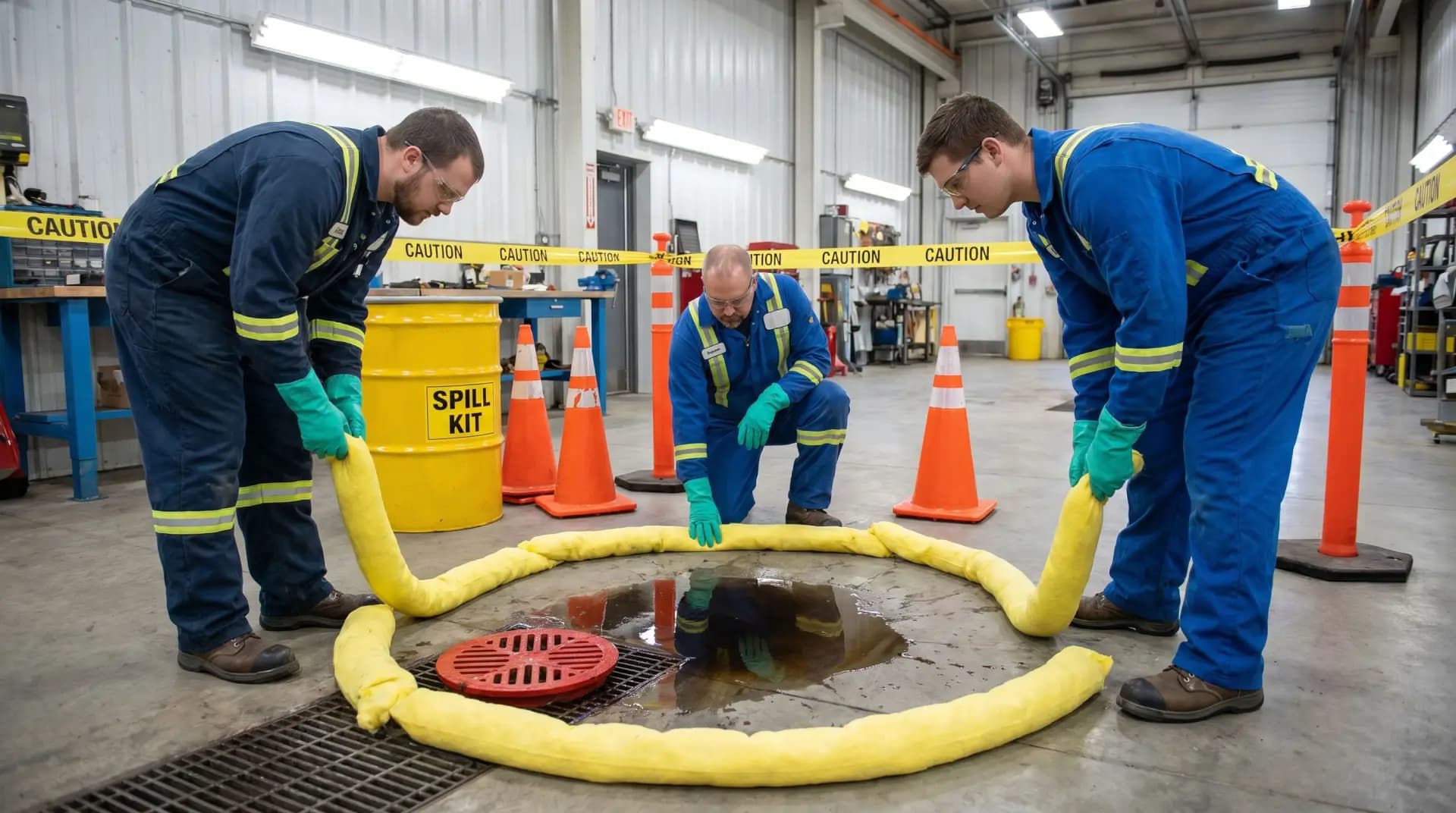
Spill response procedures
Emergency contact protocols
Evacuation guidelines
First aid measures specific to chemical exposure
Emergency information must be immediately accessible—not buried in documentation.
In my professional judgment, organizations that actively drill transport emergency scenarios perform significantly better during real incidents than those relying only on written procedures.
Training and Regulatory Compliance
Personnel involved in hazardous chemical transport must be trained in:
Hazard communication
Safe handling procedures
Use of PPE
Emergency response
Regulatory frameworks differ by jurisdiction (such as ADR in Europe or DOT regulations in the United States), but the core principles remain consistent: classification, packaging, labeling, documentation, and training.
Compliance is not a one-time activity. It requires continuous monitoring, periodic audits, and updates based on regulatory changes.
Common Mistakes That Compromise Safety
Across industries, I consistently observe a few recurring issues:
Incorrect or outdated SDS usage
Overloading or poor cargo securing
Mixing incompatible chemicals
Inadequate labeling
Lack of driver or handler training
These are not complex failures—they are preventable gaps in basic control measures.
Conclusion
Safe transportation of hazardous chemicals is a structured system, not a checklist. It relies on correct classification, compliant packaging, accurate labeling, secure loading, trained personnel, and robust emergency preparedness. Each step reinforces the next, creating multiple layers of protection.
From my experience, the most reliable transport operations are those that treat chemical movement as a high-risk activity requiring disciplined execution—not routine logistics. When organizations respect this reality, incidents become far less likely





Responses