How to Prevent Chemical Burns

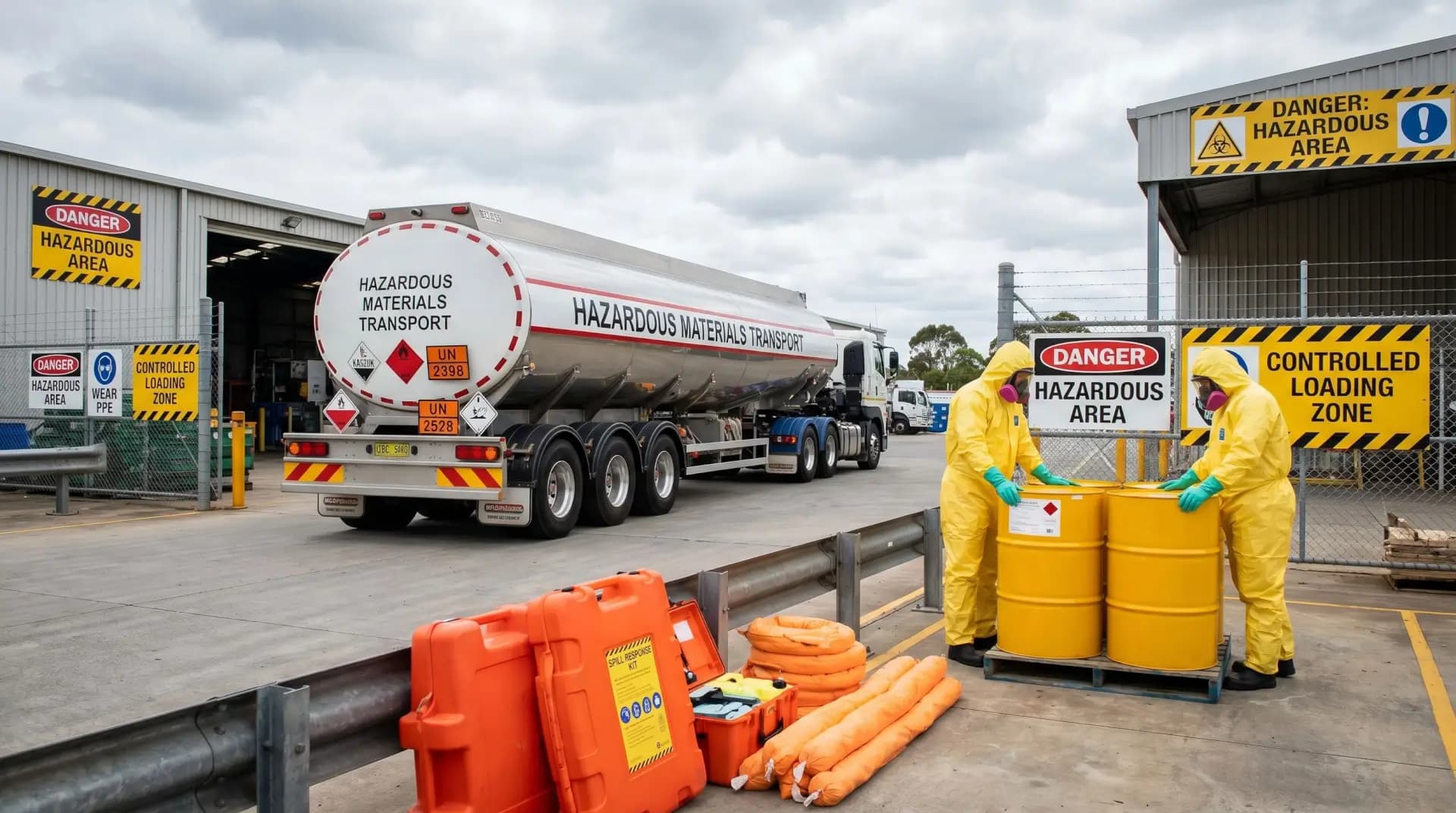
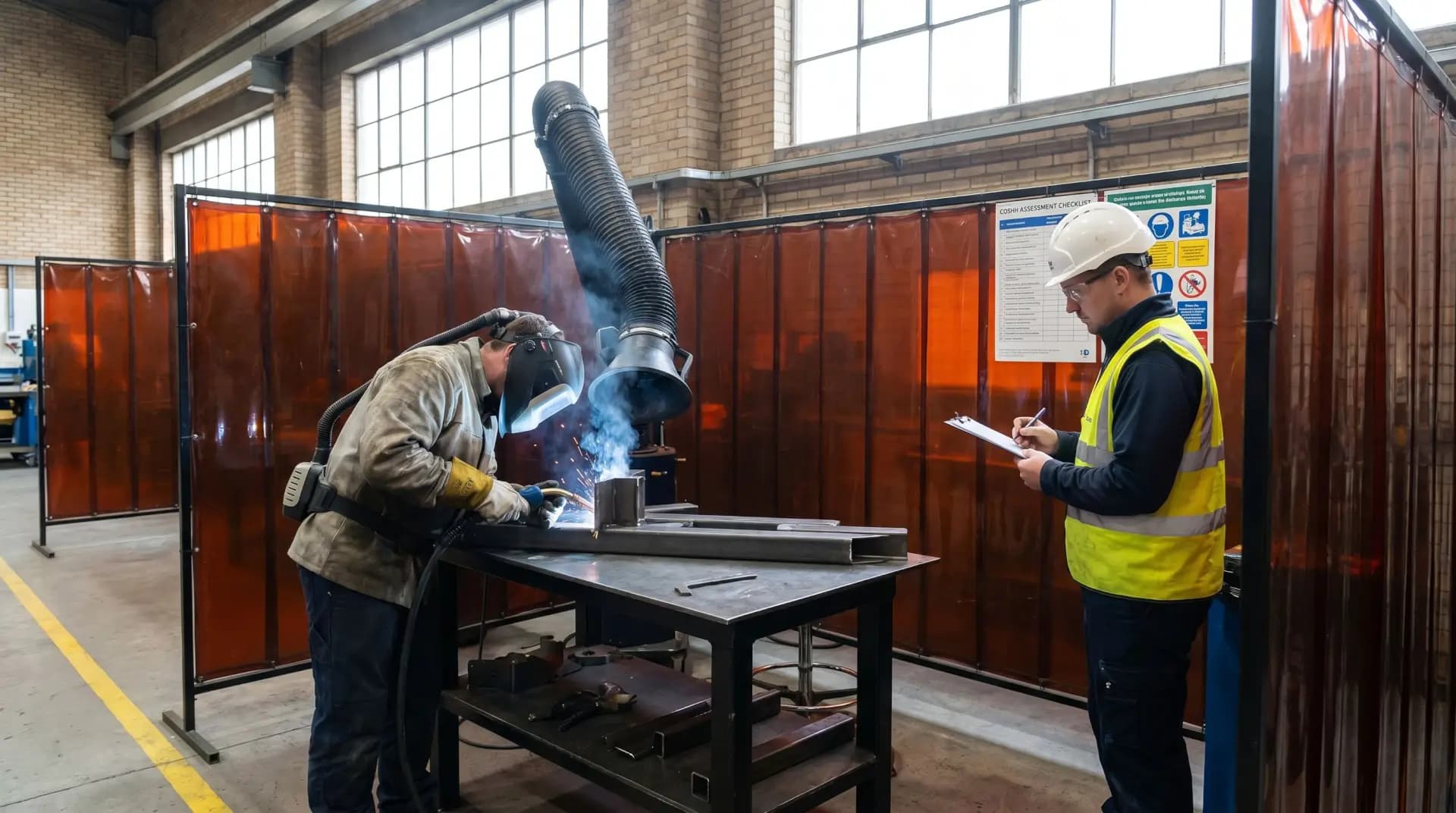
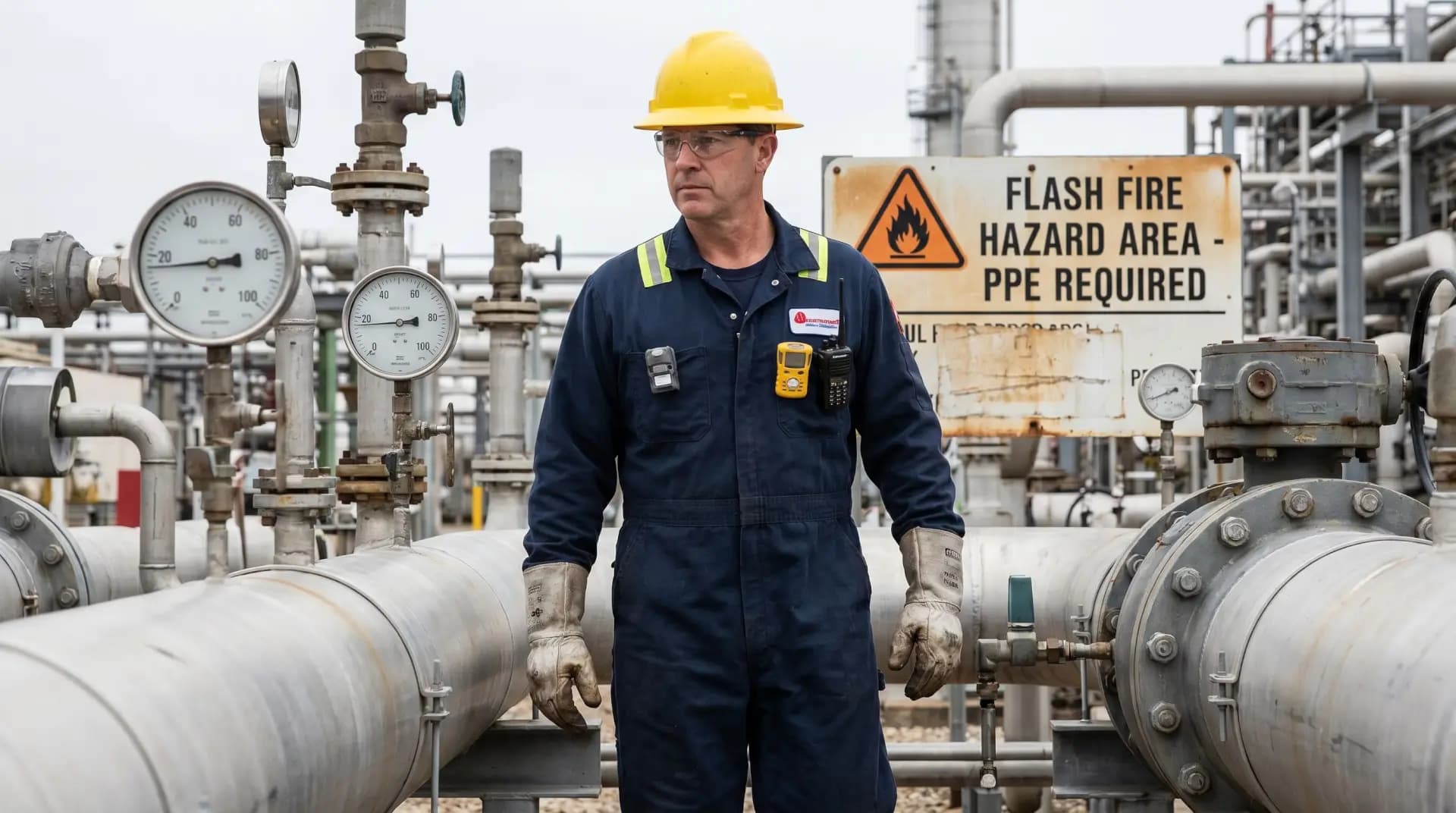
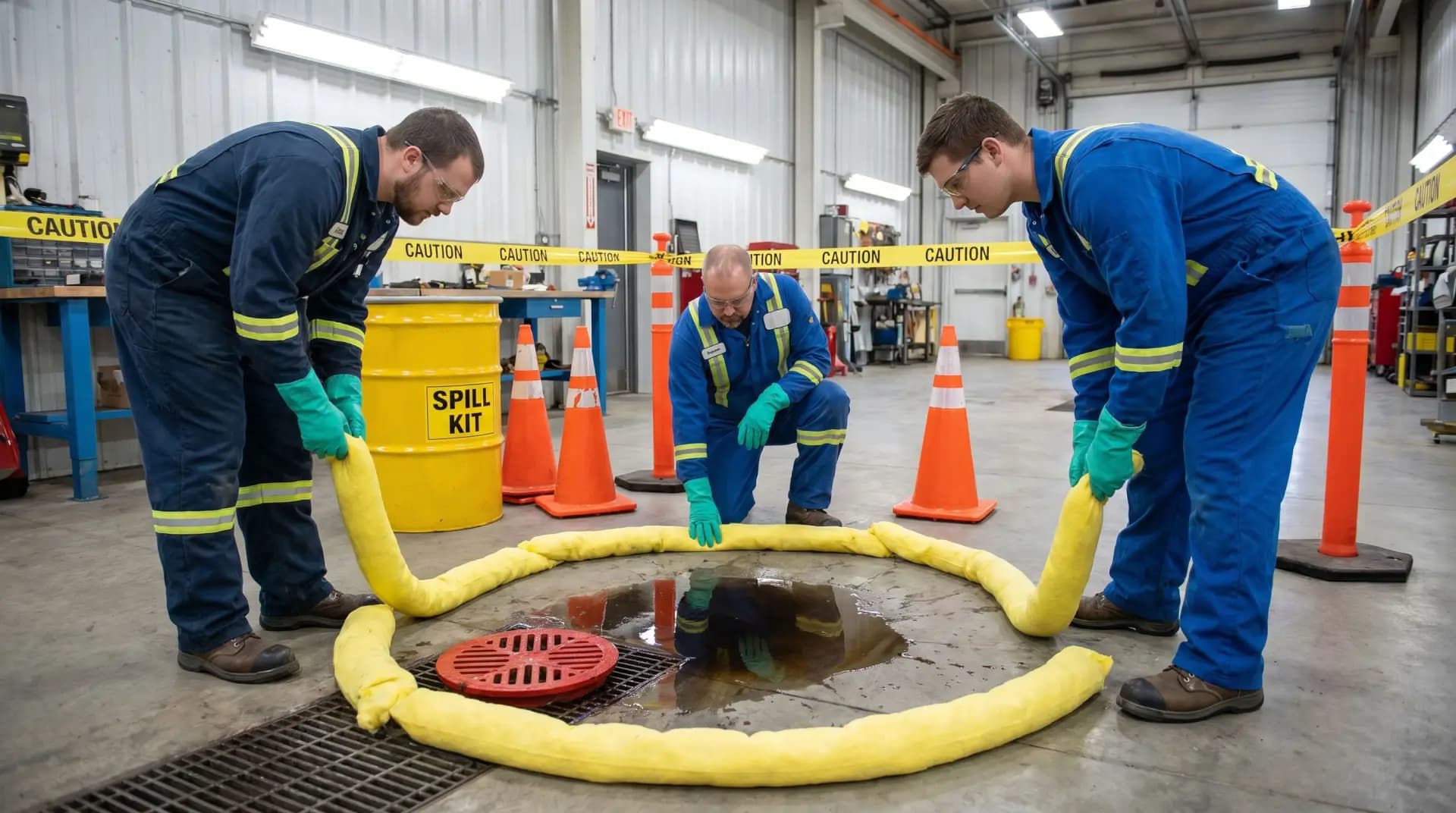
Chemical burns happen fast and usually after routine failures: wrong PPE, poor labeling, bad decanting, weak washing facilities, or uncontrolled splashes. This guide explains how chemical burns occur, why they become severe, and the practical controls I rely on in labs, plants, workshops, and construction sites to prevent them.
0Comments
4Views
How to Prevent Chemical Burns

TL;DR

  • Control the source first: Substitute, isolate, and contain corrosives before relying on gloves and face shields.

  • Match PPE to the chemical: The wrong glove material fails quickly against acids, alkalis, and solvents.

  • Wash immediately after exposure: Fast decontamination often decides whether a splash becomes a minor injury or deep tissue damage.

  • Label and decant correctly: Many chemical burns start when someone uses an unmarked bottle or transfers product into the wrong container.

  • Train for real tasks: Workers need to know the chemical, the route of exposure, and the first-aid response before the job starts.

I stopped a maintenance job in a dosing room after seeing a fitter crack open a line carrying caustic solution with only safety glasses and thin disposable gloves. The line still held pressure. One small release would have gone straight past the glove cuff and into the sleeve. That is how many chemical burn cases begin on site—not with a major spill, but with a routine task that someone thinks is under control.

How to prevent chemical burns comes down to understanding where corrosive exposure starts, how quickly tissue damage develops, and which controls actually work in the field. In this article, I will cover what chemical burns are, how they occur during real operations, why acids, alkalis, oxidizers, and cleaning agents are so dangerous, the practical control measures that prevent injury, the mistakes I keep finding during inspections, and the response actions that reduce the severity when exposure still happens.

What Chemical Burns Are and How to Prevent Chemical Burns at Work

Chemical burns are tissue injuries caused when corrosive substances damage the skin, eyes, or internal tissue on contact. To prevent chemical burns, you need a combination of hazard identification, compatible PPE, controlled handling, proper storage, engineered containment, and immediate washing facilities that workers can reach in seconds.

On paper, that sounds straightforward. On site, the problem is that chemical burns do not all behave the same way. Some chemicals cause immediate pain and visible damage. Others penetrate deeper, keep reacting after contact, or delay symptoms long enough for the worker to keep going.

The chemicals most often involved in burn incidents vary by industry, but the exposure patterns are predictable. Across plants, workshops, laboratories, water treatment systems, and cleaning operations, I keep seeing the same groups:

  • Strong acids: Sulfuric, hydrochloric, nitric, and similar products can destroy tissue rapidly and generate heat on contact.

  • Strong alkalis: Caustic soda, potassium hydroxide, wet cement, and alkaline cleaners often penetrate deeply and can cause severe eye injury.

  • Oxidizers: Products such as concentrated peroxide or hypochlorite can burn tissue and intensify reactions with incompatible materials.

  • Solvents and mixed products: Some degreasers and blended chemicals remove skin oils, increase absorption, or carry corrosive ingredients into contact areas.

  • Battery electrolytes and process chemicals: Charging areas, dosing skids, and maintenance tasks create splash and leak hazards during routine work.

Once you understand the chemical families and the job steps where exposure occurs, the next issue is how those burns actually happen during normal operations.

How Chemical Burns Happen in Real Operations

Most chemical burn incidents are not dramatic. They happen during transfer, mixing, line breaking, cleaning, sampling, decanting, charging, maintenance, and waste handling. I have investigated more cases from poor routine control than from large-scale process failures.

The field patterns below are the ones that repeatedly lead to burns. If a supervisor controls these properly, the exposure rate drops hard:

  • Decanting into smaller containers: Product splashes during pouring, especially when workers use open funnels, unstable benches, or containers with no venting.

  • Opening lines or equipment: Residual pressure, trapped liquid, or blocked drains send corrosive material onto hands, face, chest, and forearms.

  • Mixing incompatible chemicals: Heat, violent reaction, or gas release can drive chemical spray toward the operator.

  • Using damaged or unsuitable PPE: Gloves swell, crack, or allow permeation because the material was selected by guesswork, not compatibility data.

  • Poor housekeeping: Contaminated handles, taps, tools, and worktops transfer corrosive residue long after the original task ended.

  • Unmarked containers: Workers assume a bottle contains water or detergent when it actually contains acid, caustic, or descaler.

  • Inadequate washing facilities: Eyewash stations are blocked, empty, too far away, or not tested, so exposure time increases.

In one utility area, a technician suffered a forearm burn because a drain valve looked isolated but still held trapped caustic behind a dead leg. The permit was signed, but the line was not positively drained and verified. That is why chemical safety cannot sit only in the SDS file—it has to be built into the task method.

Routes of exposure that make burns worse

Not every contact route produces the same outcome. During incident reviews, the severity usually depends on where the chemical lands, how long it stays there, and whether clothing or PPE traps it against the body.

These exposure routes need different controls and different emergency actions:

  • Skin contact: Common during splashes, leaks, and contaminated surface contact. Severity rises when sleeves, gloves, or boots trap the chemical.

  • Eye contact: Even a small splash can cause permanent vision damage. This is one of the fastest escalating chemical injuries.

  • Inhalation of corrosive mist: Some chemicals burn the nose, throat, and lungs, especially during spraying, cleaning, or confined work.

  • Ingestion from contamination: Poor hygiene, contaminated gloves, and food in work areas create a hidden route of exposure.

Once the exposure routes are clear, the next step is to understand why chemical burns are often more serious than workers expect.

Why Chemical Burns Are So Dangerous

I have seen workers underestimate chemical burns because the initial splash looked small. That is a dangerous assumption. A chemical burn can keep damaging tissue after contact, especially when decontamination is delayed or the wrong first aid is used.

The seriousness comes from the way corrosives behave in the body and on the job. Several factors turn a minor-looking splash into a recordable injury, a hospitalization, or a permanent disability:

  • Deep tissue penetration: Alkalis in particular can continue damaging tissue below the surface even when the skin does not look badly burned at first.

  • Delayed pain response: Some chemicals numb tissue or cause symptoms to build slowly, so workers delay reporting and washing.

  • Eye damage within seconds: Corrosives can scar the cornea quickly, and delayed irrigation can mean permanent loss of vision.

  • Secondary reaction with clothing: Contaminated garments hold the chemical against the skin and increase burn depth.

  • Heat generation: Some products react with water, metals, or organic matter and release heat, adding a thermal burn component.

  • Respiratory injury: Mists and vapors can burn the airway, which may not be obvious until swelling or breathing difficulty develops.

Under OSHA's Hazard Communication requirements and aligned international chemical safety practice, employers must identify hazardous chemicals, communicate their hazards, and ensure workers understand safe handling, PPE, and emergency measures in practical terms.

That practical part matters. A worker does not need a thick folder during a splash event. They need to know what the substance is, what it does on contact, what PPE resists it, and where the nearest eyewash or safety shower is located.

Risk Assessment Steps That Prevent Chemical Burns Before the Job Starts

The best chemical burn prevention happens before anyone opens a drum, cracks a flange, or starts mixing. When I review a task involving corrosives, I do not start with PPE. I start with the chemical, the process, the quantity, the pressure, the temperature, and the way the worker will physically interact with it.

A site risk assessment for corrosive work should answer the following points clearly before the task is released:

  • What is the exact chemical? Use the product name, concentration, and SDS data. “Cleaner” or “acid” is not enough.

  • What form is it in? Liquid, gel, mist, powder, or vapor changes the exposure route and the control method.

  • How can contact occur? Splash, spray, leak, overflow, trapped pressure, contaminated surfaces, or incompatible mixing.

  • Who can be exposed? Operators, maintenance crews, cleaners, lab staff, contractors, and nearby personnel.

  • What controls already exist? Closed transfer, bunding, local exhaust, eyewash, shower, labeling, permits, and supervision.

  • What can fail? Hose rupture, valve misidentification, wrong connection, blocked drain, poor glove selection, or human error during transfer.

  • What is the emergency response? Washing time, alarm route, first aider availability, medical support, and transport plan.

Where corrosive line breaking or intrusive maintenance is involved, I also want the isolation method and verification sequence written down, not assumed.

Permit-to-work controls for higher-risk chemical tasks

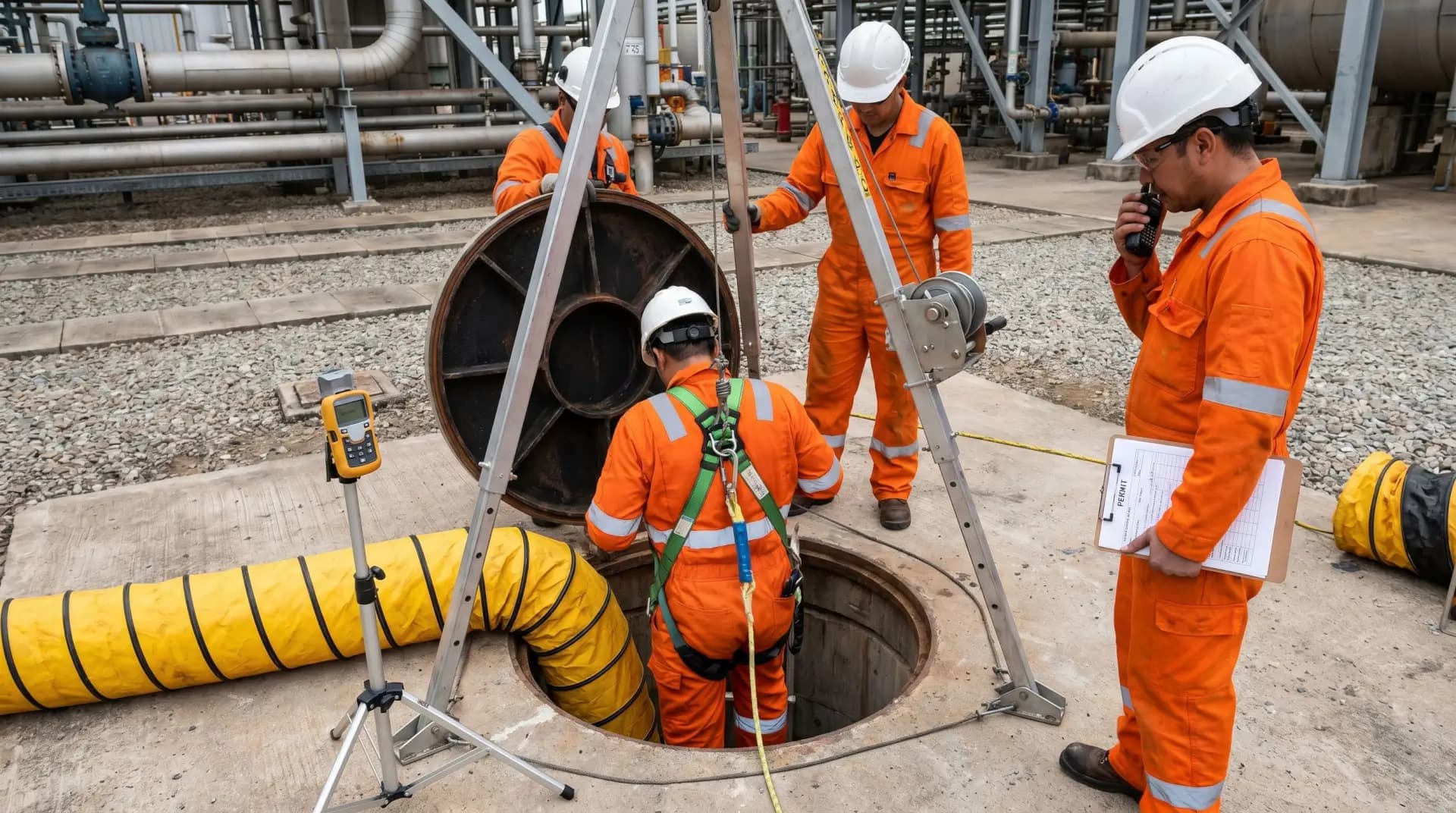
Some chemical jobs need more than a toolbox talk. If the task involves breaking containment, entering a chemical area, cleaning tanks, handling concentrated corrosives, or opening process systems, permit-to-work discipline becomes critical.

The permit package should confirm these controls before work starts:

  1. Identify the chemical and concentration so the crew knows the actual burn hazard, not a generic label.

  2. Isolate, drain, depressurize, and verify zero energy before opening any line, vessel, or pump.

  3. Confirm compatible PPE using manufacturer data or site chemical resistance guidance, not habit.

  4. Check eyewash and shower readiness including access, flow, and inspection status.

  5. Brief the crew on first aid and escalation so no one improvises after exposure.

  6. Control the area with barriers, signage, and exclusion of non-essential personnel.

Pro Tip: If the task owner cannot explain what chemical remains in the system after isolation, I treat the line as live until proven otherwise. That approach has prevented more than one avoidable splash injury.

Once the risk is defined, the controls need to follow the hierarchy, not jump straight to face shields and gloves.

Practical Control Measures to Prevent Chemical Burns

Sites that consistently prevent chemical burns do not rely on one control. They layer engineering, administrative, and PPE measures so that if one fails, the worker still has protection. That is how you build resilience into chemical handling.

The most effective controls I have seen in the field are listed below, starting with measures that remove or reduce exposure at the source:

  • Substitute where possible: Use lower-concentration products or less corrosive formulations when the process allows it.

  • Use closed transfer systems: Pumps, fixed lines, dry-break couplings, and sealed dosing systems cut splash exposure sharply.

  • Install splash containment: Bunds, drip trays, guards, and enclosed filling points stop small releases from reaching people.

  • Provide local exhaust ventilation: Capture corrosive mist or vapor near the source during mixing, cleaning, or open handling.

  • Standardize chemical stations: Keep dedicated transfer tools, compatible containers, labels, and spill supplies at the point of use.

  • Separate incompatible chemicals: Storage segregation prevents violent reactions and accidental cross-contamination.

  • Maintain immediate decontamination facilities: Eyewash and shower units must be unobstructed and reachable without delay.

Administrative controls are often dismissed as weaker, but I have seen them prevent serious injuries when they are task-specific and enforced properly.

These management controls make the engineering controls work in daily operations:

  • Task-specific SOPs: Write procedures around the actual job steps, not generic chemical handling language.

  • Clear labeling and secondary container control: Every transferred chemical must remain identified from source to disposal.

  • Restricted access: Keep untrained or non-essential personnel out of corrosive handling areas.

  • Competency-based training: Train workers on the product, the task, the PPE limits, and the emergency response.

  • Routine inspections: Check hoses, valves, eyewash units, storage cabinets, and PPE condition before failure occurs.

  • Exposure reporting culture: Workers must report even small splashes immediately, without waiting for visible injury.

Pro Tip: A well-written SOP is useless if the chemical is routinely decanted into unlabelled drink bottles or reused solvent cans. During inspections, I judge chemical safety by what is happening at the bench and pump station, not by the binder on the shelf.

PPE selection for chemical burn prevention

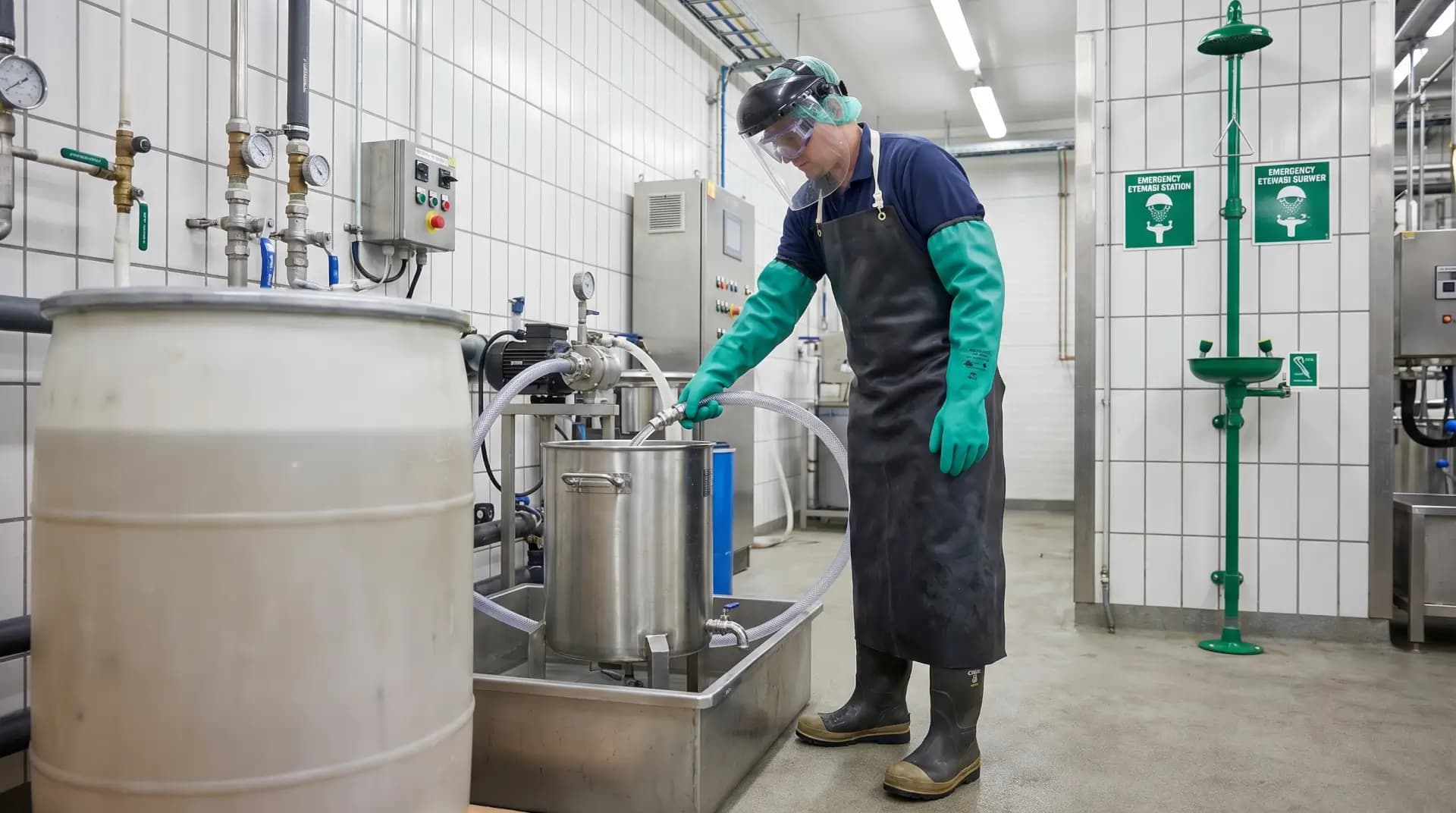
PPE is the last barrier, but when a splash happens it becomes the barrier that decides the injury outcome. The mistake I see most often is treating all gloves and all face protection as equal. They are not.

PPE item

What it protects

Common failure

Field check

Chemical-resistant gloves

Hands and lower forearms from splash and contact

Wrong material, no cuff protection, degraded glove reused

Verify chemical compatibility, thickness, and breakthrough data

Goggles

Sealed eye protection against splash

Using open safety glasses for liquid corrosives

Use indirect-vent or sealed goggles where splash risk exists

Face shield

Additional face protection over goggles

Worn alone without goggles underneath

Always pair with splash goggles for corrosive handling

Chemical apron or suit

Torso, legs, and clothing from splash contamination

Poor seam integrity or unsuitable material

Match garment material to the chemical and task duration

Chemical-resistant boots

Feet and lower legs from spills and pooling

Trousers tucked in, trapping liquid inside the boot

Check overlap and drainage path before starting work

Respiratory protection

Airway protection from corrosive mist or vapor

Used without exposure assessment or cartridge suitability

Confirm need, fit, filter type, and oxygen conditions

Where there is a credible splash risk, I require a full PPE review against the exact substance. Generic “chemical gloves” is not a control. It is a guess.

The minimum PPE checks I expect before corrosive work starts are the following:

  • Compatibility confirmed: Glove and garment material must resist the actual chemical and concentration.

  • Coverage verified: Sleeves, cuffs, apron length, and face protection must leave no obvious splash path.

  • Condition inspected: No pinholes, cracks, swelling, delamination, or contamination from previous use.

  • Correct donning and doffing: Workers need to remove contaminated PPE without spreading the chemical to skin.

  • Spare PPE available: Damaged items must be replaced immediately, not patched through the shift.

The next control area is storage and handling, because many chemical burns occur before the job even starts.

Safe Storage, Labeling, and Handling Practices That Prevent Chemical Burns

Storage failures create exposure long before a worker touches the chemical. I have found corroded shelves, leaking caps, mixed incompatibles, and unlabelled decant bottles in otherwise well-managed facilities. Those are early warnings of a burn incident waiting to happen.

Strong storage and handling discipline should include the following site standards:

  • Store by compatibility: Keep acids, alkalis, oxidizers, and reactive products segregated according to SDS and site matrix.

  • Use suitable containers: Packaging must resist the chemical and withstand normal handling without embrittlement or leakage.

  • Keep original labels intact: Product identity, hazard information, and handling precautions must remain visible.

  • Label all secondary containers: No temporary bottle, jug, or spray container should ever sit unmarked.

  • Control shelf height: Avoid storing corrosives above shoulder level where lifting and retrieval increase splash risk.

  • Provide secondary containment: Trays, bunds, or cabinets should contain leaks and stop spread to walkways or drains.

  • Separate storage from traffic routes: Forklifts, carts, and pedestrian movement should not pass tightly through corrosive storage areas.

Handling practices matter just as much. A safe storage room can still produce a serious splash if the transfer method is poor.

When workers handle corrosive chemicals, I coach them to follow these practical rules every time:

  • Open containers slowly: Pressure buildup, crystallized caps, or damaged threads can release product suddenly.

  • Use stable transfer points: Decant on a secure surface with containment, not on uneven floors or makeshift benches.

  • Add chemical in the correct order: Follow the product guidance to avoid violent reaction or heat generation.

  • Never use food or drink containers: This remains one of the most reckless and persistent failures on some sites.

  • Keep lids closed when not in use: Open containers invite contamination, evaporation, and accidental contact.

  • Clean residue immediately: Dried crystals, drips, and contaminated handles cause delayed contact burns later in the shift.

HSE UK guidance on hazardous substances and general good practice consistently pushes control at source, suitable containment, information for users, and effective emergency arrangements. In practical terms, that means designing the task so the worker does not have to rely on luck after a splash.

Even with good storage and handling, prevention fails if workers are not trained to recognize the burn hazard in the first place.

Training and Supervision That Actually Prevent Chemical Burns

I have sat through chemical safety inductions that listed hazard symbols for an hour and still left the crew unable to answer one basic question: what do you do if caustic gets inside your glove? That is not training. That is attendance.

Effective chemical burn prevention training must prepare people for the exact tasks they perform. The training content should cover these points in plain operational language:

  • Chemical identification: Workers must know the product name, concentration, and the main burn hazard.

  • Routes of exposure: Explain how splashes, mists, contaminated surfaces, and trapped liquid cause injury.

  • PPE limitations: Show what the PPE resists, how long it lasts, and when it must be changed.

  • Safe transfer and mixing methods: Demonstrate the correct setup, body position, and container control.

  • Emergency washing response: Rehearse eyewash and safety shower use until the response is automatic.

  • Incident reporting expectations: Workers must report every exposure immediately, even if pain seems minor.

Supervision is where training gets tested. During startup, shutdown, cleaning, and contractor work, I expect supervisors to challenge shortcuts before the task drifts.

Frontline supervision should focus on these visible behaviors:

  • Pre-job verification: Check labels, PPE, emergency equipment, and work area setup before release.

  • Body positioning: Keep workers out of the direct line of splash or pressure release.

  • Container discipline: Stop open, unstable, or improvised decanting methods immediately.

  • Housekeeping enforcement: Remove contaminated rags, residues, and waste at once.

  • Stop-work authority: Back workers who halt the task because the chemical risk is unclear or controls are missing.

Pro Tip: Ask a worker to point to the nearest eyewash with their eyes closed, then open them and walk there. If they hesitate, your emergency readiness is weaker than you think.

Training and supervision reduce the chance of exposure, but the severity still depends on how fast the site responds when contact occurs.

Emergency Response and First Aid for Chemical Burns

When a chemical burn happens, speed matters more than debate. I have seen precious minutes wasted while people search for the SDS, argue about neutralizers, or try to assess the burn before washing. The first action is immediate decontamination unless the product-specific procedure clearly states otherwise.

The emergency response sequence for most skin and eye exposures should be drilled into every chemical-handling team:

  1. Stop the exposure by shutting the source, moving the person away, or isolating the release if it can be done safely.

  2. Start flushing immediately with copious water at the eyewash or safety shower.

  3. Remove contaminated clothing and PPE carefully while flushing continues.

  4. Call for medical support and provide the exact chemical identity and concentration.

  5. Continue irrigation for the required duration and follow site medical guidance without interruption.

  6. Preserve incident details so the exposure can be assessed and investigated accurately.

There are recurring mistakes that make chemical burns worse during first aid. I keep correcting the same ones in drills and post-incident reviews:

  • Delaying irrigation: Waiting for permission, the SDS, or a supervisor wastes critical time.

  • Using neutralizers without procedure: This can worsen the injury or create heat unless specifically directed.

  • Stopping flushing too early: Pain reduction does not mean the chemical is fully removed.

  • Failing to remove contaminated clothing: The chemical stays in contact with the body under sleeves, gloves, and boots.

  • Sending the worker alone: Affected workers need assistance, monitoring, and proper handover to medical care.

Emergency equipment also needs to perform when called on. During inspections, I treat eyewash and shower stations as life-saving equipment, not plumbing fixtures.

The inspection points I expect sites to check routinely are these:

  • Access is clear: No pallets, hoses, waste bins, or locked doors in the route.

  • Flow is adequate: The unit delivers sufficient water and operates as intended.

  • Activation is immediate: The worker can start flow in seconds without tools or complex actions.

  • Location is suitable: The station is close enough to the hazard for rapid use.

  • Testing is documented: Regular inspections confirm function, cleanliness, and readiness.

The final piece is learning from the failures that keep repeating across sites.

Common Mistakes That Lead to Chemical Burns

When I review chemical burn incidents, the root causes are usually ordinary and preventable. The same weak controls show up across manufacturing, maintenance, cleaning, laboratories, water treatment, and construction support activities.

These are the mistakes I see most often behind chemical burn cases and near misses:

  • Assuming low volume means low risk: A small splash of concentrated corrosive can still cause severe injury.

  • Relying on safety glasses alone: Open eyewear does not provide splash sealing for corrosive liquids.

  • Choosing gloves by availability: Convenience stock is often chemically incompatible with the task.

  • Ignoring concentration changes: Diluted and concentrated forms of the same product can require different controls.

  • Using poor-quality secondary containers: Thin plastic, damaged caps, and reused bottles fail under normal handling.

  • Skipping line verification: Workers trust isolation tags without proving the system is drained and safe to open.

  • Weak contractor orientation: Short-term crews often know the job but not the site chemical hazards or emergency layout.

  • Treating minor splashes as non-events: Delayed reporting turns treatable exposure into deeper injury.

The pattern behind these failures is simple: the site knows chemicals are present, but the controls are not specific enough to the task. That gap between awareness and execution is where burns happen.

How to Build a Chemical Burn Prevention Program That Holds Up in the Field

If a site wants to prevent chemical burns consistently, it needs more than PPE posters and SDS folders. The system has to hold up during night shift, contractor turnover, maintenance work, and abnormal operations. That means building simple controls that survive real pressure.

A practical chemical burn prevention program should include these core elements:

  • Chemical inventory control: Know what corrosives are on site, where they are used, and in what concentration.

  • Task-based risk assessments: Review high-risk activities such as transfer, sampling, cleaning, and line opening.

  • PPE compatibility matrix: Give crews a verified reference for gloves, garments, eye, and face protection.

  • Storage and labeling audits: Inspect secondary containers, segregation, and condition of storage areas.

  • Emergency equipment assurance: Test eyewash and shower stations and correct deficiencies immediately.

  • Incident and near-miss review: Investigate every splash, contamination event, and first-aid case for system failures.

  • Supervisor field checks: Confirm that the job setup matches the written method before work starts.

To keep the program honest, I track visible indicators rather than relying only on lagging injury data.

The most useful leading indicators for chemical burn prevention are usually these:

  • Number of unlabeled secondary containers found during inspections.

  • Percentage of eyewash and shower stations fully compliant with access and function checks.

  • PPE compatibility verification rate for corrosive tasks before permit release.

  • Near-miss reporting on splashes and leaks rather than only recordable injuries.

  • Corrective action closeout time for storage, labeling, and emergency equipment defects.

How to prevent chemical burns is not a mystery. The controls are well known. What matters is whether the site applies them at the exact point where workers can get exposed.

Chemical burns usually come from ordinary failures: a line not fully drained, a bottle not labeled, a glove chosen by habit, an eyewash blocked by stored material, or a worker who was never shown the real risk of the product in their hands. Those are management failures before they become personal injuries.

The strongest sites I have worked on treat corrosive work with discipline long before an incident occurs. They identify the chemical, control the transfer, verify the PPE, maintain the emergency equipment, and train people on the actual task rather than the theory. That is how to prevent chemical burns in a way that stands up during real operations.

Paperwork does not stop a corrosive splash. A controlled job, a prepared worker, and immediate washing do. When a site gets chemical safety right, it protects skin, eyesight, lungs, and the one thing no investigation can restore after a serious burn: normal life.

Responses (0)

    More from author

    Badar Javed

    How to Communicate With Lone Workers

    Effective communication with lone workers is not just about checking in. It is about building a reliable contact system, clear escalation rules, and practical site controls that still work when a worker is tired, distracted, out of signal, or facing an emergency alone.

    19 min read13 views
    Badar Javed

    Emergency Assembly Points Selection and Management

    Emergency assembly points only work when they are selected from a real hazard picture, clearly marked, accessible, and actively managed. I have seen evacuations fail because the muster area looked acceptable on paper but was unsafe once smoke, wind, traffic, or secondary hazards developed.

    18 min read31 views
    Badar Javed

    Contractor Safety Orientation and Induction Guide

    A field-based contractor safety orientation and induction guide for supervisors, HSE teams, and project managers. It covers what induction must include, where sites fail, and how to turn a briefing into a real control against incidents, permit breaches, and contractor non-compliance.

    19 min read4 views
    Badar Javed

    How to Segregate Waste in the Workplace

    Waste segregation in the workplace fails when bins, labels, training, and supervision do not match the actual waste stream. This guide explains how to separate waste correctly, prevent contamination, and build a practical system that crews will follow on site.

    18 min read7 views