

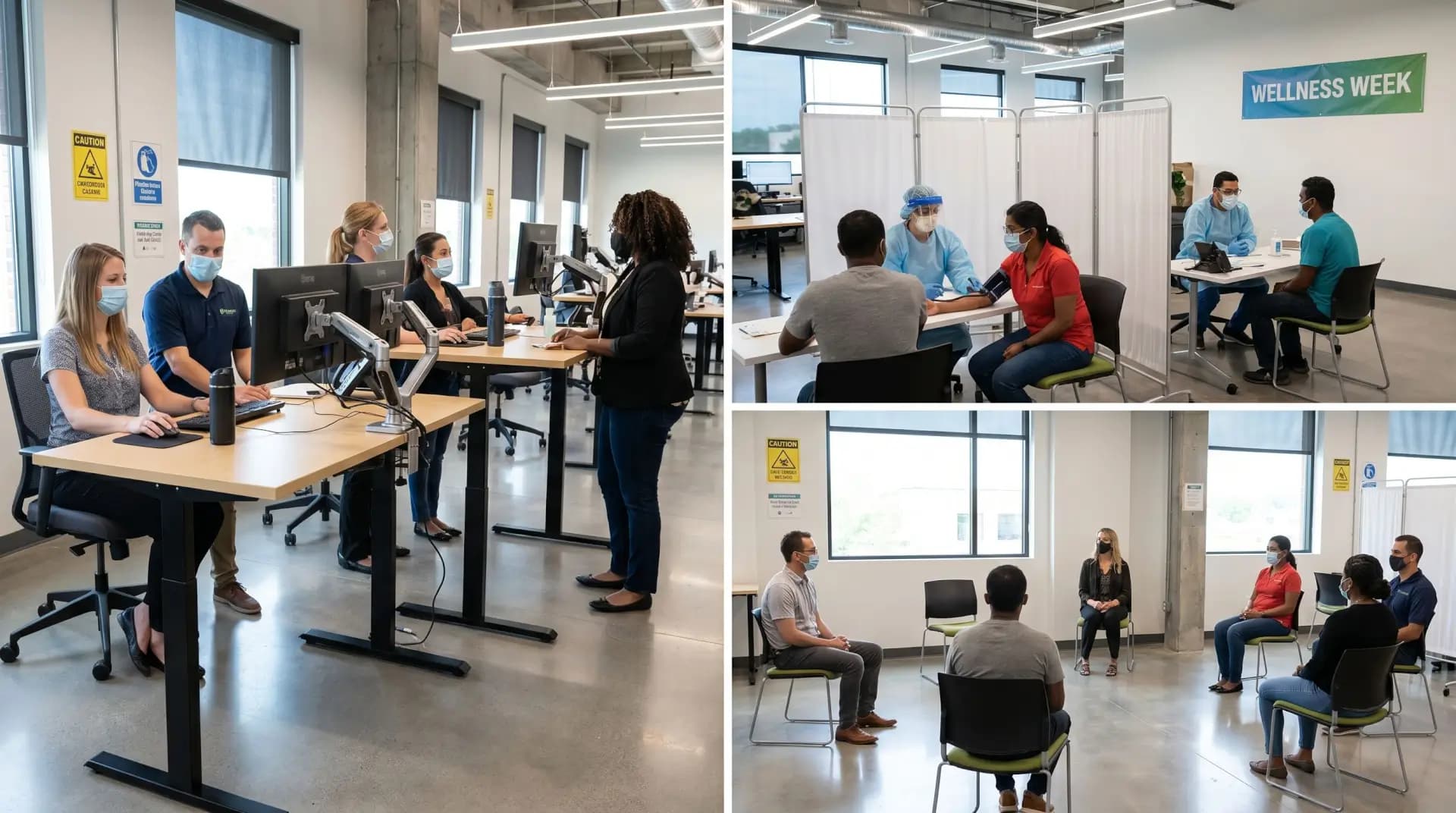
An occupational health nurse plays a practical and preventive role in the workplace: protecting worker health, supporting safe work, managing work-related illness and injury, guiding health surveillance, and helping employers make better decisions about risks before they become harm. In a well-managed workplace, the occupational health nurse is not only the person who responds after an injury. The stronger value is in early detection, prevention, case follow-up, worker education, and translating clinical findings into practical safety improvements.
Occupational health nursing sits between healthcare, safety management, legal compliance, and human performance. That position requires professional judgement. A good occupational health nurse understands both the worker’s health needs and the realities of the job task, exposure, shift pattern, equipment, environment, and control measures.
What Is an Occupational Health Nurse?
An occupational health nurse is a registered nurse with specialist involvement in workplace health. The role focuses on preventing work-related illness and injury, promoting health, supporting recovery, and advising employers on health risks connected to work.
In practice, the nurse may work as part of a wider HSE, occupational medicine, HR, or risk management team. In some organisations, the occupational health nurse is based on site. In others, the role is delivered through an external occupational health provider. Either model can work, but the nurse must have access to reliable information about actual workplace conditions.
The role should never be reduced to “clinic duty” only. First aid and treatment are visible parts of the job, but occupational health nursing is wider than that. It includes prevention, surveillance, fitness-for-work assessment support, rehabilitation planning, health education, confidential health records, and trend analysis.
A practical way to understand the role is this:
Area | How the Occupational Health Nurse Contributes |
|---|---|
Prevention | Identifies early signs of work-related ill health and supports control measures |
Clinical care | Assesses and manages minor injuries, illness episodes, and referrals |
Health surveillance | Supports repeated checks where workers are exposed to specific health risks |
Fitness for work | Helps determine whether a worker can safely perform required duties |
Case management | Supports safe return to work after injury or illness |
Education | Trains workers on health risks, symptoms, hygiene, ergonomics, and self-reporting |
Compliance support | Helps employers maintain required occupational health documentation |
Wellbeing | Supports worker health while keeping the focus on work-related risk control |
Key Responsibilities of an Occupational Health Nurse
The responsibilities vary by industry, jurisdiction, and risk profile, but the core purpose remains consistent: protect worker health and help the organisation manage occupational health risk.
1. Managing workplace injuries and illnesses
Occupational health nurses often provide first contact assessment when a worker is injured or becomes unwell at work. This may include:
Assessing the worker’s condition
Providing first aid or nursing care within professional scope
Referring the worker for medical treatment where required
Documenting the case accurately
Communicating work restrictions where appropriate
Supporting incident investigation from a health perspective
A common mistake is to treat the injury and close the matter. In my view, the better question is: what does this injury tell us about the workplace? A minor burn may point to poor guarding, unsuitable gloves, weak supervision, or a rushed task. A repeated back strain may point to manual handling design, work pace, staffing, or lack of mechanical aids.
The occupational health nurse should help convert clinical findings into prevention actions.
2. Supporting health surveillance
Health surveillance is one of the most important parts of occupational health. It is used where workers may be exposed to hazards that can cause identifiable health effects and where early detection can help prevent worsening harm.
Examples may include exposure to:
Noise
Respirable dust
Lead or other hazardous substances
Isocyanates or respiratory sensitizers
Vibration
Biological agents
Certain skin irritants or sensitizers
The occupational health nurse may perform or coordinate screening such as audiometry, spirometry, skin checks, vision screening, questionnaires, or biological monitoring, depending on competence, legal requirements, and medical oversight.
Health surveillance is not a substitute for risk control. This point matters. If surveillance results show early signs of harm, the first response should not be only to monitor the worker more closely. The employer must review exposure controls, work methods, PPE effectiveness, maintenance, training, and supervision.
3. Fitness-for-work assessments
Fitness for work is about whether a worker can safely perform a specific job without unacceptable risk to themselves or others. It is not a general judgement about a person’s value, capability, or employability.
The occupational health nurse may support fitness assessments for roles involving:
Driving
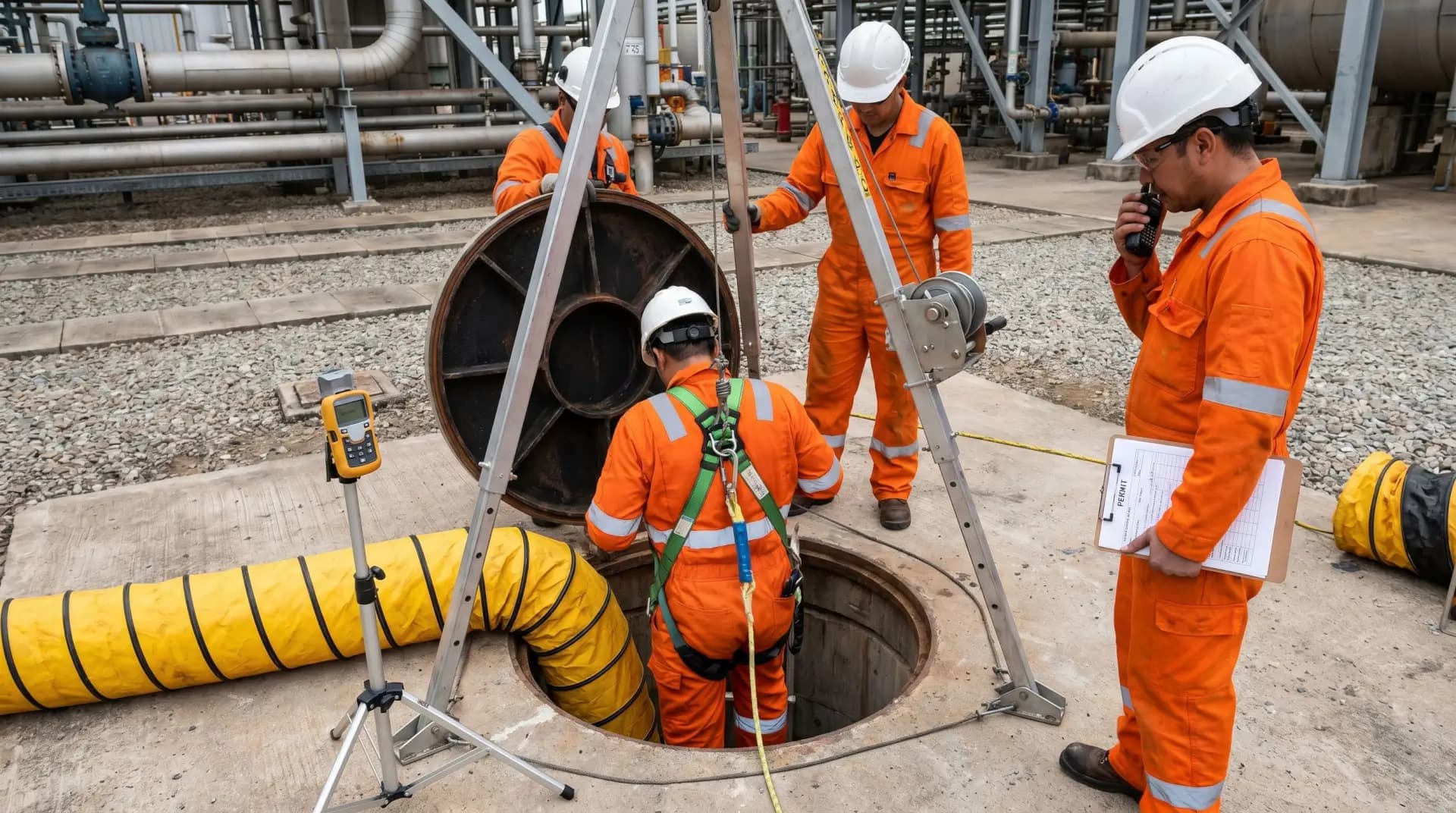
Confined space work
Work at height
Respirator use
Night work
Safety-critical operations
Heat exposure
Remote or isolated work
Physically demanding tasks
The assessment must relate to the job demands. A worker may be unfit for one task but fit for another with restrictions or adjustments. Good occupational health advice is specific, functional, and practical. Instead of vague wording such as “not fit,” the better advice is often framed around what the worker can and cannot safely do.
For example:
Poor Advice | Better Occupational Health Advice |
|---|---|
Not fit for duty | Temporarily avoid lifting above 10 kg and repetitive bending for two weeks |
Light work only | Fit for seated inspection duties; avoid ladder access and prolonged standing |
Medical issue noted | Fit for normal work if respirator seal check is passed and symptoms remain controlled |
4. Return-to-work and rehabilitation support
A safe return to work should be planned, not guessed. Occupational health nurses help bridge the gap between medical recovery and job requirements.
Their role may include:
Reviewing medical restrictions
Discussing functional capacity with the worker
Advising phased return plans
Recommending temporary adjustments
Monitoring recovery progress
Coordinating with supervisors, HR, and treating professionals where appropriate
Protecting medical confidentiality while sharing necessary work-related guidance
The strongest return-to-work plans are simple, time-bound, and reviewed. They should not leave supervisors guessing. A worker returning after a musculoskeletal injury, for example, may need reduced lifting, adjusted shift length, task rotation, or mechanical assistance for a defined period.
5. Health education and worker engagement
Occupational health nurses are often trusted because workers see them as health professionals rather than enforcement figures. That trust can be used carefully to improve reporting and prevention.
Useful education topics include:
Early symptoms of occupational disease
Heat stress prevention
Hearing protection
Respiratory protection
Skin care and dermatitis prevention
Fatigue and shift work
Manual handling
Bloodborne pathogen precautions
Mental health signposting
Medication and safety-critical work
Lifestyle risks that interact with job demands
The nurse should avoid making health promotion look like a replacement for hazard control. Encouraging hydration is useful, but it does not remove the employer’s duty to control heat exposure. Teaching stretching may support comfort, but it does not fix poor ergonomic design. This distinction protects both the worker and the integrity of the occupational health program.
Occupational Health Nurse and Workplace Risk Management
The occupational health nurse strengthens risk management by adding clinical insight to safety data. Safety teams often see hazards, incidents, inspections, and behaviours. Occupational health sees symptoms, trends, restrictions, and early signs of harm.
When these are connected, the workplace gets a clearer picture.
For example:
Repeated skin irritation may indicate chemical handling problems.
Increased headaches in one area may suggest ventilation or exposure concerns.
Multiple workers reporting hand numbness may point to vibration risk.
Frequent minor eye complaints may indicate poor face protection or airborne irritants.
Rising fatigue complaints may reflect overtime, shift design, or workload pressure.
This is where the occupational health nurse becomes a prevention partner. The nurse should work closely with HSE professionals, industrial hygienists, occupational physicians, supervisors, ergonomists, and worker representatives.
Practical health risk indicators the nurse should monitor
Indicator | What It May Suggest |
|---|---|
Repeat visits from the same department | Local task, exposure, or supervision issue |
Similar symptoms among several workers | Possible common workplace cause |
Increased minor injuries near shift end | Fatigue, pace, staffing, or lighting issue |
Failed hearing checks | Noise control or hearing protection weakness |
Respiratory symptoms after task changes | Dust, fume, or chemical exposure issue |
Delayed injury reporting | Fear, poor culture, or weak reporting system |
The nurse should not diagnose the workplace alone. But the nurse should raise patterns early, especially when worker health signals suggest that controls are not working as intended.
Confidentiality, Ethics, and Professional Boundaries
Occupational health nursing depends on trust. Workers must believe that their medical information will not be misused. Employers must receive enough functional information to manage safety and work planning. The nurse stands between these needs and must handle both carefully.
The basic rule is clear: medical details should remain confidential. Employers usually need work-related advice, not private diagnosis details.
A professional occupational health report should focus on:
Whether the worker is fit, unfit, or fit with restrictions
What adjustments may be needed
How long restrictions may apply
Whether review is required
Whether there are safety-critical concerns
Whether the issue may be work-related, where appropriate
It should avoid unnecessary disclosure of:
Full diagnosis unless consented and relevant
Medication details unless safety-critical
Personal history unrelated to work
Speculation
Judgemental language
YMYL trust note
Occupational health advice can affect employment, safety, medical privacy, and legal duties. The occupational health nurse should work within professional scope, local law, employer procedures, and medical governance. Complex cases should be referred to an occupational physician or suitable specialist. Fitness decisions for safety-critical roles should be evidence-based, documented, and reviewed.
Occupational Health Nurse in Legal and Compliance Support
The occupational health nurse does not replace the employer’s legal duty to provide a safe workplace. The nurse supports compliance by helping the employer understand and manage health risks.
Legal requirements differ by jurisdiction. In the United States, OSHA requirements may apply to recordkeeping, medical surveillance, first aid, exposure standards, and specific hazards. In Great Britain, HSE guidance and regulations may require health surveillance where workers remain exposed to certain risks despite control measures. Other countries have their own occupational health laws, reporting systems, and professional practice requirements.
A competent occupational health nurse helps the organisation by:
Maintaining accurate occupational health records
Supporting health surveillance schedules
Advising when referral is required
Helping classify occupational health information correctly
Supporting exposure-related medical programs
Participating in incident review
Identifying possible work-related illness trends
Advising on first aid and emergency medical arrangements
Supporting respirator medical clearance processes where required
Helping prepare health data summaries without breaching confidentiality
A key judgement call is separating first aid, medical treatment, recordable injury, restricted work, and occupational disease reporting. The terminology and thresholds vary by jurisdiction, so the nurse must not rely on habit alone. They should follow the applicable legal framework and company procedure.
How Occupational Health Nurses Improve Workplace Wellbeing
Workplace wellbeing is valuable, but it must be handled with maturity. In my practice view, wellbeing becomes weak when it is disconnected from work design. A poster about stress management will not solve unrealistic workload, poor supervision, bullying, excessive overtime, or lack of control over work.
An occupational health nurse can bring balance by addressing both personal health and work conditions.
Good workplace wellbeing support may include:
Early signposting for mental health support
Fatigue education for shift workers
Support for chronic disease management where relevant to work
Vaccination programs where appropriate
Health promotion campaigns
Ergonomic advice
Stress risk identification
Support after traumatic workplace events
Guidance on substance misuse policies
Heat stress and hydration programs
But the nurse should also ask deeper questions:
Is the workload sustainable?
Are workers able to report symptoms without fear?
Are supervisors trained to respond appropriately?
Are safety-critical workers fit for duty?
Are return-to-work plans realistic?
Are health campaigns supported by actual risk controls?
Wellbeing should not become a soft label for unmanaged occupational risk. The occupational health nurse helps keep that boundary clear.
Skills and Competencies of an Effective Occupational Health Nurse
The role requires more than clinical nursing skill. The workplace adds complexity because the nurse must understand operations, hazards, legal expectations, and organisational behaviour.
Important competencies include:
Competency | Why It Matters |
|---|---|
Clinical assessment | Supports safe triage, treatment, referral, and follow-up |
Occupational health knowledge | Connects symptoms with possible workplace exposures |
Risk awareness | Helps link health findings to job tasks and controls |
Communication | Converts medical advice into practical work guidance |
Confidentiality | Maintains worker trust and legal integrity |
Case management | Supports recovery and safe return to work |
Data interpretation | Identifies trends before harm becomes widespread |
Training ability | Helps workers understand symptoms and prevention |
Professional judgement | Balances worker health, safety, and operational needs |
Collaboration | Works effectively with HSE, HR, physicians, and management |
The best occupational health nurses are calm, observant, and precise. They do not overstate findings, but they also do not ignore weak signals. They know when to manage a case directly and when to escalate.
Common Misconceptions About Occupational Health Nurses
Several misunderstandings weaken occupational health programs.
Misconception 1: “The nurse is only for first aid.”
First aid is only one part of the role. A strong occupational health nurse helps prevent illness and injury through surveillance, education, trend review, case management, and risk communication.
Misconception 2: “Health surveillance means the workplace is safe.”
Health surveillance does not make the workplace safe by itself. It checks whether health effects may be developing. The main protection still comes from eliminating hazards, reducing exposure, engineering controls, safe systems of work, training, and effective PPE.
Misconception 3: “The employer should know the worker’s diagnosis.”
In most cases, the employer needs functional work advice, not private medical details. Confidentiality is not an obstacle to safety; it is part of professional occupational health practice.
Misconception 4: “Wellbeing programs can replace hazard control.”
They cannot. Health promotion may support workers, but it does not replace exposure control, ergonomic design, safe staffing, fatigue management, or psychosocial risk control.
Misconception 5: “Return to work is either full duty or no duty.”
Many workers can return safely with temporary restrictions, modified tasks, reduced exposure, or phased duties. The nurse helps define those controls clearly.
Conclusion
The role of the occupational health nurse in the workplace is both clinical and preventive. The nurse treats and supports workers, but the deeper value lies in identifying health risks early, guiding health surveillance, supporting safe return to work, protecting confidentiality, advising on fitness for duty, and helping the organisation learn from health trends.
A mature workplace does not use occupational health nursing only after something goes wrong. It brings the nurse into risk assessment, exposure review, worker education, incident learning, and wellbeing planning. When that happens, occupational health becomes part of the safety system rather than a separate clinic function.
From my perspective as an HSE professional, the occupational health nurse is most effective when given three things: access to the real work environment, authority to raise concerns, and clear professional boundaries. With those in place, the nurse becomes a strong link between worker health, operational safety, and responsible management.




Responses