

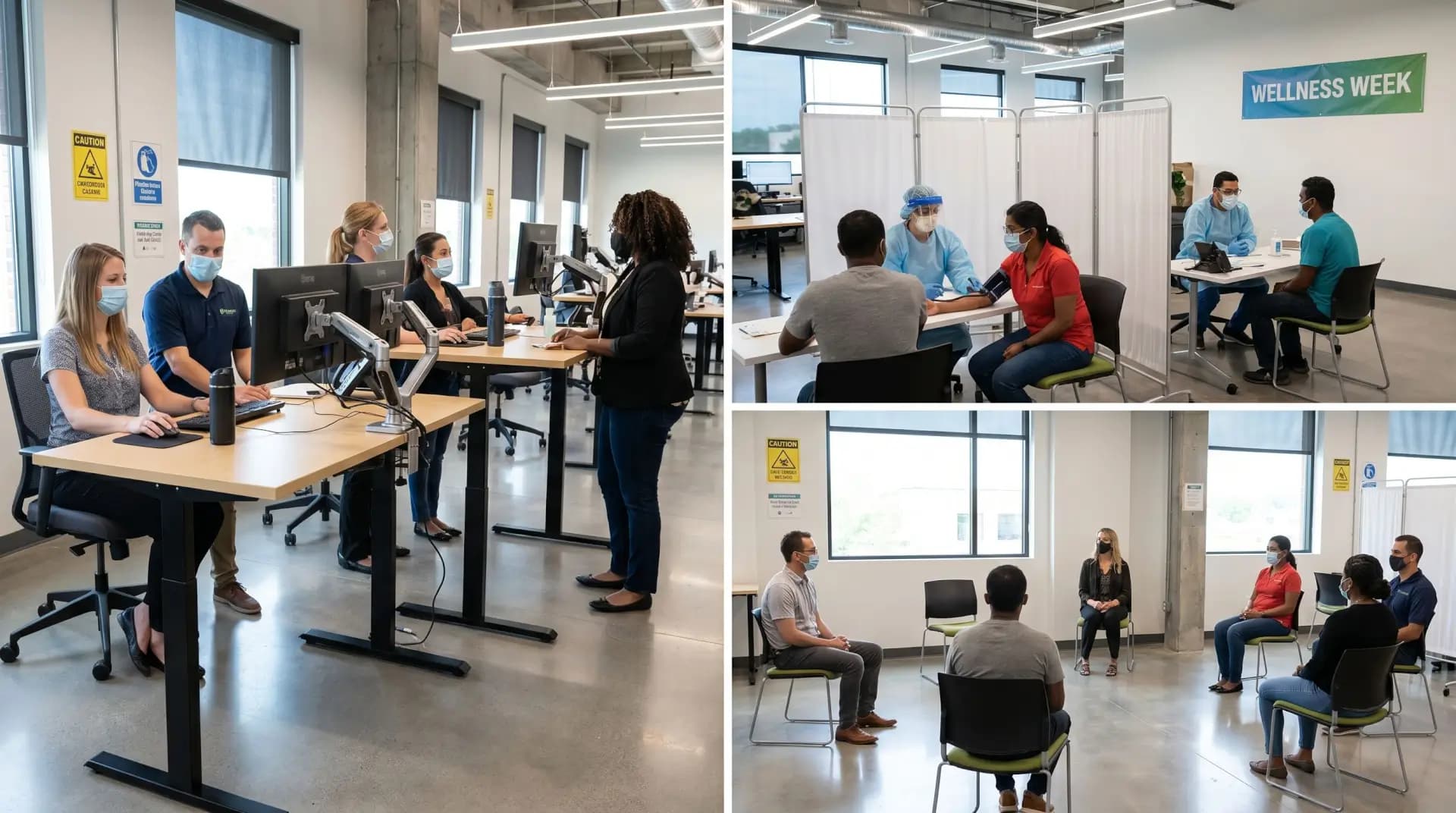
Absenteeism driven by health issues is rarely just a “people problem”—it is almost always a system failure. When employees are repeatedly absent due to illness, fatigue, or stress, it signals gaps in workplace health programs, risk controls, and organizational culture. The most effective way to reduce absenteeism is not enforcement—it is prevention through structured, targeted health initiatives that address both physical and psychological risk factors at their root.
In my professional practice, I have consistently observed that organizations with integrated health programs experience more stable attendance patterns, improved productivity, and fewer operational disruptions. The key lies in designing programs that are practical, measurable, and aligned with actual workplace risks—not generic wellness campaigns.
Understanding the Root Causes of Health-Related Absenteeism
Before implementing solutions, it is critical to identify why employees are absent. Health-related absenteeism typically stems from:
Occupational illnesses due to exposure (chemical, biological, ergonomic)
Musculoskeletal disorders (MSDs) from repetitive tasks or poor workstation design
Mental health issues, including stress, anxiety, and burnout
Fatigue, especially in shift-based or high-demand environments
Chronic conditions worsened by workplace conditions
A common mistake I see is organizations launching wellness programs without aligning them to these actual risk drivers. That approach rarely produces sustained results.
Designing a Targeted Workplace Health Program
An effective health program must be risk-based and data-driven. It should begin with:
Health Risk Assessment (HRA)
Conduct structured assessments to identify:
High-risk job roles
Common illness trends
Absenteeism patterns by department or shift
Workplace Exposure Evaluation
Evaluate:
Air quality
Noise levels
Ergonomic conditions
Workload intensity
Employee Feedback Integration
Direct input from workers often reveals hidden issues such as:
Excessive fatigue
Poor break structures
Psychosocial stressors
When these three inputs are combined, the program becomes targeted rather than generic.
Core Health Programs That Reduce Absenteeism
1. Preventive Health Screening
Routine screenings help detect early-stage health issues before they lead to absence.
Focus areas include:
Blood pressure and cardiovascular risk
Vision and hearing checks
Respiratory function (for exposed workers)
From an HSE standpoint, early detection significantly reduces long-term absence cases.
2. Ergonomics and Musculoskeletal Health Programs
Musculoskeletal issues are among the leading causes of absenteeism.
Effective controls include:
Workstation redesign
Manual handling training
Task rotation
Stretching and mobility routines
I have seen notable reductions in absenteeism when ergonomics is treated as a core safety priority rather than an optional improvement.
3. Mental Health and Stress Management
Psychological health is often underestimated but has a direct impact on attendance.
Key program elements:
Confidential counseling access
Stress management workshops
Supervisor training to recognize early signs
Workload and scheduling adjustments
A strong mental health framework reduces both short-term absenteeism and long-term disengagement.
4. Fatigue Management Systems
Fatigue is a silent contributor to both absenteeism and incidents.
Control strategies include:
Shift scheduling optimization
Mandatory rest periods
Monitoring overtime patterns
Fatigue awareness training
In high-risk industries, fatigue management is not optional—it is a critical control measure.
5. Health Promotion and Lifestyle Programs
These programs support overall employee wellbeing.
Examples include:
Physical activity initiatives
Nutritional guidance
Smoking cessation support
However, these must complement—not replace—core occupational health controls.
Strengthening Organizational Support Systems
Even well-designed health programs fail without organizational backing.
Leadership Commitment
Management must:
Actively support health initiatives
Allocate resources
Lead by example
Policy Integration
Health programs should be embedded into:
HSE policies
HR frameworks
Operational planning
Supervisor Engagement
Frontline supervisors play a critical role in:
Monitoring employee wellbeing
Encouraging participation
Identifying early warning signs
In my experience, absenteeism drops significantly when supervisors are trained to act proactively rather than reactively.
Monitoring and Measuring Effectiveness
Health programs must be continuously evaluated.
Key Performance Indicators (KPIs)
Track:
Absenteeism rate trends
Frequency of health-related absences
Return-to-work timelines
Employee participation levels
Data-Driven Adjustments
Programs should evolve based on:
Health data trends
Employee feedback
Incident correlations
Without measurement, even well-intentioned programs lose direction.
Addressing Return-to-Work Effectively
Reducing absenteeism also means managing returns properly.
Structured Return-to-Work Programs
Include:
Medical clearance processes
Modified duties where necessary
Gradual reintegration plans
This approach prevents relapse and reduces repeated absences.
Common Mistakes to Avoid
From professional observation, these are the most frequent failures:
Treating health programs as HR initiatives only
Ignoring mental health factors
Focusing on awareness without implementing controls
Lack of leadership involvement
No measurement or follow-up
Avoiding these pitfalls is as important as implementing the programs themselves.
Conclusion
Reducing absenteeism through health programs requires a shift from reactive management to preventive strategy. It is not about offering isolated wellness activities—it is about building a structured system that identifies risks, implements targeted controls, and continuously improves based on real data.
When health programs are aligned with workplace hazards and supported by leadership, absenteeism naturally declines. The outcome is not just better attendance—it is a healthier, more resilient workforce and a more stable operation overall.







Responses