

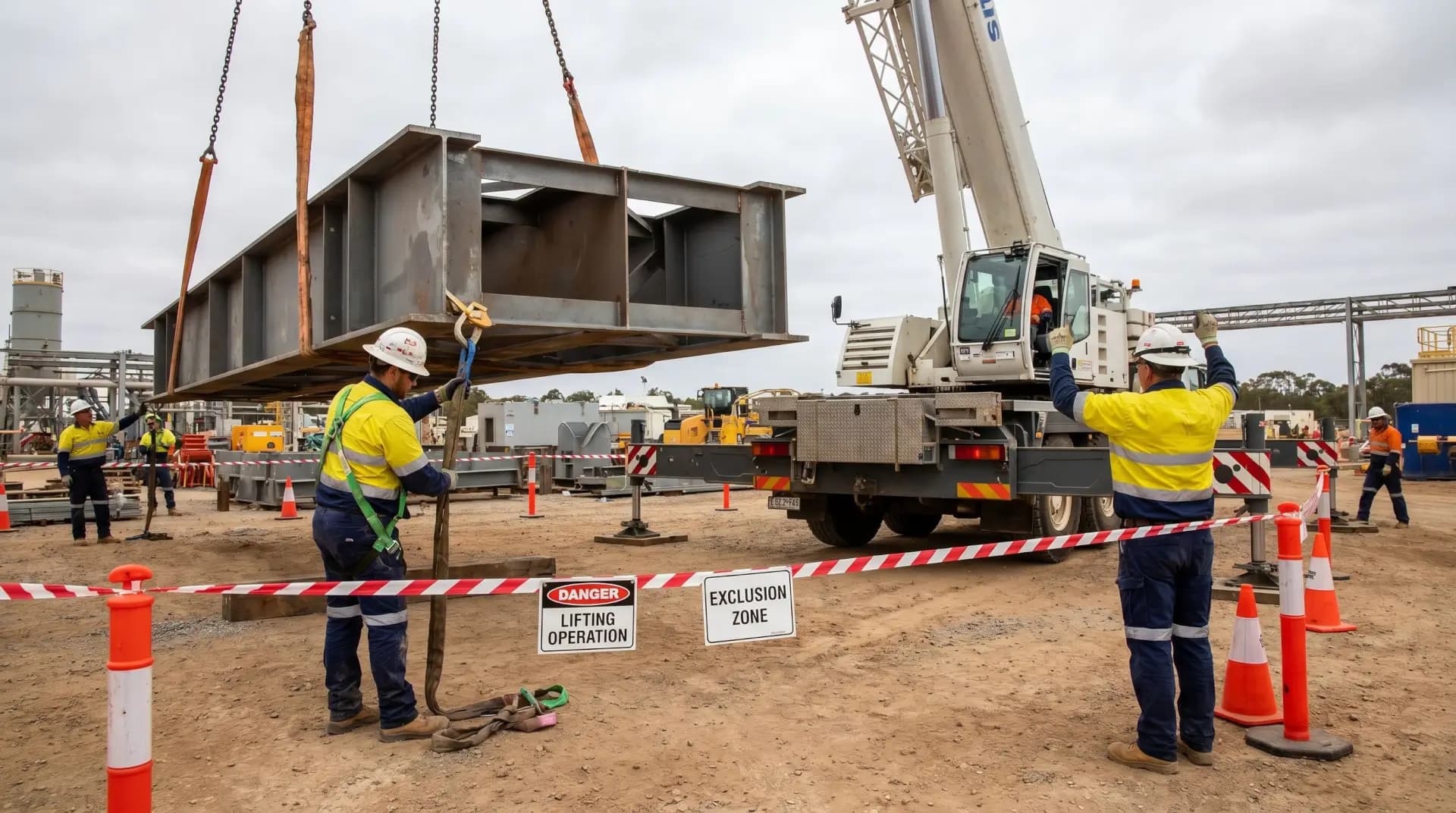
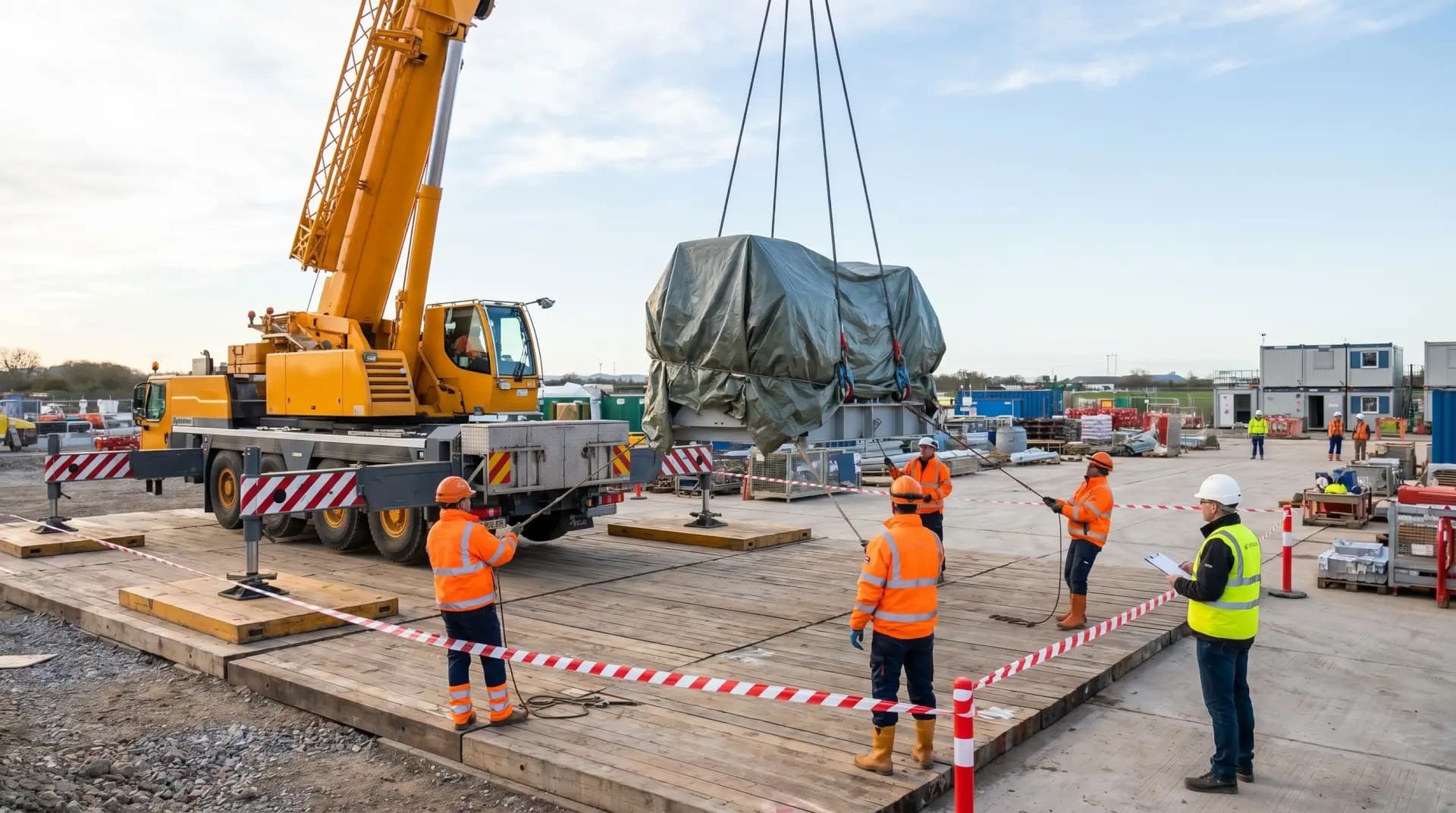
Riggers and signalmen carry direct control over load movement, and in practical terms, they control risk. Every lift—whether routine or complex—depends on their judgment, communication, and discipline. Unsafe rigging or unclear signaling is one of the fastest ways to turn a controlled operation into a fatal incident. Their safety responsibilities are not supportive; they are central to lifting operations.
Core Safety Responsibility of Riggers
A rigger’s primary duty is to ensure that loads are properly prepared, secured, and lifted without creating instability or exposure to personnel and equipment.
Load Assessment and Planning
Before any lift, I treat the load as a hazard until proven controlled. A competent rigger must:
Determine load weight, center of gravity, and dimensions
Select appropriate lifting gear (slings, shackles, hooks)
Confirm lifting points are structurally sound
Identify environmental risks such as wind or uneven ground
Misjudging load weight or balance is a common failure point. It leads to shock loading, sling failure, or uncontrolled swinging.
Inspection of Lifting Equipment
Riggers are responsible for ensuring all rigging gear is fit for use:
Check slings for cuts, abrasion, or deformation
Inspect shackles for pin damage or thread wear
Verify hooks have functional safety latches
Ensure certification and inspection tags are valid
Equipment failure during lifting is rarely sudden—it usually results from ignored warning signs.
Proper Rigging Techniques
Execution matters as much as planning. Riggers must:
Use correct sling angles to avoid overloading
Protect slings from sharp edges
Balance loads to prevent tilting or shifting
Avoid knotting or improper hitching
Poor rigging technique compromises load stability and increases dynamic forces during lifting.
Maintaining Safe Zones
A disciplined rigger enforces exclusion zones:
Keep personnel clear of suspended loads
Prevent unauthorized access to lifting areas
Maintain awareness of pinch points and swing radius
No one should ever stand under or near a suspended load—this is a non-negotiable rule.
Core Safety Responsibility of Signalmen
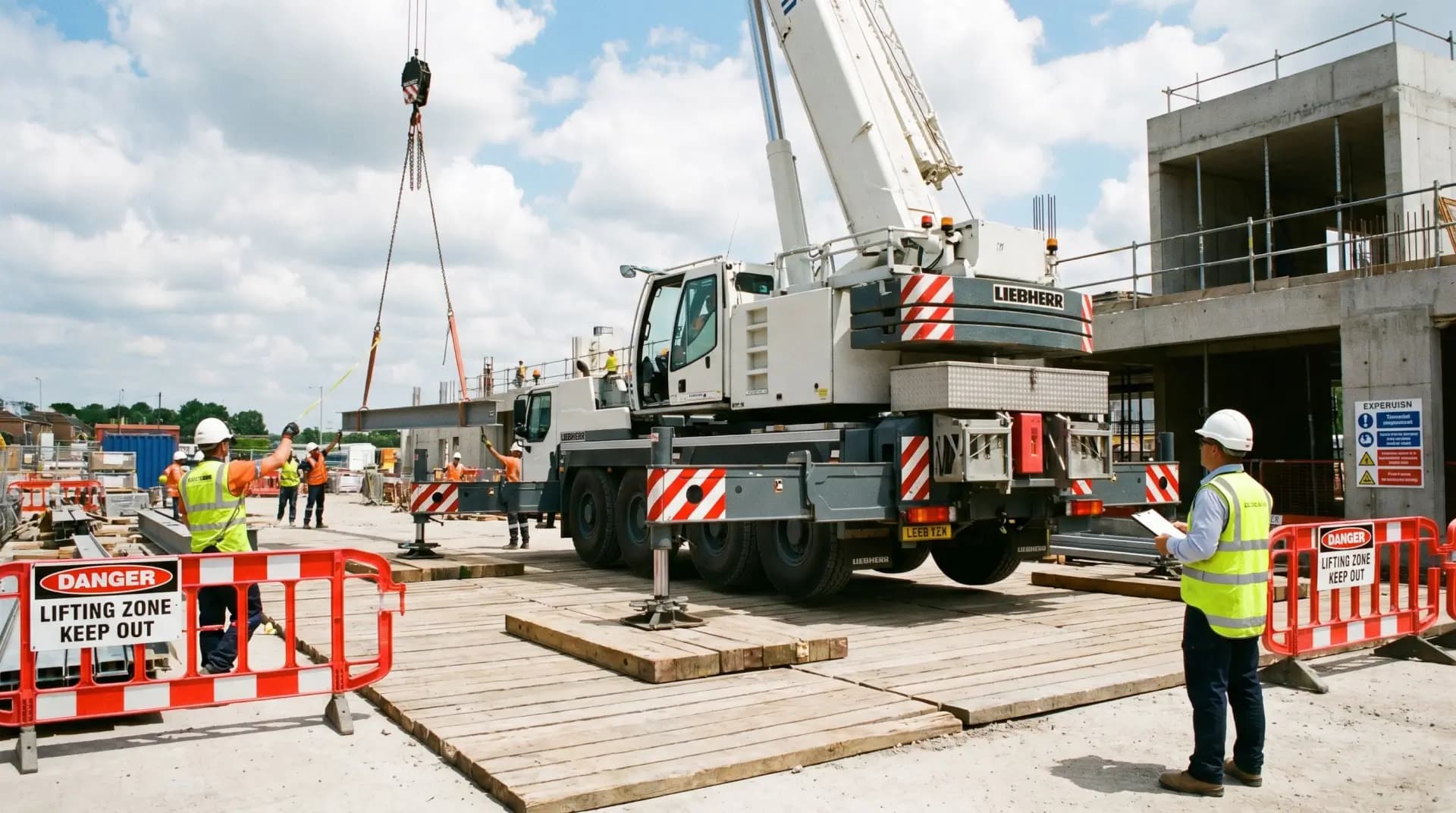
Signalmen act as the crane operator’s eyes and ears when visibility is limited. Their role is communication under pressure.
Clear and Standardized Signaling
Signalmen must use approved and universally understood signals:
Hand signals must be precise and deliberate
Radio communication should be clear and uninterrupted
Only one designated signalman should communicate with the operator
Conflicting signals create hesitation or incorrect movement, which increases risk instantly.
Maintaining Continuous Visibility
The signalman must always maintain:
Clear line of sight with the load and crane
Awareness of surrounding personnel and obstacles
Positioning that avoids blind spots
If visibility is lost, the lift must stop. Continuing without visual control is a critical error.
Monitoring Lift Movement
Signalmen actively control the lift through observation:
Guide load movement to avoid collisions
Monitor load stability and swing
Communicate speed adjustments to the operator
They are not passive communicators—they are active controllers of movement safety.
Shared Responsibilities Between Rigger and Signalman
The effectiveness of lifting operations depends on coordination between both roles.
Pre-Lift Coordination
Before the lift begins:
Agree on signaling methods
Review lift plan and hazards
Confirm roles and responsibilities
Lack of coordination is one of the most common root causes in lifting incidents.
Hazard Awareness
Both roles must continuously assess:
Changing weather conditions
Ground stability
Nearby operations and personnel
Situational awareness is dynamic. Conditions can change mid-lift.
Authority to Stop Work
Both rigger and signalman must have—and use—the authority to stop unsafe operations:
Stop the lift if load becomes unstable
Halt operations if communication fails
Intervene if personnel enter danger zones
Stopping work is not a delay—it is control.
Common Failures I See in the Field
From a practical HSE perspective, recurring issues include:
Informal or non-standard hand signals
Overloading due to incorrect sling angles
Poor communication between multiple signalmen
Lack of exclusion zone enforcement
Using damaged or uncertified rigging gear
These are not technical failures—they are discipline failures.
Competency and Training Requirements
Competence is not optional in lifting operations.
Rigger Competency
A qualified rigger must demonstrate:
Understanding of load dynamics
Knowledge of lifting gear capacities
Ability to inspect and reject faulty equipment
Signalman Competency
A trained signalman must:
Use standardized signaling systems
Communicate clearly under pressure
Understand crane movement and limitations
Training should align with recognized standards and be regularly refreshed.
Regulatory Expectations and Industry Standards
Across major safety frameworks:
Lifting operations must be planned and supervised by competent persons
Equipment must be inspected and certified
Clear communication systems must be established
Safe systems of work must be documented
These principles are consistent across international standards such as OSHA, HSE UK, and ISO guidance for lifting operations.
Conclusion
Riggers and signalmen are the control system of any lifting operation. When they perform their roles correctly, risks are managed and predictable. When they fail, incidents escalate quickly and often severely. In my professional assessment, most lifting incidents are preventable—not through more rules, but through disciplined execution of existing responsibilities.

Responses