

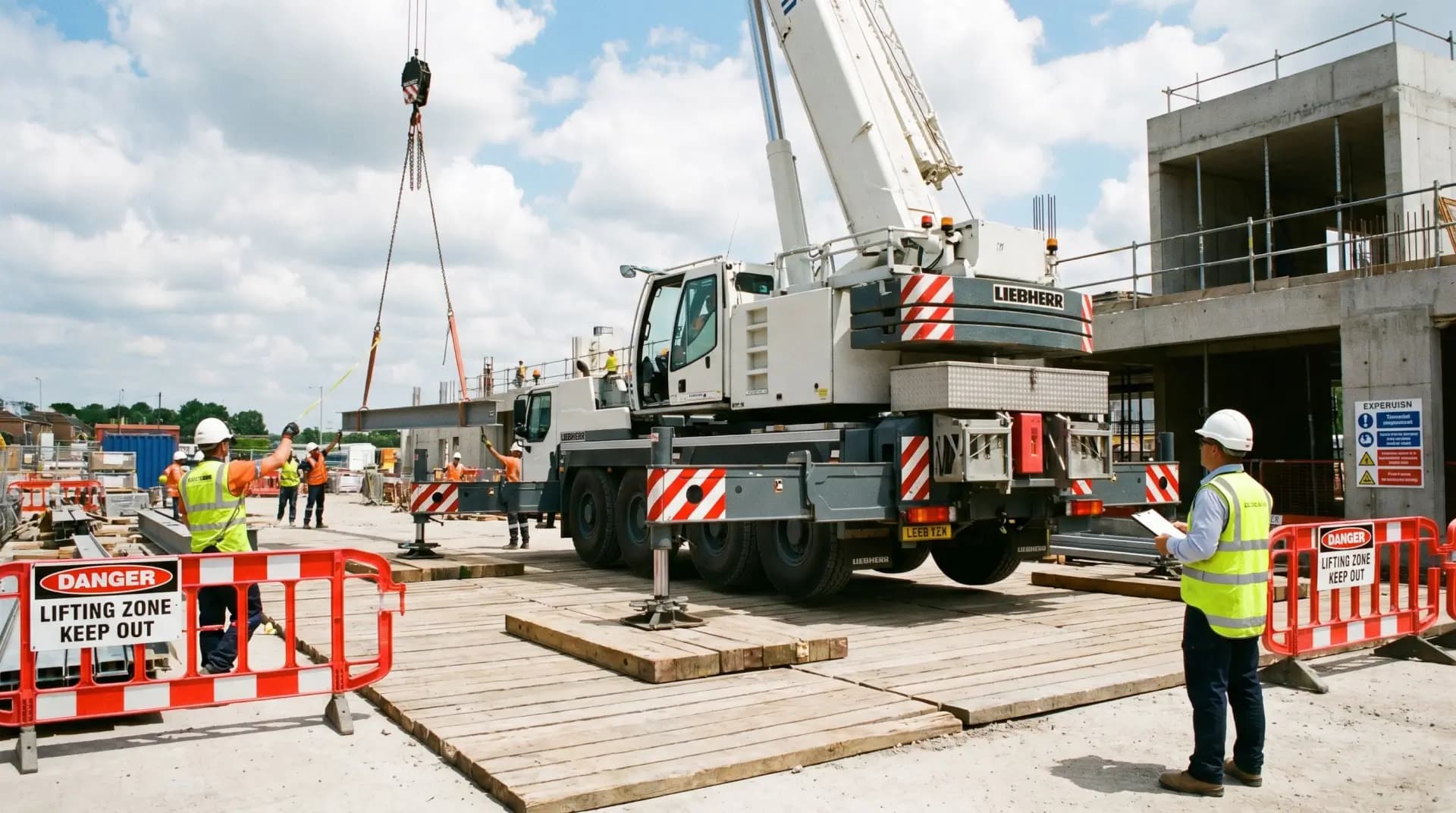
A crane risk assessment is a structured evaluation of hazards associated with lifting operations, followed by practical controls to eliminate or reduce those risks to an acceptable level. It is not a paperwork exercise; it is a decision-making process that directly determines whether a lift proceeds safely, is modified, or is stopped altogether.
In my professional practice, an effective crane risk assessment always answers three questions upfront: What can go wrong? How severe could it be? What controls will prevent it? Everything else flows from that clarity.
Understanding the Scope of Crane Risk Assessment
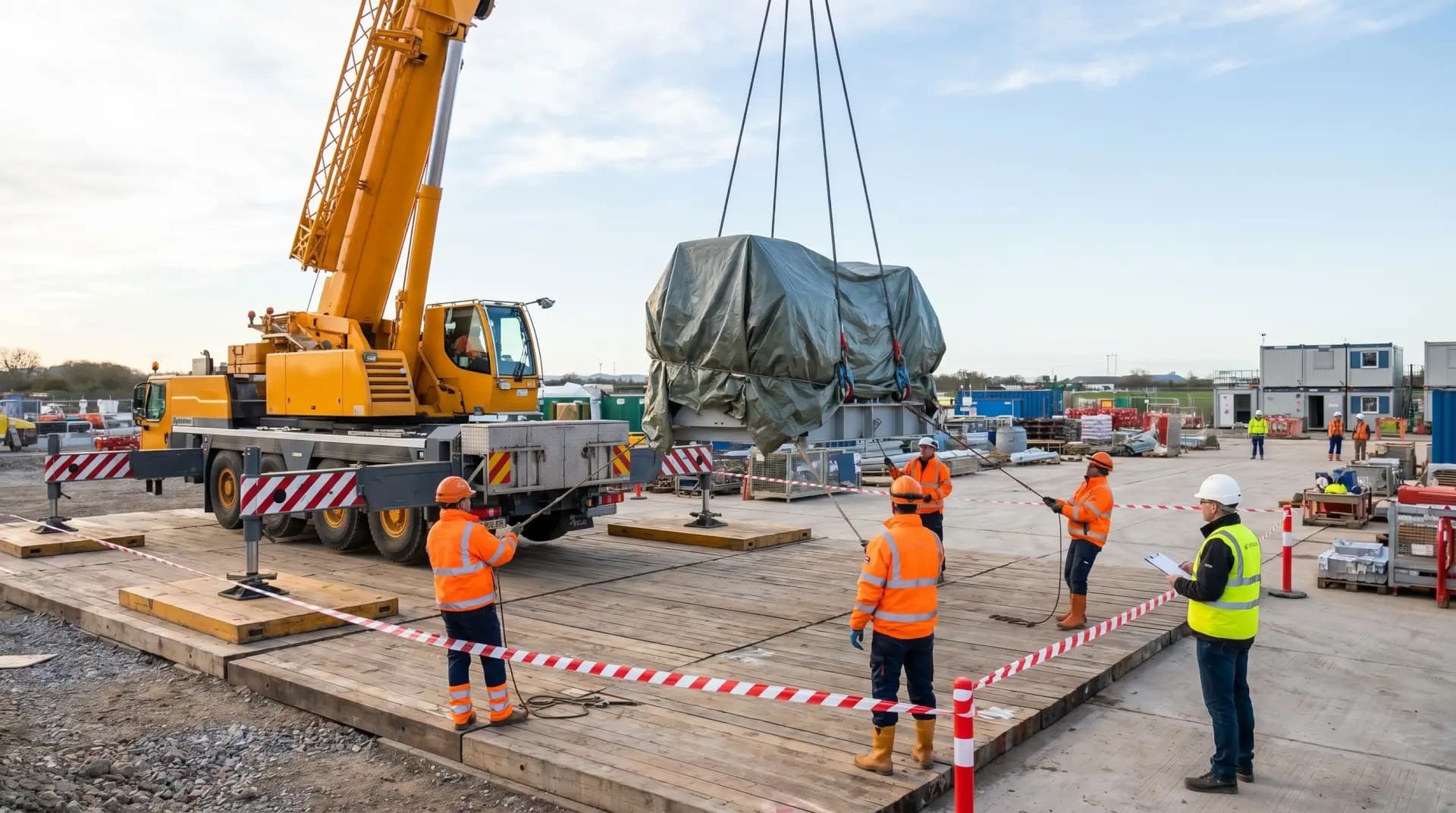
A crane risk assessment applies to all lifting operations—routine, non-routine, and critical lifts. The complexity of the assessment depends on factors such as load weight, lift radius, environment, and proximity to hazards.
Key scenarios that always demand a detailed assessment include:
Lifts near overhead power lines
Tandem (multiple crane) operations
Lifting personnel
Heavy or irregular loads
Confined or congested sites
Ignoring complexity is where most lifting failures begin—not during execution, but during planning.
Step-by-Step Process to Conduct a Crane Risk Assessment
1. Define the Lifting Activity
Start by clearly identifying:
Type of crane (mobile, tower, crawler)
Nature of the load (weight, shape, center of gravity)
Lift path and final placement location
If these basics are unclear, the assessment is already compromised.
2. Identify Hazards
This is the core of the assessment. I typically group hazards into five categories:
a. Mechanical Hazards
Crane overload
Equipment failure
Poor maintenance condition
b. Environmental Hazards
High wind speeds
Uneven or unstable ground
Poor visibility
c. Operational Hazards
Untrained operators
Communication breakdown
неправиль rigging practices
d. Proximity Hazards
Nearby structures
Traffic and personnel
Underground services
e. Electrical Hazards
Overhead power lines
Energized equipment
A common mistake is listing generic hazards. A good assessment identifies site-specific risks.
3. Evaluate Risk Level
Assess each hazard in terms of:
Likelihood of occurrence
Severity of consequence
This can be done using a qualitative risk matrix (low, medium, high), but the key is judgment—not just scoring.
For example:
Crane collapse → Low likelihood, extremely high severity → High risk
Minor load swing → Moderate likelihood, low severity → Medium risk
4. Determine Control Measures
Controls must follow the hierarchy of risk control:
Elimination
Avoid lifting over live work areas
Substitution
Use smaller loads or alternative lifting methods
Engineering Controls
Outriggers, load moment indicators, anti-collision systems
Administrative Controls
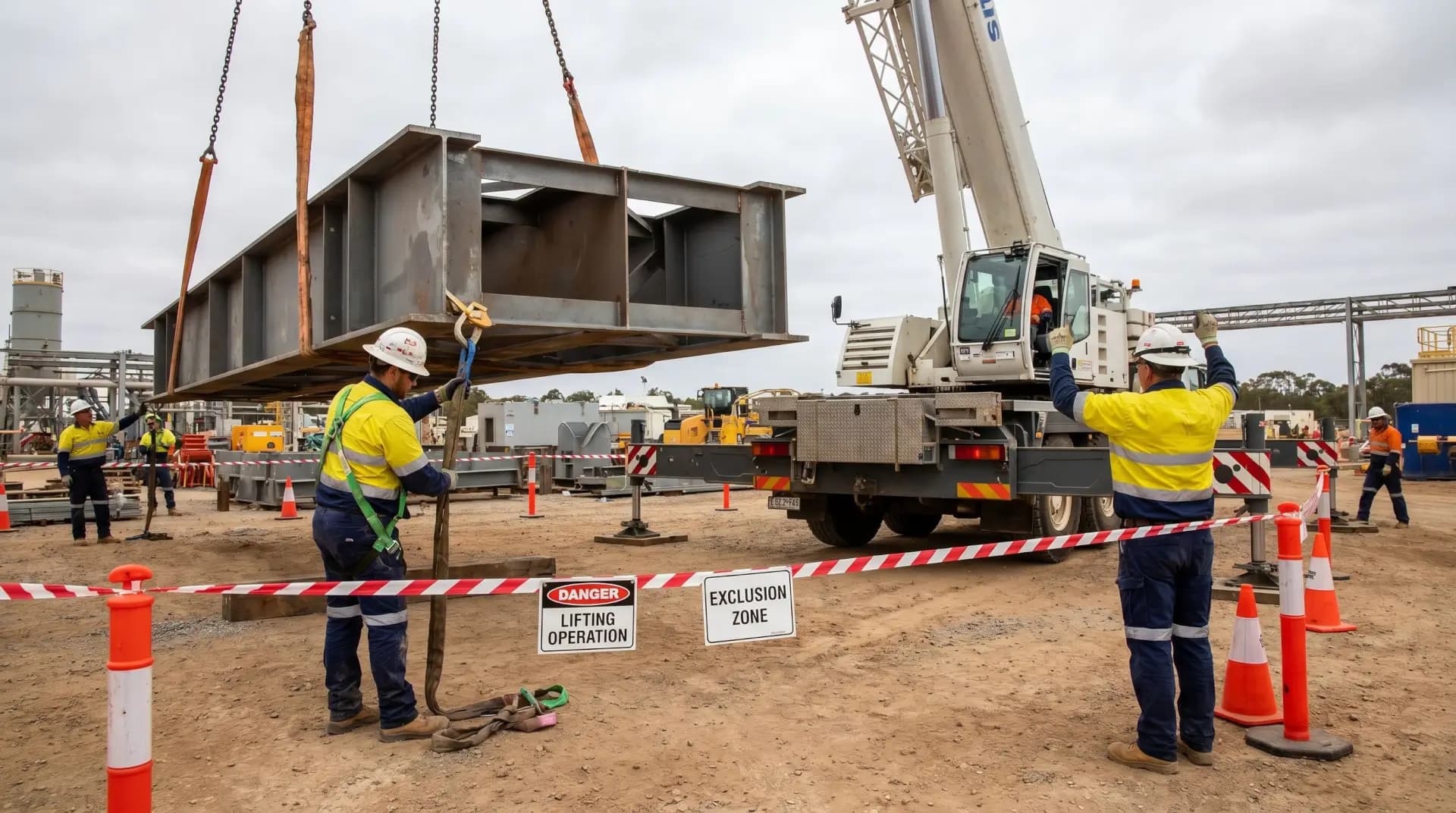
Lift plans, permits, exclusion zones, trained personnel
PPE
Helmets, gloves, high-visibility clothing
In practice, engineering and administrative controls carry the most weight in crane operations.
5. Develop a Lift Plan
For medium to high-risk lifts, a documented lift plan is essential. It should include:
Crane configuration
Load calculations
Rigging details
Communication method (e.g., hand signals or radios)
Emergency procedures
Critical lifts require a more detailed engineered plan, often reviewed by a competent person or lifting engineer.
6. Assign Roles and Responsibilities
Every lifting operation must have clearly defined roles:
Crane operator
Rigger
Signalman (banksman)
Lift supervisor
Ambiguity in roles is a recurring root cause in lifting incidents.
7. Implement and Monitor Controls
Risk assessment does not end at documentation. During execution:
Monitor weather conditions
Verify ground stability
Ensure communication is maintained
If conditions change, the lift must be reassessed. Continuing blindly is unacceptable.
Common Mistakes I See in Crane Risk Assessments
Over the years, certain patterns consistently emerge:
Copy-paste risk assessments with no site relevance
Underestimating wind effects on loads
Ignoring ground bearing capacity
Poor communication planning
Treating “routine lifts” as low risk without verification
Routine lifts are only safe because they are consistently controlled—not because they are inherently risk-free.
Regulatory and Best Practice Alignment
While specific legal requirements vary by jurisdiction, most international frameworks (such as OSHA, HSE UK, and ISO standards) require:
Proper planning of lifting operations
Competent personnel involvement
Suitable and maintained equipment
Safe execution under supervision
A compliant risk assessment aligns with these principles—not just in format, but in intent.
Practical Field Insight
In real-world operations, the most effective crane risk assessments are:
Conducted collaboratively (operator, supervisor, rigging team)
Reviewed at the worksite, not just in the office
Adjusted dynamically as conditions change
Paper compliance does not prevent incidents—situational awareness does.
Conclusion
Conducting a crane risk assessment is about anticipating failure before it happens and putting controls in place that are realistic, enforceable, and understood by the entire lifting team. When done properly, it transforms lifting operations from high-risk activities into controlled and predictable tasks.
The difference between a safe lift and an incident is rarely luck—it is almost always the quality of the risk assessment behind it.



Responses