


Reducing energy consumption at work is not a single action—it is a structured approach combining behavioral discipline, equipment efficiency, and operational control. In my professional practice, I have consistently observed that organizations achieve measurable reductions when they align daily work habits with energy-aware systems rather than relying solely on technology upgrades.
Energy reduction begins with identifying where energy is being wasted, followed by practical controls that target lighting, equipment, HVAC systems, and employee behavior. When applied systematically, even simple interventions can produce sustained efficiency gains without compromising productivity.
Understanding Where Energy Is Consumed
Before implementing controls, it is essential to understand typical workplace energy distribution. Most facilities consume energy across:
Lighting systems
Heating, Ventilation, and Air Conditioning (HVAC)
Office equipment and machinery
Process-related energy use (in industrial settings)
From my experience, HVAC and lighting alone often account for a significant portion of total energy use. This makes them priority areas for immediate intervention.
A structured energy review—whether formal or observational—helps identify:
Equipment running unnecessarily
Poor insulation or air leakage
Inefficient work practices
Outdated or energy-intensive machinery
Optimizing Lighting Efficiency
Lighting is one of the quickest areas to improve with minimal disruption.
Practical Measures:
Replace conventional bulbs with LED lighting systems
Install motion sensors in low-occupancy areas (e.g., corridors, restrooms)
Maximize natural daylight through workspace design
Implement task lighting instead of full-area illumination
I have seen workplaces reduce lighting-related energy use simply by enforcing a “switch-off” culture combined with automated controls.
Managing HVAC Systems Effectively
HVAC systems are often the largest energy consumers in workplaces. Poor control can lead to continuous energy waste.
Key Controls:
Maintain temperature within recommended comfort ranges
Schedule HVAC systems based on occupancy
Regularly service filters and ducts
Seal air leaks around windows and doors
A common issue I encounter is overcooling or overheating due to poor thermostat management. Even small adjustments in temperature settings can significantly impact energy consumption over time.
Improving Equipment and Appliance Efficiency
Office and industrial equipment contribute heavily to energy use, especially when left running unnecessarily.
Recommended Practices:
Enable power-saving modes on computers and devices
Shut down equipment after working hours
Use energy-efficient appliances with certified ratings
Avoid leaving chargers and idle devices plugged in
From a behavioral standpoint, ensuring employees take ownership of equipment shutdown routines is often more effective than relying solely on automated systems.
Promoting Energy-Conscious Behavior
Technology alone cannot solve energy inefficiency. Workplace culture plays a decisive role.
Behavioral Strategies:
Conduct energy awareness sessions
Assign energy champions within departments
Display reminders for switching off unused equipment
Encourage accountability at all levels
In my practice, I have observed that when employees understand the operational and environmental impact of energy waste, compliance improves naturally without enforcement pressure.
Implementing Monitoring and Control Systems
“What gets measured gets managed.” Without monitoring, energy reduction efforts lose direction.
Effective Monitoring Approaches:
Install smart meters to track energy usage patterns
Conduct periodic energy audits
Set realistic energy reduction targets
Review consumption trends regularly
Even basic monitoring can reveal hidden inefficiencies, such as equipment running during non-operational hours.
Integrating Energy Efficiency into Workplace Policies
Sustainable energy reduction requires formal integration into organizational systems.
Policy-Level Actions:
Develop an energy management policy
Include energy efficiency in procurement decisions
Align practices with recognized frameworks such as ISO energy management standards
Assign clear roles and responsibilities
When energy management becomes part of official policy, it transitions from an initiative to a sustained operational priority.
Common Mistakes That Increase Energy Waste
Across multiple workplaces, I repeatedly encounter avoidable issues:
Leaving systems running after working hours
Over-reliance on manual controls without accountability
Ignoring maintenance of HVAC and electrical systems
Lack of employee awareness
No tracking or review of energy performance
Addressing these gaps alone can produce noticeable improvements without capital investment.
Conclusion
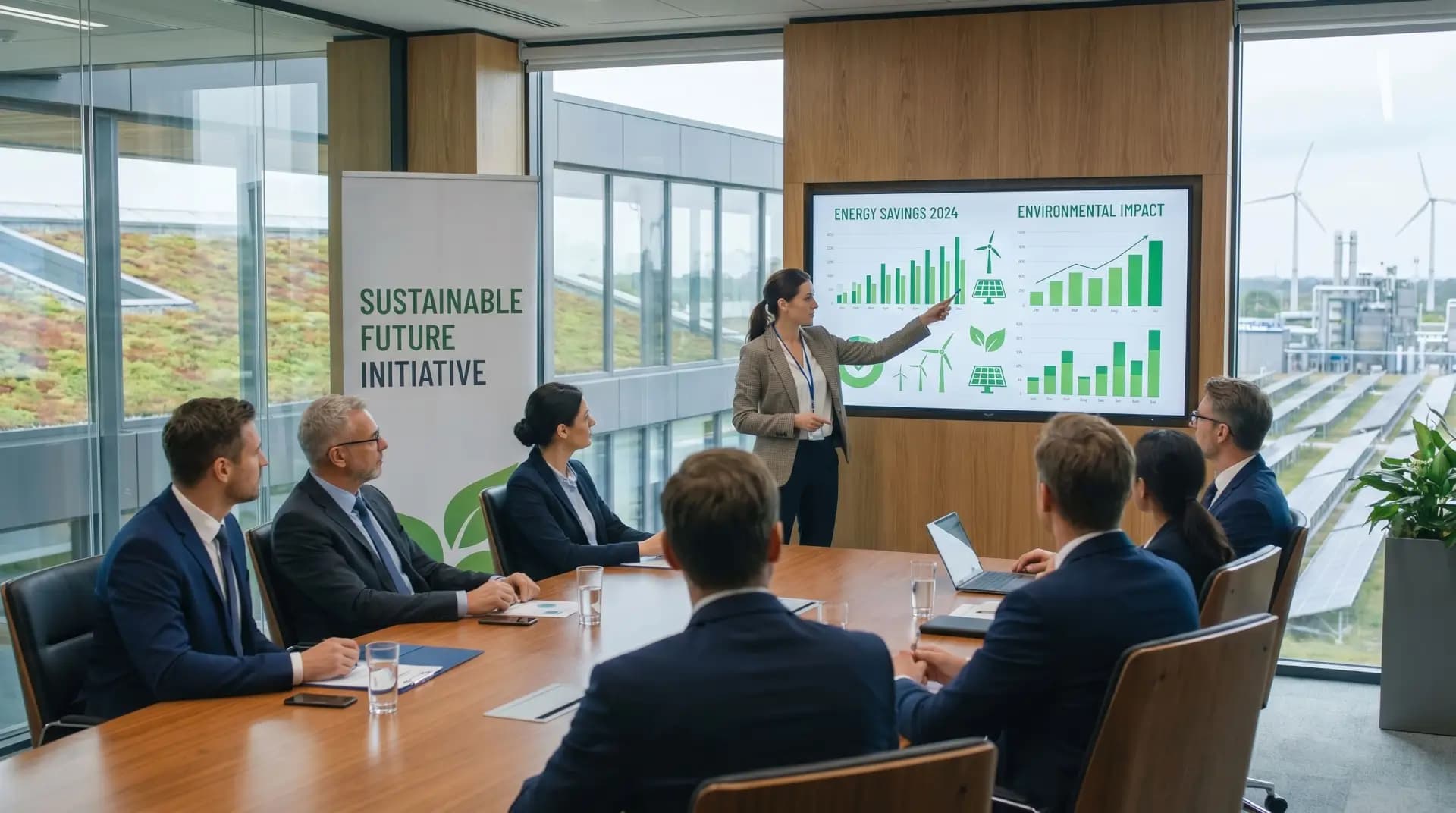
Reducing energy consumption at work is not about drastic changes—it is about consistent, well-managed actions across systems and people. In my professional view, the most effective workplaces are those that combine efficient technology, informed employees, and structured monitoring.
Energy efficiency should be treated as an operational discipline rather than a one-time initiative. When approached this way, it not only reduces costs but also strengthens overall workplace sustainability and responsibility.



Responses