

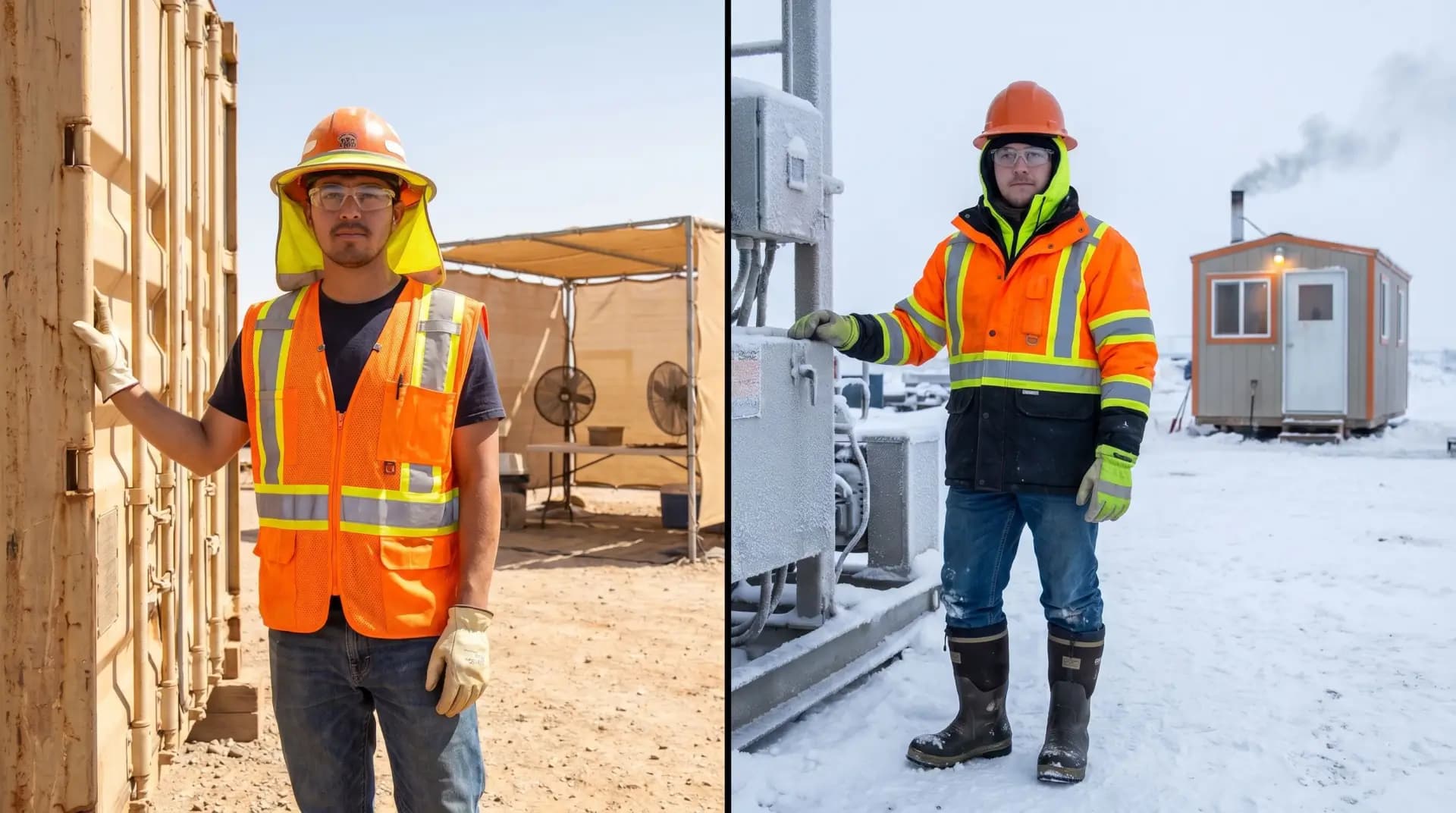
PPE for working in extreme temperatures must do two things at the same time: protect the worker from the job hazard and prevent the PPE itself from creating a heat or cold stress problem. In hot environments, the wrong PPE can trap heat, block sweat evaporation, and raise the risk of heat illness. In cold environments, inadequate or poorly layered PPE can allow heat loss, frostbite, reduced dexterity, and poor decision-making. PPE should never be selected by temperature alone; it must be selected through a task-based risk assessment that considers climate, radiant heat, wind, humidity, workload, exposure time, chemicals, flame, electrical hazards, visibility, and emergency response needs.
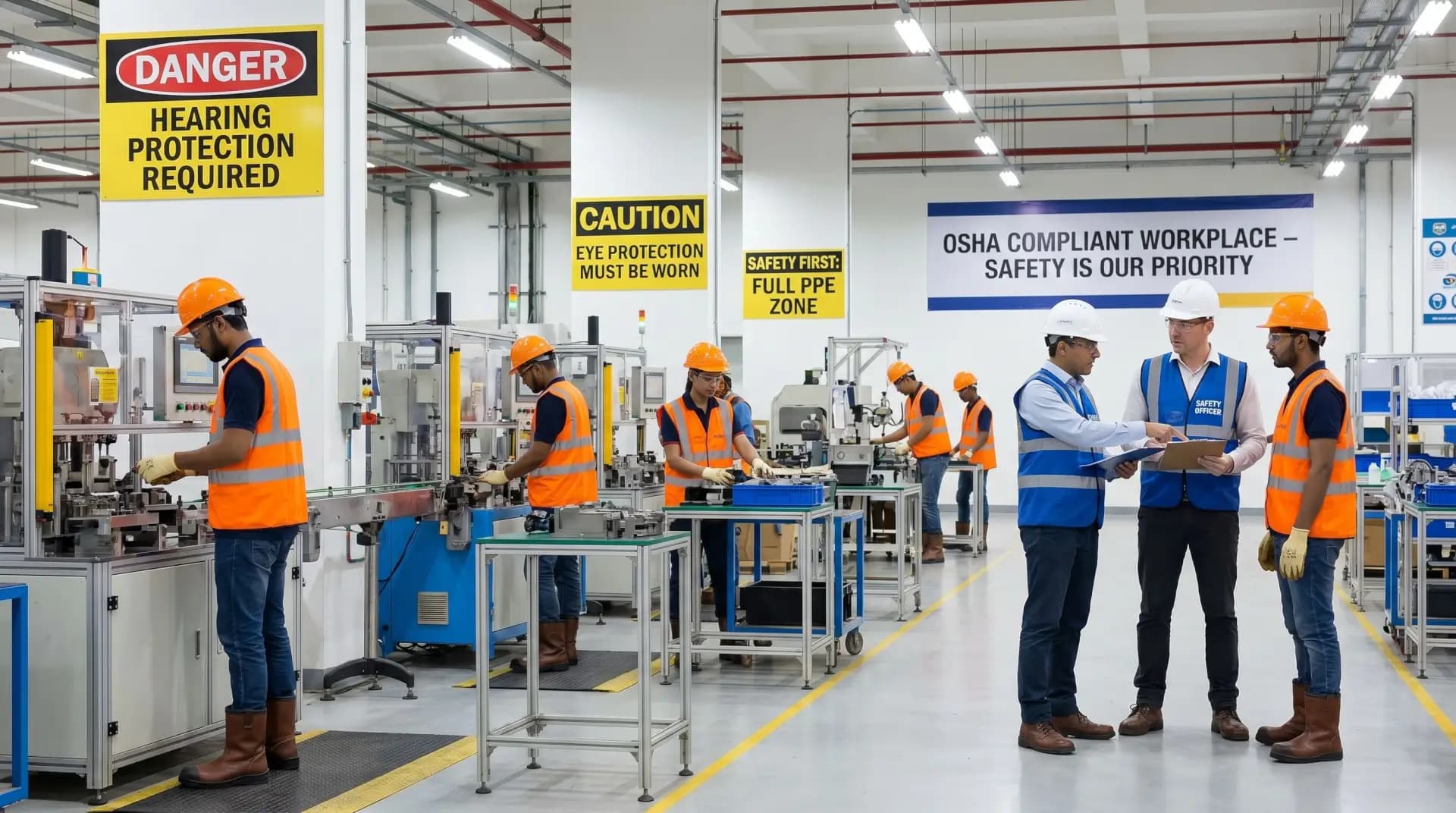
Under OSHA’s United States PPE requirements, employers must assess workplace hazards, select suitable PPE, communicate PPE decisions, and ensure proper fit. OSHA also recognizes heat and cold atmospheric conditions as hazards considered under PPE assessment. In Great Britain, HSE guidance treats PPE as a last line of defense after risks have been controlled as far as reasonably practicable, and it warns that non-breathable PPE can increase heat stress by limiting sweat evaporation.
Why Extreme Temperature PPE Needs More Than a Standard Checklist
In normal conditions, PPE selection often focuses on the direct hazard: impact, splash, dust, flame, sharp edges, noise, or falling objects. Extreme temperature work adds another layer. The worker is not only exposed to the hazard; the worker’s body is also fighting the environment.
In heat, PPE may reduce the body’s ability to cool itself. NIOSH states that certain PPE and clothing ensembles can increase heat-related illness risk, especially when they are waterproof, vapor-impermeable, heavy, layered, or combined with respirators, face shields, gloves, boots, or gowns.
In cold, PPE must preserve body heat without creating secondary hazards. Too much insulation can cause sweating during heavy work; once sweat cools, the worker can become colder during rest or low-activity periods. Too little insulation exposes the hands, feet, ears, and face to cold injury. NIOSH advises loose layers, protection for ears, face, hands, and feet, waterproof insulated boots, warm breaks, and spare dry clothing for cold work.
My practical rule is simple: PPE must match the full exposure cycle, not just the moment the worker starts the task. That includes walking to the work area, performing the task, waiting, taking breaks, decontaminating, removing PPE, and responding to emergencies.
PPE for Hot Environments
Hot work PPE is often misunderstood. Light clothing is not automatically safe, and heavy PPE is not automatically wrong. The correct choice depends on the dominant heat source and the job hazard.
For outdoor heat, sun, and humidity, useful PPE may include:
Lightweight, breathable, light-colored work clothing where compatible with the hazard
Wide-brim helmet attachments or neck shades where they do not affect helmet performance
UV-rated safety glasses or goggles
Cooling vests where suitable for the task and environment
Sweat-wicking underlayers
Gloves selected for protection and breathability
Safety footwear that protects without unnecessary thermal burden
High-visibility garments made from breathable materials where visibility is required
For radiant heat, molten material, furnace work, asphalt, foundries, or firefighting-related support activities, PPE may require:
Heat-resistant gloves
Face shields or goggles suitable for radiant heat and splash
Flame-resistant clothing
Aluminized or reflective garments
Heat-resistant footwear
Head and neck protection
Respiratory protection where air contaminants are present
OSHA notes that reflective clothing can reduce radiant heat reaching the worker, but many reflective garments restrict air exchange. This means the benefit of blocking radiant heat must be greater than the loss of evaporative cooling.
That point is critical. I do not treat reflective or impermeable PPE as “extra protection” by default. I treat it as a specialized control that must be justified by the hazard and supported with work-rest cycles, hydration, supervision, cooling areas, and emergency planning.
Heat PPE Selection Table
Heat Exposure Condition | PPE Priority | Key Caution |
|---|---|---|
Outdoor sun exposure | Breathable clothing, head/neck shade, UV eye protection | Do not remove required impact, chemical, or visibility PPE just because it is hot |
High humidity | Moisture management and breathable garments | Sweat may not evaporate effectively, even with light clothing |
Radiant heat | Reflective or heat-resistant PPE | May trap body heat and require shorter exposure periods |
Chemical splash in heat | Chemical-resistant suit, gloves, face/eye protection | Vapor-impermeable suits can sharply increase heat burden |
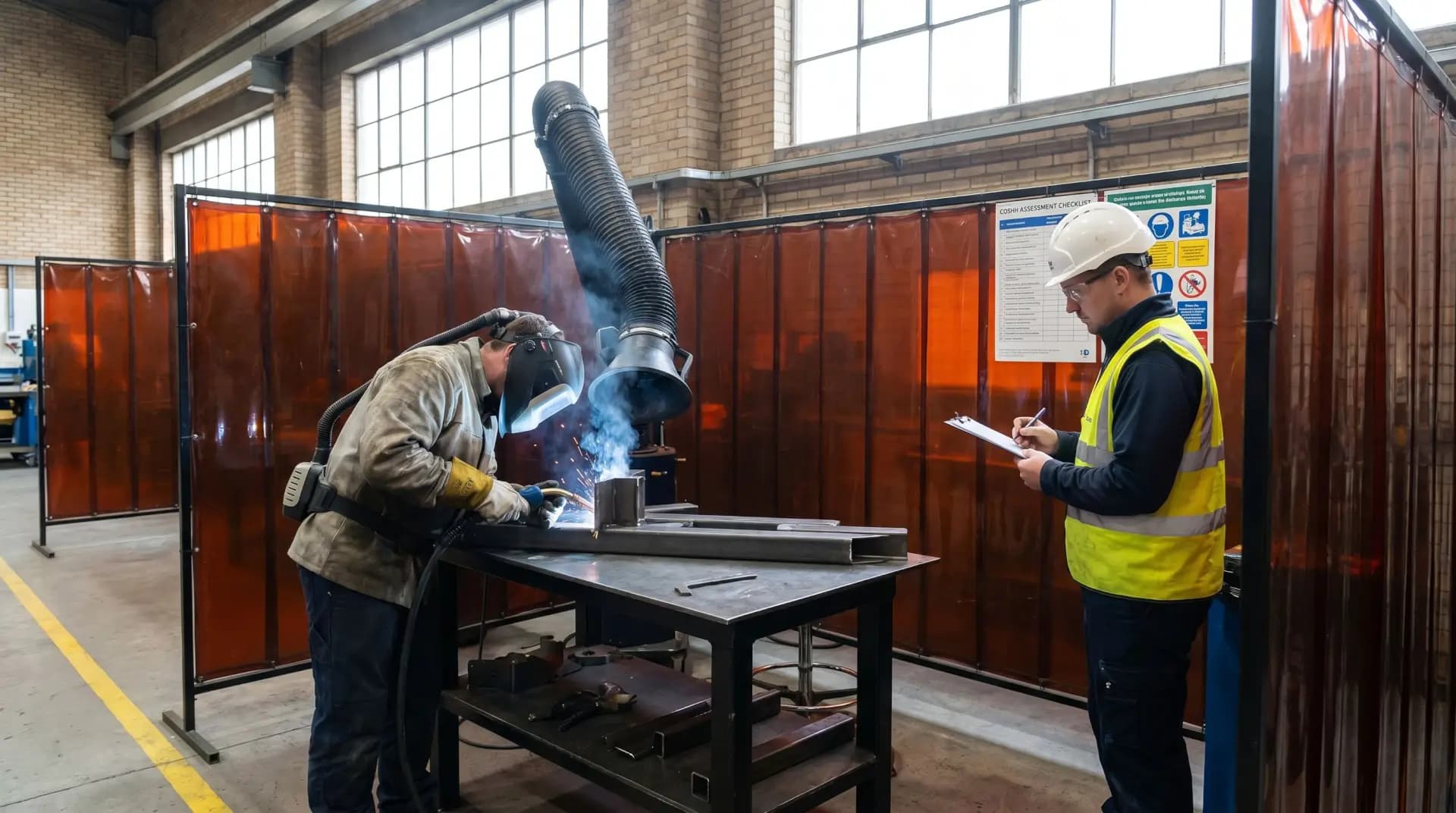
Hot work with sparks/flame | Flame-resistant clothing and suitable face/hand protection | Synthetic cooling garments may be unsuitable if they melt or ignite |
Respirator use in heat | Respiratory protection based on contaminant risk | Respirators can increase physical burden and require closer monitoring |
PPE for Cold Environments
Cold protection is not simply “wear a thicker jacket.” Effective cold-weather PPE is layered, dry, wind-resistant, and compatible with the task.
A sound cold-weather PPE system usually includes:
Base layer: Moisture-wicking material that keeps sweat away from the skin.
Insulating layer: Fleece, wool, or insulated garments selected according to activity level.
Outer layer: Windproof and waterproof or water-resistant protection where rain, snow, spray, or wind chill is present.
Hand protection: Insulated gloves or mitts, with task-specific grip and dexterity.
Foot protection: Insulated, waterproof safety boots with dry socks.
Head and face protection: Hats, liners, balaclavas, face shields, or neck protection where safe and compatible with other PPE.
Eye protection: Anti-fog eye protection suitable for cold, wind, ice particles, or glare.
Cold PPE must also preserve function. If gloves are so bulky that workers remove them to handle tools, the PPE plan has failed. If boots are warm but have poor traction, the slip risk increases. If face coverings cause eyewear to fog, visibility is compromised.
For cold work, I pay close attention to hands and feet because reduced sensation often appears before workers recognize the seriousness of exposure. I also look at recovery conditions. A worker who returns to a cold vehicle, wet shelter, or unheated rest area may not recover enough between exposures.
The Hidden Risk: PPE Can Make Temperature Stress Worse
The most common mistake is assuming PPE only reduces risk. PPE can also increase risk when it interferes with heat exchange, movement, visibility, hydration, communication, or manual dexterity.
HSE guidance on workplace temperature explains that clothing insulation and PPE affect thermal comfort, and that non-breathable PPE can increase humidity inside the garment because sweat cannot evaporate. HSE also advises workers to remove PPE when it is no longer needed, allowing it to dry or replacing it before reuse where necessary.
This matters in real work planning. A chemical suit, disposable coverall, waterproof apron, respiratory protection, heavy gloves, or full-face shield may be necessary. But once selected, it changes the exposure profile. The risk assessment must then answer practical questions:
How long can the worker safely remain in the PPE?
Can the task be rotated?
Is there a cool or warm recovery area?
Can the worker drink water without contamination risk?
Can PPE be removed safely during breaks?
Is there a buddy system?
Are supervisors trained to recognize heat or cold stress?
Is emergency removal or rescue possible?
PPE selection should not happen separately from work-rest planning. They belong together.
How to Select PPE for Extreme Temperatures
I use a structured approach because extreme temperature hazards can change quickly.
1. Identify the direct job hazard
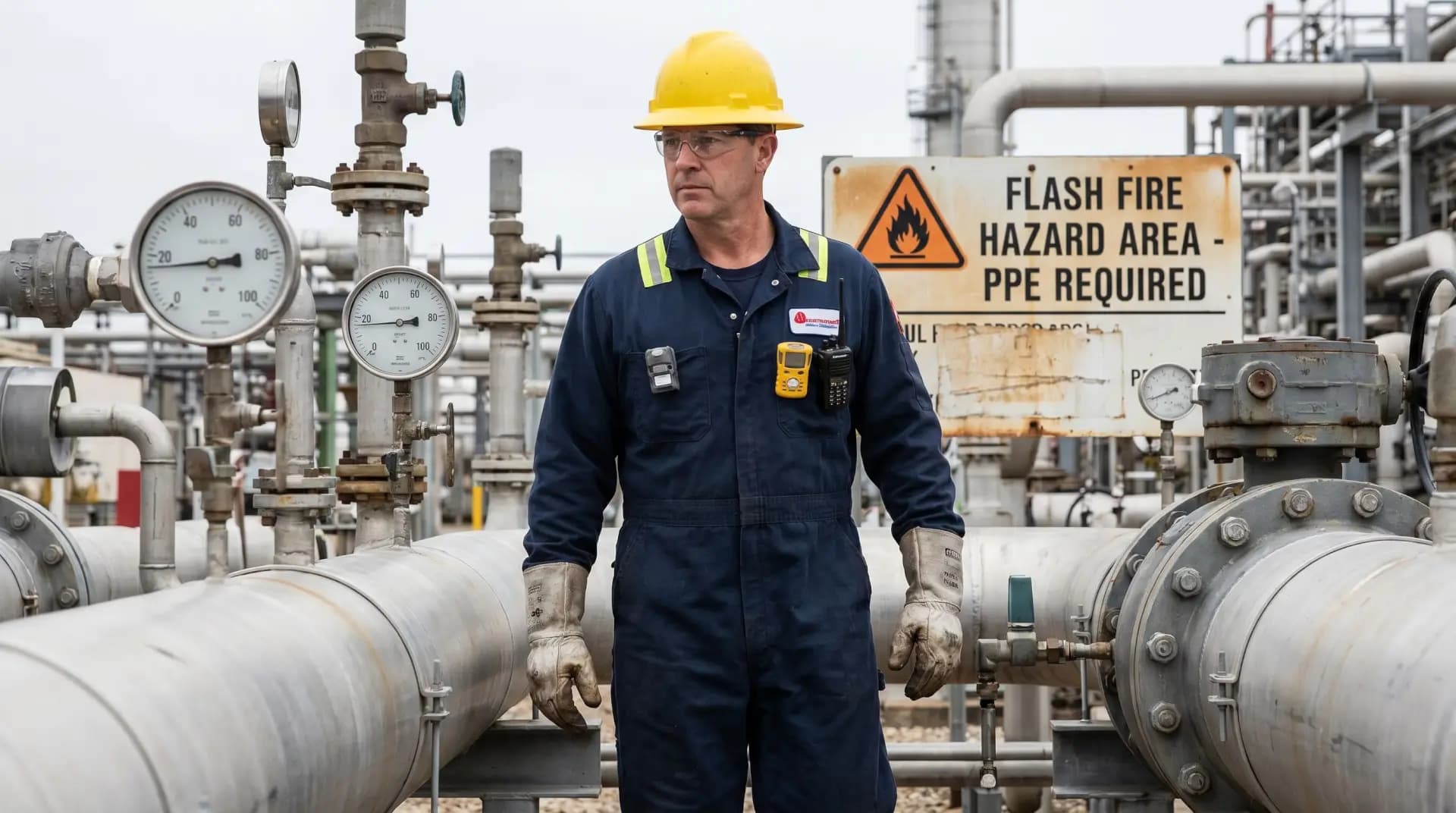
Start with what can injure the worker immediately: chemical splash, flame, steam, radiant heat, cold surfaces, biological exposure, electrical energy, falling objects, sharp edges, or moving equipment. PPE must first protect against the primary hazard.
2. Assess the thermal environment
Temperature alone is not enough. Include humidity, wind, radiant heat, sunlight, cold surfaces, wet conditions, ventilation, and indoor heat sources. HSE identifies air temperature, radiant temperature, air velocity, humidity, clothing insulation, and work rate as key thermal comfort factors.
3. Consider workload
A worker doing heavy manual work in moderate heat may be at greater risk than a stationary worker in higher air temperature. In cold environments, high workload can cause sweating, while low workload can lead to rapid cooling.
4. Evaluate PPE heat or cold burden
Ask whether the PPE traps heat, blocks evaporation, absorbs water, reduces dexterity, causes fogging, restricts movement, or adds weight. This is where many paper assessments fail.
5. Confirm compatibility
PPE items must work together. A helmet liner should not compromise helmet fit. A balaclava should not break a respirator seal. Gloves should not reduce safe tool handling. Safety glasses should not fog under face coverings. High-visibility outerwear must remain visible in snow, fog, dust, or low light.
6. Field-test before full use
For elevated-risk work, trial PPE in realistic conditions. Observe movement, sweating, fogging, communication, donning and doffing, and worker fatigue. A short field trial often reveals problems that a catalog specification will not.
7. Train workers on use and limits
Training should cover why the PPE is required, when it may be removed, how to inspect it, how to report discomfort, early signs of heat or cold stress, and emergency actions.
Controls That Must Support PPE
PPE is not enough by itself. Extreme temperature work should be supported by higher-level controls wherever practical.
For heat exposure, controls may include shade, ventilation, cooled rest areas, job rotation, scheduling heavy tasks during cooler periods, hydration access, acclimatization, and heat illness response plans. OSHA identifies engineering controls, work practices, acclimatization, water, rest, and shade as key heat prevention measures.
For cold exposure, controls may include heated shelters, wind barriers, dry storage for spare PPE, warm break schedules, heated tools or handles where appropriate, anti-slip controls, and emergency communication.
A reliable PPE program for extreme temperatures should include:
Written PPE selection criteria
Worker-specific fit and compatibility checks
Seasonal review before heatwaves or cold periods
Inspection and replacement rules
Cleaning and drying arrangements
Spare dry gloves, socks, liners, and outerwear
Supervisor monitoring
Medical escalation procedure for suspected heat or cold illness
Professional caution: Heat stroke, hypothermia, frostbite, and severe heat exhaustion are medical emergencies. PPE planning reduces risk, but it does not replace medical assessment, emergency response, or jurisdiction-specific legal compliance.
Common Mistakes I Correct During PPE Reviews
The same errors appear repeatedly across industries.
Mistake 1: Relaxing PPE because the weather is hot.
Required PPE should not be removed unless the underlying hazard has been eliminated or controlled another way. Heat discomfort is real, but the solution is better planning, not uncontrolled exposure.
Mistake 2: Choosing cold PPE without considering dexterity.
If workers remove gloves to complete the task, the selected glove system is wrong. Use layered glove systems, task-specific insulated gloves, or warming breaks instead.
Mistake 3: Ignoring wet clothing.
Wet PPE can be dangerous in both hot and cold environments. In heat, it may reduce comfort and hygiene. In cold, it can accelerate cooling. Dry replacement items should be planned, not treated as optional.
Mistake 4: Treating cooling vests as a universal answer.
Cooling PPE can help, but it must be compatible with flame, electrical, chemical, hygiene, and mobility requirements. It also needs a practical system for recharging, freezing, cleaning, or replacing cooling elements.
Mistake 5: Not adjusting work-rest cycles after PPE changes.
A new respirator, chemical suit, winter coverall, or reflective garment can change the worker’s physical burden. The safe duration of the task may also change.
Conclusion
PPE for working in extreme temperatures must be selected as part of a complete thermal risk management system. In hot work, PPE should protect against the task hazard without unnecessarily trapping heat or preventing sweat evaporation. In cold work, PPE should preserve warmth while maintaining grip, movement, visibility, and safe communication.
The best PPE decision is not the thickest, lightest, newest, or most expensive option. It is the option that fits the hazard, the worker, the environment, and the way the work is actually performed. As an HSE professional, I look for one outcome: workers remain protected from the primary hazard while their bodies remain within safe operating limits throughout the full job cycle.



Responses