

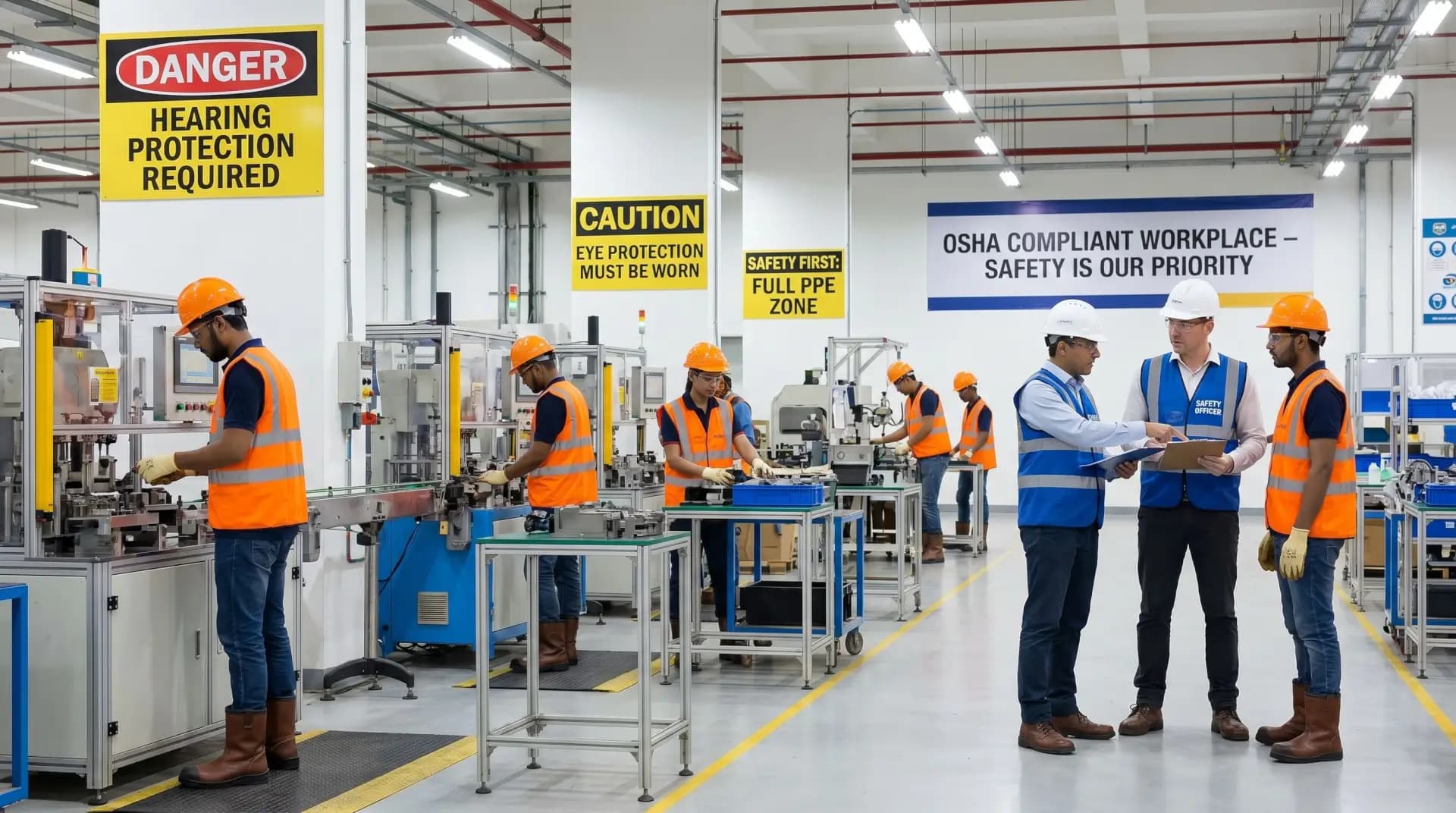
Personal Protective Equipment (PPE) under OSHA standards is not optional—it is a legally enforced last line of defense when engineering and administrative controls cannot fully eliminate workplace hazards. OSHA requires employers to assess hazards, select appropriate PPE, ensure proper use, and maintain equipment in a safe and reliable condition. These requirements are primarily outlined under OSHA 29 CFR 1910 Subpart I for general industry, with parallel provisions in construction and other sectors.
What OSHA Requires for PPE Compliance
OSHA’s approach to PPE is structured and preventive. The employer must not simply provide PPE—they must justify, manage, and enforce its use based on actual workplace risks.
At its core, OSHA requires:
A formal hazard assessment of the workplace
Selection of PPE appropriate to identified hazards
Proper fit and usability for each worker
Training on correct use, limitations, and care
Ongoing maintenance, inspection, and replacement
Failure in any one of these areas can render PPE ineffective, even if it is physically present.
Hazard Assessment: The Foundation of PPE Programs
Before PPE is selected, OSHA mandates a documented hazard assessment. This is not a checklist exercise—it is a structured evaluation of exposure risks.
Key Elements of a Compliant Hazard Assessment
Identification of physical, chemical, biological, and radiological hazards
Evaluation of exposure routes (inhalation, skin contact, impact, etc.)
Determination of severity and likelihood
Documentation and certification of assessment completion
In practice, I’ve seen many workplaces rely on generic PPE policies. OSHA expects site-specific evaluations, not assumptions.
Types of PPE Covered Under OSHA Standards
OSHA defines PPE broadly but regulates specific categories with detailed requirements.
1. Eye and Face Protection
Used where there is risk from flying particles, molten metal, liquid chemicals, acids, or light radiation.
Safety glasses with side shields
Goggles for splash protection
Face shields for high-impact or chemical exposure
2. Head Protection
Required where there is potential for impact, falling objects, or electrical hazards.
Hard hats meeting ANSI standards
Electrical-rated helmets for energized work
3. Hand Protection
Selection depends heavily on the hazard type.
Cut-resistant gloves
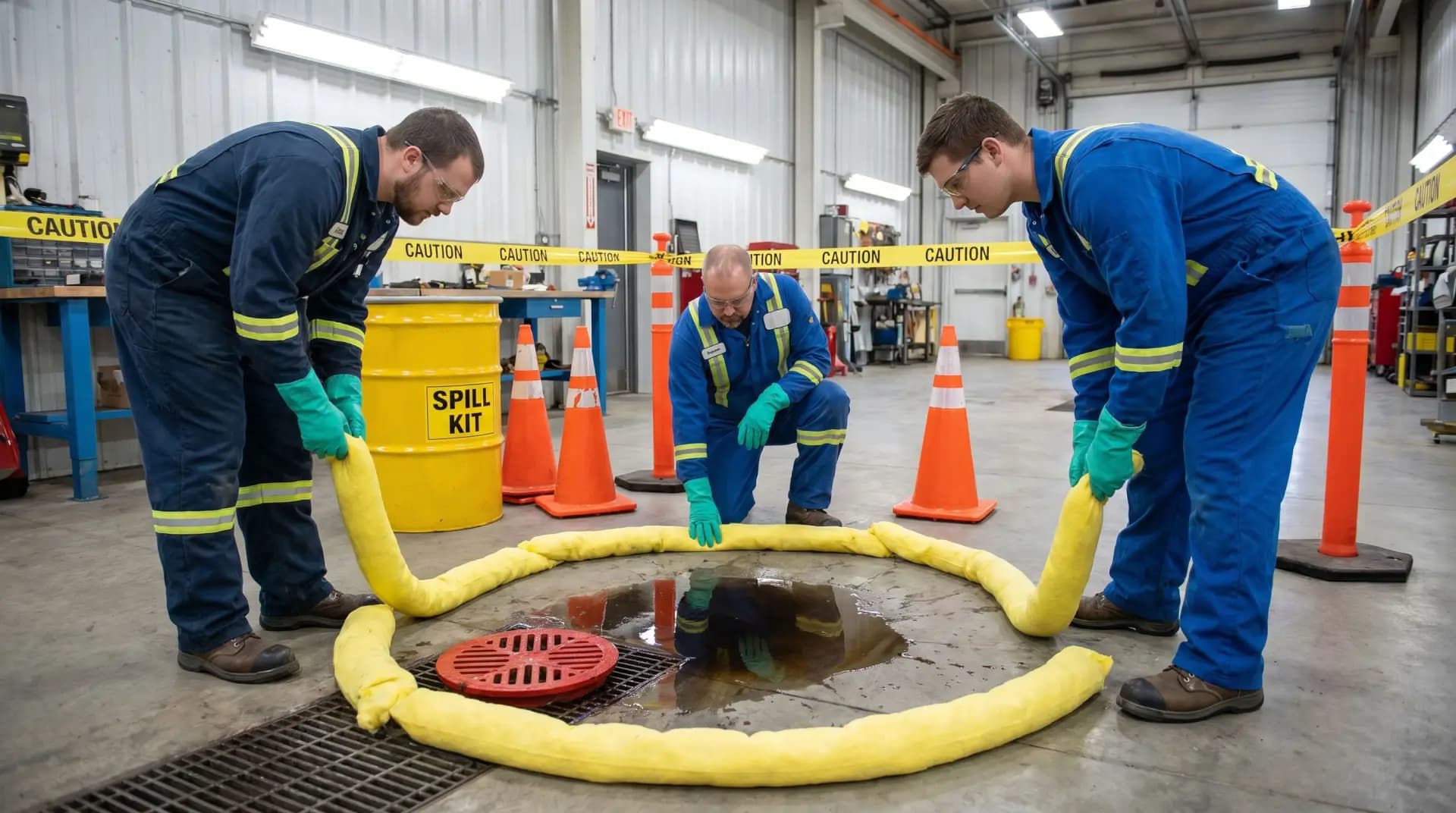
Chemical-resistant gloves
Heat-resistant gloves
A common mistake is using one glove type for all tasks—this is rarely compliant.
4. Foot Protection
Used to prevent injuries from falling objects, punctures, or electrical risks.
Steel-toe or composite safety shoes
Slip-resistant soles
Electrical hazard-rated footwear
5. Respiratory Protection
This category is tightly regulated under a separate OSHA standard (29 CFR 1910.134).
Air-purifying respirators
Supplied-air respirators
N95 filtering facepiece respirators
Respirator use requires medical evaluation, fit testing, and a written program—not just distribution.
6. Hearing Protection
Required when noise exposure exceeds permissible limits.
Earplugs
Earmuffs
Employers must implement a hearing conservation program when thresholds are exceeded.
7. Body Protection
Used against chemical splashes, heat, radiation, or mechanical hazards.
Chemical suits
Flame-resistant clothing
High-visibility garments
PPE Selection Criteria: What OSHA Expects
Selection is not based on cost or convenience—it must match the hazard.
OSHA-Compliant Selection Principles
PPE must be appropriate for the specific hazard
Equipment must meet recognized standards (e.g., ANSI)
Compatibility between different PPE items must be ensured
Fit must accommodate individual workers
Poor fit is one of the most overlooked compliance failures, especially with gloves, respirators, and protective clothing.
Training Requirements for PPE Use
Providing PPE without training is a direct OSHA violation. Workers must understand not just how to wear PPE, but when and why.
OSHA Training Must Cover
When PPE is required
What type is necessary
How to properly wear and adjust it
Limitations of the equipment
Proper care, maintenance, and disposal
Training must be documented and repeated when:
Workplace conditions change
New PPE is introduced
Worker performance indicates gaps
Maintenance, Inspection, and Replacement
PPE must remain functional. OSHA requires employers to ensure that damaged or defective equipment is not used.
Practical Maintenance Expectations
Routine inspections before use
Cleaning and sanitation protocols
Proper storage to prevent damage
Immediate replacement of defective PPE
In real-world environments, I’ve observed PPE failure more often due to poor maintenance than poor selection.
Employer vs. Employee Responsibilities
OSHA places the primary responsibility on the employer, but employees also have defined duties.
Employer Responsibilities
Provide PPE at no cost (with limited exceptions)
Ensure proper selection and fit
Train employees
Enforce PPE use
Employee Responsibilities
Use PPE as trained
Report damage or defects
Maintain issued equipment
Non-compliance from either side can lead to serious safety and legal consequences.
Common PPE Compliance Failures
Across industries, certain patterns repeat:
PPE provided without hazard assessment
Improper or inconsistent enforcement
Lack of retraining
Using expired or damaged PPE
One-size-fits-all approach
These are not minor gaps—they are frequently cited OSHA violations.
Conclusion
PPE under OSHA standards is a structured safety system, not a box-ticking exercise. Its effectiveness depends on proper hazard assessment, correct selection, worker training, and ongoing maintenance. When implemented correctly, PPE significantly reduces injury risk—but when mismanaged, it creates a false sense of security.
From a professional standpoint, the most effective PPE programs are those integrated into daily operations—not treated as an afterthought or compliance burden.


Responses