

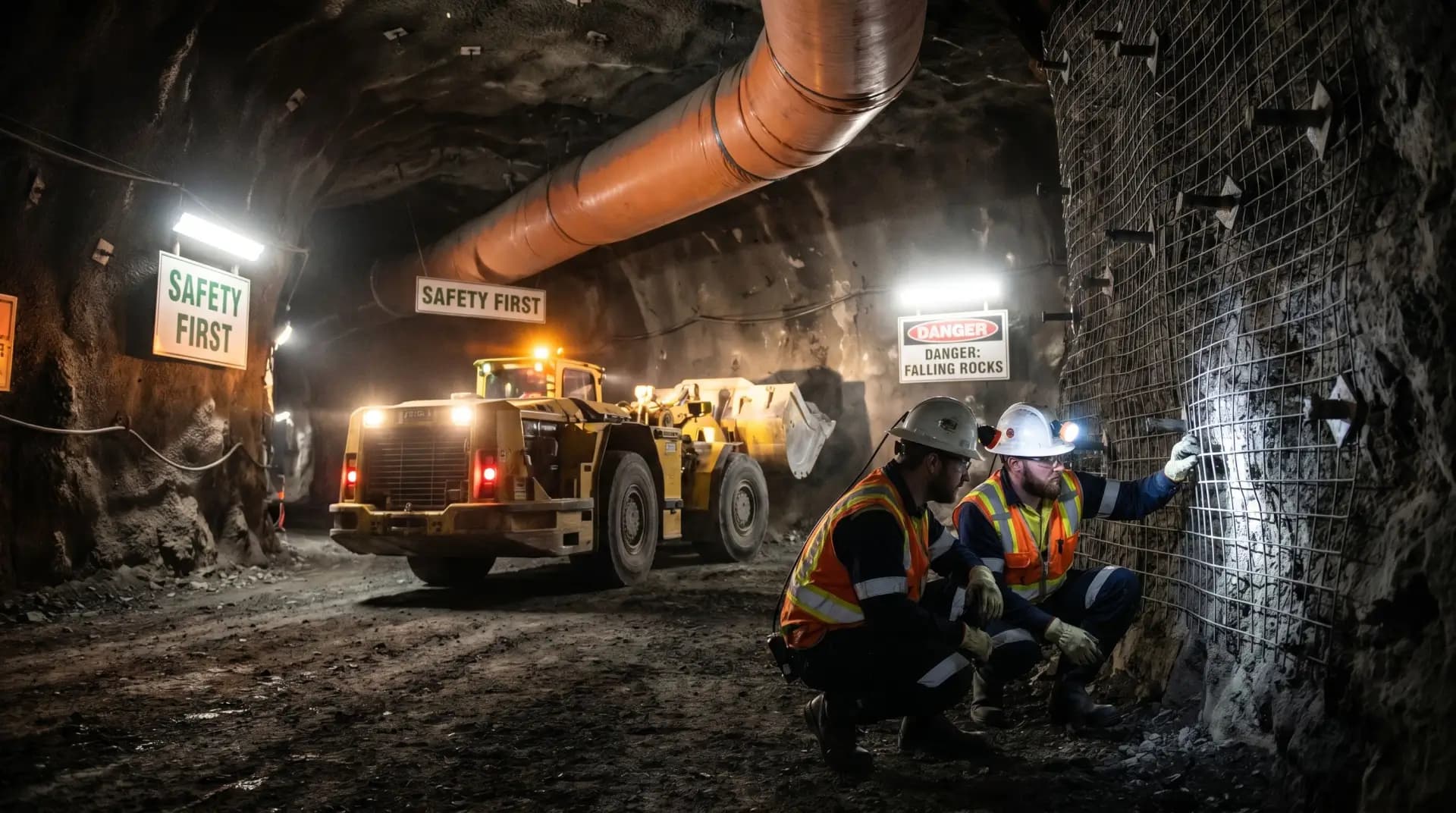
Mining safety hazards are inherent to the extraction environment, but they are predictable and controllable when approached with structured risk management, engineering controls, and disciplined operational practices. The most critical hazards—ground instability, airborne contaminants, mobile equipment interactions, fire and explosion risks, and human factors—can be significantly reduced through hazard identification, layered controls, and continuous supervision. Prevention is not a single measure; it is a system that integrates design, behavior, and monitoring.
Ground Instability and Rock Falls
Ground failure remains one of the leading causes of serious incidents in both underground and surface mining. Unstable rock masses, inadequate support systems, and geological uncertainties contribute to sudden collapses.
Key Risk Factors
Weak or fractured rock formations
Poorly designed support systems
Blasting-induced instability
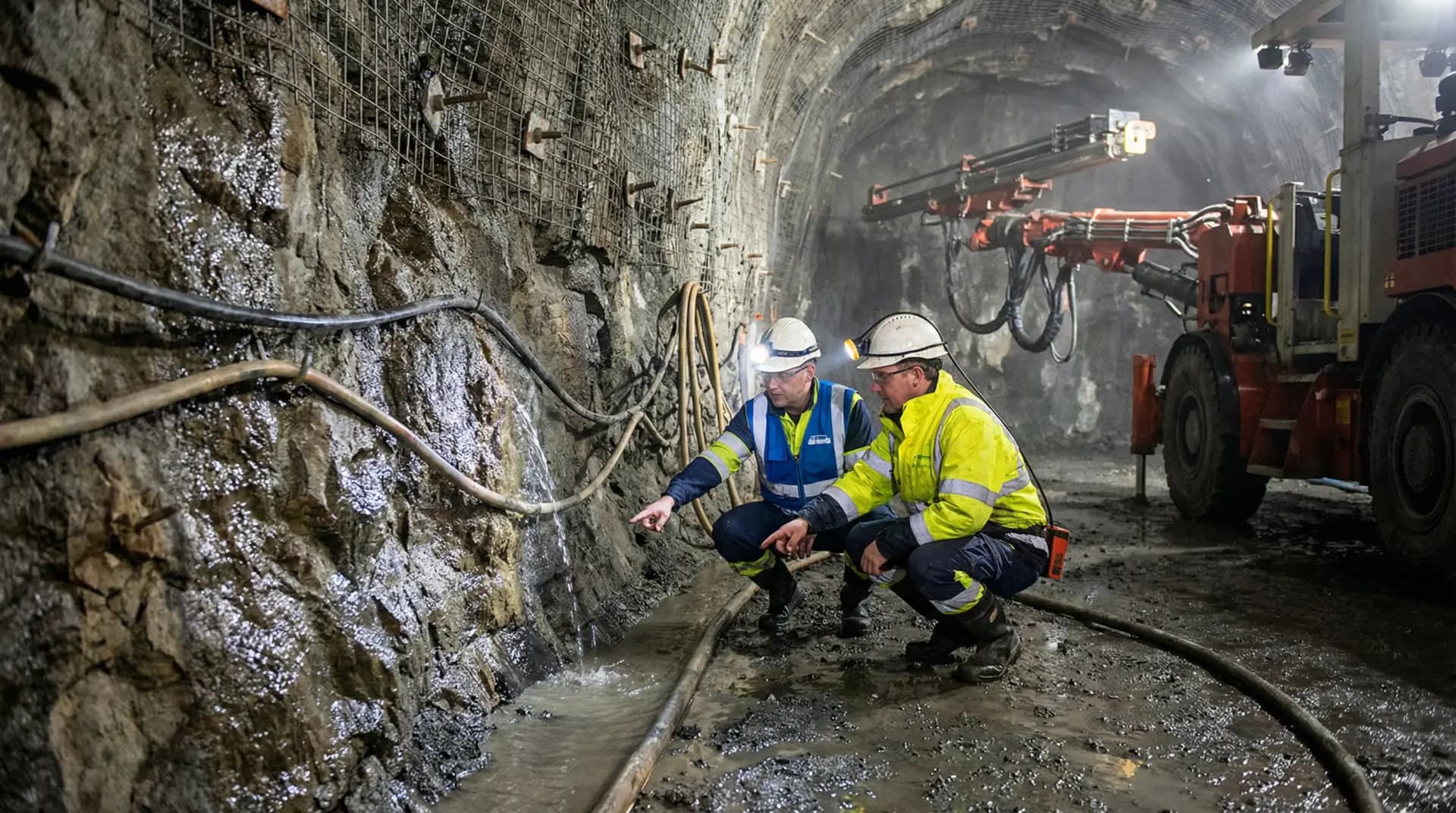
Water ingress weakening strata
Prevention Strategies
Conduct detailed geotechnical assessments before excavation
Install appropriate ground support systems (rock bolts, mesh, shotcrete)
Implement scaling procedures to remove loose rock
Use real-time ground monitoring technologies
Restrict access to unsupported areas
A consistent pattern I’ve observed is that failures often occur not due to lack of controls, but due to delayed installation or poor inspection discipline.
Airborne Hazards: Dust, Gases, and Oxygen Deficiency
Mining environments frequently expose workers to hazardous atmospheres. Dust inhalation, toxic gases, and oxygen-deficient zones can lead to acute and chronic health conditions.
Common Airborne Hazards
Respirable crystalline silica dust
Methane and other flammable gases
Carbon monoxide from diesel equipment
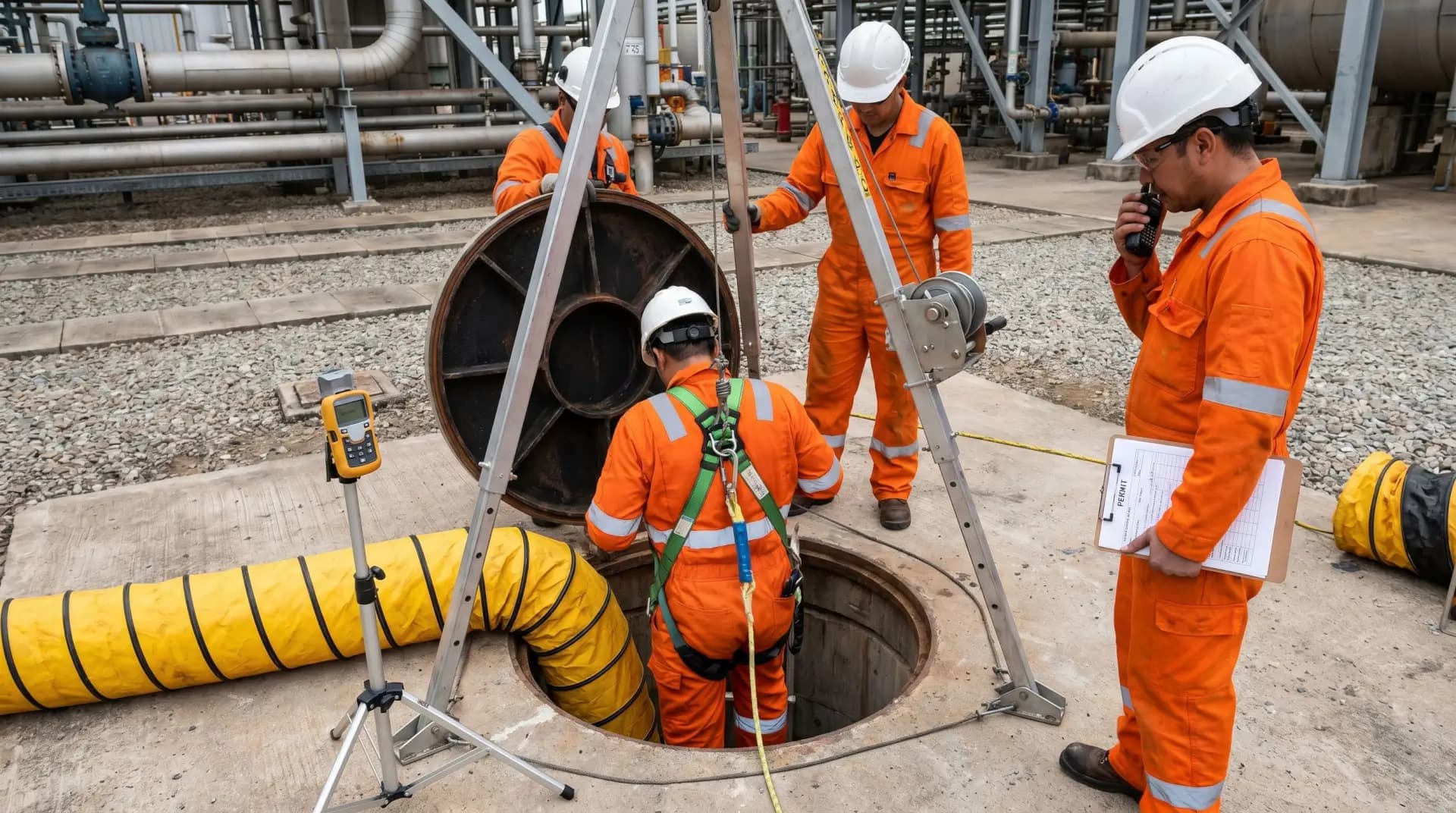
Oxygen-deficient confined spaces
Prevention Strategies
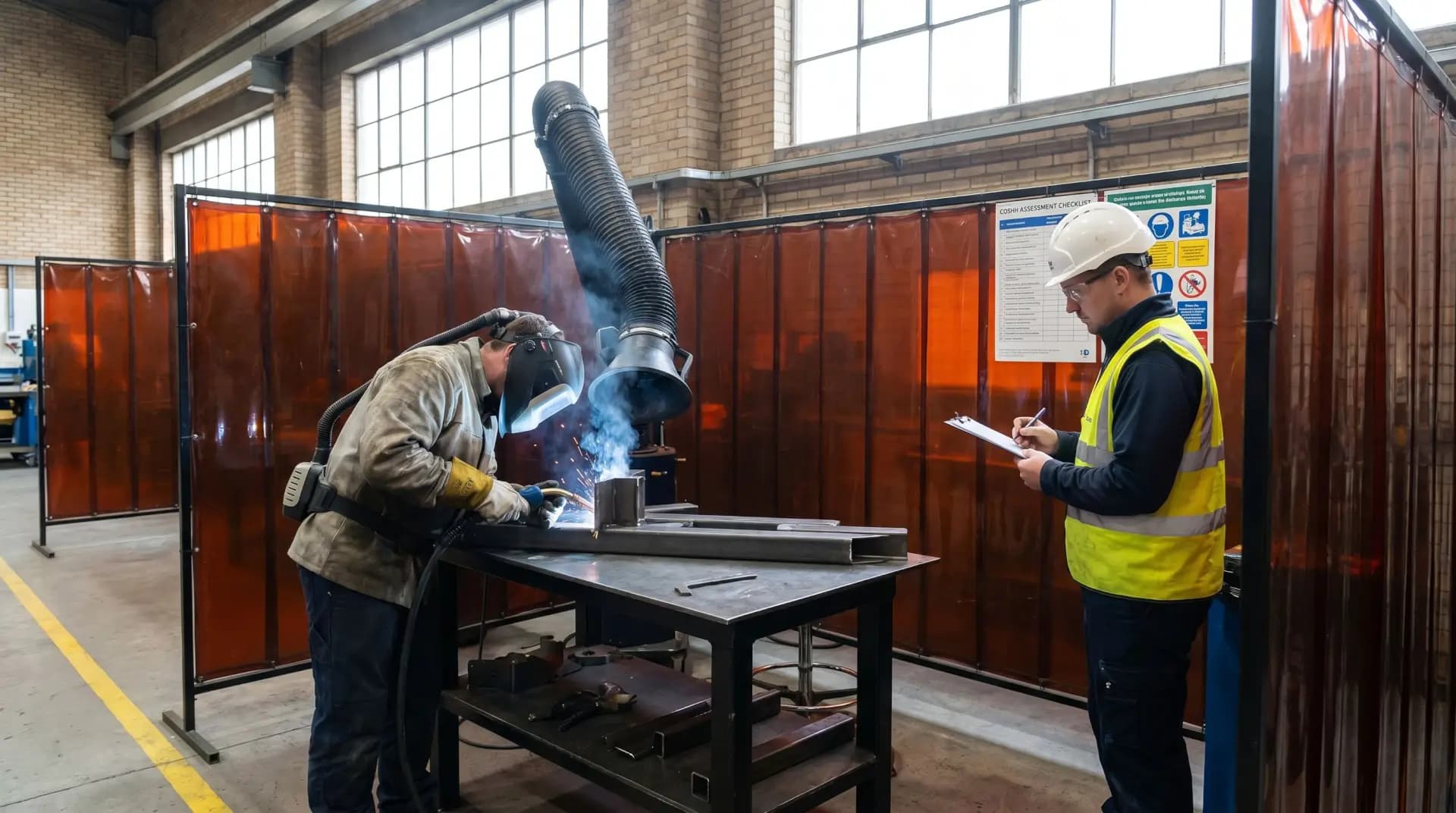
Install effective ventilation systems designed to dilute and remove contaminants
Use water suppression systems during drilling and crushing
Conduct continuous gas monitoring with calibrated detectors
Enforce use of appropriate respiratory protective equipment
Maintain diesel equipment to reduce emissions
From a practical standpoint, ventilation failures are rarely sudden—they degrade over time. Regular audits are essential to detect performance drops early.
Mobile Equipment and Vehicle Interactions
Heavy machinery is essential in mining, but it introduces high-energy hazards. Collisions, rollovers, and struck-by incidents are common where controls are weak.
High-Risk Scenarios
Blind spots around large equipment
Poor traffic management
Operator fatigue or distraction
Equipment failure or poor maintenance
Prevention Strategies
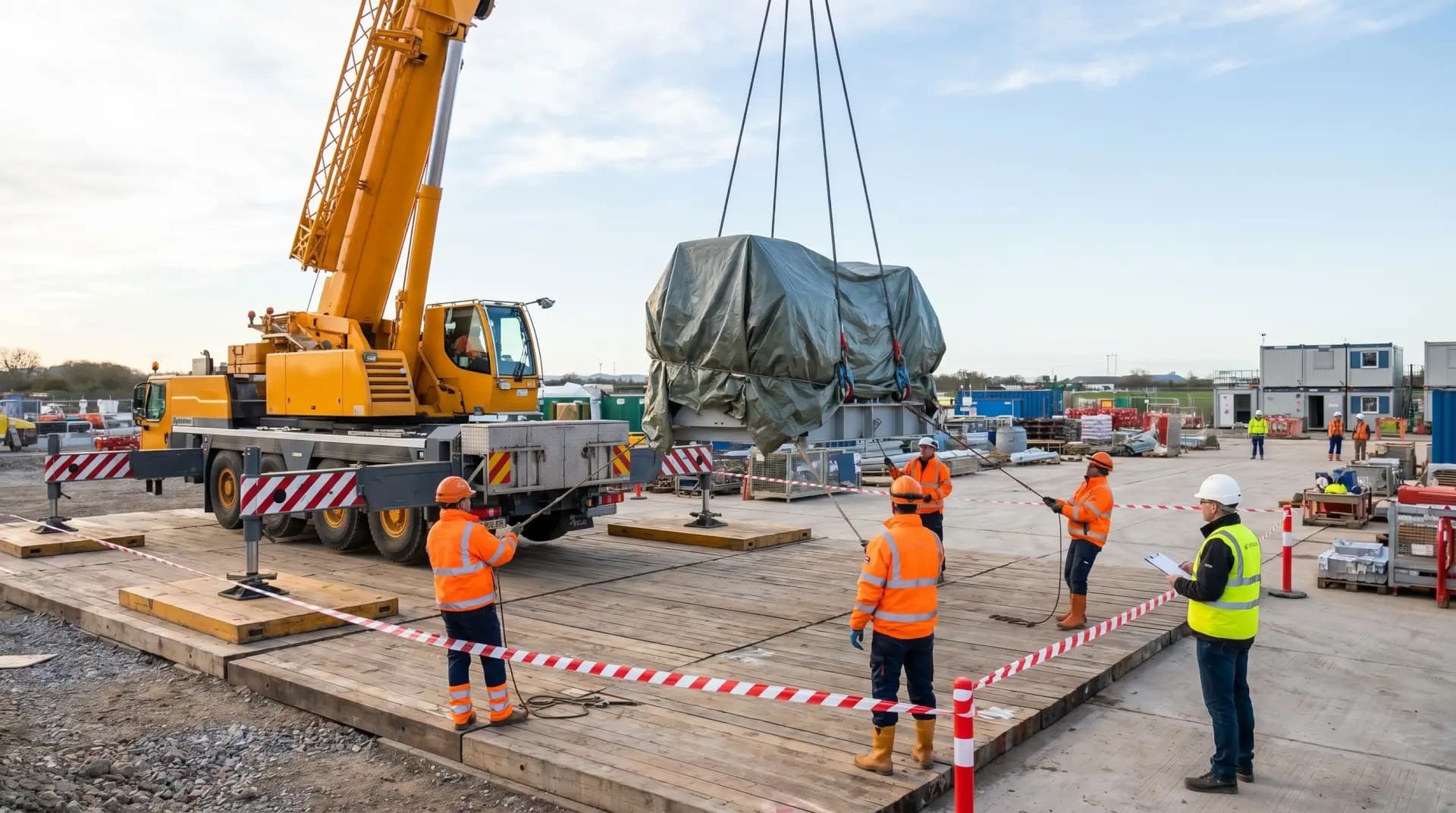
Design and enforce traffic management plans with segregated routes
Install proximity detection and collision avoidance systems
Conduct routine equipment inspections and preventive maintenance
Train operators rigorously and assess competency regularly
Implement fatigue management programs
In many operations, I’ve seen that simple segregation controls—when strictly enforced—eliminate a large percentage of vehicle-related risks.
Fire and Explosion Hazards
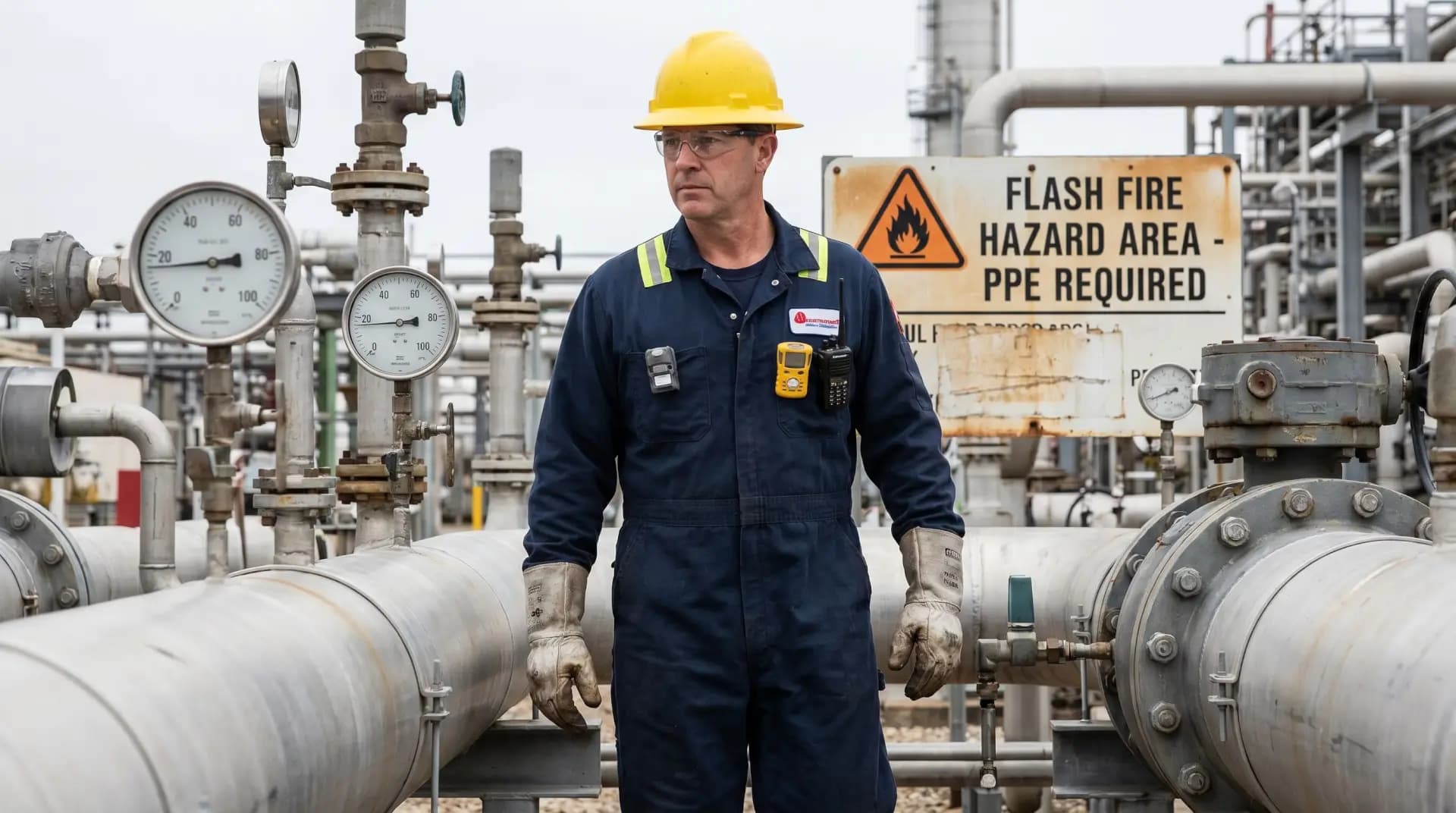
Fires and explosions in mining can escalate rapidly, especially in confined underground environments where evacuation is difficult.
Common Causes
Methane accumulation
Coal dust ignition
Electrical faults
Fuel handling and storage issues
Prevention Strategies
Monitor and control methane levels continuously
Apply stone dusting to reduce coal dust explosibility
Maintain electrical systems to prevent sparking
Store and handle flammable materials safely
Install fire detection and suppression systems
Explosion prevention is highly dependent on maintaining environmental conditions within safe limits. Deviations must trigger immediate corrective action.
Noise, Vibration, and Ergonomic Risks
Long-term exposure to physical stressors can lead to occupational illnesses and reduced worker performance.
Key Hazards
High noise levels from drilling and blasting
Whole-body vibration from heavy equipment
Repetitive manual handling tasks
Prevention Strategies
Implement engineering controls to reduce noise at the source
Provide hearing protection and enforce its use
Use vibration-dampening equipment and seating
Redesign tasks to minimize manual strain
Rotate workers to limit exposure duration
These risks are often underestimated because their effects are gradual, but they significantly impact workforce health and productivity.
Human Factors and Behavioral Risks
Even with strong systems in place, unsafe behaviors and decision-making gaps can undermine safety performance.
Contributing Factors
Inadequate training or supervision
Complacency due to routine tasks
Production pressure overriding safety
Poor communication
Prevention Strategies
Establish a strong safety culture led by management commitment
Provide task-specific training and regular refresher sessions
Encourage reporting of near misses and unsafe conditions
Conduct behavioral safety observations
Align production goals with safety expectations
In my experience, the most resilient operations are those where workers feel responsible for safety, not just compliant with rules.
Emergency Preparedness and Response
Mining incidents can escalate quickly, making preparedness a critical component of hazard control.
Essential Elements
Clearly defined emergency response plans
Regular drills and simulations
Availability of refuge chambers in underground mines
Trained rescue teams and first aid responders
Prevention Through Preparedness
While emergency response does not prevent hazards directly, it significantly reduces consequences. Effective drills reveal system weaknesses that can then be corrected proactively.
Conclusion
Mining hazards are complex but manageable through a structured and disciplined approach. The most effective prevention strategies combine engineering controls, administrative systems, and human performance management. No single measure is sufficient on its own. Consistency in application, regular verification, and a proactive safety culture are what ultimately separate high-risk operations from well-controlled ones.
From a professional standpoint, the difference between a hazardous mine and a safe one is rarely the presence of risk—it is the quality of control.

Responses