

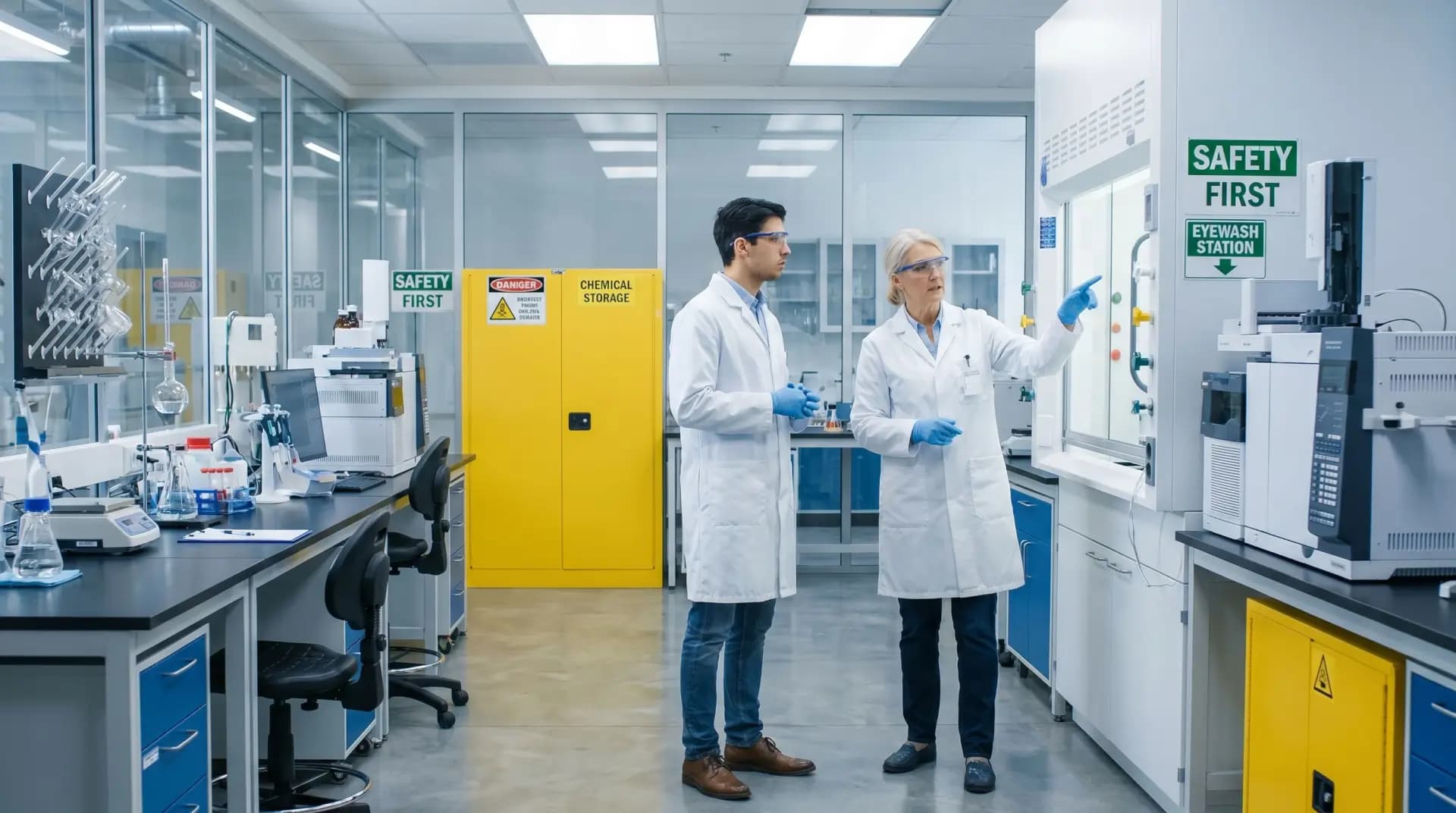
New researchers entering a laboratory environment must be trained to recognize hazards, follow controlled procedures, and respond correctly to abnormal situations from day one. Laboratory safety training is not an orientation formality—it is a structured competency process that equips individuals to work without causing harm to themselves, others, or the integrity of the research.
A well-designed training program establishes baseline safety knowledge, reinforces regulatory compliance, and builds consistent behavior under routine and non-routine conditions. Without it, even highly skilled researchers can introduce serious risks.
Understanding the Purpose of Laboratory Safety Training
Laboratory safety training ensures that every researcher:
Identifies chemical, biological, physical, and ergonomic hazards
Understands risk controls before starting any experiment
Applies safe handling, storage, and disposal practices
Responds effectively to spills, exposures, or emergencies
Maintains compliance with institutional and international safety frameworks
From my professional observation, the most common issue in labs is not lack of intelligence—it is lack of hazard awareness combined with overconfidence. Training addresses this gap directly.
Core Components of Effective Safety Training
A structured training program for new researchers should include the following elements:
1. Hazard Identification and Risk Assessment
Researchers must be trained to evaluate:
Chemical hazards (toxicity, flammability, reactivity)
Biological risks (pathogens, contamination)
Physical hazards (radiation, pressure systems, cryogenics)
Equipment risks (centrifuges, autoclaves, lasers)
They should understand how to interpret Safety Data Sheets (SDS) and translate that information into practical precautions.
2. Laboratory Rules and Standard Operating Procedures (SOPs)
Training must clearly define:
Access control and authorization levels
Prohibited behaviors (e.g., eating, working alone under certain conditions)
Experiment-specific SOPs
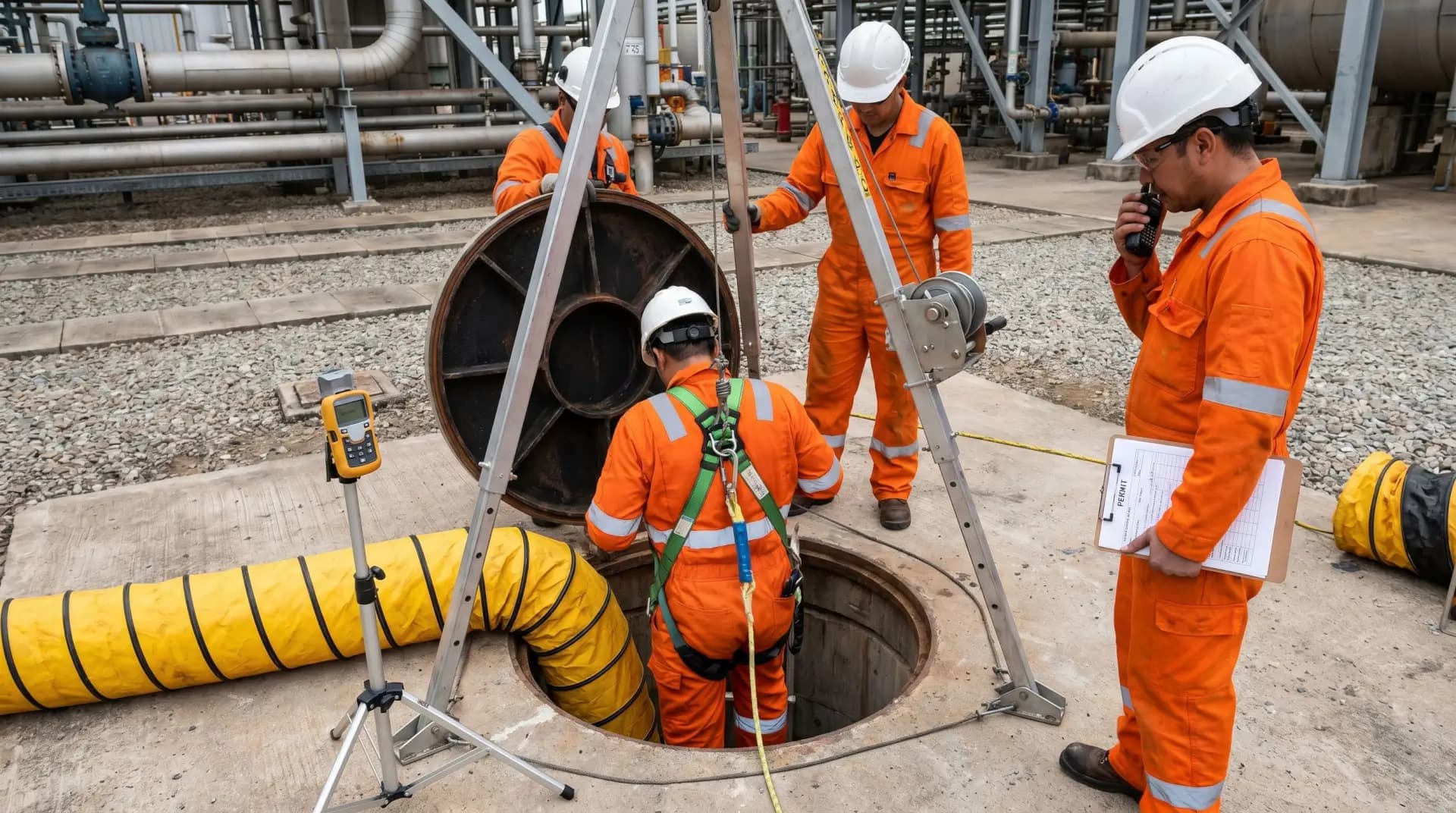
Permit-to-work systems where applicable
In practice, I’ve seen incidents occur when SOPs exist but are not understood or followed consistently. Training must include walkthroughs—not just documentation.
3. Chemical Safety and Handling
New researchers must learn:
Proper labeling systems
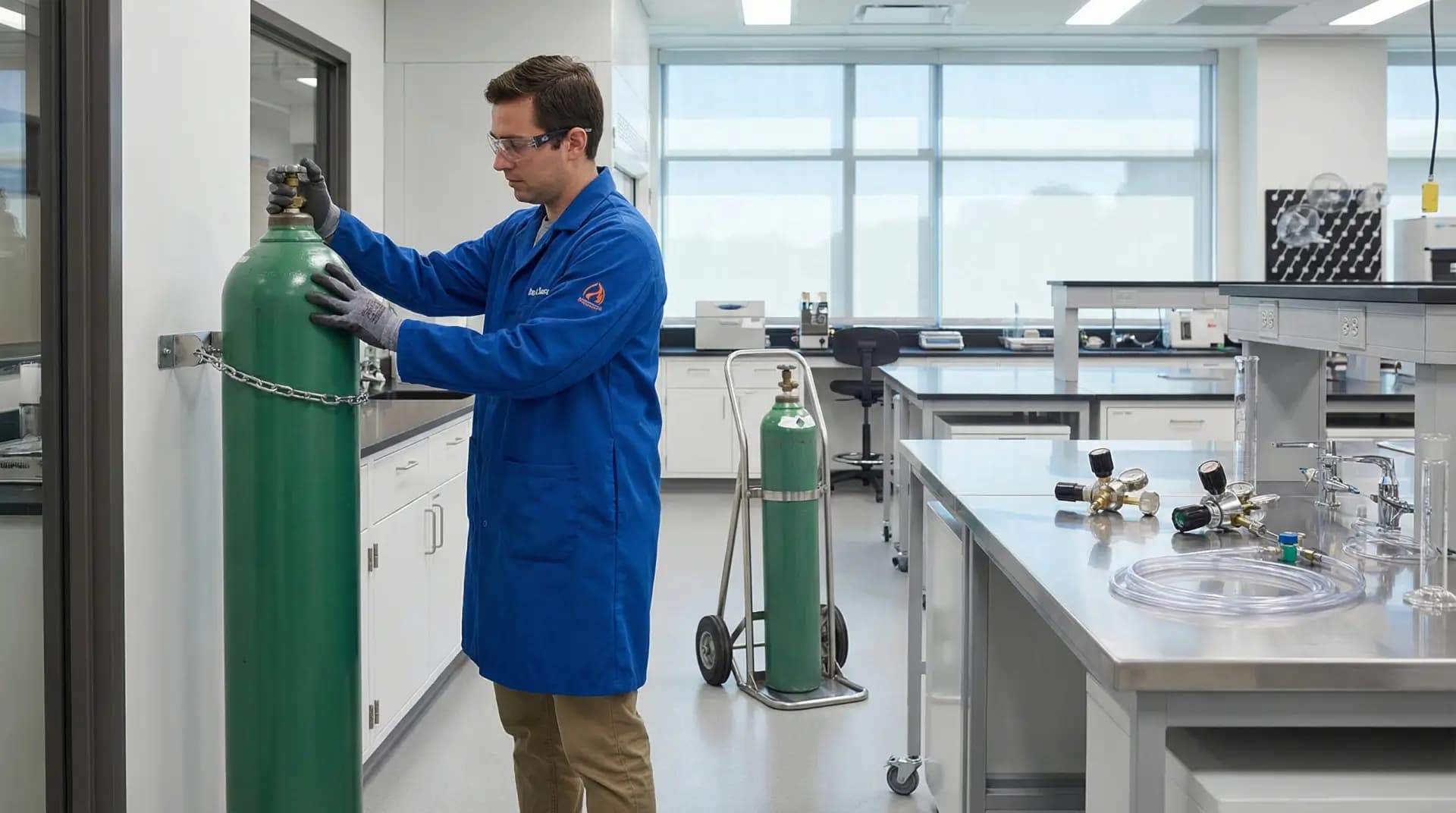
Safe storage (segregation of incompatible chemicals)
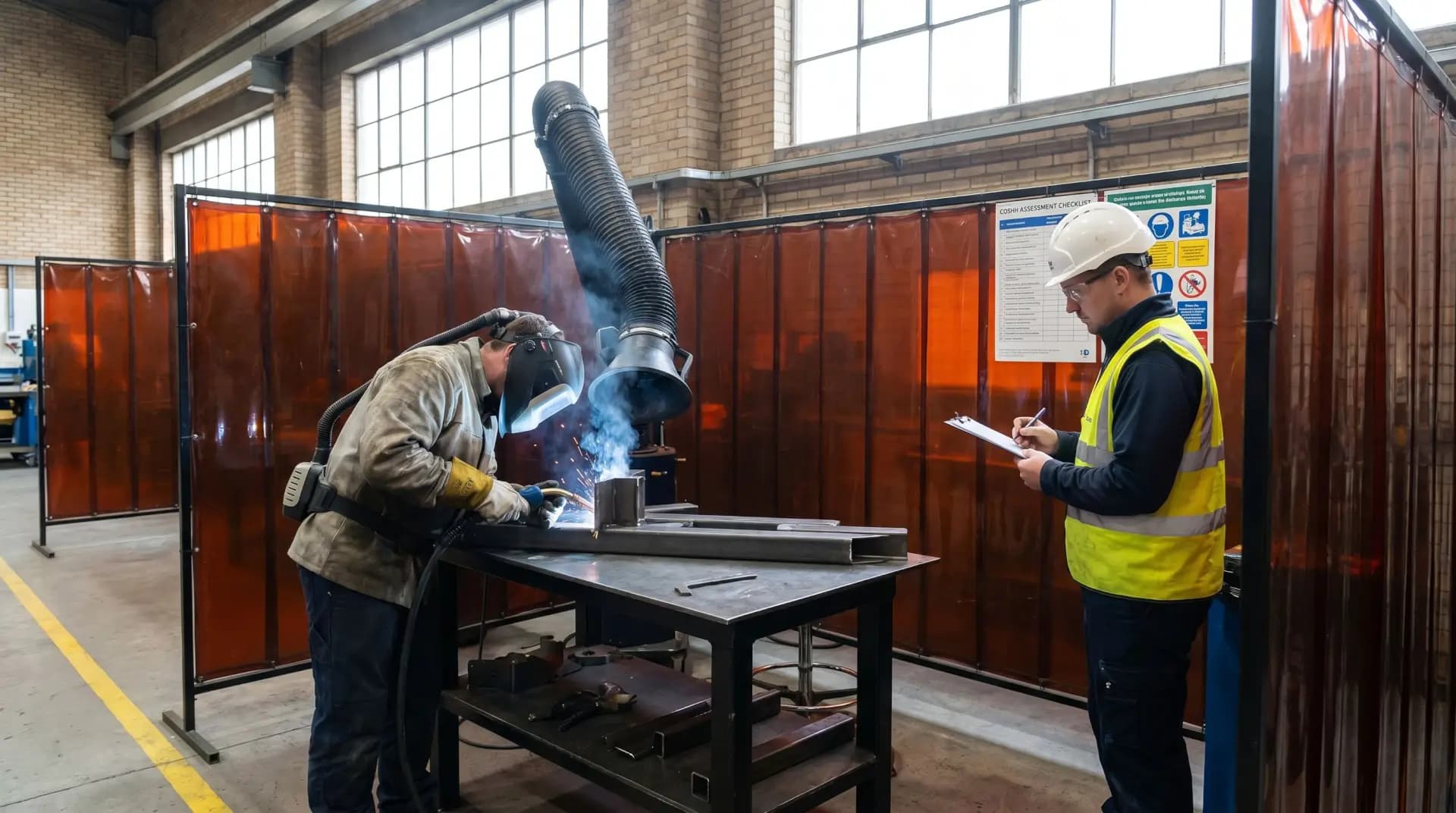
Use of fume hoods and ventilation systems
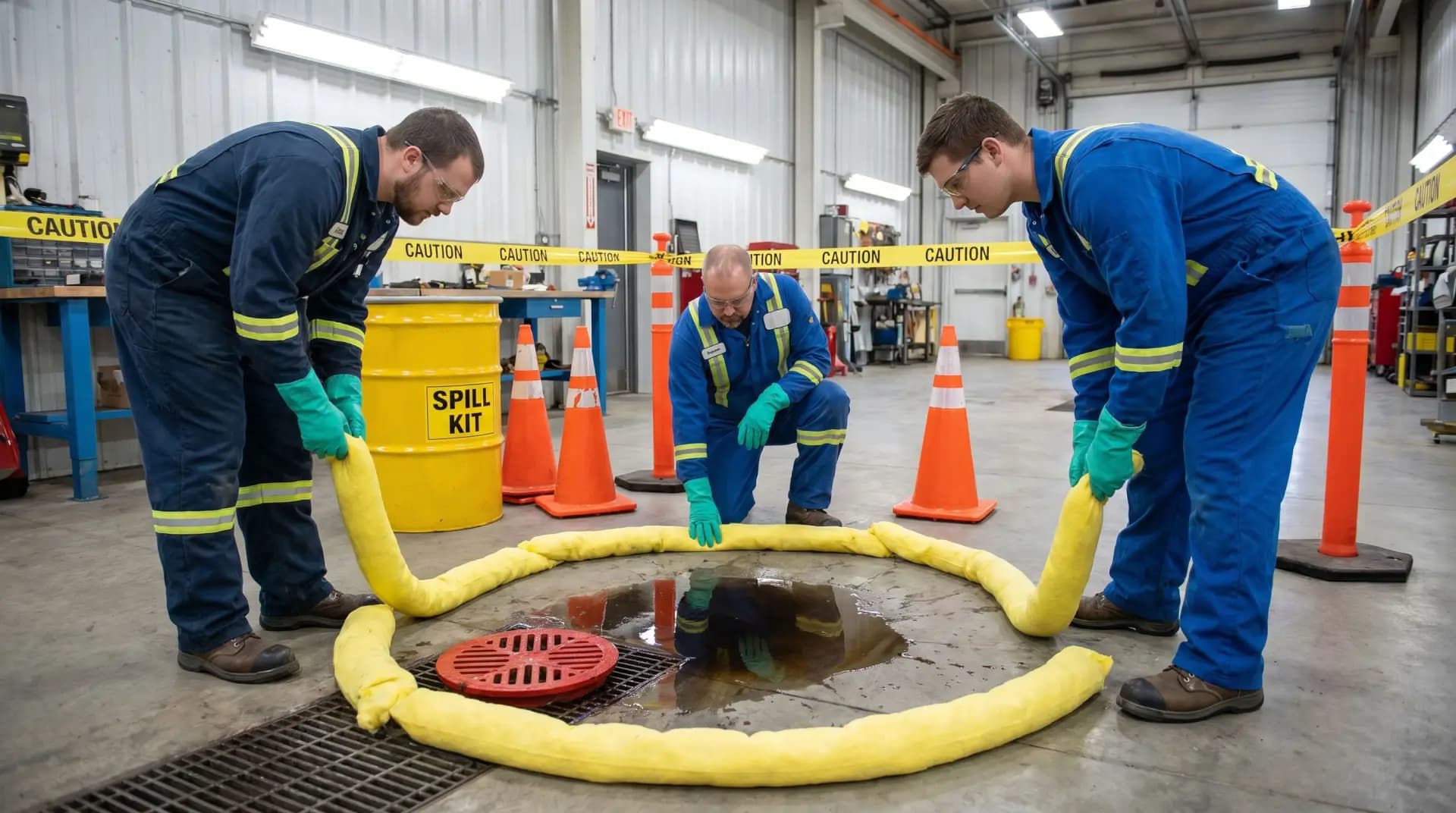
Spill response procedures
Special attention should be given to high-risk substances such as carcinogens, corrosives, and reactive agents.
4. Personal Protective Equipment (PPE)
Training should cover:
Selection of appropriate PPE (gloves, goggles, lab coats, respirators)
Limitations of PPE
Correct usage and disposal
A recurring issue in laboratories is misuse of gloves—either over-reliance or incorrect selection—which training must address clearly.
5. Waste Management and Disposal
Researchers must understand:
Classification of laboratory waste (chemical, biological, sharps)
Segregation and labeling requirements
Disposal routes and regulatory expectations
Improper waste handling is one of the most frequent compliance failures in laboratory environments.
6. Emergency Preparedness and Response
Training must include practical instruction on:
Fire response and use of extinguishers
Chemical spill management
First aid measures for exposure
Evacuation procedures
From experience, drills significantly improve response time and reduce panic during actual emergencies.
Training Methods That Actually Work
Not all training methods produce the same results. Effective programs combine:
Classroom instruction for foundational knowledge
Hands-on demonstrations for equipment and procedures
Simulation drills for emergency scenarios
Mentored lab work under supervision
Passive training (e.g., reading manuals only) rarely translates into safe behavior. Active engagement is essential.
Common Mistakes in Laboratory Safety Training
Over the years, I’ve consistently observed these gaps:
Treating training as a one-time event
Overloading new researchers with information without prioritization
Lack of competency assessment after training
Ignoring behavioral reinforcement in daily lab work
Training should be progressive, not a single session.
Competency Assessment and Authorization
Before independent work is allowed, researchers should demonstrate:
Understanding of hazards related to their specific work
Ability to follow SOPs correctly
Proper use of PPE and equipment
Awareness of emergency procedures
Assessment methods may include:
Written evaluations
Practical demonstrations
Supervisor sign-offs
Authorization should be conditional—not automatic.
Regulatory and Compliance Expectations
Laboratory safety training aligns with international frameworks such as:
Occupational safety standards for hazardous materials handling
Laboratory biosafety guidelines
Chemical safety management systems
While requirements vary by jurisdiction, the expectation remains consistent: employers must ensure workers are trained, informed, and competent before exposure to hazards.
Building a Safety Culture in Research Environments
Training is only the starting point. A safe laboratory depends on:
Leadership commitment to safety
Open reporting of near-misses
Continuous learning and refresher training
Accountability at all levels
In my professional judgment, laboratories that treat safety as part of scientific integrity—not a separate obligation—consistently perform better.
Conclusion
Laboratory safety training for new researchers is a critical control measure that directly influences incident prevention, research quality, and regulatory compliance. It must be structured, practical, and continuously reinforced.
A researcher who understands hazards, respects procedures, and responds correctly under pressure is not just compliant—they are reliable. That reliability is what sustains both safety and scientific progress.


Responses