

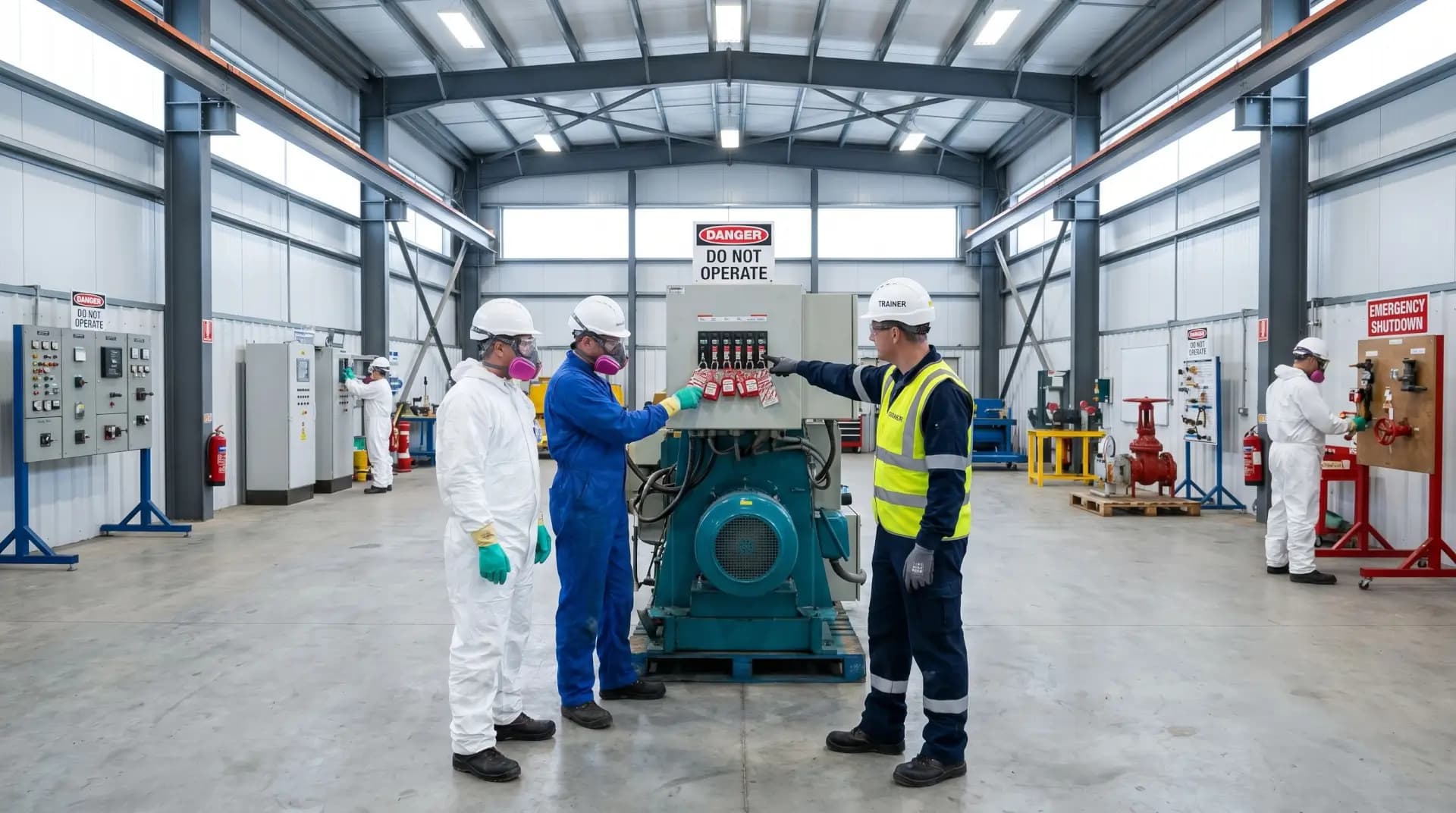
Industrial safety training programs that work are those that translate risk into behavior—consistently, measurably, and across all levels of the organization. Effective programs do not stop at awareness; they build competence, reinforce safe habits, and close the gap between procedures and real-world execution. In practice, this means training is task-specific, scenario-based, regularly refreshed, and tied directly to operational risk profiles—not generic presentations delivered once a year.
Below is how I structure and evaluate safety training programs that actually deliver results on the ground.
Align Training with Operational Risk, Not Just Compliance
The most common failure I observe is training built around regulatory checklists rather than actual site hazards. While compliance frameworks define minimum expectations, they rarely capture the dynamic risks of a specific facility.
An effective program starts with:
Hazard identification and risk assessment (HIRA)
Task analysis for high-risk activities
Incident and near-miss trend review
From there, training content must reflect:
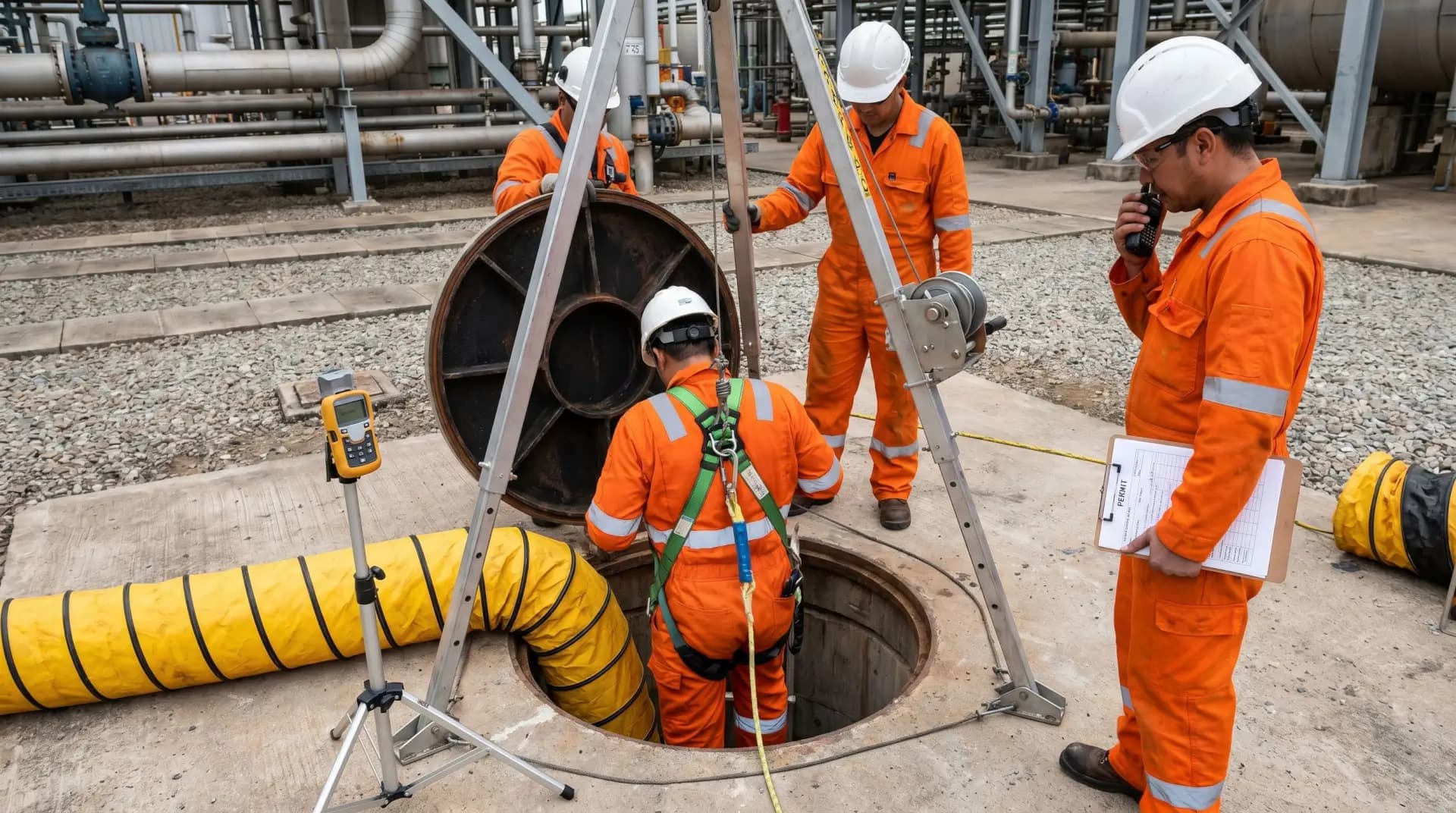
Critical controls for top risks (e.g., energy isolation, confined space entry)
Failure points observed in past incidents
Human factors such as fatigue, shortcuts, and communication gaps
When training mirrors real exposure, workers recognize its relevance—and engagement improves immediately.
Move from Classroom Delivery to Practical Competence
Information does not equal competence. Workers may pass a written test yet fail in a real scenario. Programs that work prioritize demonstration and verification.
Effective methods include:
Hands-on simulations of high-risk tasks
Tool-box exercises tied to actual job steps
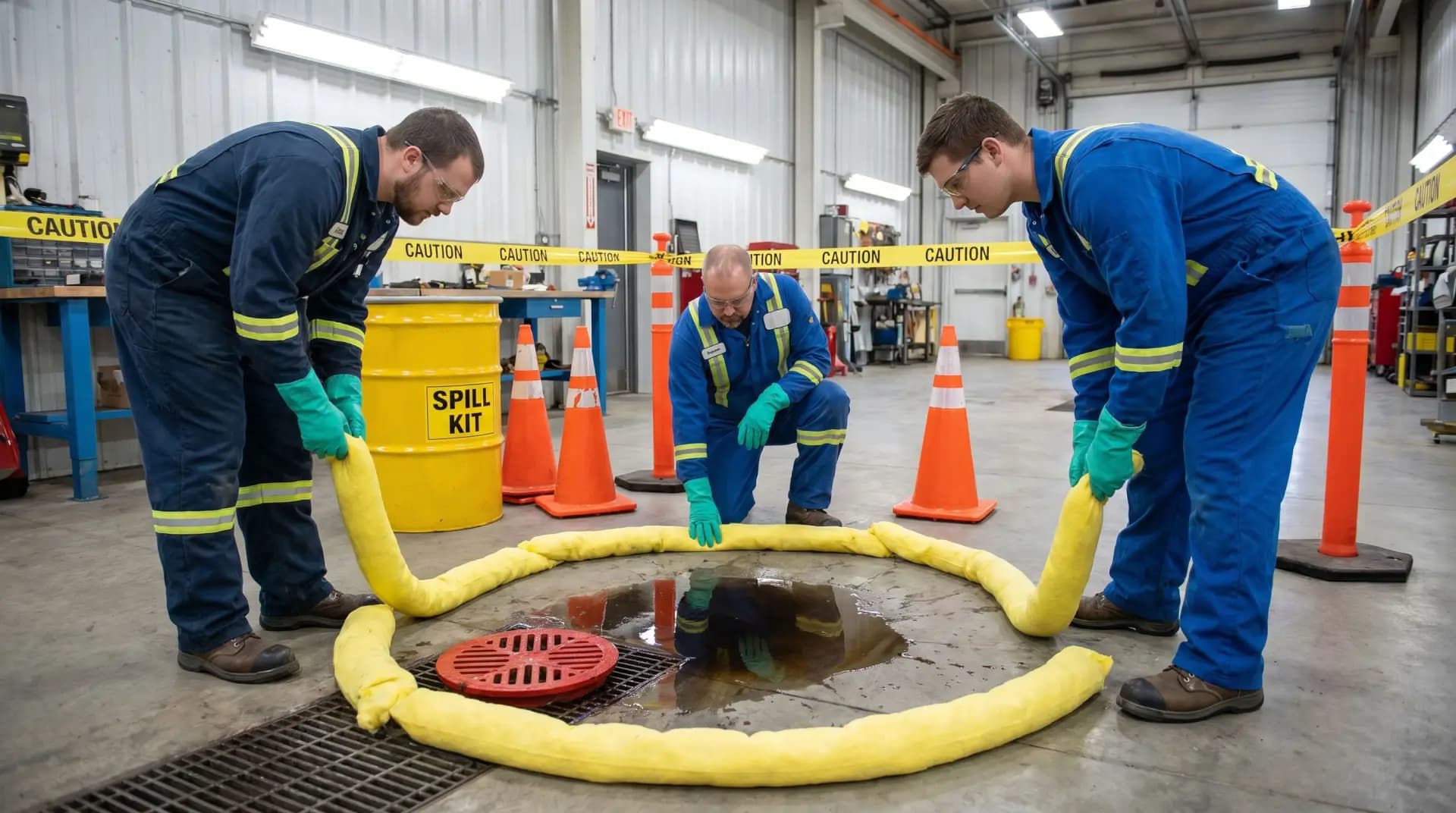
Scenario-based drills (e.g., emergency response, spill control)
On-the-job coaching with supervisor sign-off
Competence should be verified through:
Observed task execution
Behavioral checklists
Peer and supervisor feedback
In my experience, organizations that shift even 30–40% of training time into practical application see noticeable improvement in safe work practices.
Build Layered Training for Different Roles
A one-size-fits-all approach weakens effectiveness. Operators, supervisors, and managers influence safety differently, and training must reflect that.
Operator-Level Training
Focus on:
Task-specific hazards
Safe operating procedures
Immediate response actions
Supervisor-Level Training
Focus on:
Hazard recognition in dynamic environments
Behavioral observation and intervention
Permit-to-work enforcement
Management-Level Training
Focus on:
Risk-based decision-making
Resource allocation for controls
Safety leadership and accountability
When each level understands its role in risk control, safety becomes embedded—not delegated.
Reinforce Through Frequency and Microlearning
Annual refresher training is insufficient for high-risk environments. Knowledge decays quickly without reinforcement.
Programs that sustain impact use:
Short, frequent micro-sessions (10–15 minutes)
Weekly or monthly safety themes
Pre-task briefings linked to daily activities
This approach:
Keeps safety top-of-mind
Allows quick updates based on emerging risks
Reduces cognitive overload compared to long sessions
Consistency matters more than duration.
Integrate Behavioral Safety Without Losing Technical Depth
Behavioral safety programs often fail when they focus only on observation metrics without addressing technical competence.
A balanced approach includes:
Training on critical risk controls (technical)
Reinforcement of safe behaviors (behavioral)
Open reporting culture without blame
Workers must understand both:
What to do (procedure)
Why it matters (risk consequence)
Without this connection, behaviors revert under pressure.
Use Data to Continuously Improve Training Effectiveness
Training should be treated as a performance system, not a one-time activity.
Key indicators I track include:
Incident rates linked to trained tasks
Near-miss trends
Observation findings (unsafe acts vs conditions)
Post-training competency assessments
If incidents continue in areas already “trained,” it signals:
Poor training design
Lack of practical application
Weak supervision reinforcement
Programs that work evolve continuously based on this feedback loop.
Ensure Supervisor Ownership and Field Reinforcement
No training program succeeds without supervisor engagement. Supervisors convert training into daily practice.
Critical actions include:
Reinforcing training during pre-job briefings
Correcting unsafe behaviors in real time
Verifying adherence to procedures
Leading by example in PPE and compliance
When supervisors treat training as a checklist, its impact disappears. When they own it, safety performance stabilizes.
Address Human Factors Explicitly
Many incidents occur not due to lack of knowledge, but due to human limitations.
Training programs should explicitly cover:
Fatigue and workload management
Time pressure and shortcut behavior
Communication breakdowns
Situational awareness
This shifts safety from rule-following to risk-thinking, which is essential in complex operations.
Conclusion
Industrial safety training programs that work are those built on real risk, delivered through practical engagement, reinforced consistently, and owned by leadership at every level. They go beyond compliance to develop competence, shape behavior, and adapt continuously based on performance data.
In my professional practice, the most effective programs share one defining characteristic: they treat training as an operational control—not an administrative requirement. When training is designed this way, it becomes a frontline defense against incidents rather than a record in a file.






Responses