

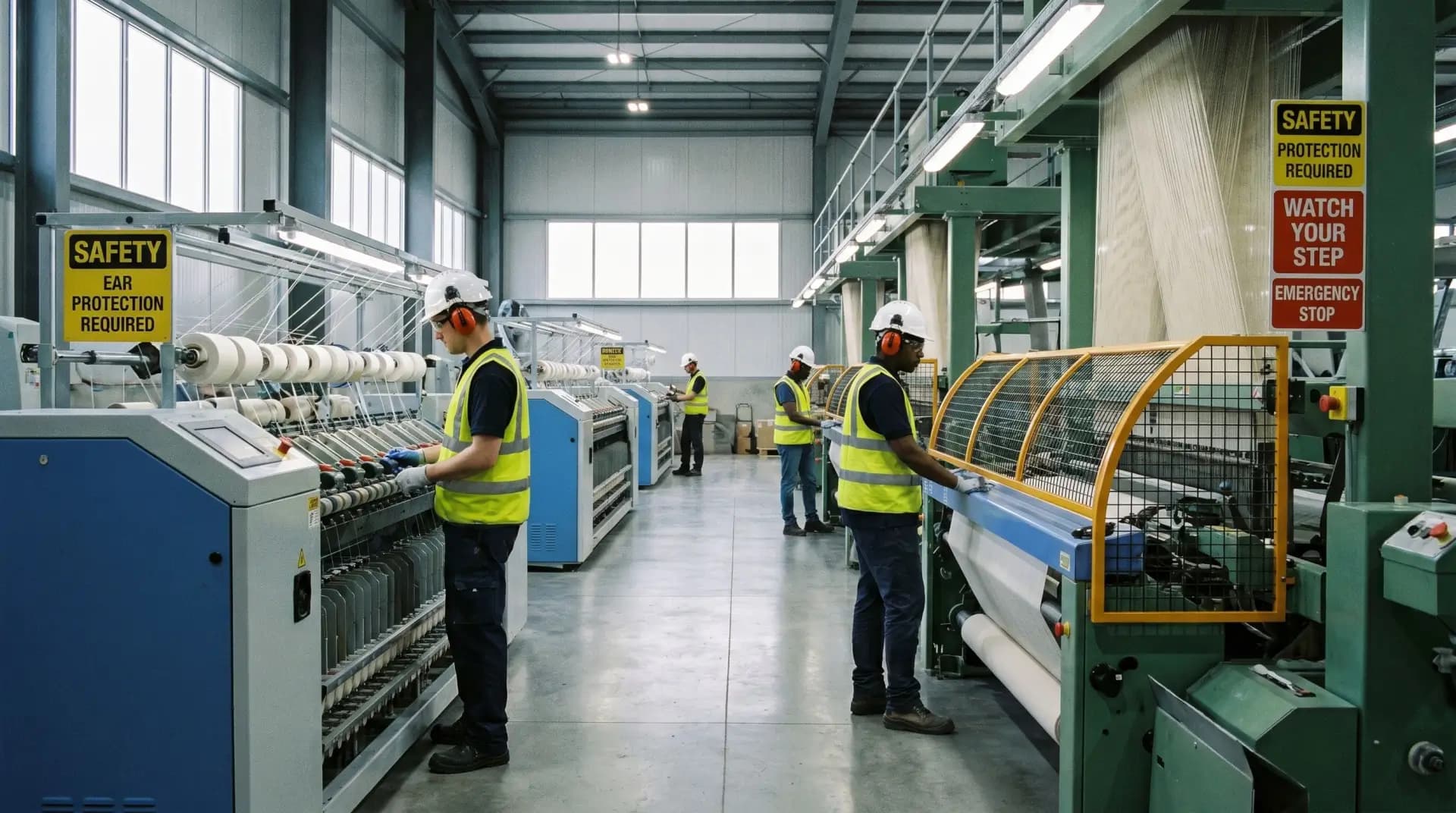
Industrial safety in textile mills is fundamentally about controlling exposure to mechanical hazards, airborne contaminants, fire risks, and ergonomic strain across spinning, weaving, dyeing, and finishing operations. In practice, this means engineered machine guarding, disciplined housekeeping to control lint and dust, effective ventilation systems, strict chemical handling protocols, and a workforce trained to recognize and interrupt risk before it escalates. When these controls are integrated into daily operations—not treated as add-ons—incident rates drop, production stability improves, and compliance becomes a by-product rather than a burden.
Understanding the Risk Profile of Textile Mills
Textile mills combine high-speed machinery with combustible fibers and frequent human interaction. The dominant risk clusters I see in audits and incident reviews include:
Mechanical hazards: rotating shafts, belts, rollers, and looms with in-running nip points.
Airborne dust and fibers: cotton dust and microfibers affecting respiratory health and visibility.
Fire and explosion risks: lint accumulation acting as fuel, combined with ignition sources.
Chemical exposure: dyes, solvents, finishing agents, and auxiliaries in wet processing.
Noise and vibration: sustained exposure in spinning and weaving sections.
Ergonomic strain: repetitive tasks, manual handling of yarn packages and fabric rolls.
The safety strategy must be tailored to these realities rather than relying on generic industrial controls.
Machine Safety and Guarding
Unprotected moving parts remain one of the most consistent causes of severe injuries in textile operations. Effective control requires:
Core Controls
Fixed and interlocked guards on all rotating components and nip points
Emergency stop systems accessible along production lines
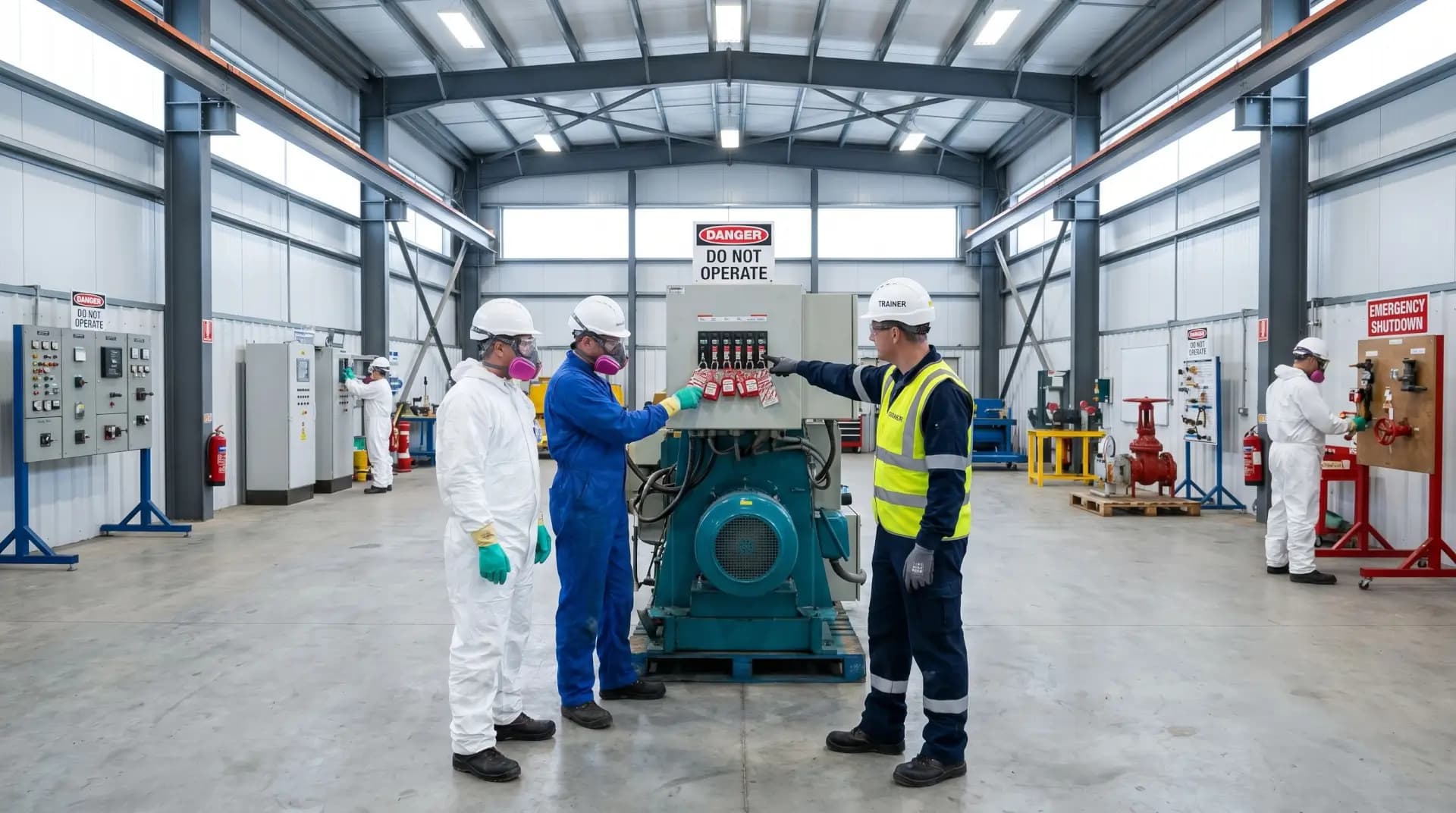
Lockout/Tagout (LOTO) for maintenance and jam clearing
Two-hand controls or presence-sensing devices where applicable
Practical Implementation Notes
Guards must be tamper-resistant yet maintainable; poorly designed guards get bypassed.
Maintenance teams should be LOTO-certified, not just aware.
Near-miss reporting around entanglement must be treated as high-priority indicators, not minor events.
Controlling Dust and Air Quality
Cotton dust is both a health hazard and a fire risk. Chronic exposure is associated with respiratory conditions, while suspended lint contributes to explosive atmospheres.
Engineering Measures
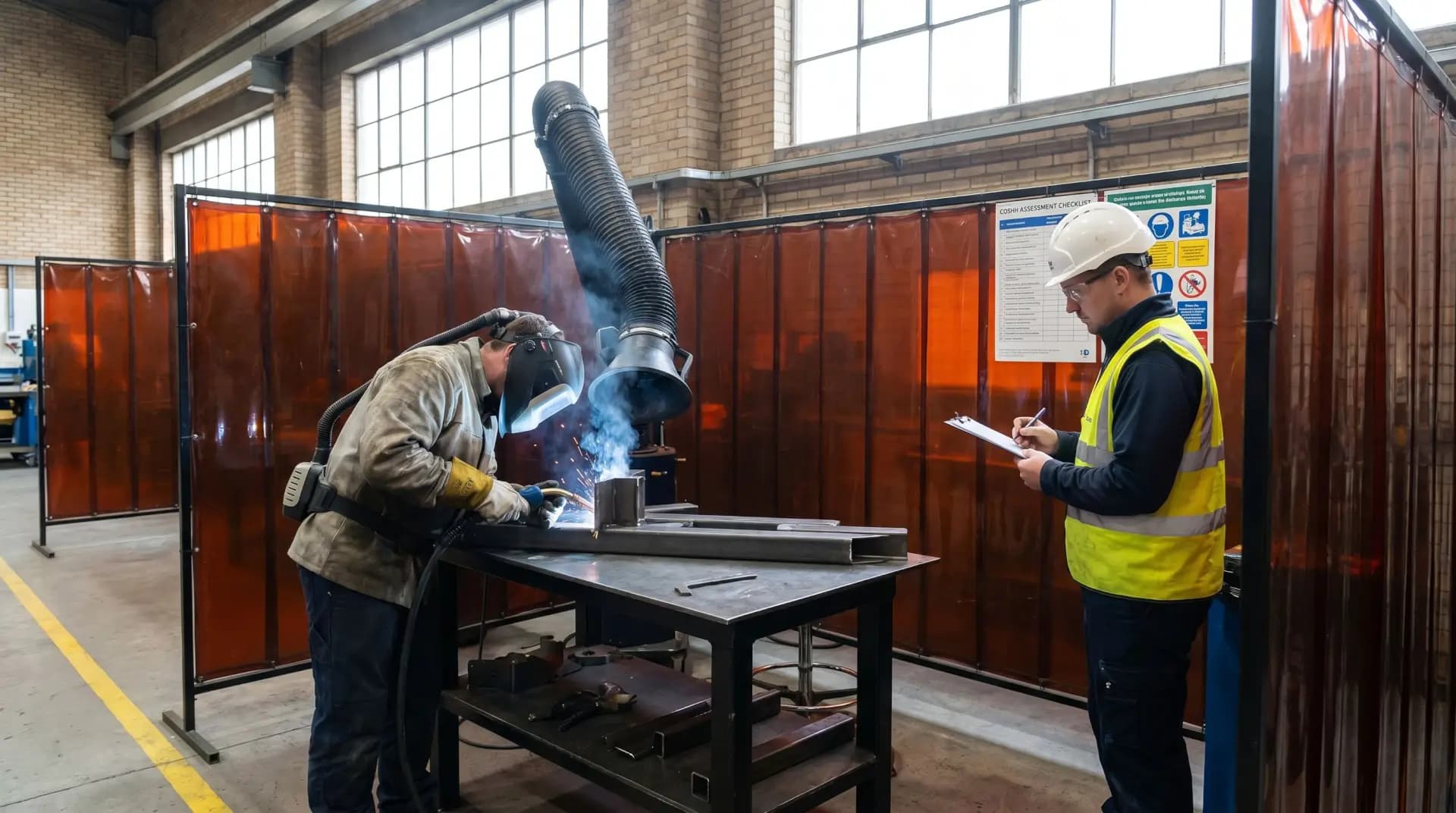
Local exhaust ventilation (LEV) at carding, spinning, and opening sections
Centralized dust extraction systems with proper filtration
Regular duct cleaning schedules to prevent buildup
Administrative and PPE Controls
Air monitoring programs to track particulate levels
Use of appropriate respiratory protection where engineering controls are insufficient
Housekeeping routines designed for continuous lint removal, not periodic cleanup
A key mistake I often correct is relying on PPE instead of fixing airflow and capture efficiency at source.
Fire Prevention and Protection
Textile mills present a classic fuel–oxygen–ignition triangle, with lint acting as a ready fuel.
Prevention Strategy
Strict housekeeping to eliminate lint accumulation on beams, lights, and ducts
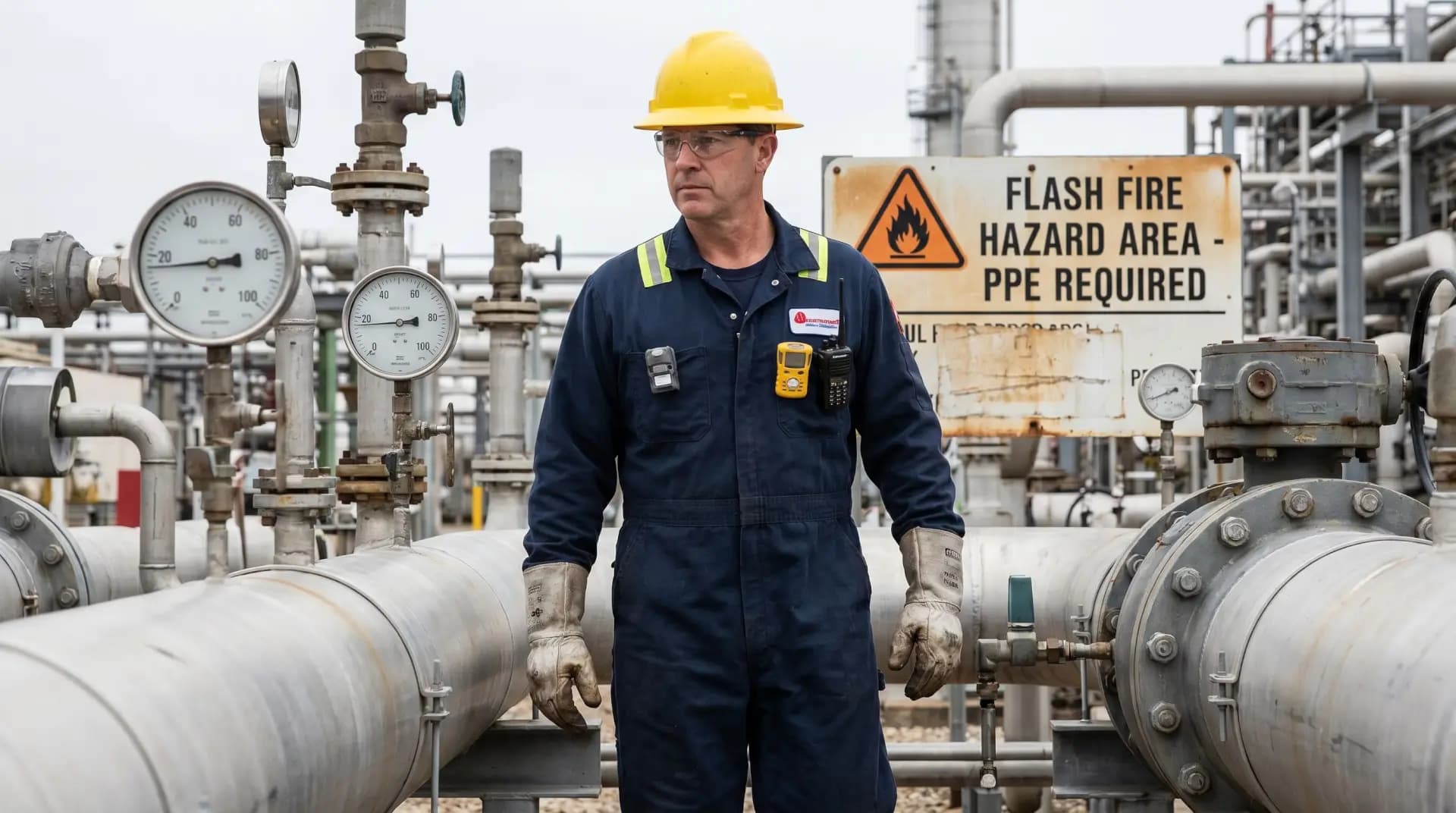
Control of ignition sources: electrical maintenance, static discharge control, and hot work permits
Segregation of flammable chemicals in designated storage areas
Protection Systems
Automatic fire detection and alarm systems
Sprinkler systems designed for textile occupancy
Clearly marked and unobstructed escape routes and exits
Routine fire drills must reflect realistic scenarios—blocked aisles, power failure, or smoke spread—not ideal conditions.
Chemical Safety in Wet Processing
Dyeing and finishing introduce chemical hazards that require disciplined management.
Safe Handling Framework
Chemical inventory and Safety Data Sheet (SDS) access
Closed or automated dosing systems where feasible
Secondary containment for storage tanks and drums
Worker Protection
Task-specific PPE (gloves, goggles, aprons, respirators as needed)
Emergency eyewash and shower stations within reach
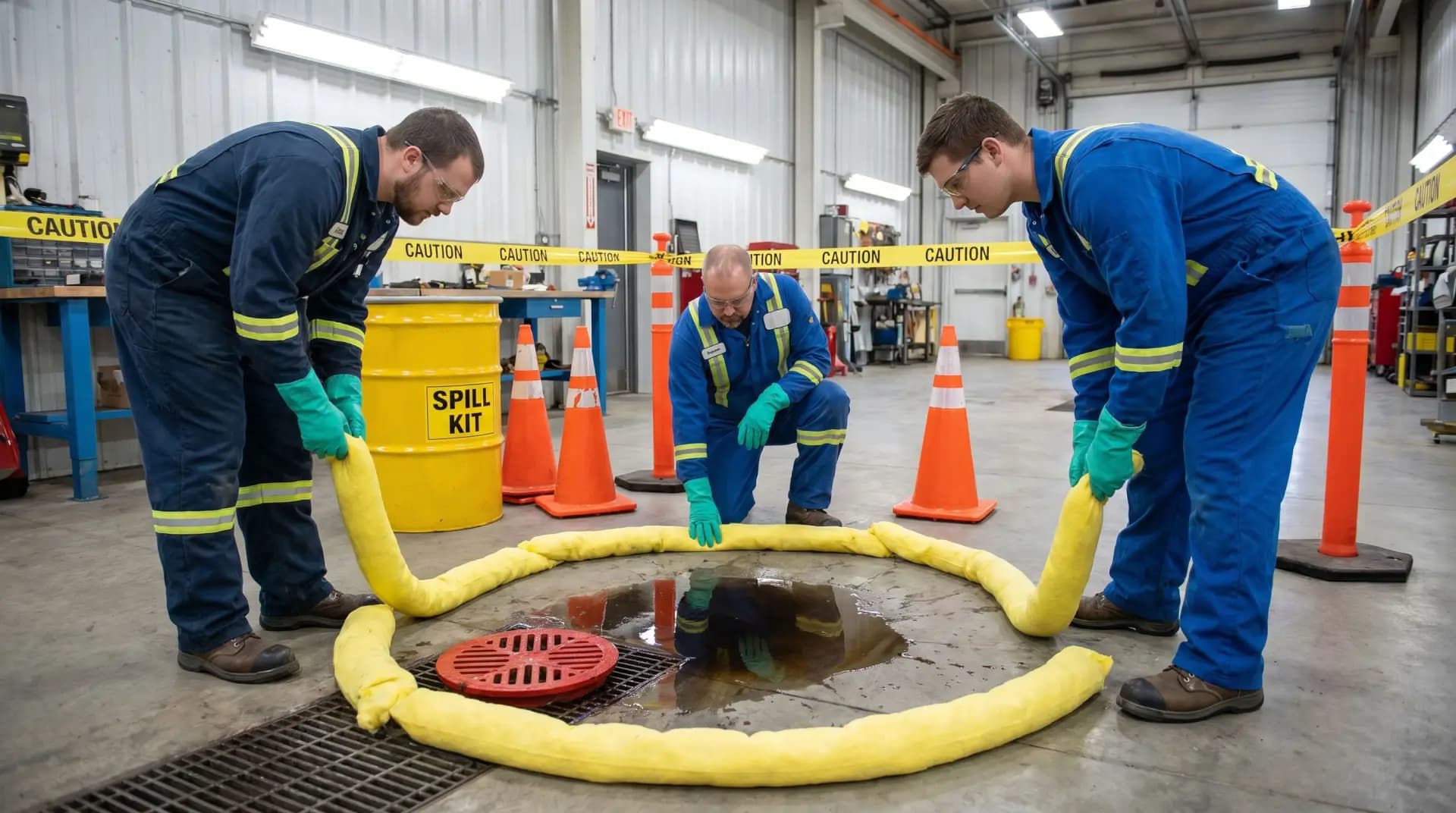
Training on incompatibility risks and spill response
I emphasize compatibility checks—many incidents stem from improper mixing or storage rather than the chemical itself.
Noise and Ergonomic Risk Management
While often under-prioritized, these risks affect long-term workforce health and productivity.
Noise Control
Engineering noise reduction at source (enclosures, dampening)
Hearing conservation programs with regular audiometry
Ergonomics
Mechanical aids for lifting yarn and fabric rolls
Workstation design to minimize awkward postures
Job rotation to reduce repetitive strain
Ignoring these factors doesn’t produce immediate incidents, but it steadily erodes workforce capability.
Safety Management Systems and Culture
Controls only work when embedded in a functioning system.
Key Elements
Risk assessments specific to each process stage
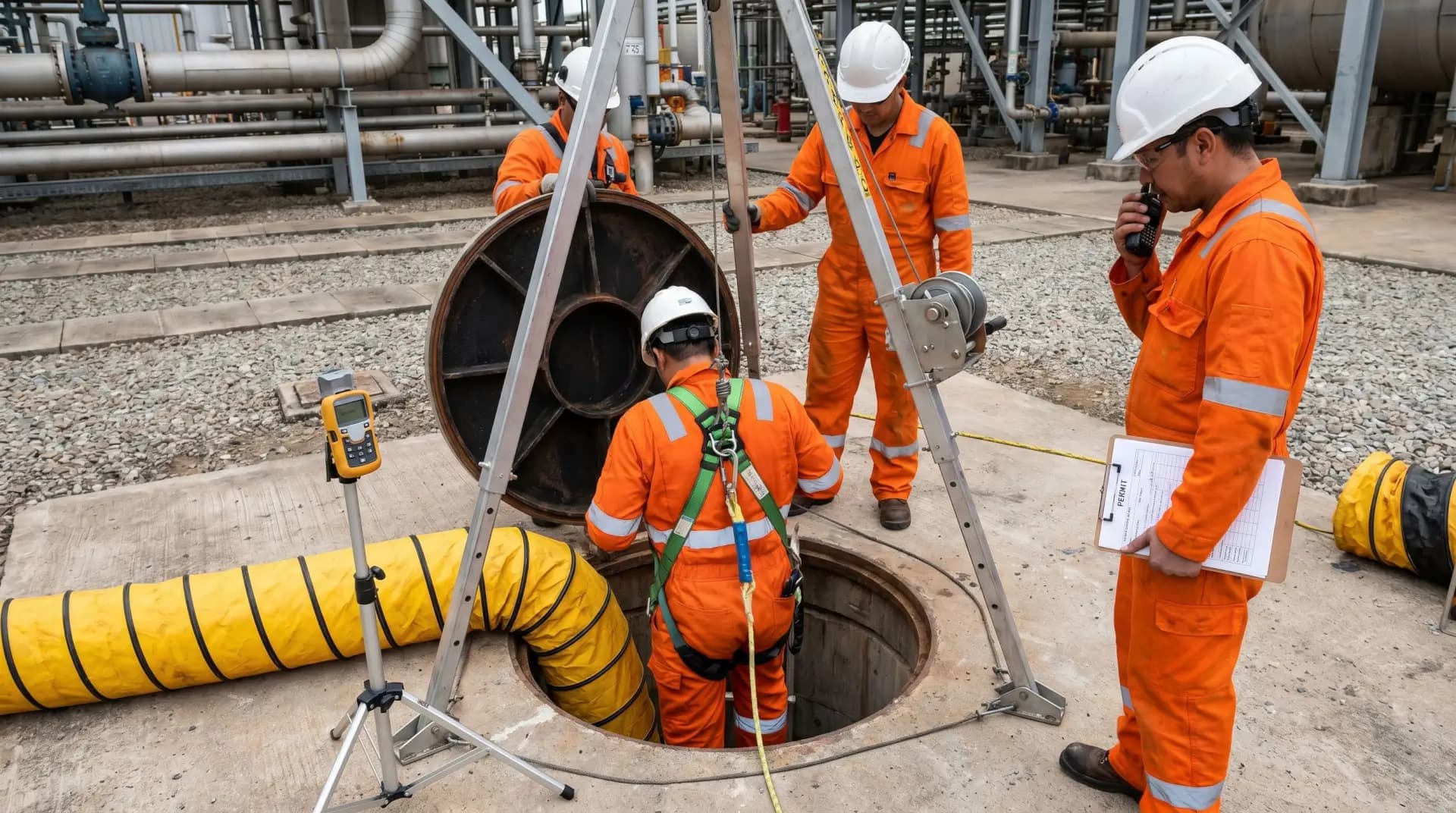
Permit-to-work systems for non-routine tasks
Incident and near-miss reporting with root cause analysis
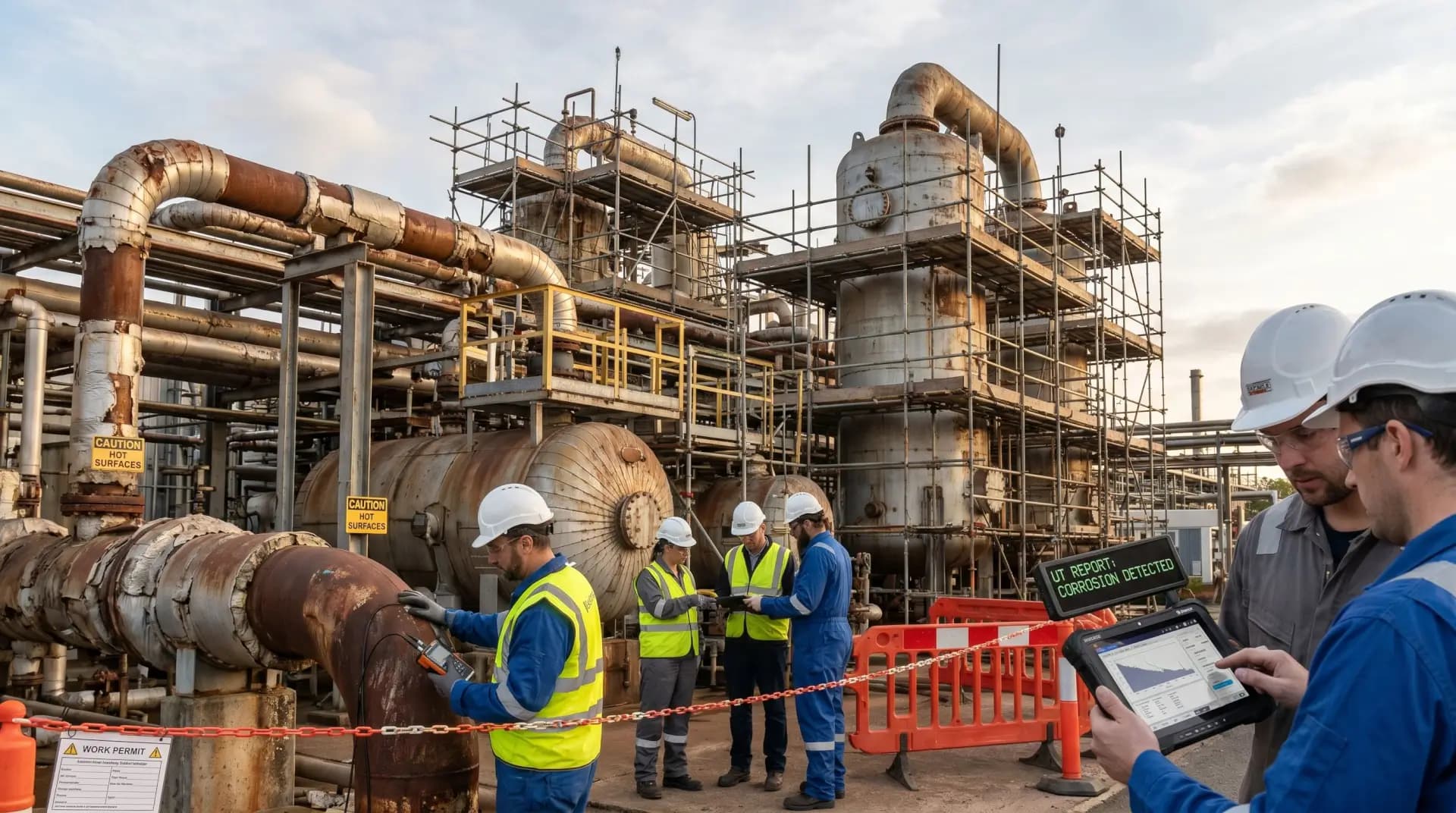
Routine inspections and behavioral observations
Leadership and Workforce Engagement
Supervisors must enforce standards consistently—not selectively
Workers should be empowered to stop unsafe work without retaliation
Safety performance should be tracked using leading indicators, not just injury rates
A mature textile mill doesn’t just comply—it anticipates.
Conclusion
Industrial safety in textile mills is achieved through disciplined control of machinery, dust, fire risks, chemicals, and human factors. The difference between a high-risk facility and a resilient one lies in how consistently these controls are applied and maintained. From my professional standpoint, the most effective mills are those where safety is operationalized into every shift, every task, and every decision—quietly, consistently, and without compromise.

Responses