


HSE audits fail to deliver value not because of weak frameworks, but because of recurring practical challenges—poor preparation, resistance from teams, incomplete data, and superficial corrective actions. Over the years, I’ve seen that the real issue is not the audit itself, but how organizations approach it: as a compliance ritual instead of a performance tool. When handled correctly, audits expose operational blind spots, strengthen risk controls, and elevate safety culture.
Below is a grounded breakdown of the most common HSE audit challenges—and how to overcome them in real operational environments.
Lack of Clear Audit Scope and Objectives
One of the most frequent breakdowns starts before the audit even begins. When the scope is vague, the audit becomes scattered and unfocused.
Why it happens:
No alignment between corporate HSE goals and audit plans
Overly broad or generic audit checklists
Failure to define critical risk areas
How I address it:
I always anchor the audit scope to risk exposure and operational priorities, not just compliance checklists. A focused audit should answer:
Which high-risk activities are we evaluating?
Which legal or standard requirements apply?
What specific outcomes are expected?
A clearly defined scope ensures depth over surface-level coverage.
Inadequate Preparation and Documentation Gaps
Audits often stall due to missing records, outdated procedures, or disorganized documentation systems.
Common issues:
Incomplete risk assessments
Expired permits or certifications
Poor version control of procedures
Lack of audit trail for previous findings
Practical solution:
Preparation is not a last-minute activity. I recommend:
Conducting pre-audit internal reviews
Assigning document owners for accountability
Maintaining a centralized document control system
Reviewing previous audit findings before starting
When documentation is structured and accessible, audit time is used effectively on verification—not chasing paperwork.
Workforce Resistance and Lack of Engagement
Audits can trigger defensive behavior, especially when employees perceive them as fault-finding exercises.
What I’ve observed:
Workers withholding information
Supervisors trying to “stage-manage” conditions
General anxiety during auditor interactions
How to overcome it:
The solution lies in communication and positioning.
I consistently reinforce that audits are:
Tools for improvement—not punishment
Opportunities to fix system weaknesses
A shared responsibility across all levels
Engaging workers through briefings before audits significantly reduces resistance and improves transparency.
Auditor Competency and Bias
An audit is only as strong as the person conducting it. Inexperienced auditors often miss critical risks, while biased auditors may focus too narrowly.
Typical shortcomings:
Over-reliance on checklists
Limited understanding of operational hazards
Personal bias influencing findings
My approach:
Effective auditors must combine:
Technical HSE knowledge
Operational awareness
Strong observation and interviewing skills
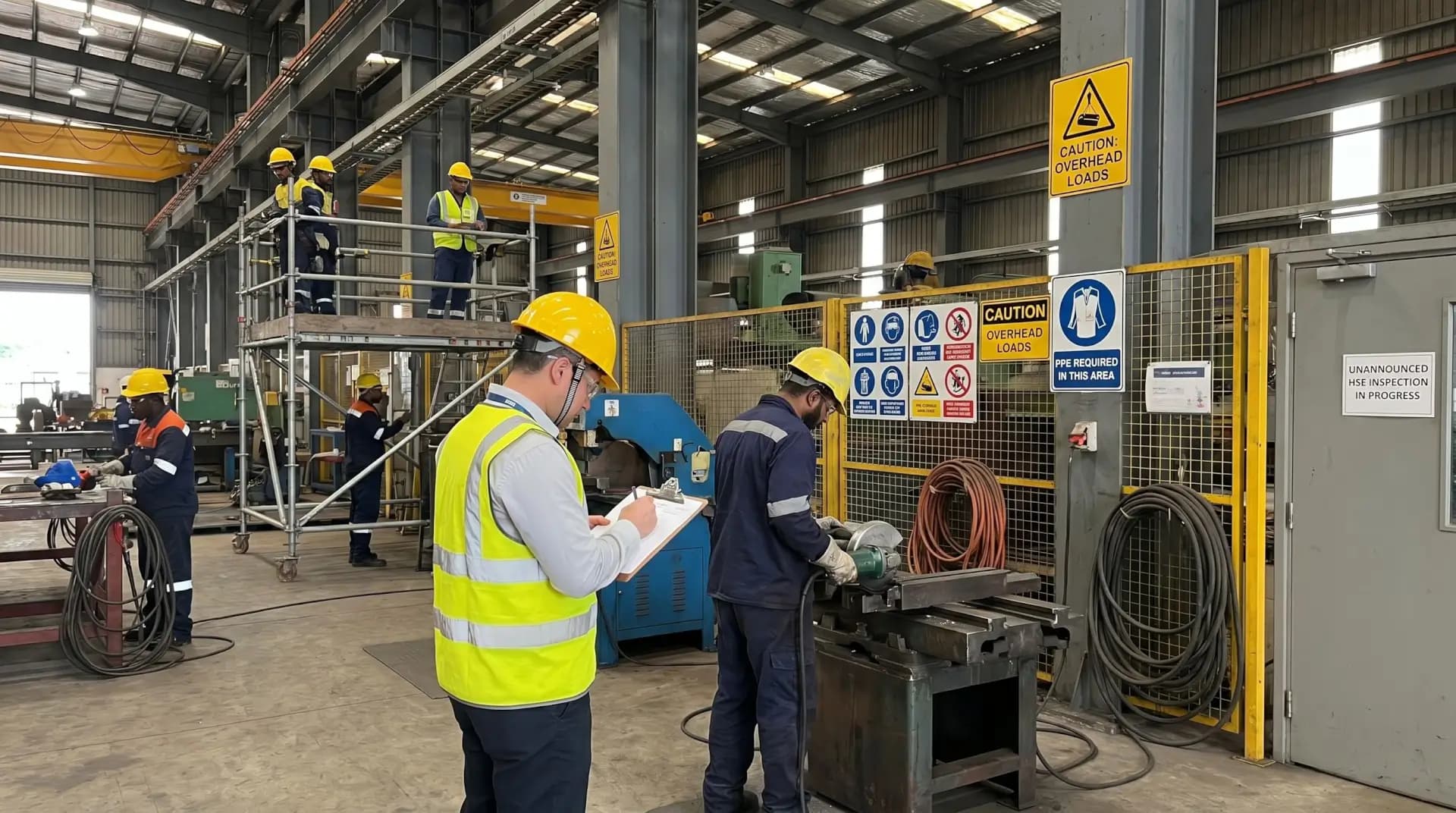
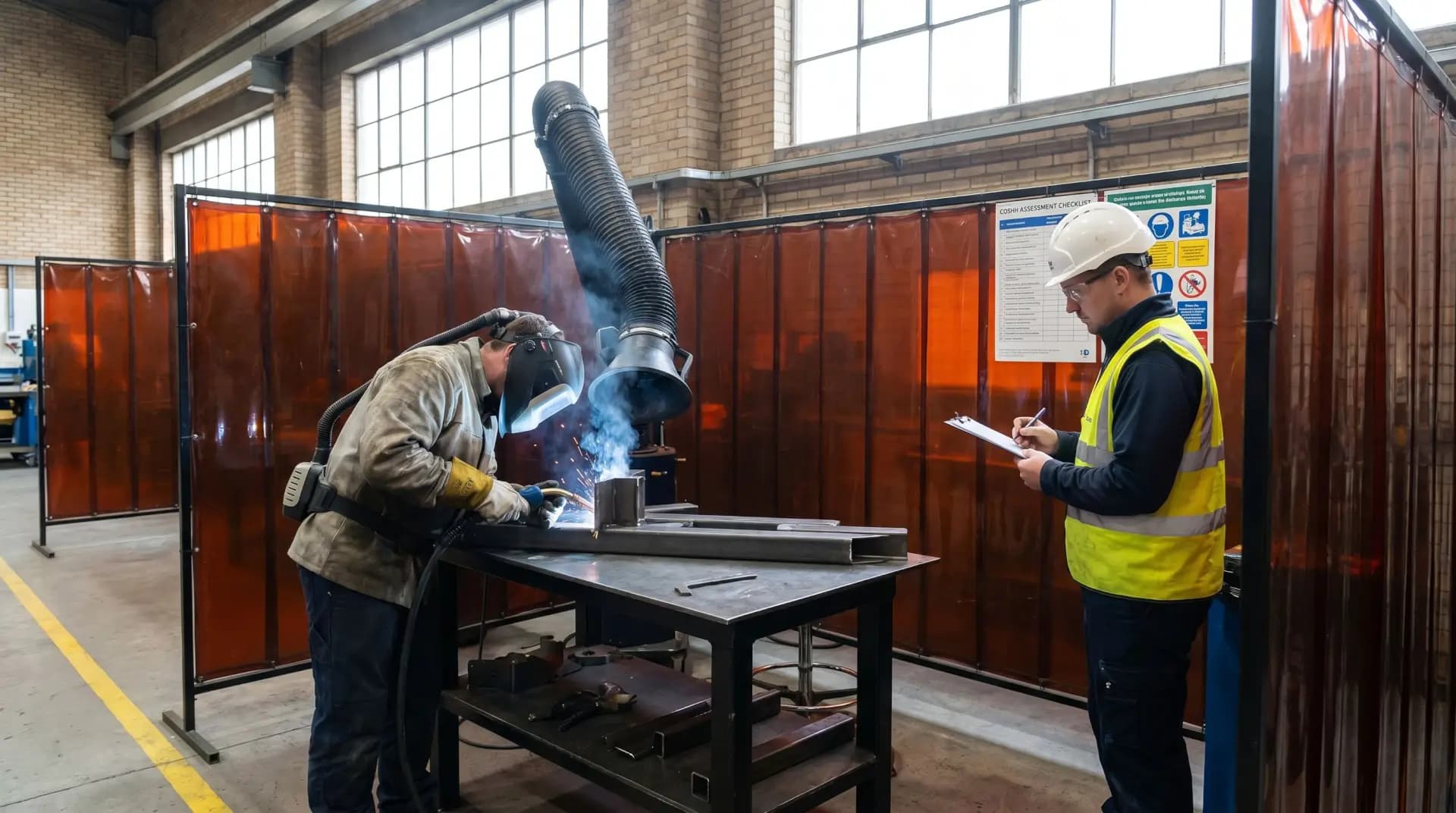
I always emphasize scenario-based auditing—observing how work is actually performed, not just how it is documented.
Overemphasis on Compliance Instead of Risk
A major flaw in many HSE audits is treating them purely as compliance exercises.
The problem:
Compliance does not always equal safety. A site may meet regulatory requirements but still have significant uncontrolled risks.
What works better:
I shift the audit focus toward:
Critical risk controls
Behavioral safety practices
Effectiveness of control measures
For example, instead of just checking if a permit exists, I verify:
Whether controls listed in the permit are actually implemented
Whether workers understand the risks
This transition from compliance to risk-based auditing dramatically improves audit value.
Poor Root Cause Analysis of Findings
Many audit findings are treated symptomatically rather than systematically.
Common mistake:
Labeling issues as “human error” without deeper investigation.
Better approach:
I apply structured root cause thinking:
Was the procedure unclear?
Was training inadequate?
Was supervision lacking?
Were controls impractical?
Without identifying the true cause, corrective actions become temporary fixes.
Weak Corrective Action Follow-Up
Closing audit findings on paper is easy—ensuring real change is not.
What usually goes wrong:
Actions marked complete without verification
Delayed implementation
No effectiveness checks
What I enforce:
A strong corrective action system includes:
Clear ownership and deadlines
Verification of implementation
Effectiveness review after closure
An action is only “closed” when it prevents recurrence, not when it is documented.
Time Constraints and Operational Pressure
Audits are often rushed due to production priorities, leading to incomplete assessments.
Reality on the ground:
Limited access to key personnel
Restricted observation time
Pressure to finish quickly
How I manage it:
I prioritize:
High-risk activities first
Critical control verification over low-impact checks
Flexible scheduling with operations
Quality always outweighs speed in audits.
Inconsistent Audit Standards Across Sites
In multi-site organizations, inconsistency creates confusion and weakens benchmarking.
Typical issues:
Different audit criteria across locations
Varied auditor interpretations
Lack of standard scoring systems
Solution:
Standardization is essential:
Use unified audit protocols
Train auditors consistently
Apply the same evaluation criteria across all sites
Consistency allows meaningful comparison and continuous improvement.
Digitalization Challenges in HSE Audits
Many organizations struggle to transition from manual audits to digital systems.
Challenges include:
Resistance to new tools
Poor system usability
Data overload without insights
My recommendation:
Digital tools should:
Simplify data capture
Enable real-time reporting
Highlight trends and recurring issues
Technology should support decision-making—not complicate it.
Conclusion
HSE audit challenges are not isolated problems—they are interconnected weaknesses in how organizations perceive and execute audits. From my experience, the shift that makes the biggest difference is moving from a checklist-driven mindset to a risk-based, performance-focused approach.
An effective audit is not about identifying non-compliance; it is about understanding why systems fail and ensuring they improve. When audits are structured, objective, and action-driven, they become one of the most powerful tools in any HSE management system.





Responses