
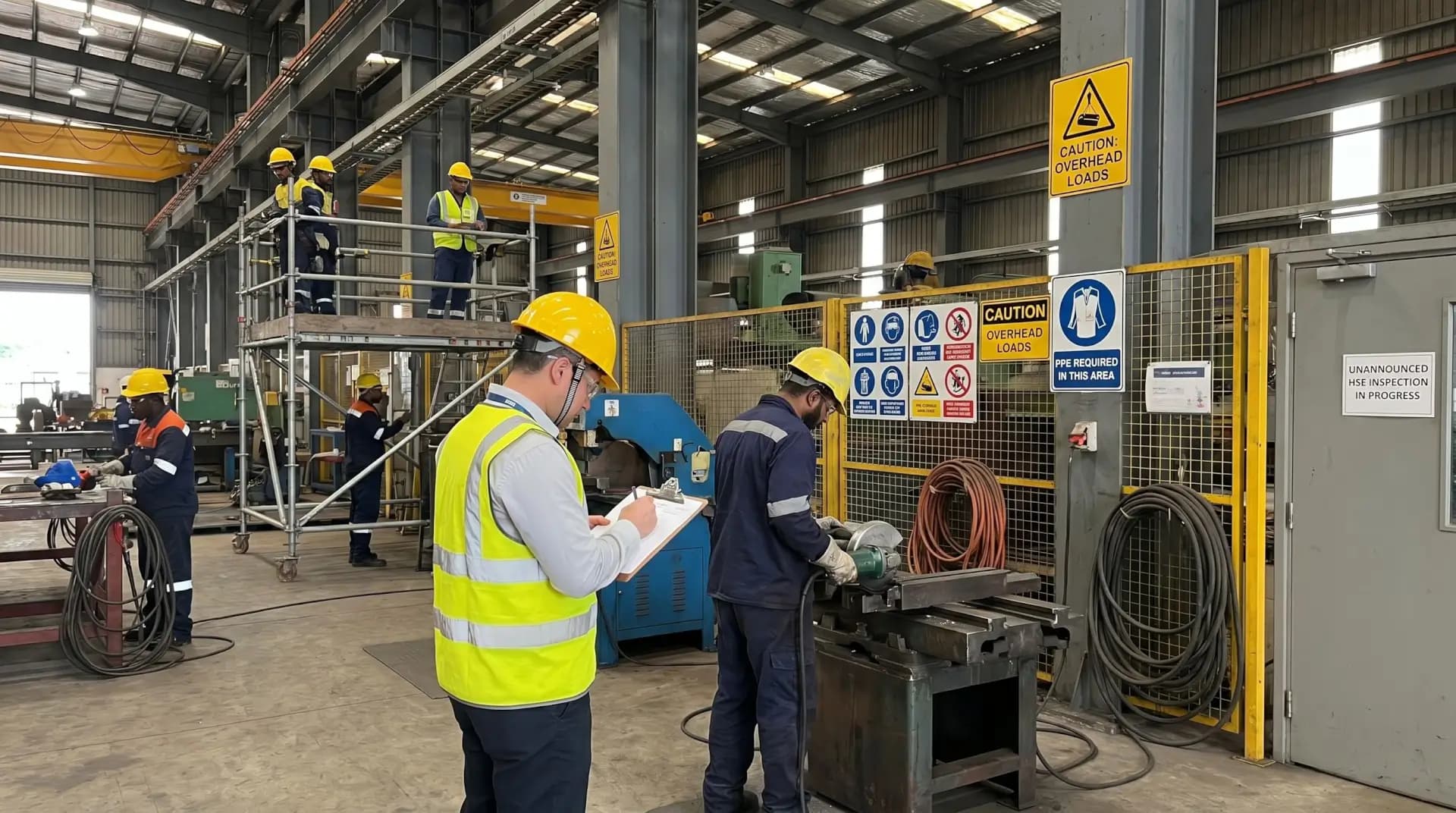
Surprise safety audits are unannounced, structured evaluations of workplace conditions and behaviors designed to reveal the true state of safety performance—without the distortion that preparation often brings. When conducted correctly, they expose real risks, validate the effectiveness of controls, and reinforce accountability across all levels of an organization.
Unlike scheduled audits, the value of a surprise audit lies in authenticity. What I look for is not a polished site, but a truthful one—where systems, behaviors, and controls operate as they do every day.
Understanding the Purpose of Surprise Safety Audits
A surprise safety audit is not about catching people off guard—it is about verifying whether safety systems are genuinely embedded into daily operations.
From my practice, these audits serve three critical purposes:
Behavioral validation – Are workers following procedures when no one is watching?
System integrity check – Are controls consistently maintained?
Risk visibility – Are hazards being managed proactively or reactively?
Organizations that rely only on planned audits often develop a false sense of compliance. Surprise audits correct that bias.
Pre-Audit Preparation Without Alerting the Site
Even though the audit is unannounced, preparation is still essential—but it happens at the auditor’s level, not the site’s.
Define Clear Audit Objectives
Before stepping on-site, I always lock in what I am assessing:
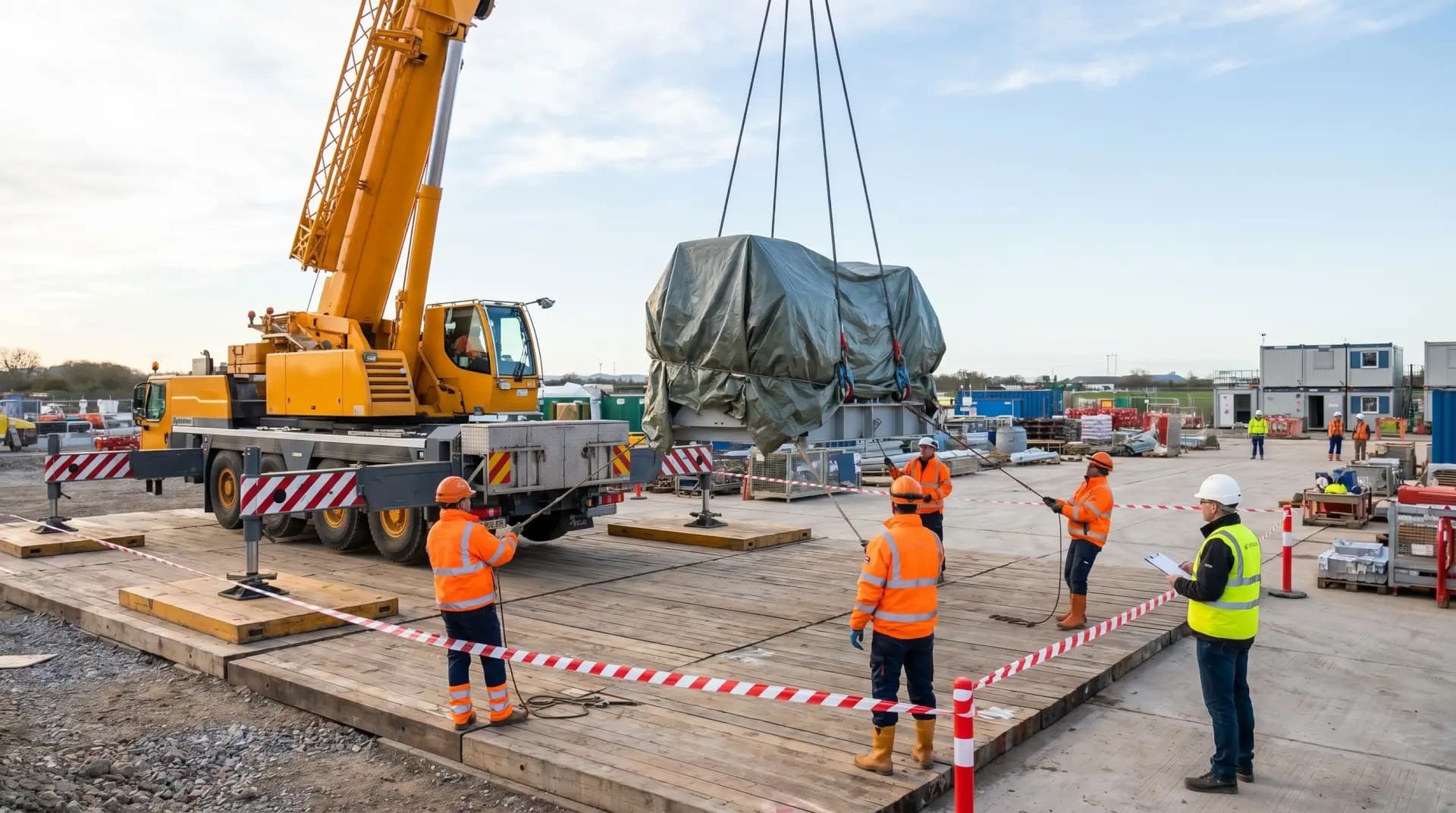
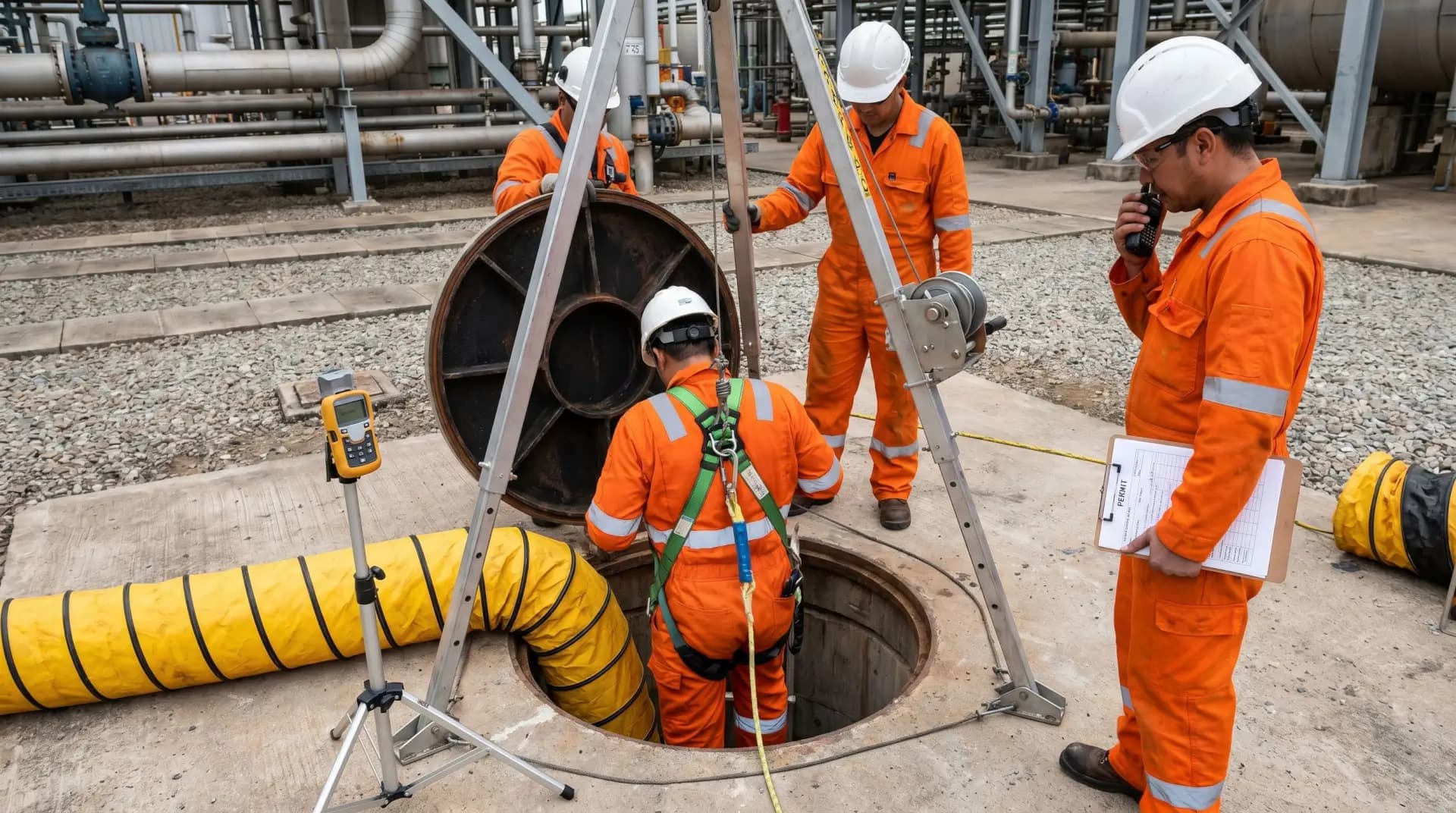
High-risk operations (e.g., confined spaces, lifting, working at height)
Compliance with critical procedures
Effectiveness of supervision and leadership presence
Review Background Information
Without notifying the site, I examine:
Previous audit findings
Incident and near-miss trends
Known weak areas or recurring non-conformities
This ensures the audit is targeted, not random.
Select the Right Timing
Timing is strategic. I typically choose:
Shift changes
Peak operational hours
Night shifts or weekends
These periods often reveal gaps in supervision and consistency.
Conducting the Surprise Audit On-Site
The moment you arrive, the audit begins—not when the checklist opens.
Entry and First Impressions
Initial observations are highly revealing:
Are access controls enforced?
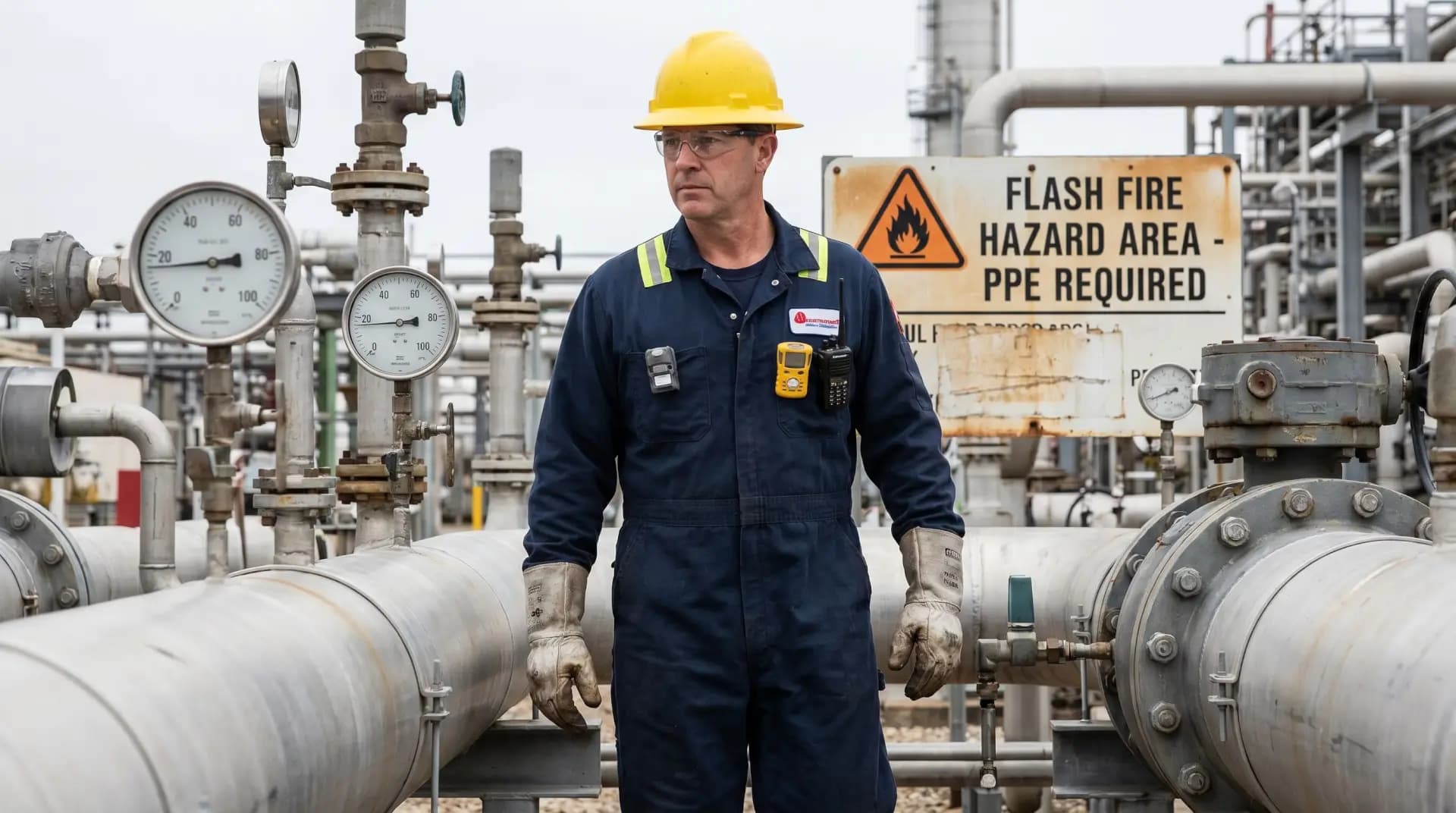
Is PPE compliance natural or rushed?
How do supervisors react to your presence?
These first few minutes often reflect the true safety culture.
Engage, Don’t Intimidate
One mistake I see often is auditors creating fear. That undermines the purpose.
Instead, I:
Ask open-ended questions
Observe work before interrupting
Encourage workers to explain tasks in their own words
This approach reveals understanding, not just compliance.
Focus Areas During Inspection
I prioritize critical risk areas rather than superficial checks:
Work at height – Guardrails, harness usage, anchorage
Energy isolation – Lockout/tagout practices
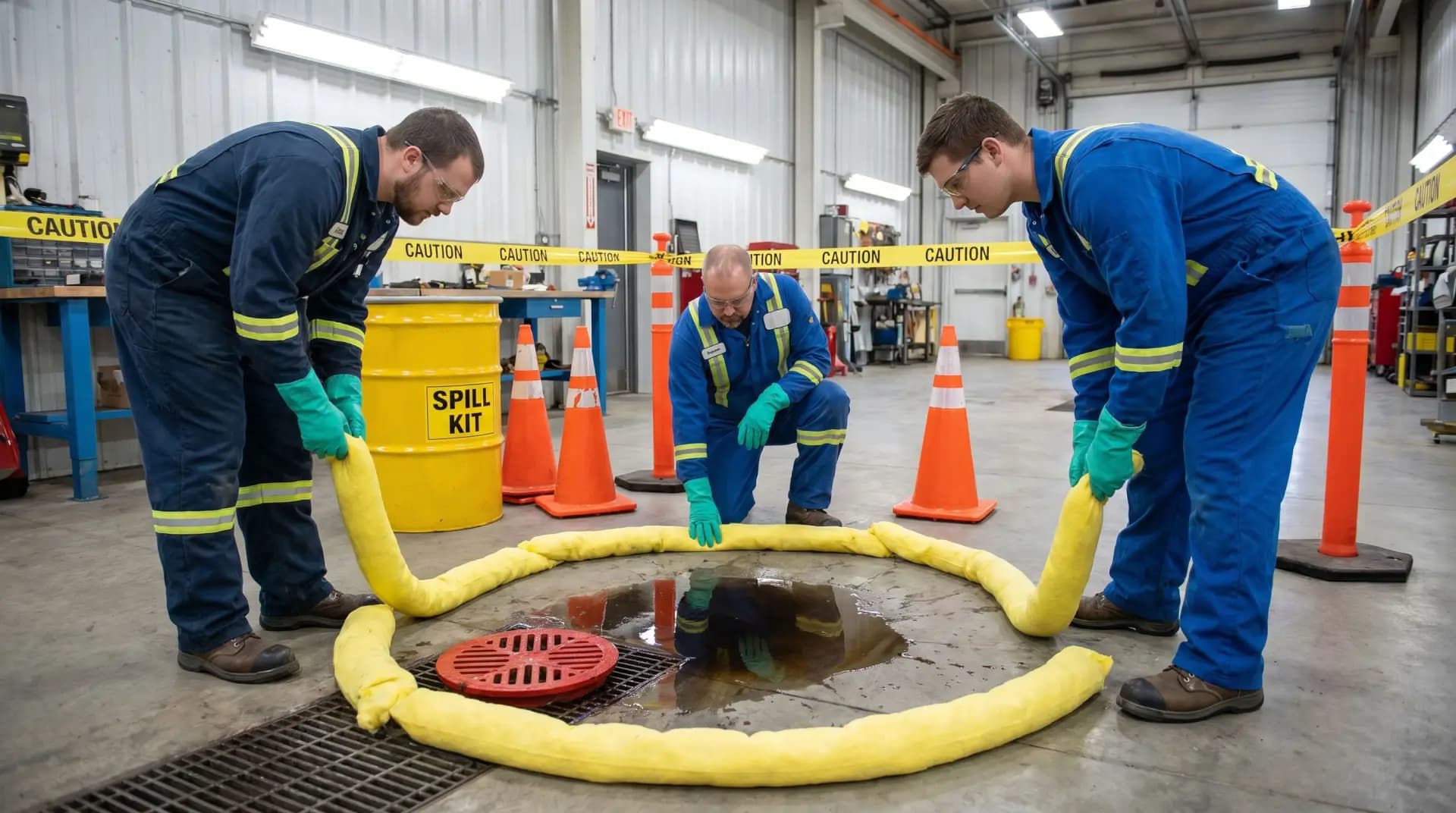
Housekeeping – Indicators of discipline and hazard control
Equipment condition – Maintenance and inspection status
Permit systems – Are they live documents or paperwork exercises?
Observe Behaviors Closely
Documents can mislead—behavior rarely does.
Key behavioral indicators include:
Shortcut-taking under pressure
Over-reliance on experience instead of procedure
Supervisor presence versus absence
Documentation and Evidence Collection
A surprise audit must still be structured and defensible.
Record Objective Evidence
I focus on:
What I saw (not assumptions)
Where it occurred
Who was involved (role, not personal targeting)
Avoid vague statements. Precision matters.
Use Photographic Evidence Carefully
Photos are valuable, but must be:
Relevant to the finding
Taken ethically (no unnecessary exposure of individuals)
Contextually clear
Communicating Findings Without Delay
One of the most effective practices I apply is immediate feedback.
Conduct a Brief Closing Discussion
Before leaving site, I:
Highlight critical risks first
Clarify observations with supervisors
Avoid debating—focus on facts
Balance Positives and Gaps
A credible audit acknowledges what is working:
Reinforces good practices
Builds trust with the workforce
Post-Audit Actions and Follow-Up
The audit only delivers value if it drives action.
Categorize Findings by Risk
I typically group them as:
Critical – Immediate action required
Major – System failure or significant gap
Minor – Improvement opportunities
Track Corrective Actions
Accountability is essential:
Assign responsibility
Set realistic deadlines
Verify closure—not just reported completion
Analyze Patterns Over Time
One audit is a snapshot. Multiple audits reveal trends.
Recurring issues often indicate:
Weak supervision
Ineffective training
Procedural gaps
Common Mistakes to Avoid
From experience, these mistakes reduce audit effectiveness:
Treating surprise audits as fault-finding missions
Over-focusing on documentation instead of field conditions
Ignoring worker engagement
Failing to follow up on findings
A surprise audit should strengthen the system—not damage trust.
Building a Sustainable Surprise Audit Program
For long-term impact, surprise audits must be systematic, not occasional.
Integrate Into the HSE Framework
Align with risk assessments and KPIs
Rotate auditors to reduce bias
Ensure leadership participation
Maintain Frequency Without Predictability
Audits should occur regularly—but without patterns that can be anticipated.
Conclusion
Surprise safety audits, when conducted professionally, are one of the most powerful tools in HSE management. They reveal reality—how work is truly performed, how risks are actually managed, and whether safety is embedded or staged.
In my experience, the organizations that benefit most from these audits are those that treat them not as inspections, but as opportunities to see themselves clearly. That clarity is what drives meaningful improvement.

Responses