

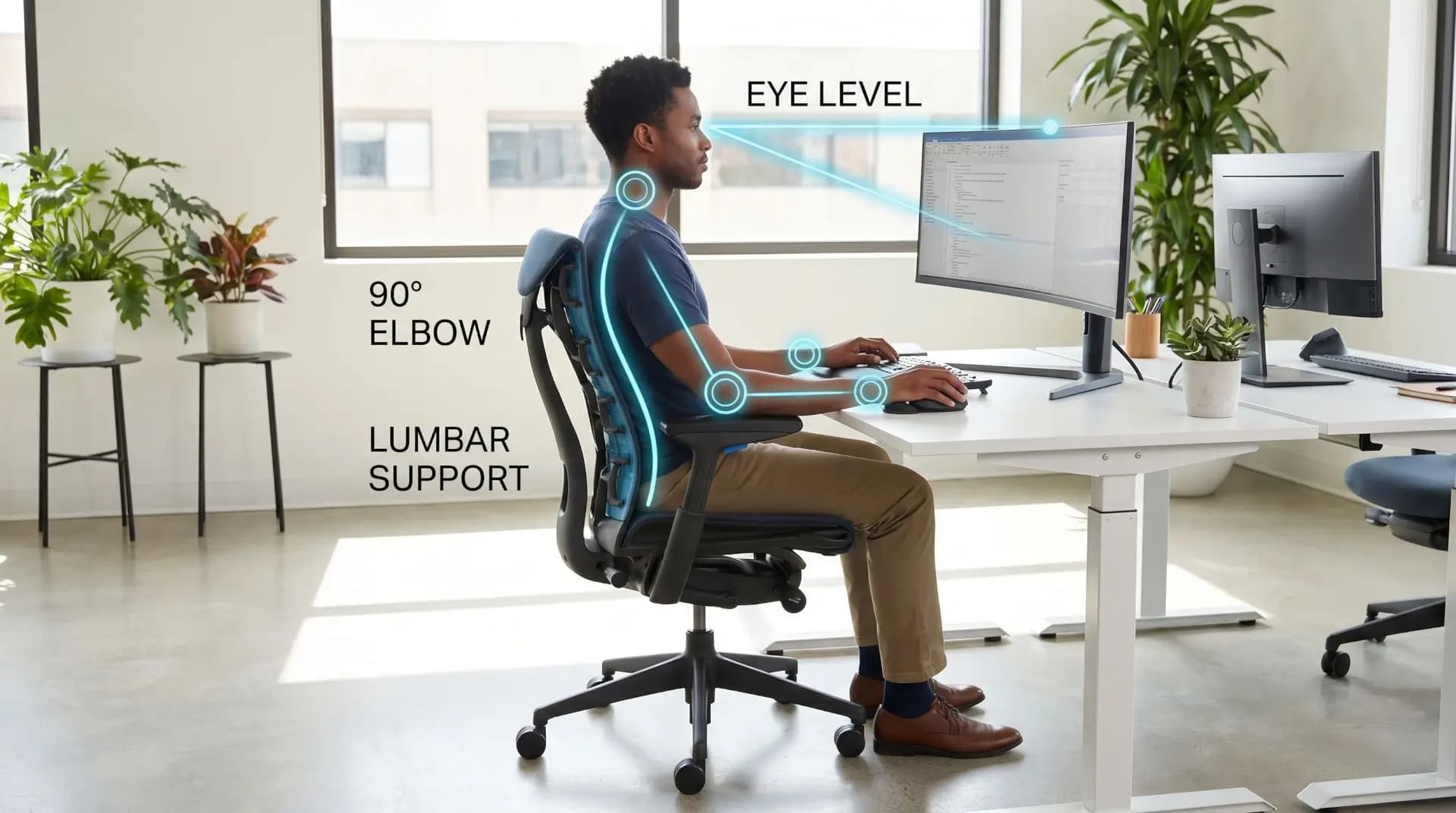
Repetitive strain injuries (RSIs) are prevented by controlling exposure to repeated motion, reducing force and awkward postures, and designing work in a way that allows the human body to recover. In practice, this means combining ergonomic workstation design, task variation, proper work techniques, and early reporting systems. Prevention is not a single control—it is a structured approach that addresses how work is performed, how often it is performed, and how the body is supported throughout the task.
Understanding Repetitive Strain Injuries in the Workplace
Repetitive strain injuries develop gradually when muscles, tendons, and nerves are subjected to repeated stress without adequate recovery. I’ve consistently observed that RSIs are often underestimated because they do not result from a single incident. Instead, they build over time through:
Repetitive motions (typing, lifting, assembly work)
Sustained awkward postures (bent wrists, hunched shoulders)
Forceful exertions (gripping tools tightly)
Insufficient rest or recovery time
Common examples include tendon inflammation, nerve compression conditions, and chronic muscular fatigue. These conditions can affect productivity long before they become medically diagnosed injuries.
Designing Ergonomic Workstations
The most effective prevention starts with proper workstation design. A well-designed setup reduces strain before it begins.
Key Ergonomic Adjustments:
Neutral posture alignment: Head upright, shoulders relaxed, wrists straight
Chair support: Adjustable height with lumbar support
Monitor positioning: Eye level to avoid neck strain
Keyboard and mouse placement: Within easy reach, avoiding wrist deviation
I always emphasize that ergonomics is not about comfort alone—it is about reducing biomechanical stress.
Managing Repetition Through Task Design
One of the most overlooked controls is task variation. Repetition without variation is a primary driver of RSIs.
Practical Controls:
Job rotation between tasks using different muscle groups
Breaking long repetitive tasks into shorter cycles
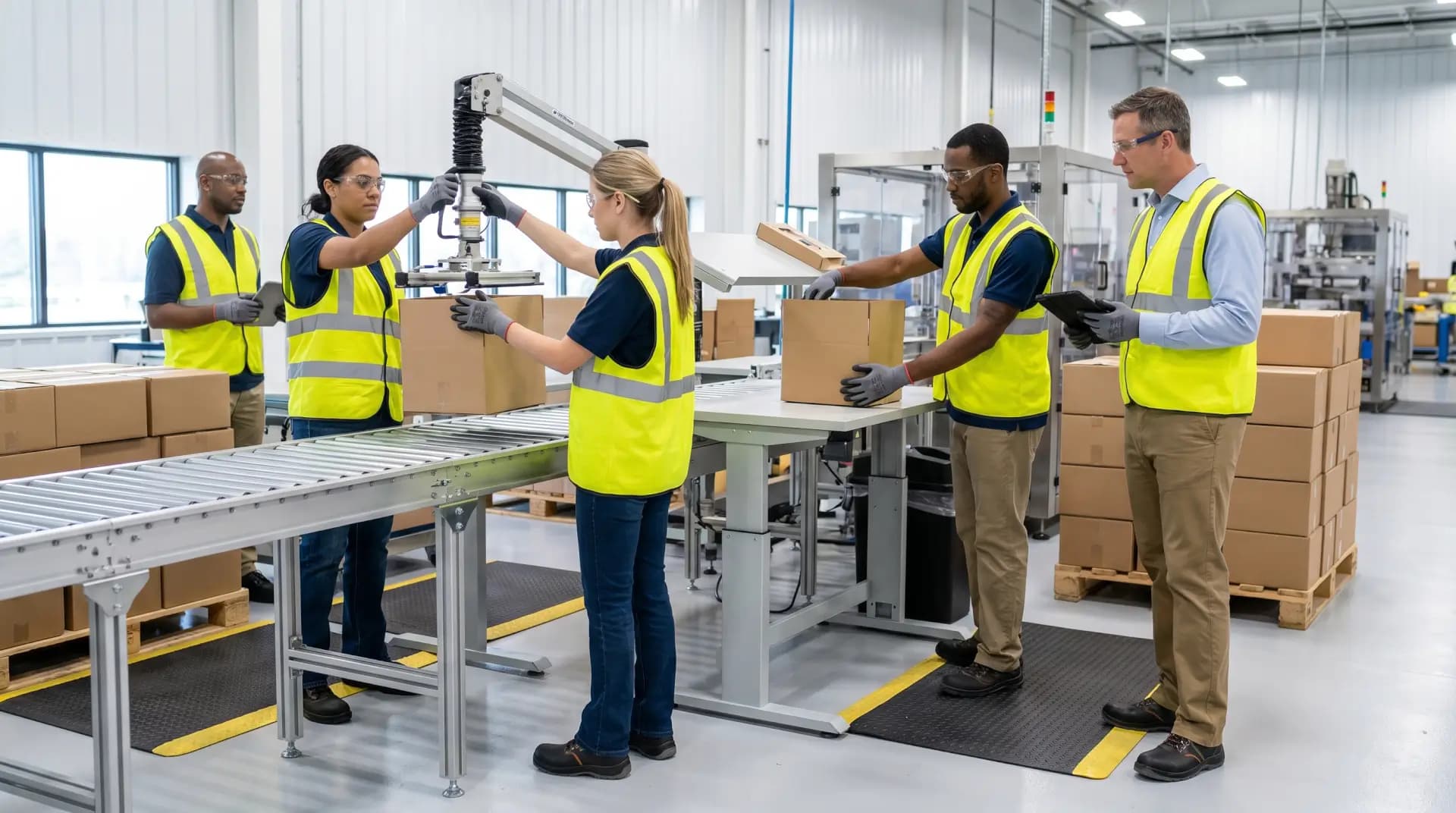
Automating high-frequency manual activities where feasible
From experience, even small changes in task sequencing can significantly reduce cumulative strain.
Applying Safe Work Techniques
Even in well-designed environments, poor technique can lead to injury.
Corrective Practices:
Avoid excessive force—use tools that minimize effort
Maintain neutral wrist and joint positions
Use whole-body movement instead of isolating small muscle groups
Keep frequently used items within close reach
Training workers on these techniques is critical. Awareness alone is not enough—correct habits must be reinforced.
Importance of Work-Rest Cycles
The human body requires recovery time to prevent tissue fatigue.
Effective Rest Strategies:
Micro-breaks (30–60 seconds every 20–30 minutes)
Stretching routines during breaks
Alternating between sitting and standing tasks
In my professional assessments, workplaces that integrate structured micro-breaks see fewer early symptoms of strain.
Early Reporting and Intervention Systems
RSIs become serious when early warning signs are ignored.
Symptoms to Monitor:
Tingling or numbness
Persistent soreness
Reduced grip strength
Stiffness during or after work
A strong reporting culture ensures:
Early medical evaluation
Task modification before injury worsens
Reduced long-term disability risk
Delays in reporting are one of the most consistent failure points I encounter in incident reviews.
Use of Tools and Equipment
Proper tools can significantly reduce strain when selected and used correctly.
Best Practices:
Use ergonomically designed tools with proper grip size
Ensure tools are well-maintained to reduce force requirements
Minimize vibration exposure where applicable
Tool selection should always match the task—not the other way around.
Training and Continuous Improvement
Prevention is sustained through ongoing education and monitoring.
Key Elements:
Regular ergonomic training programs
Workplace risk assessments
Worker feedback integration
Periodic review of injury trends
I treat RSI prevention as a continuous improvement process, not a one-time intervention.
Conclusion
Preventing repetitive strain injuries requires a balanced approach that combines ergonomics, task design, proper technique, and organizational support. No single measure is sufficient on its own. The most effective systems are those that proactively reduce strain, encourage early reporting, and continuously adapt based on real workplace conditions.
From my experience, organizations that take RSIs seriously at an early stage not only protect their workforce but also maintain higher long-term productivity and operational stability.



Responses