

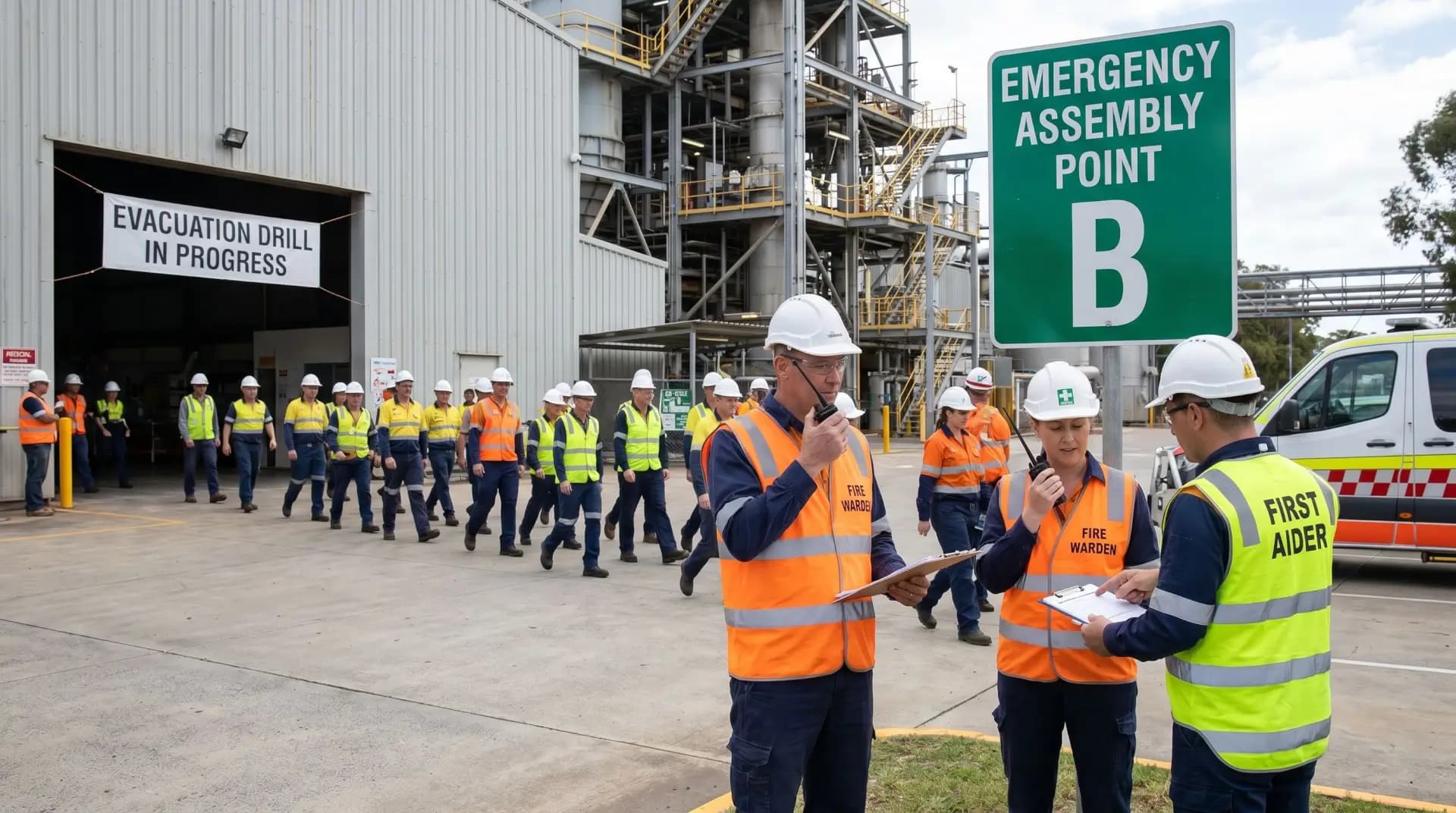
An Emergency Response Team is a trained group of people assigned to protect life, control immediate risks, support evacuation, communicate clearly, and coordinate with emergency services during workplace emergencies. The team does not replace public emergency services. Its purpose is to take safe, early, organized action until specialist help arrives or the situation is brought under control.
What an Emergency Response Team Does
An effective Emergency Response Team focuses on five priorities:
Protect people from immediate danger
Raise the alarm and communicate instructions
Evacuate or shelter people safely
Control the situation only within trained limits
Account for personnel and support recovery
In my HSE practice, the best emergency teams are not the ones with the most titles. They are the ones where every person knows exactly what to do, when to act, and when to step back.
Key Emergency Response Team Roles
Role | Main Responsibility |
|---|---|
Incident Controller | Leads the emergency response and makes key decisions |
Emergency Coordinator | Coordinates team actions, resources, and communication |
Fire Wardens / Marshals | Support evacuation, check assigned areas, report status |
First Aiders | Provide first aid within their training level |
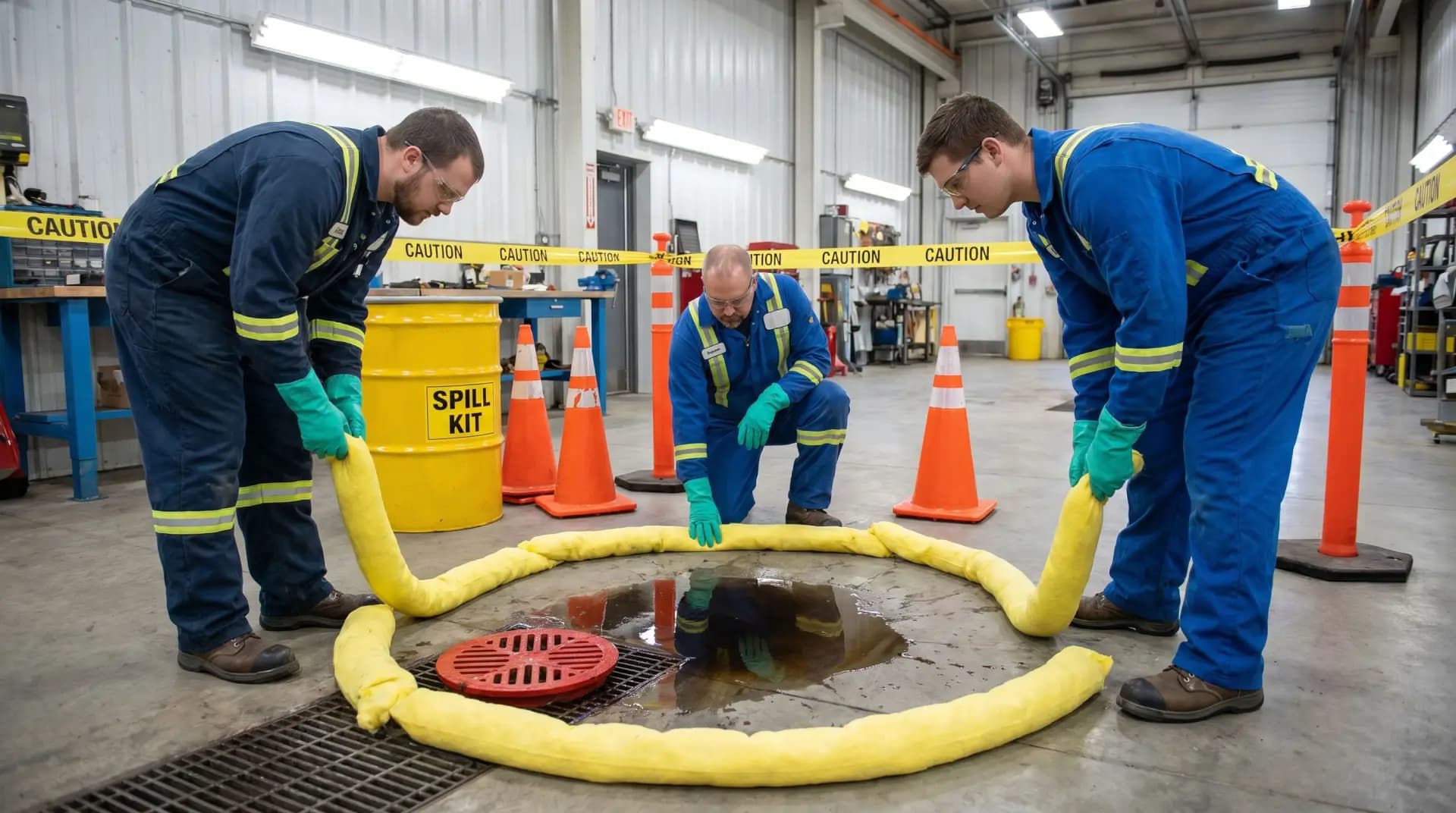
Spill Response Team | Controls minor spills using approved procedures and PPE |
Search and Rescue Team | Assists only where safe and specifically trained |
Security / Access Control | Controls entry, guides emergency services, manages gates |
Communications Officer | Sends alerts, updates management, and records key details |
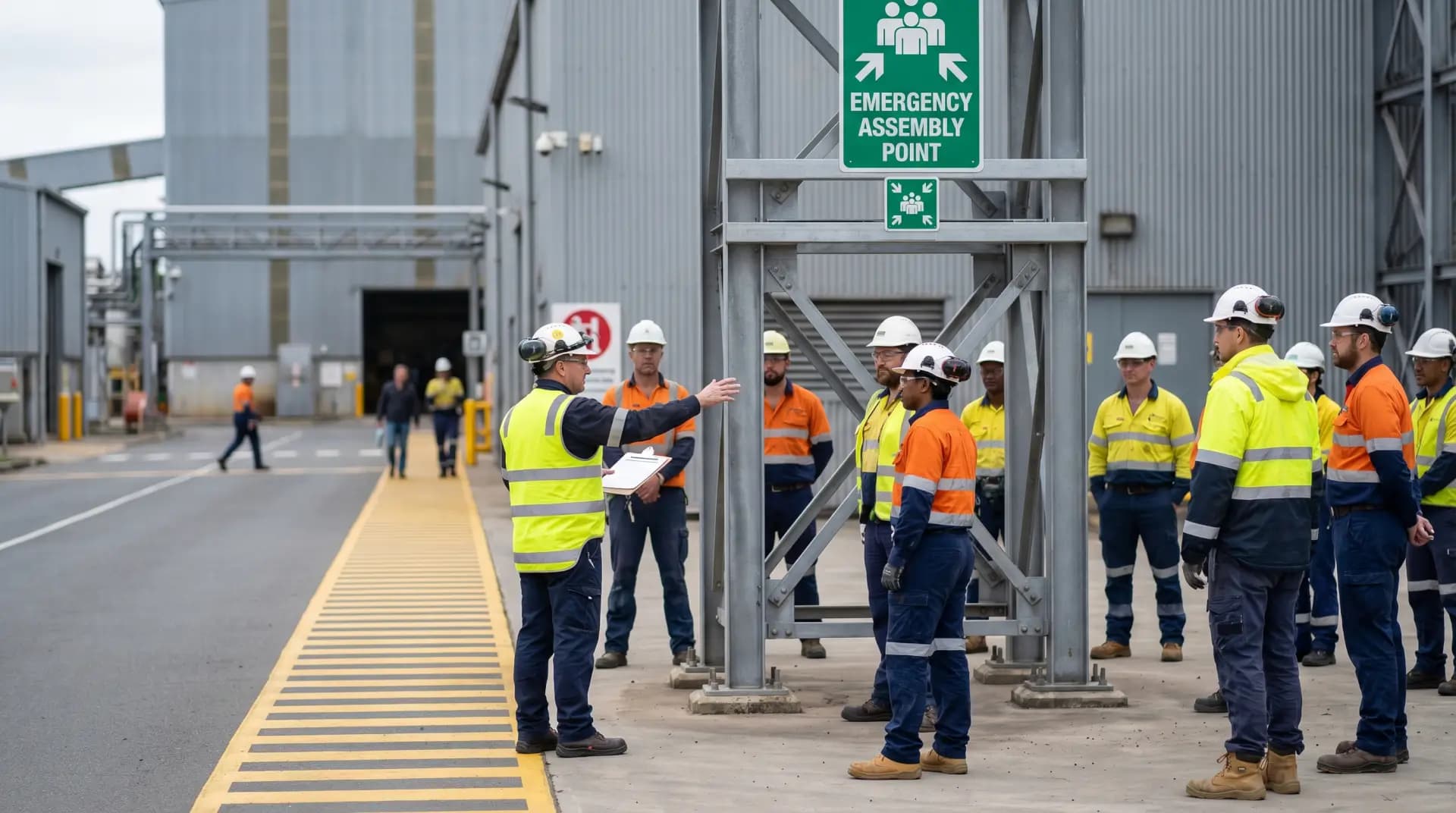
Assembly Area Coordinator | Accounts for people at muster points |
Utility / Shutdown Personnel | Isolates energy, gas, equipment, or processes where authorized |
Incident Controller Responsibilities
The Incident Controller is the decision lead during an emergency. This person must remain calm, avoid emotional decisions, and use the emergency plan as the control framework.
Core responsibilities include:
Assessing the emergency type and severity
Activating the emergency response plan
Deciding evacuation, shelter-in-place, or partial shutdown
Coordinating with emergency services
Ensuring responders do not take unnecessary risks
Declaring all-clear only when safe and authorized
A common mistake is allowing too many people to “lead” at once. During emergencies, unclear command creates delay. One person must have clear authority.
Fire Warden and Evacuation Responsibilities
Fire wardens help people move safely away from danger. Their role is not to fight major fires or search hazardous areas without proper training.
Fire wardens should:
Direct employees and visitors to safe exits
Check assigned zones if safe to do so
Assist people who need help evacuating
Prevent re-entry into unsafe areas
Report missing persons or hazards
Confirm area clearance to the Assembly Area Coordinator
Evacuation roles must include arrangements for contractors, visitors, night shifts, remote workers, and people with mobility, hearing, visual, or medical needs.
First Aid and Medical Response Responsibilities
First aiders provide immediate care until professional medical support arrives. Their role must stay within training, available equipment, and local legal requirements.
First aiders are responsible for:
Responding safely to injured or ill persons
Checking scene safety before giving aid
Providing basic life support where trained
Controlling bleeding, burns, shock, or exposure
Using AEDs where provided and trained
Recording treatment and handover details
No first aider should be pressured to perform beyond competence. Good emergency planning protects both the casualty and the responder.
Spill, Fire, and Technical Response Duties
Some emergencies require technical control actions, such as spill containment, equipment isolation, or fire extinguisher use. These tasks must be assigned only to trained and authorized personnel.
Technical responders may:
Use correct spill kits for minor releases
Isolate valves, power, fuel, or process lines
Operate emergency shutdown systems
Use portable extinguishers on early-stage fires
Protect drains or sensitive areas from contamination
Report chemical, fire, or equipment hazards clearly
The key rule is simple: life safety comes first. Property protection is never worth uncontrolled exposure.
Communication and Accountability Duties
Poor communication can turn a manageable incident into a serious event. The Communications Officer and Assembly Area Coordinator are critical roles.
Their responsibilities include:
Raising alarms using approved systems
Contacting emergency services
Sharing clear instructions without speculation
Keeping emergency contact lists accessible
Accounting for employees, contractors, and visitors
Reporting missing or injured persons
Maintaining an emergency event log
Messages should be short, factual, and repeated when necessary. In emergencies, people do not process long explanations well.
Training, Drills, and Competency
Emergency response roles only work when people are trained before the incident. A name on a chart is not competency.
A reliable training program should include:
Role-specific training
Evacuation drills
First aid refreshers
Fire extinguisher awareness where applicable
Spill response practice
Communication exercises
Post-drill review and corrective actions
Drills should test realistic conditions, not just perfect daytime scenarios. Include blocked exits, missing persons, visitors, shift changes, alarms, and communication failures where appropriate.
Conclusion
Emergency Response Team roles and responsibilities must be clear, practical, trained, and rehearsed. The purpose is not to create paperwork or assign impressive titles. The purpose is to protect people when time is limited and pressure is high.
A strong Emergency Response Team knows who leads, who communicates, who evacuates, who gives first aid, who controls technical risks, and who accounts for everyone. When these roles are understood before the emergency, the response becomes faster, safer, and more disciplined.

Responses