

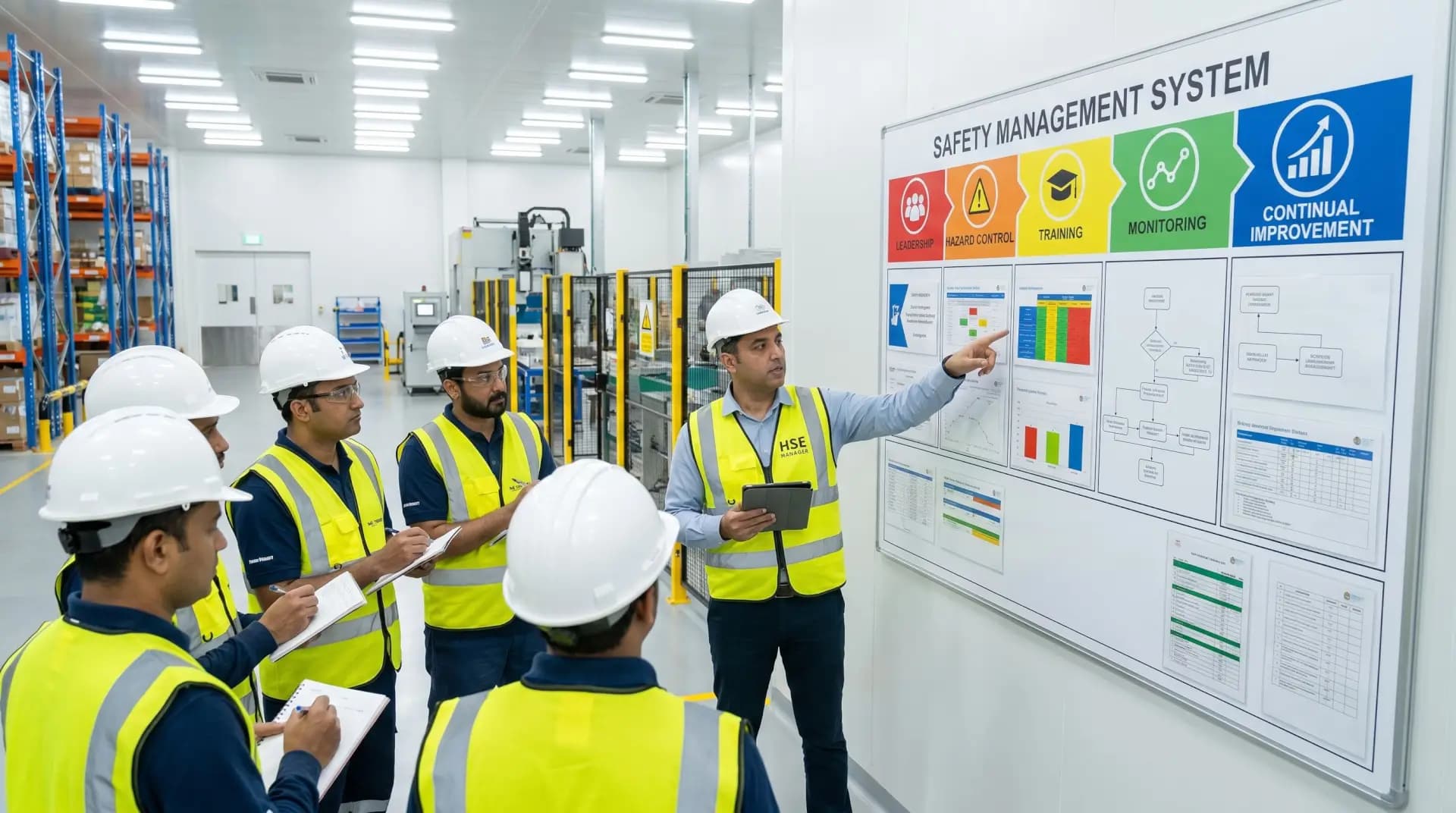
A safety management system is built by turning workplace safety from scattered activities into a controlled, repeatable way of managing risk. From scratch, that means defining leadership ownership, identifying legal duties, assessing hazards, setting controls, training people, monitoring performance, and improving the system through review.
Start With the Purpose, Scope, and Legal Baseline
Before writing procedures, I first define what the system must control. A safety management system should answer three practical questions:
What work activities create risk?
Who can be harmed?
What must the organization do to prevent harm and comply with applicable law?
The scope should include employees, contractors, visitors, routine work, non-routine work, emergencies, maintenance, and changes to equipment or processes.
A useful starting document is a legal and risk register. It should list applicable occupational health and safety laws by jurisdiction, client requirements, industry standards, permit conditions, and internal company expectations.
Build Leadership Ownership Before Building Paperwork
A safety management system fails when it becomes an HSE department file instead of a management process. Senior leadership must approve the safety policy, assign responsibilities, provide resources, and review performance.
At minimum, define:
Role | Core Safety Responsibility |
|---|---|
Top management | Approves policy, resources, objectives, and reviews performance |
Line managers | Implement controls and supervise work safely |
Supervisors | Conduct toolbox talks, inspections, and task-level risk checks |
Workers | Follow controls, report hazards, and stop unsafe work |
HSE team | Advises, monitors, verifies, and improves the system |
The safety policy should be short, specific, and signed by top management. Avoid generic promises. It should commit to legal compliance, hazard control, consultation, continual improvement, and worker participation.
Identify Hazards and Assess Risks Systematically
This is the backbone of the system. I do not rely only on past incidents because many serious risks exist before the first accident happens.
Use several hazard identification methods:
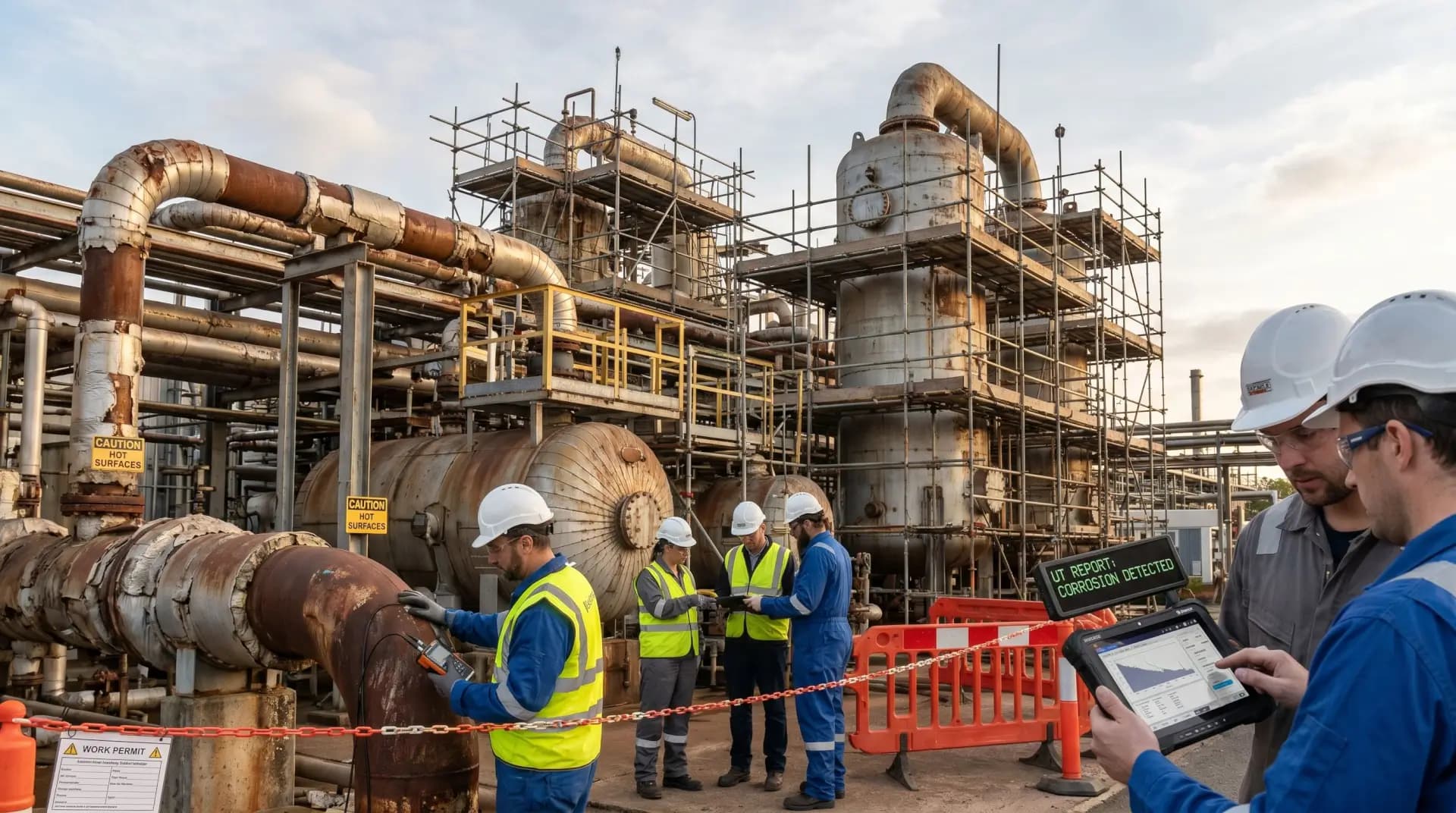
Workplace inspections
Job safety analysis or task risk assessment
Review of incident and near-miss reports
Worker consultation
Equipment and chemical reviews
Contractor activity reviews
Emergency scenario reviews
Management of change reviews
Risk assessment should not become a paperwork exercise. The goal is to decide which controls are needed and whether existing controls are enough.
Use the hierarchy of controls in this order:
Eliminate the hazard
Substitute with something safer
Apply engineering controls
Use administrative controls
Provide personal protective equipment
PPE has its place, but it should not be the first or only control for significant hazards.
Create the Core Procedures and Controls
When building from scratch, many organizations make the mistake of writing too many procedures too early. I prefer building only what is necessary to control actual risk.
Core procedures usually include:
Hazard identification and risk assessment
Incident reporting and investigation
Emergency preparedness and response
Training and competency
Contractor safety management
Permit-to-work, where high-risk activities exist
Inspection and audit
Corrective action management
Management of change
Occupational health requirements, where applicable
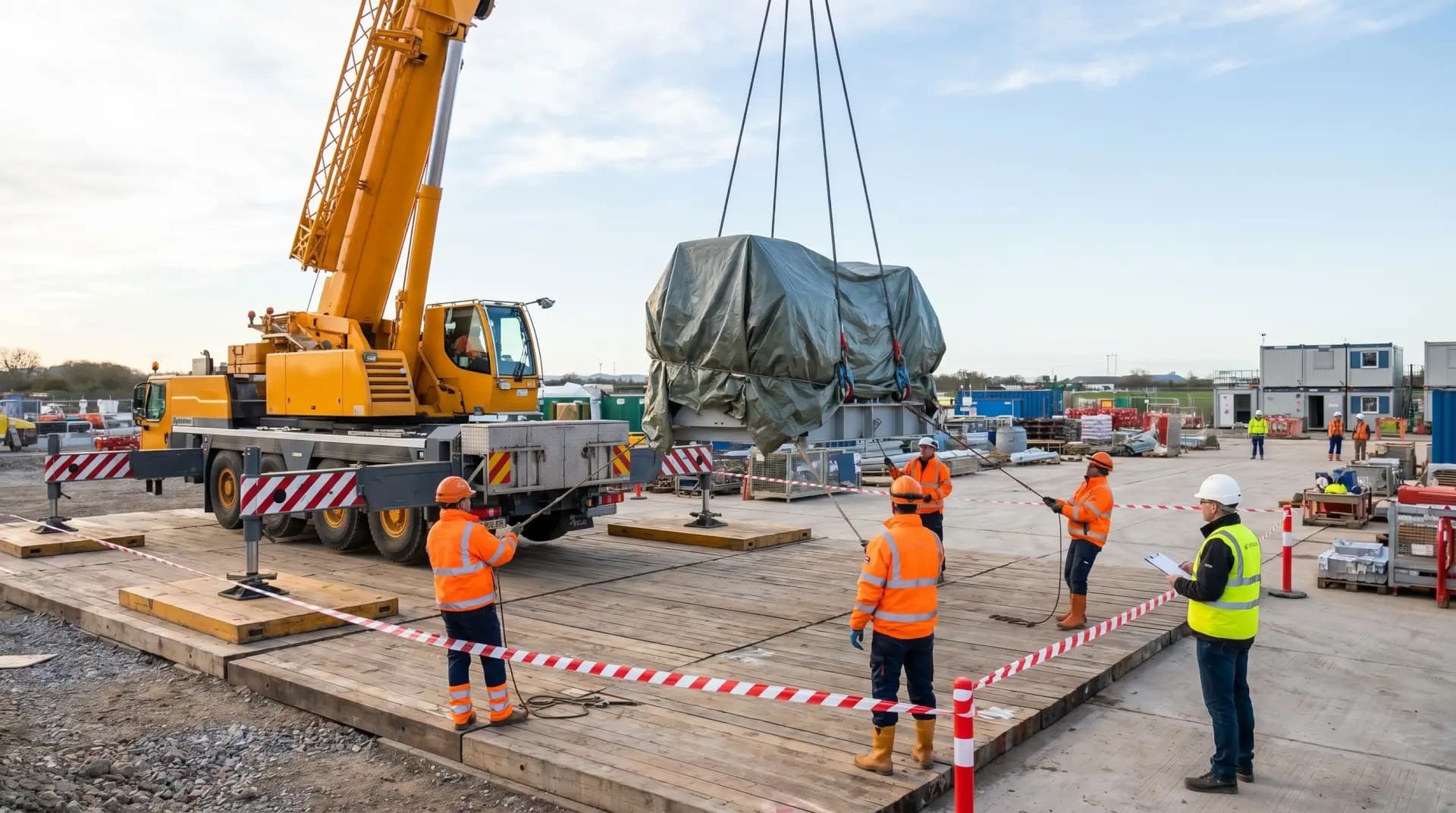
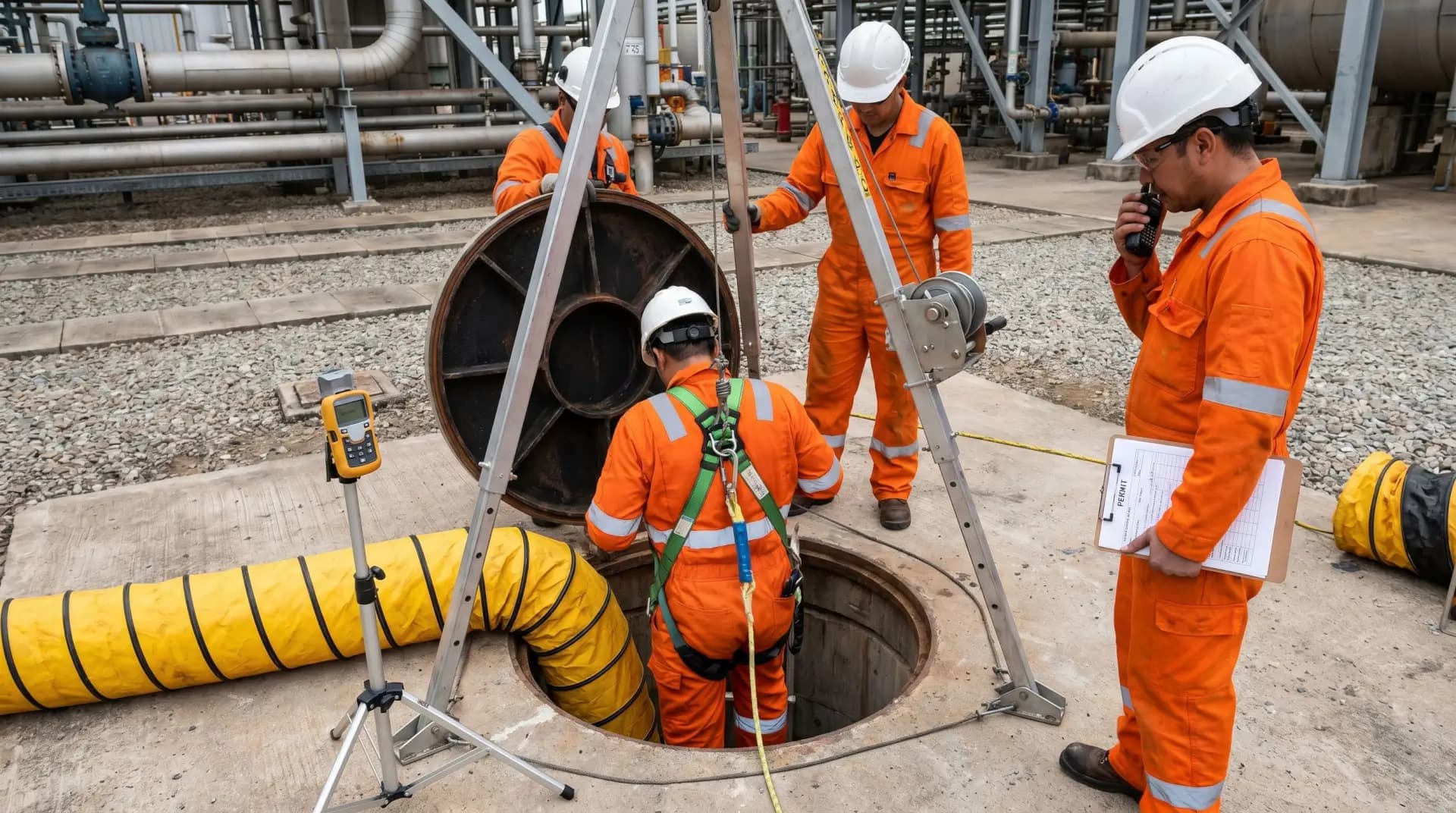
For high-risk work, develop specific controls for activities such as working at height, confined space entry, lifting operations, electrical work, hot work, hazardous substances, machinery guarding, excavation, and vehicle movement.
Train People and Make Participation Normal
A system only works when people understand it and use it. Training should be based on job risk, not job title alone.
A practical training matrix should include:
Training Area | Who Needs It |
|---|---|
Safety induction | All workers, contractors, and visitors as applicable |
Job-specific hazards | Workers exposed to task risks |
Emergency response | All workers, with advanced training for response teams |
Permit-to-work | Issuers, receivers, supervisors, and affected workers |
Incident reporting | All workers and supervisors |
Risk assessment | Supervisors, managers, and HSE personnel |
Worker participation is not just a meeting. It includes hazard reporting, consultation before changes, involvement in inspections, feedback on procedures, and the right to raise concerns without retaliation.
Monitor Performance With Leading and Lagging Indicators
A new safety management system needs simple, meaningful performance measures.
Lagging indicators show what already happened, such as injuries, incidents, property damage, and lost time cases. Leading indicators show whether the system is active before harm occurs.
Good leading indicators include:
Completed inspections
Closed corrective actions
Safety observations
Toolbox talks completed
Risk assessments reviewed
Emergency drills conducted
Training completion
Permit audits
The most important measure is not how many findings were raised. It is whether serious risks were identified, controlled, and closed properly.
Review, Improve, and Keep the System Alive
A safety management system should follow a Plan–Do–Check–Act cycle. Plan the system, implement controls, check performance, and act on lessons learned.
Management review should consider:
Legal compliance status
Incident trends
Audit results
Corrective action closure
Worker feedback
Emergency drill outcomes
Changes in operations
Resource needs
Progress against safety objectives
I always treat the first version of a safety management system as a working system, not a perfect system. The goal is to control real risks now, then improve structure, documentation, and culture over time.
Conclusion
Building a safety management system from scratch is not about producing a thick manual. It is about creating a disciplined way to identify hazards, control risks, involve workers, meet legal duties, and improve performance. Start with leadership ownership, understand the work, assess the risks, build only the procedures you need, train people properly, and review performance honestly. A simple system that is used every day is stronger than a complex system that only looks good during an audit.


Responses