

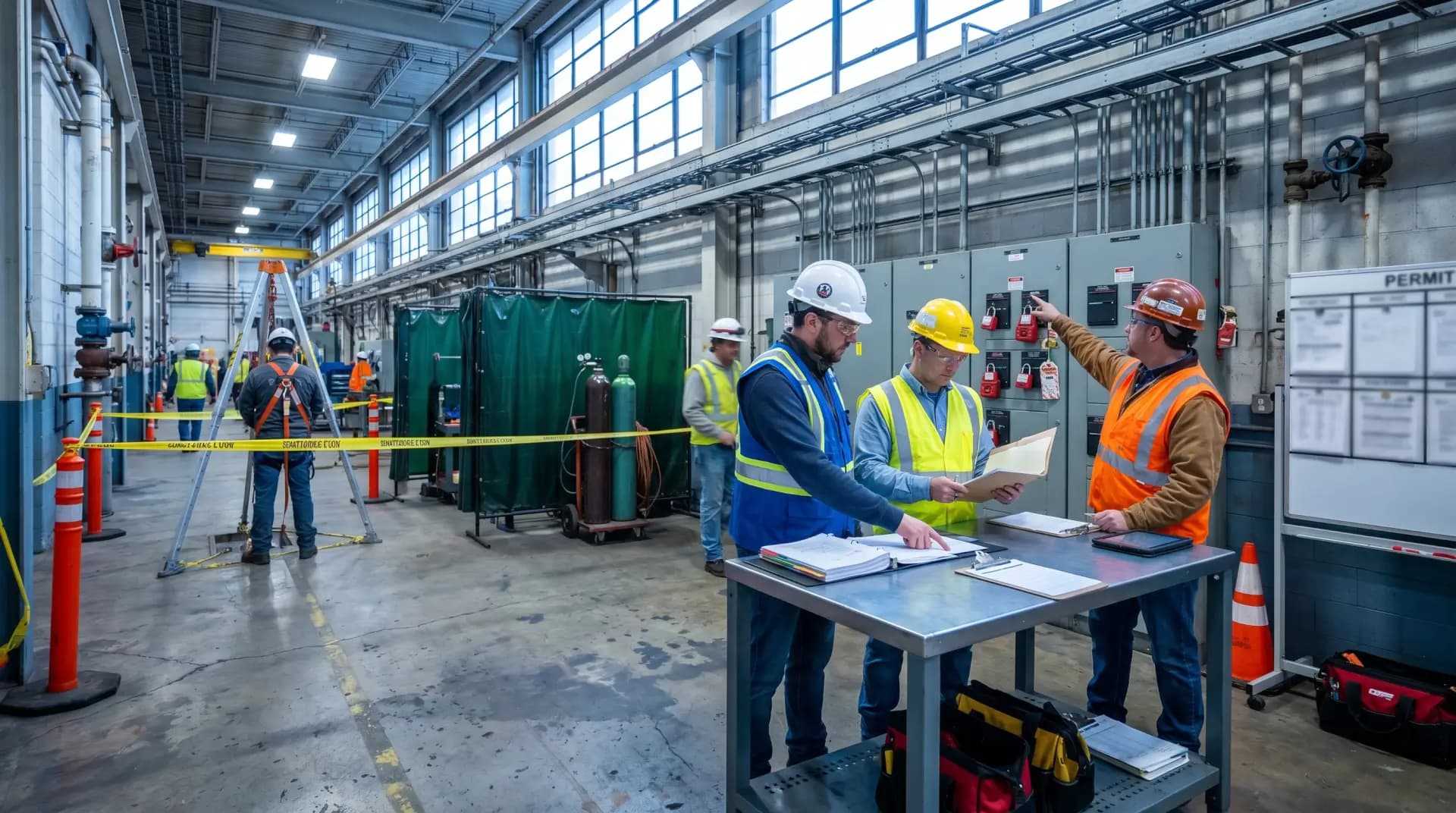
In my practice, the best permit to work training is not built around slides alone. It is built around decision-making. Workers, supervisors, permit issuers, permit receivers, contractors, isolating authorities, and area owners must understand what the permit is controlling, what can go wrong, what they are personally accountable for, and when they must refuse or stop the job.
What Permit to Work Training Must Achieve
Permit to work training must create competence, not just awareness. At the end of the training, a person should be able to read a permit, challenge unclear controls, verify site conditions, understand linked permits, recognize permit limitations, and close or suspend the work correctly.
A practical PTW training program should achieve five outcomes:
Understanding of the permit system
Participants must know why the permit to work system exists, which jobs require permits, who can authorize work, and what the permit does and does not allow.Clear role accountability
The training must separate the responsibilities of the requester, issuer, receiver, area authority, isolating authority, gas tester, fire watch, entrant, attendant, and supervisor where those roles apply.Hazard and control verification
People must learn to confirm controls at the worksite rather than relying only on what is written on the permit.Communication and handover discipline
A permit is a communication tool between operations, maintenance, contractors, supervisors, and workers. UK HSE identifies communication, competence, procedures, shift handover, linked permits, and simultaneous activities as key human factors in permit systems.Safe suspension and closure
Workers must know when to stop work, when to suspend a permit, when revalidation is required, and how to return the area safely after completion.
Start With the Permit to Work Procedure, Not a Generic Course
Before conducting the training, I review the company’s own PTW procedure, permit formats, isolation standards, risk assessment process, emergency arrangements, and contractor management requirements. A generic training course may explain the concept, but it will not prepare people for the actual system they are expected to use.
The training material should be based on:
Training Input | Why It Matters |
|---|---|
Company PTW procedure | Defines local rules, authority levels, permit types, and approval flow |
Permit forms or electronic PTW screens | Helps participants practice on the real document or system |
Job safety analysis or task risk assessment format | Connects permit controls to actual job hazards |
Isolation and lockout/tagout procedure | Prevents uncontrolled release of energy or hazardous substances |
Gas testing and atmospheric monitoring procedure | Critical for confined space, hot work, excavation, and process entry jobs |
Emergency response plan | Ensures workers know what to do if conditions change |
Contractor control procedure | Clarifies host and contractor responsibilities |
Lessons learned from audits or incidents | Targets known weaknesses without inventing scenarios |
For electronic permit systems, training must cover the process, not only the software buttons. UK HSE specifically warns that when moving to electronic permits, organizations should assess changeover risks and train personnel in the PTW process, not just the interface.
Define Who Needs PTW Training and at What Level
Not everyone needs the same depth of permit to work training. A common mistake is placing all employees in one classroom and delivering the same content. This produces weak competence because the issuer, receiver, area operator, and worker face different decisions.
A better approach is to divide training by role.
Awareness Level
This is for workers, helpers, visitors, and personnel who may be affected by permitted work but do not issue or receive permits.
They should understand:
What a permit to work is
Why certain jobs require authorization
The meaning of permit display and barricading
Basic stop-work expectations
The importance of not interfering with isolations, tags, barriers, or warning signs
How to report unsafe or unclear permit conditions
Permit Receiver or Performing Authority Level
This level is for supervisors, technicians, contractor supervisors, and team leaders who accept permits and execute the work.
They should be trained to:
Review the work scope and limitations
Confirm hazards and controls before starting
Conduct toolbox talks with the work crew
Maintain permit conditions during the job
Manage changes in scope, location, tools, manpower, or weather
Stop work when conditions no longer match the permit
Return the permit for suspension, revalidation, or closure
Permit Issuer or Area Authority Level
This level is for competent personnel who authorize the job from the area or operational side.
They should be trained to:
Challenge unclear work descriptions
Confirm plant status and area conditions
Verify isolations, depressurization, draining, purging, ventilation, and access control where applicable
Check simultaneous operations and conflicting work
Define permit validity and handover needs
Refuse authorization when controls are weak
Review the area before closing the permit
Specialist Role Training
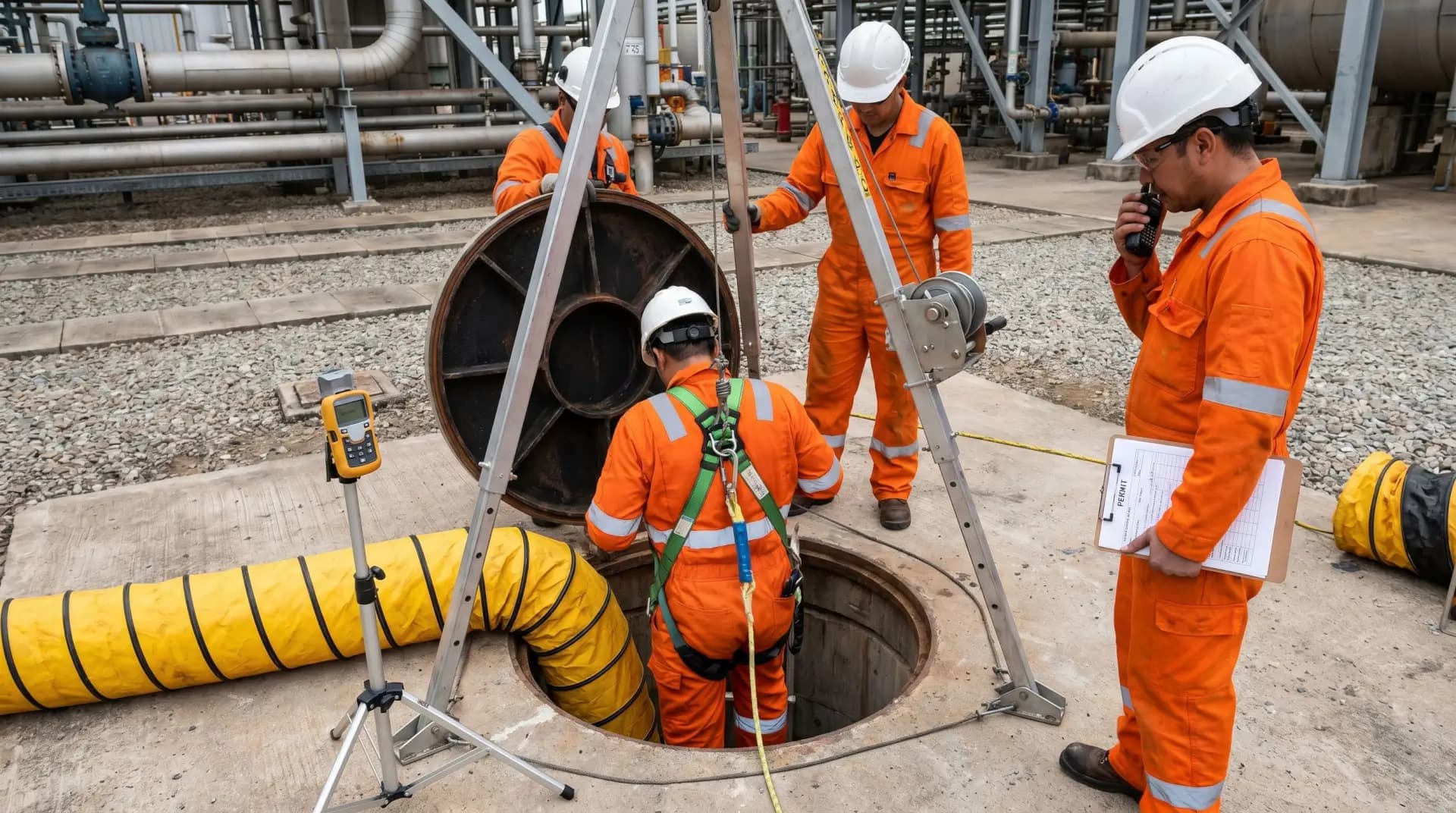
Some roles require additional task-specific competence. These may include gas testers, fire watchers, confined space attendants, isolating authorities, lifting supervisors, excavation supervisors, electrical authorized persons, and rescue personnel.
For example, in the United States, OSHA’s permit-required confined space standard requires training so affected employees gain the understanding, knowledge, and skills needed for their assigned duties. It also requires training before first assignment, before changes in assigned duties, when new hazards are introduced, and when there is reason to believe procedures are not being followed properly.
Build the Course Around the Permit Life Cycle
I prefer teaching permit to work training through the full permit life cycle. This helps participants see the permit as a live control process rather than a document to be signed.
1. Work Planning
Start with the question: does this job require a permit?
Typical permit-controlled activities include:
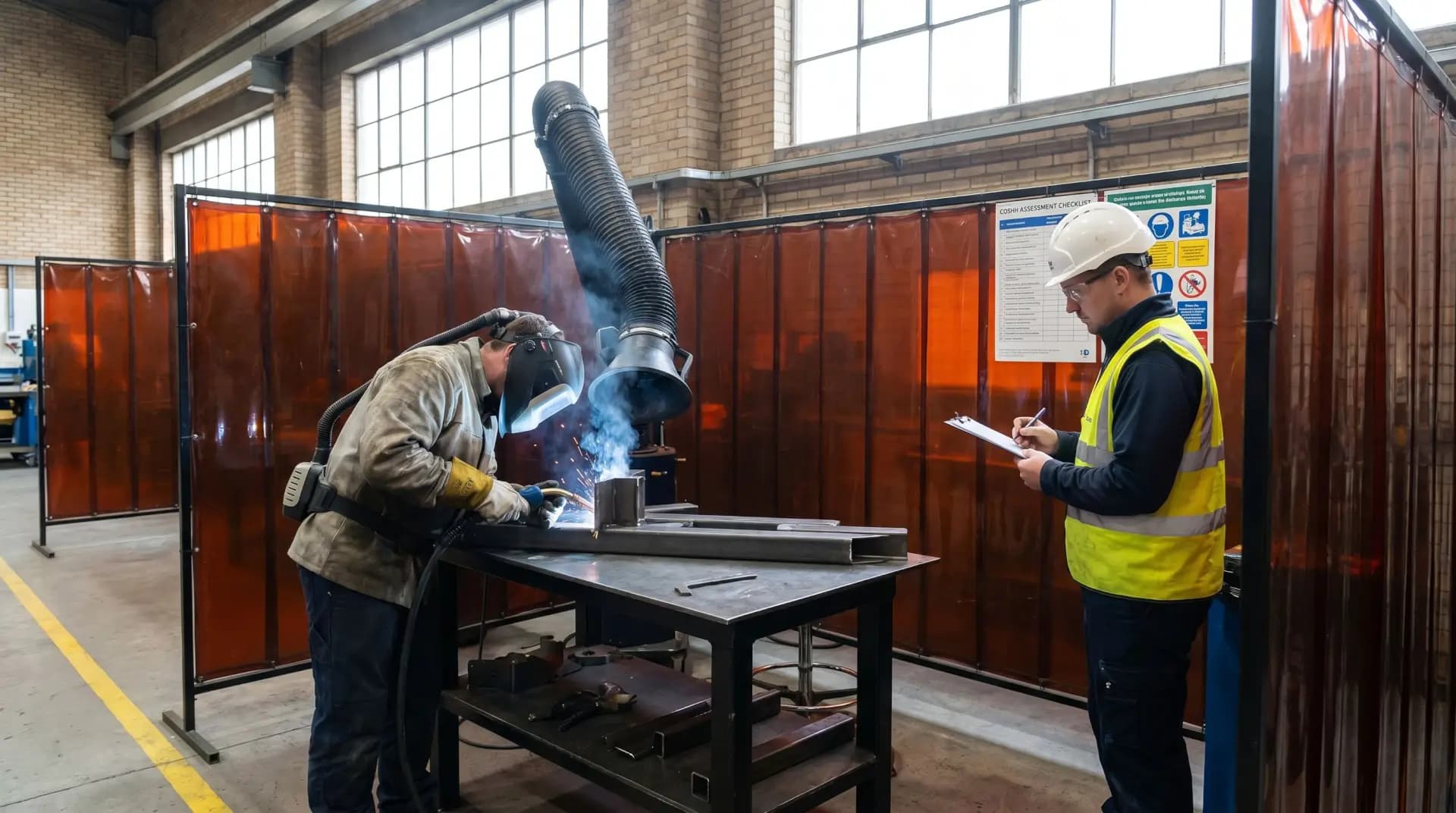
Hot work such as welding, grinding, flame cutting, or spark-producing activities
Confined space entry
Work at height
Excavation
Electrical work
Breaking containment or opening process lines
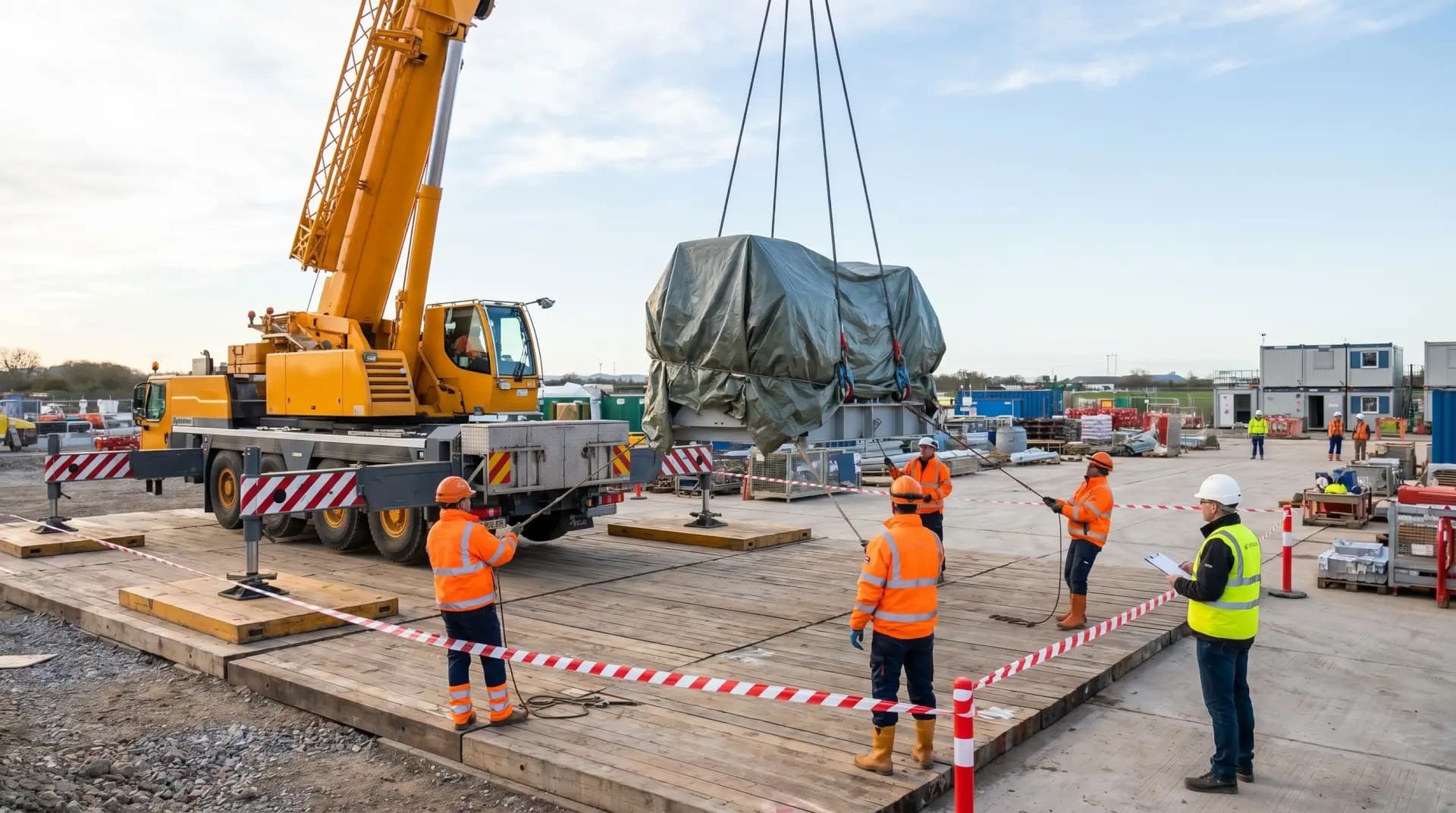
Lifting operations
Work on pressurized systems
Critical maintenance on operating plant
Work requiring isolation of energy sources
Simultaneous operations in congested or high-risk areas
UK HSE lists examples such as hot work, vessel entry, cutting into pipework carrying hazardous substances, and work requiring electrical or mechanical isolation as activities where written permit procedures may be needed.
2. Permit Preparation
Participants should learn how to prepare a permit with enough detail for safe execution. The permit should not contain vague wording such as “maintenance work” or “repair job.” It should clearly describe:
Exact work location
Equipment or system identification
Work scope and boundaries
Tools and equipment to be used
Hazards identified
Required isolations
Gas testing or monitoring requirements
PPE requirements
Emergency arrangements
Validity period
Linked permits
Approval signatures or electronic authorization
The permit must be specific enough that another competent person can understand the work and controls without guessing.
3. Site Verification
This is where many permit systems fail in practice. The training should make it clear that signing the permit is not enough. Controls must be verified at the job location.
Verification should include:
Correct equipment identification
Isolation points physically checked
Lockout/tagout applied where required
Area barricaded or restricted
Atmosphere tested where required
Fire prevention controls in place
Access and egress available
Rescue arrangements confirmed
Nearby activities reviewed
Tools and PPE inspected
Workers briefed before starting
For hazardous energy control, U.S. OSHA lockout/tagout rules require authorized employees to be trained in recognizing hazardous energy sources, the type and magnitude of energy, and the methods needed for isolation and control. Affected employees must understand the purpose and use of energy control procedures.
4. Permit Issue and Acceptance
The permit issuer and receiver should review the job together. This must not be treated as an administrative exchange. The receiver should be able to explain the job, the hazards, the controls, and the stop-work conditions.
A useful test is simple: before accepting the permit, ask the receiver to explain what could seriously injure someone if controls fail. If the answer is vague, the permit briefing is not complete.
5. Work Execution and Monitoring
Training must explain that permit conditions are active throughout the job. The team must not change tools, scope, location, sequence, personnel, or timing without checking whether the permit is still valid.
Common conditions that should trigger stop work include:
Gas test results outside acceptable limits
Alarm activation
Weather change affecting lifting, height work, excavation, or hot work
Loss of lighting or ventilation
Unauthorized work nearby
Damaged isolation, barricade, or tag
Change in work method
Unplanned release, leak, spark, smoke, or abnormal noise
Emergency in the area
Workers unsure about the permit conditions
6. Handover, Suspension, and Revalidation
If the job continues across shifts, the permit must not simply be passed along without review. Handover should confirm the job status, remaining hazards, changed conditions, isolations still in place, and any incomplete work.
UK HSE emphasizes that if work cannot be finished in one shift, it should be left in a safe state with clear instructions available for the next shift.
7. Permit Closure
Closure confirms that the work is complete, the area is safe, tools and waste are removed, guards and covers are restored, isolations are managed according to procedure, and the equipment or area can be returned to operation.
Permit closure should never be a blind signature. It requires field verification.
Use Practical Exercises Instead of Slide-Only Training
Permit to work training is strongest when people practice with realistic job examples. I normally use exercises that require participants to think, challenge, and correct weak permits.
Effective exercises include:
Permit Review Exercise
Give participants a sample permit with missing or unclear information. Ask them to identify what is wrong.
Typical defects include:
Vague work scope
Wrong equipment tag number
No isolation reference
Missing gas test requirement
No fire watch for hot work
Conflicting simultaneous work
No rescue plan for confined space entry
Permit validity too long for the risk
Missing handover instruction
Closure signed without site inspection
Worksite Walkdown
Take participants to a controlled training area or actual non-live worksite and ask them to compare the permit with field conditions.
They should check whether:
The permit matches the location
Controls are physically present
Barricades and signage are adequate
Nearby work creates additional risk
Access and emergency routes are clear
Workers understand the permit conditions
Role-Play Between Issuer and Receiver
This develops communication discipline. The issuer should challenge the work plan, and the receiver should explain the method, hazards, and controls. This is especially useful for contractor supervisors and newly appointed permit issuers.
Stop-Work Scenario
Present a situation where conditions change during the job. For example, gas readings change, rain starts during excavation, another contractor begins hot work nearby, or an isolation tag is found damaged.
Ask participants what they would do, who they would inform, and whether the permit must be suspended, revalidated, or cancelled.
Teach Common Permit to Work Mistakes Clearly
A good PTW trainer should correct misconceptions directly. These are the ones I see repeatedly in workplaces.
Mistake 1: Treating the Permit as Permission to Work Without Limits
A permit authorizes a defined job under defined conditions for a defined time. It does not authorize extra work, a different location, different tools, or a changed method.
Mistake 2: Copying Controls From Previous Permits
Copied permits create false confidence. Every job must be reviewed against current conditions, even if the task looks routine.
Mistake 3: Signing Without Field Verification
A permit signed in an office without checking the site is weak control. The issuer and receiver must understand what has actually been made safe.
Mistake 4: Poor Linkage Between Permits
Hot work, confined space entry, isolation, excavation, lifting, and electrical work may overlap. Training must teach people to identify linked permits and simultaneous operations.
Mistake 5: Weak Handover
Permit handover should explain work status, hazards, changes, isolations, and remaining controls. A signature alone is not a handover.
Mistake 6: Closing the Permit Before the Area Is Safe
Closure means the area has been inspected and returned to a safe condition. It does not simply mean the crew has finished its task.
Assess Competence Before Authorizing People
Training attendance is not the same as competence. Before someone is approved as a permit issuer, receiver, gas tester, or isolating authority, there should be evidence that they can perform the role correctly.
Assessment methods may include:
Assessment Method | Best Used For |
|---|---|
Written test | Checking understanding of PTW rules, terminology, and responsibilities |
Permit completion exercise | Testing ability to prepare or review a permit |
Field observation | Confirming practical verification behavior |
Scenario assessment | Testing judgment during changing conditions |
Supervisor sign-off | Confirming workplace readiness |
Refresher assessment | Checking whether competence is maintained |
For higher-risk PTW roles, I prefer a two-stage approval: classroom assessment followed by supervised field assessment. This prevents people from being authorized based only on a certificate.
Training records should include the participant’s name, role, training date, trainer details, assessment result, competence level, and refresher requirement. For permit-required confined spaces in the United States, OSHA requires certification of training with employee names, trainer signatures or initials, and dates of training.
YMYL Safety Note: Legal and Site-Specific Requirements Come First
Permit to work training must be aligned with the legal requirements of the country where the work is performed and the company’s approved safety management system. PTW training alone does not qualify a person to perform specialist hazardous work unless the required task-specific competence is also confirmed.
For example:
Confined space entry may require role-specific training for entrants, attendants, supervisors, gas testers, and rescue personnel.
Lockout/tagout or isolation work may require formal authorization and equipment-specific procedures.
Hot work may require fire prevention controls, fire watch arrangements, gas testing, and post-work monitoring.
Electrical work may require legally recognized competent or authorized persons.
Work at height may require rescue planning and equipment inspection competence.
Lifting operations may require appointed lifting roles, equipment certification, and lift planning.
The permit system should bring these controls together, but it should not be used to bypass specialist safety requirements.
How to Structure a One-Day PTW Training Session
A practical one-day permit to work training program can be structured like this:
Time | Session | Method |
|---|---|---|
30 minutes | PTW purpose, scope, and legal context | Discussion |
45 minutes | Permit roles and responsibilities | Role mapping |
60 minutes | Permit types and required controls | Case-based teaching |
60 minutes | Hazard identification and task risk assessment | Group exercise |
45 minutes | Isolation, gas testing, SIMOPS, and handover | Practical examples |
60 minutes | Permit completion and review exercise | Workshop |
45 minutes | Field verification or visual scenario | Walkdown or simulation |
30 minutes | Stop-work and emergency scenarios | Group decisions |
30 minutes | Written or practical assessment | Competence check |
For permit issuers and high-risk authorities, one day may not be enough. They often need additional field mentoring, supervised permit reviews, and periodic reassessment.
Refresher Training and Continuous Improvement
Permit to work training should be repeated when there are changes in procedure, permit format, electronic PTW system, plant conditions, legal requirements, job roles, or audit findings. Refresher training is also needed after serious permit non-compliance or when supervisors observe weak understanding.
Good refresher training does not repeat the same slides every year. It should focus on real weaknesses found in the PTW system, such as:
Poor work scope descriptions
Missing isolation details
Weak gas testing records
Permit overload at shift start
Incomplete handovers
Lack of linked permit control
Permits left open after work completion
Contractors signing without understanding controls
Electronic approvals given without site verification
UK HSE also highlights the need to manage non-compliance, plan work to avoid permit overload, and review the effectiveness of the permit system.
Conclusion
Permit to work training should produce people who can think before they sign. The real purpose is not to complete a form; it is to control hazardous work through planning, authorization, communication, verification, monitoring, and safe closure.
In my view, the strongest PTW training combines procedure knowledge, role clarity, field verification, realistic scenarios, and competence assessment. When workers understand the limits of a permit, supervisors challenge weak controls, issuers verify site conditions, and everyone knows when to stop work, the permit system becomes a practical safety barrier rather than an administrative routine.



Responses