

Ground handling safety at airports means controlling the risks created when people, aircraft, vehicles, ground support equipment, baggage, cargo, fuel, and time pressure all meet in the same operating space. The safest ramp is not the one where people “work carefully”; it is the one where movement is controlled, roles are clear, equipment is fit for use, and no task starts until the aircraft, stand, and team are ready.
Why Ground Handling Safety Matters
Ground handling is one of the most exposed parts of airport operations. A single turnaround may involve marshalling, chocking, passenger steps, belt loaders, baggage carts, potable water, lavatory service, catering vehicles, refuelling, de-icing, pushback, headset communication, and last-minute operational changes.
The main hazards include:
Aircraft movement and jet blast
Vehicle and equipment collision
Falls from height
Manual handling injuries
Noise exposure
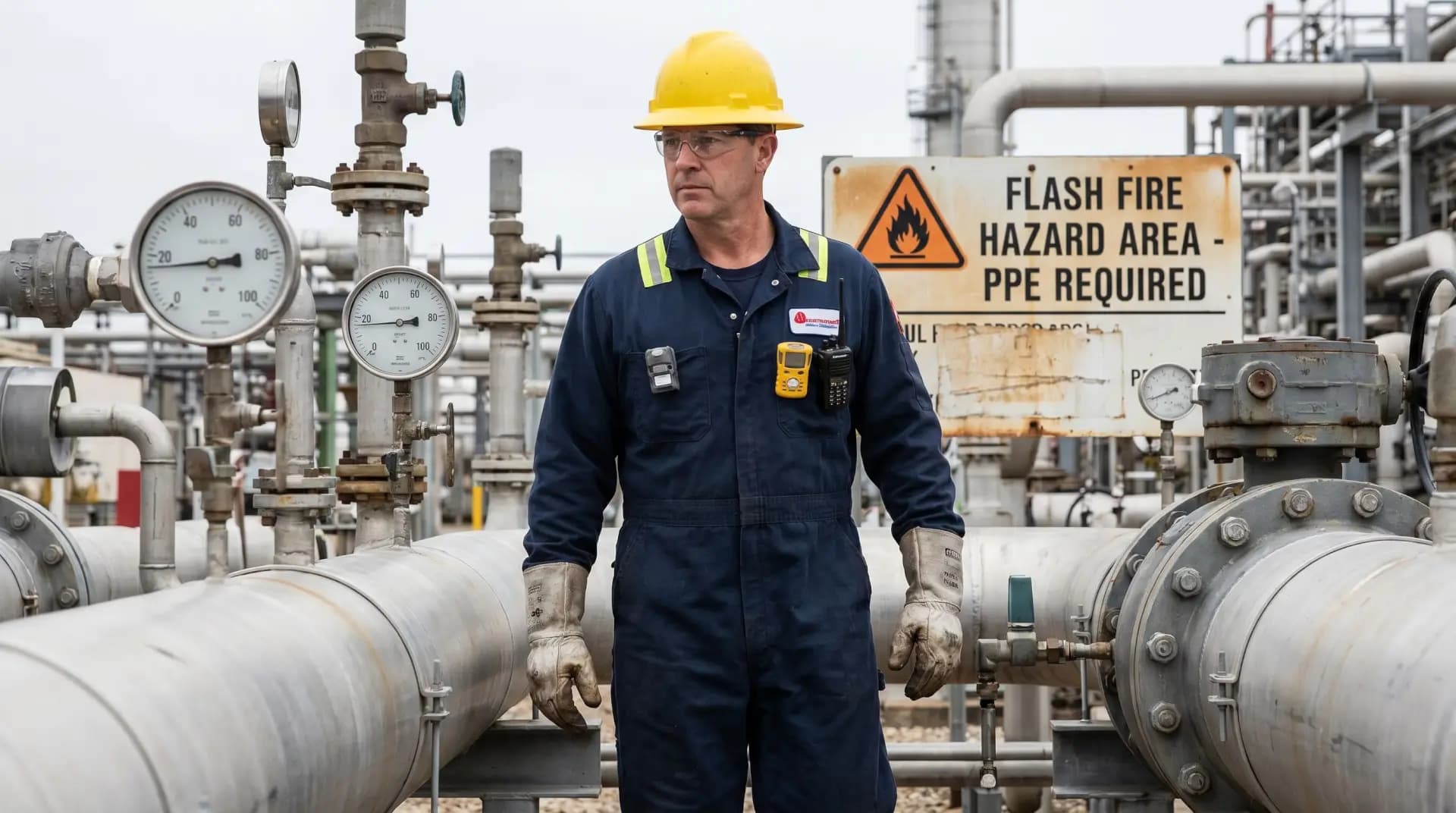
Fuel and chemical hazards
Slips, trips, and poor housekeeping
Fatigue and rushed decision-making
Poor communication between ramp, flight crew, and operations control
In my view, ground handling safety fails most often when routine work starts to feel harmless. The ramp is familiar, but it is never low-risk.
Core Controls for Safe Ramp Operations
Safe ground handling starts before anyone approaches the aircraft. The stand should be inspected, the arrival path should be clear, and the team should know the aircraft type, service plan, weather conditions, and any abnormal requirements.
Key controls include:
Control Area | What Good Practice Looks Like |
|---|---|
Stand preparation | FOD removed, markings visible, lighting adequate, equipment positioned outside clearance zones |
Aircraft arrival | Only essential staff present, safe zones respected, no vehicle movement across aircraft path |
Chocking and cones | Applied only when engines are safe and aircraft status is confirmed |
GSE operation | Pre-use checks completed, speed controlled, parking brakes used, equipment never left unsecured |
Communication | Standard hand signals, headset discipline, radio clarity, no assumptions |
Supervision | One accountable lead controlling sequencing and conflict points |
A simple rule I apply is this: no one should move because they think it is safe; they should move because the agreed control confirms it is safe.
Ground Support Equipment Safety
Ground support equipment is essential, but it also introduces some of the highest ramp risks. Belt loaders, tugs, dollies, high loaders, stairs, GPUs, ASUs, and service trucks must be treated as mobile work equipment, not just operational tools.
Safe GSE management requires:
Daily pre-use inspections
Defect reporting and lockout of unsafe equipment
Speed limits matched to ramp conditions
Clear reversing controls
Seatbelt use where fitted
Wheel chocks or stabilizers where required
No parking in aircraft clearance zones
Trained and authorized operators only
The most dangerous GSE incidents usually involve poor positioning, blind spots, brake failure, reversing, or rushing the final approach to the aircraft. Equipment should approach slowly, stop short, then be guided into final position under control.
Baggage and Cargo Handling Risks
Baggage and cargo handling creates repeated manual handling exposure. The risk increases inside aircraft holds because handlers may work in restricted postures, twist under load, kneel, reach, or pass bags in confined spaces.
Controls should focus on reducing force, repetition, and awkward posture:
Use belt loaders and mechanical aids wherever practicable
Rotate tasks to reduce continuous strain
Keep bags close to the body during lifts
Avoid throwing or dragging loads
Maintain clear footing inside holds
Plan staffing for peak loads and heavy baggage
Report early signs of musculoskeletal discomfort
Manual handling training alone is not enough. The real control is designing the task so workers do not need to fight the load, the space, or the clock.
Aircraft Servicing, Refuelling, and Hazardous Energy
Aircraft servicing adds risks from fuel, pressure systems, electricity, moving parts, hot surfaces, and chemical exposure. Refuelling, lavatory servicing, potable water servicing, de-icing, and ground power connection all need disciplined separation and communication.
Critical precautions include:
No smoking, ignition sources, or unauthorized hot work near fuel zones
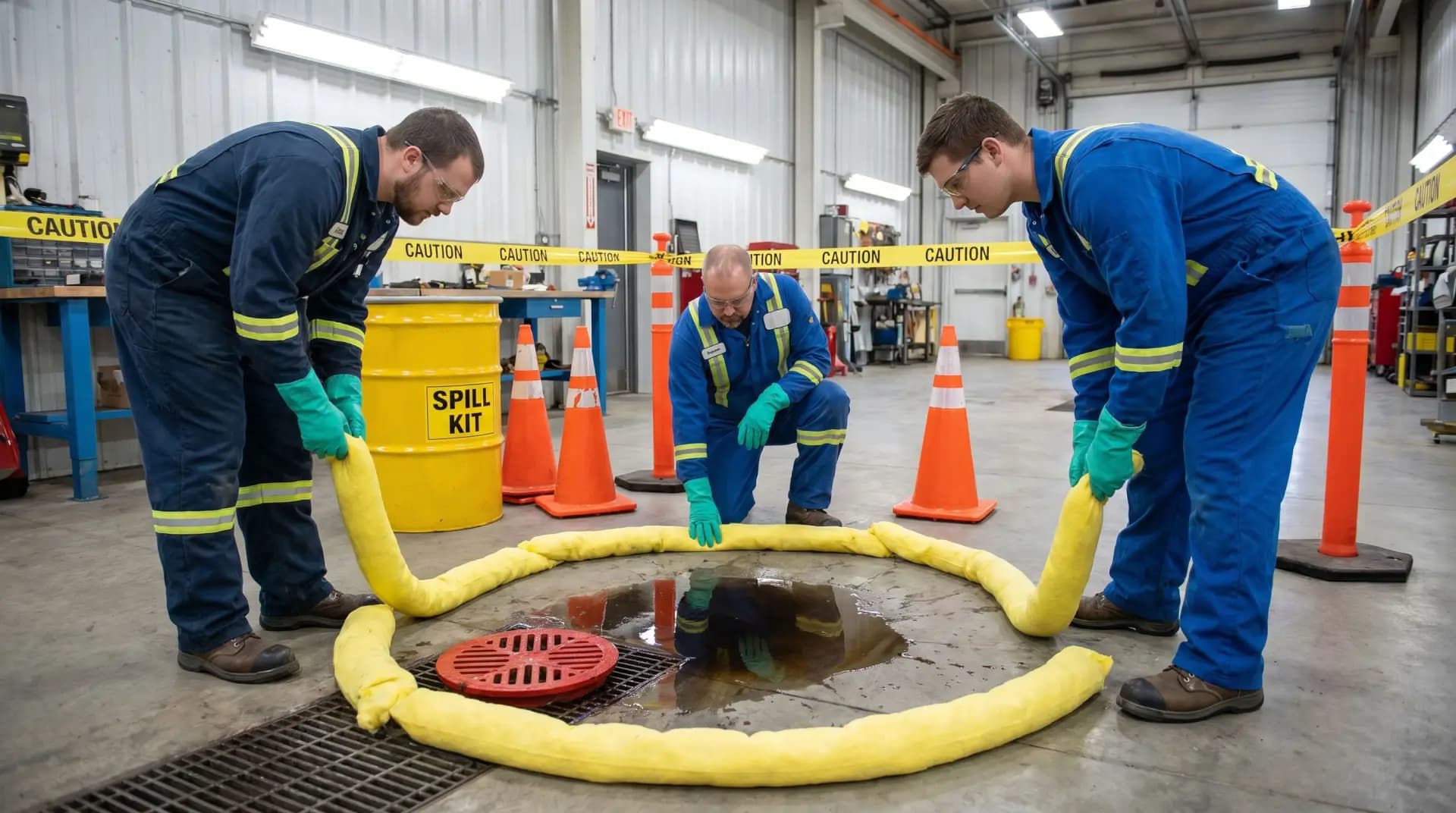
Spill kits available and staff trained to use them
Bonding and grounding controls followed where required
Clear emergency shutdown access
Correct PPE for chemical handling
Safe hose and cable routing to prevent trips and damage
No vehicle movement through active refuelling zones unless permitted by local procedure
Where multiple service providers work around the same aircraft, the hazard is not just the task itself. It is the interaction between tasks.
Human Factors in Ground Handling
Ground handling teams work under pressure from schedules, weather, passengers, aircraft slots, and operational disruption. These pressures can quietly weaken controls.
Common human factor warning signs include:
“We always do it this way”
Starting work before the aircraft is fully safe
Skipping walkarounds
Using unofficial shortcuts
Poor shift handover
Fatigue during early, late, or split shifts
Confusion between airline-specific procedures
Supervisors should actively watch for drift. A ramp team may still be completing the job, but the method may have moved away from the approved safe system.
Training, Competence, and Supervision
Training must be role-specific. A person trained for baggage handling is not automatically competent to operate a tug, connect ground power, marshal aircraft, or work near refuelling.
A strong competence system includes:
Initial task training
Practical assessment
Aircraft-type awareness
Equipment authorization
Refresher training
Observation on live operations
Reassessment after incidents, long absence, or procedural change
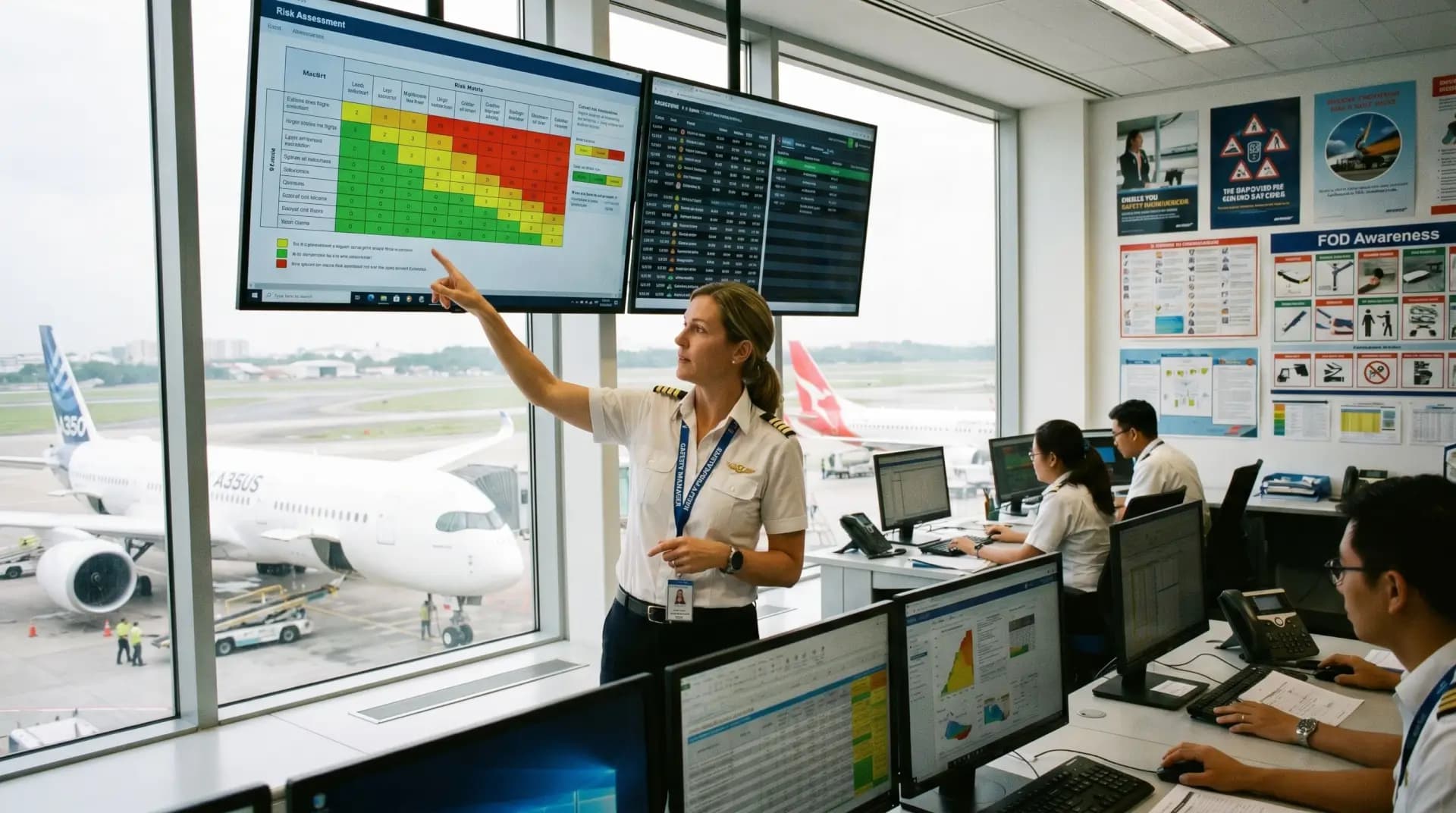
Supervision should not be limited to paperwork. Effective ramp supervisors walk the operation, challenge unsafe positioning, stop unclear movements, and verify that the team understands the next step.
Practical Ground Handling Safety Checklist
Before aircraft arrival:
Stand clear and inspected
FOD removed
Equipment serviceable and parked correctly
Team brief completed
Weather and visibility considered
During turnaround:
Engines and beacons respected
Chocks and cones applied correctly
GSE positioned under control
Pedestrian routes maintained
No unauthorized crossing of active zones
Spills, defects, and near misses reported immediately
Before departure:
Equipment removed from aircraft
Doors and panels confirmed secure
FOD check completed
Pushback area clear
Communication established
Final walkaround completed
Conclusion
Ground handling safety at airports depends on disciplined control of movement, equipment, people, and timing. The work may be routine, but the risk is dynamic. Good safety performance comes from clear procedures, competent teams, maintained equipment, active supervision, and the confidence to stop the operation when conditions are not right.
The best ramp culture is practical and direct: prepare the stand, control the sequence, communicate clearly, protect people from aircraft and equipment movement, and never let time pressure become the real supervisor.

Responses