

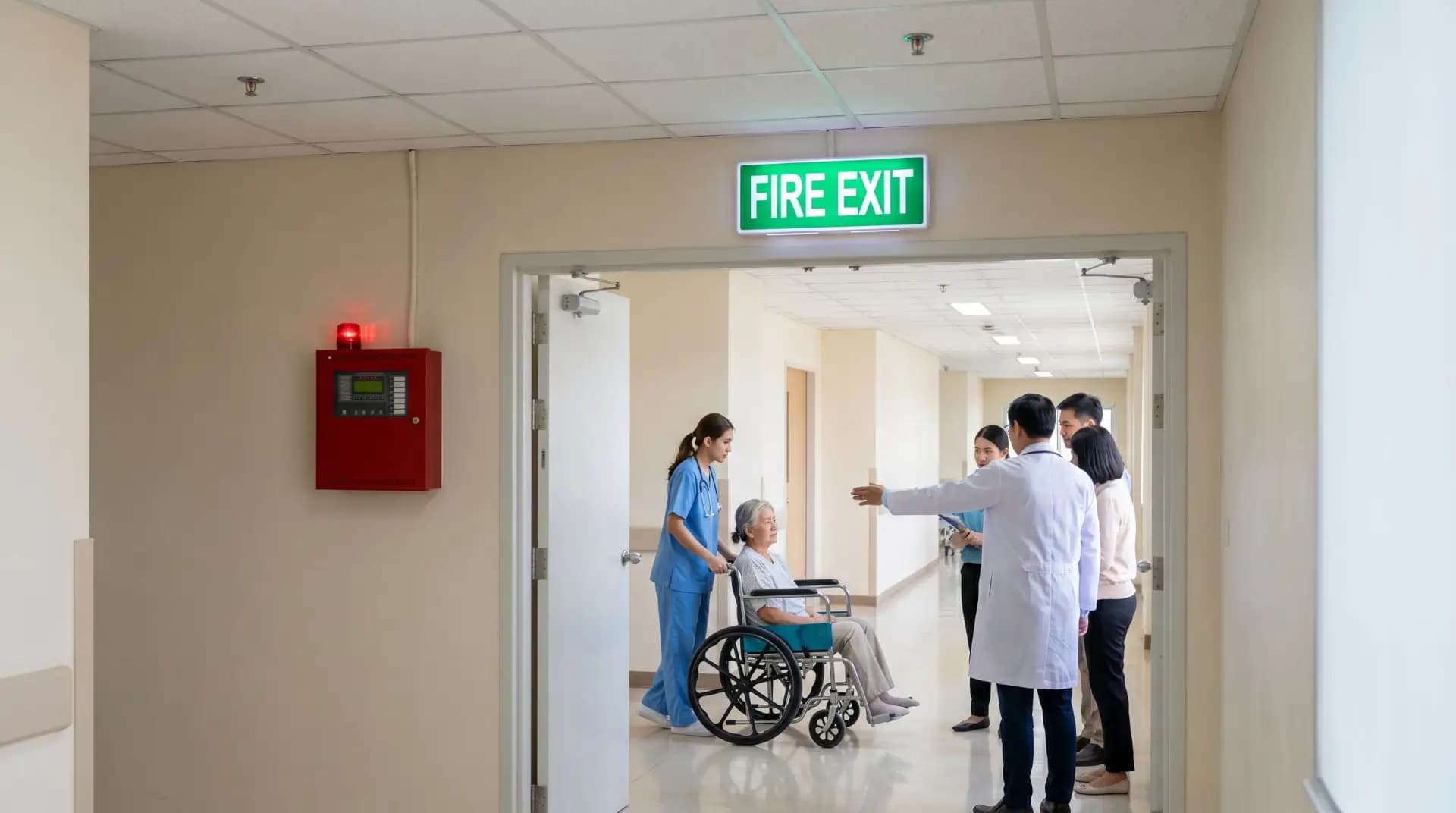
Fire safety in hospitals is not just about preventing ignition—it is about protecting vulnerable occupants who cannot self-evacuate, maintaining life-support systems during emergencies, and ensuring continuity of critical care. Hospitals require a layered fire safety approach that integrates building design, active and passive protection systems, trained personnel, and strict operational controls aligned with recognized standards such as those from OSHA (US), HSE (UK), NFPA, and ISO.
Understanding the Unique Fire Risk in Hospitals
Hospitals are high-risk environments due to the combination of oxygen-enriched atmospheres, electrical equipment, flammable materials, and immobile patients. Unlike commercial buildings, evacuation is often delayed or staged, meaning fire containment becomes as critical as fire suppression.
From my professional practice, the most overlooked risk is the interaction between medical gases and ignition sources—particularly in intensive care units and operating theatres. Even a small spark can escalate rapidly in oxygen-rich environments.
Building Design and Compartmentation
Effective fire safety in hospitals starts with structural design. Fire-resistive construction and compartmentation limit fire spread and allow for horizontal evacuation.
Key requirements include:
Fire-rated walls, floors, and doors to create smoke compartments
Minimum fire resistance ratings as defined by jurisdictional codes (e.g., NFPA 101 Life Safety Code)
Clearly defined fire zones with controlled access
Smoke barriers and automatic fire doors
Compartmentation allows patients to be moved laterally to safer zones instead of immediate full evacuation, which is often impractical in critical care settings.
Fire Detection and Alarm Systems
Early detection is essential in hospitals due to delayed evacuation challenges.
Critical components include:
Automatic smoke and heat detectors in all patient care areas
Addressable fire alarm systems for precise location identification
Audible and visual alarms tailored to hospital environments (to avoid panic)
Integration with nurse call systems and building management systems
Alarm systems must be regularly tested and maintained to ensure reliability, especially in high-dependency units.
Fire Suppression Systems
Hospitals require robust suppression systems that activate quickly and effectively without compromising patient safety.
Typical systems include:
Automatic sprinkler systems throughout the facility
Clean agent systems in sensitive areas like server rooms
Portable fire extinguishers placed according to hazard classification
Fire hydrant and hose reel systems for manual firefighting
In practice, sprinkler systems remain the most effective first line of defense, significantly reducing fire growth before emergency response teams arrive.
Safe Evacuation Planning
Evacuation in hospitals is complex and must be carefully planned and practiced.
Key strategies:
Horizontal evacuation to adjacent compartments as the primary method
Vertical evacuation only when absolutely necessary
Clearly marked evacuation routes and emergency exits
Use of evacuation aids such as sleds and wheelchairs
Designated staff roles for patient movement
Regular drills are essential, but they must be realistic and department-specific. A one-size-fits-all evacuation plan does not work in healthcare settings.
Fire Safety Management and Staff Training
Even the best systems fail without competent people managing them. Fire safety in hospitals depends heavily on staff awareness and preparedness.
Essential elements include:
Fire safety training for all staff, including clinical and non-clinical personnel
Clear fire response procedures (e.g., RACE: Rescue, Alarm, Contain, Extinguish)
Designated fire wardens and response teams
Routine fire drills and scenario-based exercises
From experience, staff hesitation during the first minute of a fire incident is a critical failure point. Training must focus on immediate decision-making and role clarity.
Control of Fire Hazards
Preventing fire is always the priority. Hospitals must actively manage ignition sources and combustible materials.
Common controls include:
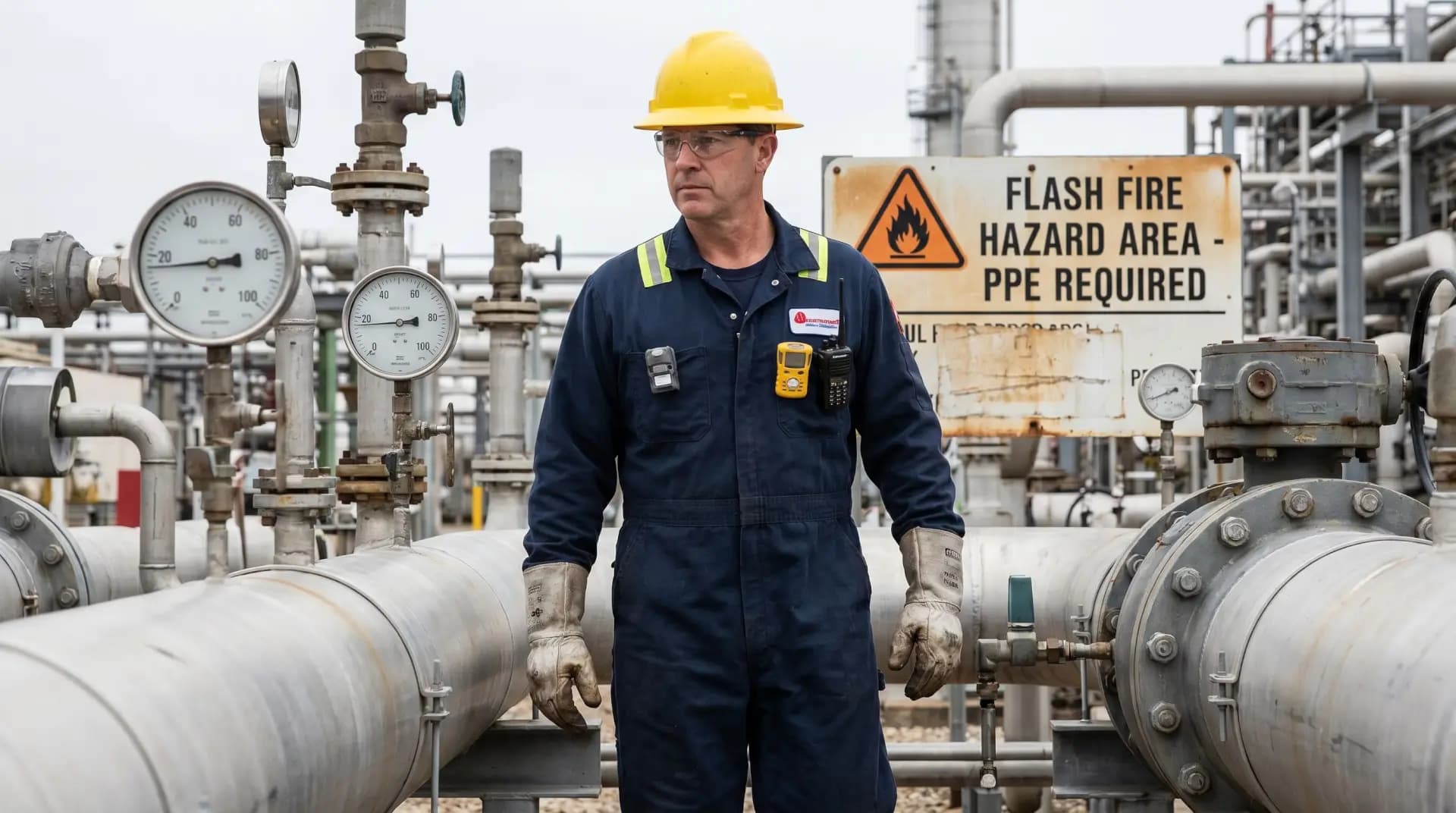
Safe storage and handling of medical gases
Electrical equipment inspection and preventive maintenance
Proper housekeeping to reduce combustible load
Strict control of smoking and open flames
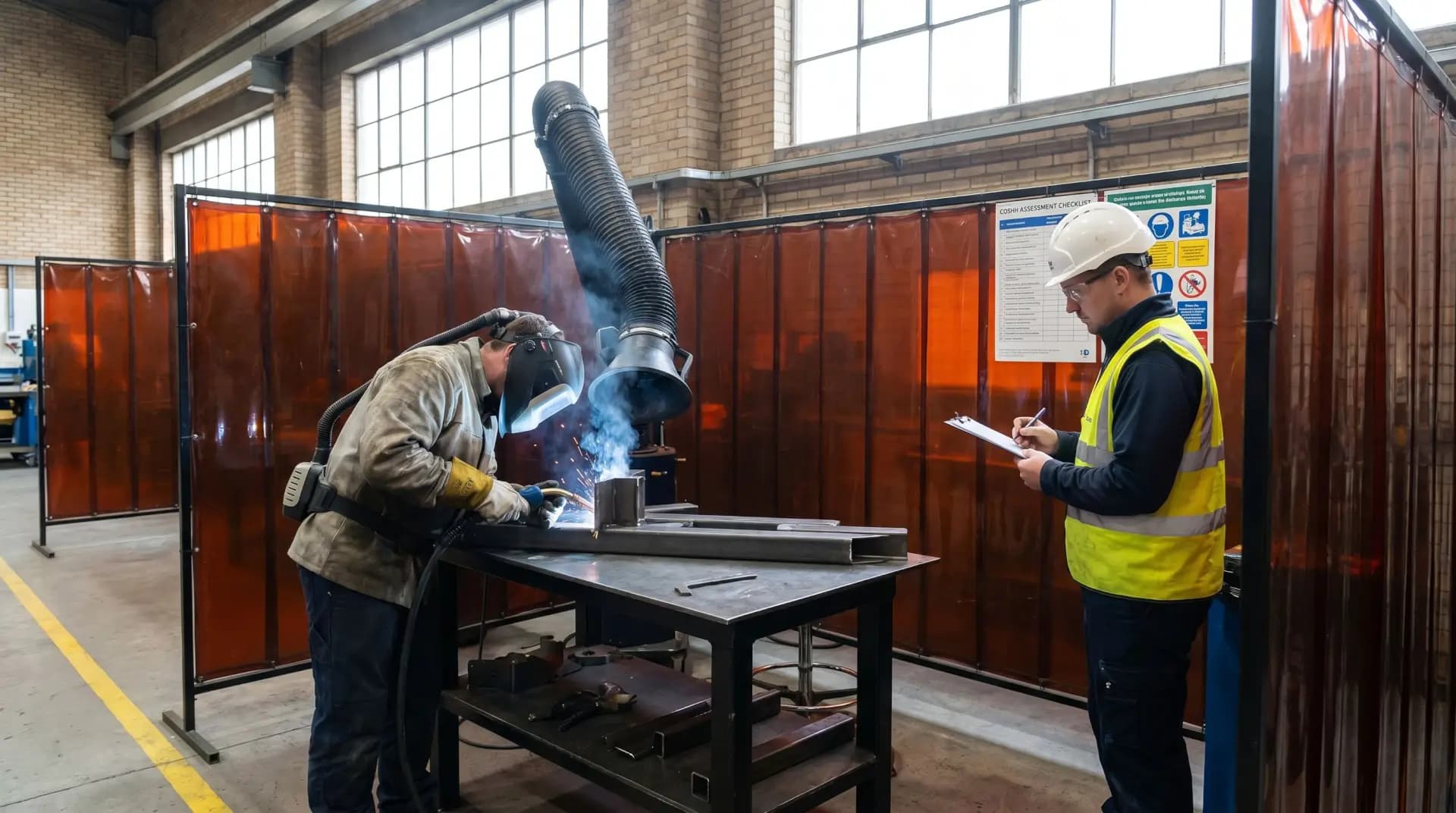
Permit-to-work systems for hot work activities
Risk assessments should be conducted regularly, especially when introducing new equipment or modifying hospital layouts.
Emergency Power and System Reliability
Hospitals cannot afford system failures during a fire. Backup systems are essential.
Requirements include:
Emergency generators for life-support systems
Uninterruptible power supplies (UPS) for critical equipment
Fire-rated cabling for essential circuits
Redundant systems for alarms and communication
These systems must be tested under load conditions to ensure functionality during real emergencies.
Compliance and Regulatory Framework
Hospitals must comply with applicable fire safety regulations depending on jurisdiction. Commonly referenced frameworks include:
NFPA codes (especially NFPA 99 and NFPA 101 in the US)
Health Technical Memoranda (HTM) in the UK
ISO standards related to fire safety and risk management
Local fire authority regulations
Compliance is not a one-time activity—it requires continuous auditing, documentation, and improvement.
Conclusion
Fire safety in hospitals demands a highly coordinated system where design, technology, and human factors work together. The goal is not just to extinguish fire but to protect life under the most challenging conditions. From my professional standpoint, the strongest hospitals are those that treat fire safety as an operational priority—not just a compliance requirement.

Responses