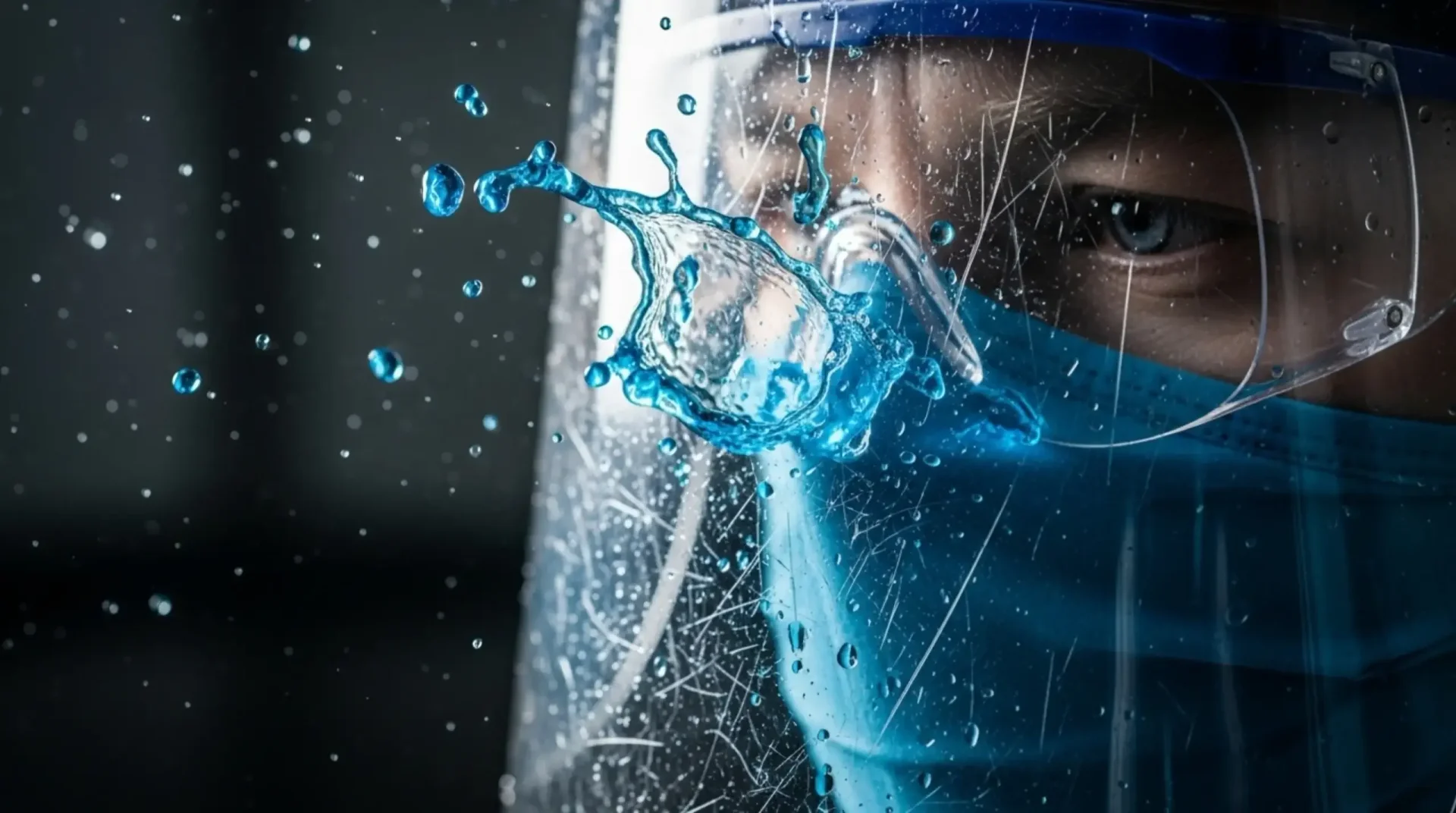
Personal Protective Equipment (PPE) encompasses specialized clothing and gear designed to protect personnel from chemical, biological, physical, and mechanical hazards. In the laboratory, this equipment serves as a critical, life-saving barrier between the human body and volatile reactions. It is vital to understand that PPE does not eliminate the hazard itself; it merely minimizes exposure when all other safety systems fail.
As an Industrial Hygienist, I always enforce the Hierarchy of Controls on any site. We first try to eliminate the hazard, substitute it, use engineering controls like fume hoods, and implement administrative controls. PPE is the absolute last line of defense. If a highly corrosive chemical is eating through your nitrile glove, it means the primary containment failed, and that thin layer of rubber is the only thing saving your skin.
Why PPE Is Critical for Students and Researchers
Academic and research laboratories often handle a wider, more unpredictable variety of hazardous chemicals than standardized industrial manufacturing plants. Students and researchers face daily risks from unexpected exothermic reactions, pressurized glassware failures, and biological contamination. The variable nature of research means hazards can change from one bench to the next.
Responses (0)